
Best Canvas Slip on Shoes for Every Need: How to Pick the Right One for 2026
Disclosure: We may earn a commission when you buy through links on this page, at no extra cost to you. As an Amazon Associate I earn from qualifying purchases. Learn more

Which of the best canvas slip on shoes fits your day? Compare cushioning, grip, fit and durability by use case, from errands to long shifts.
There is no single canvas shoe that suits every foot, every job, and every weekend plan. The best canvas slip on shoes for you depend on how many hours you spend standing, how much walking you do, and whether you need real arch support or just a light shoe for short trips. A pair that feels perfect for garden errands can feel flat and tiring on a long travel day.
This guide sorts buyers by use first, then explains the features that actually change comfort. Use the product table above to see how styles differ, then read the sections that match your routine before you spend anything.


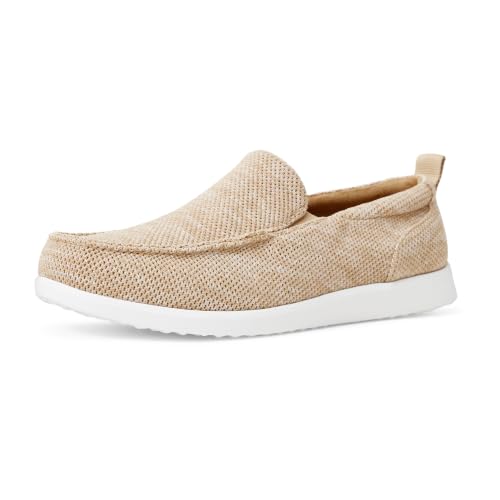
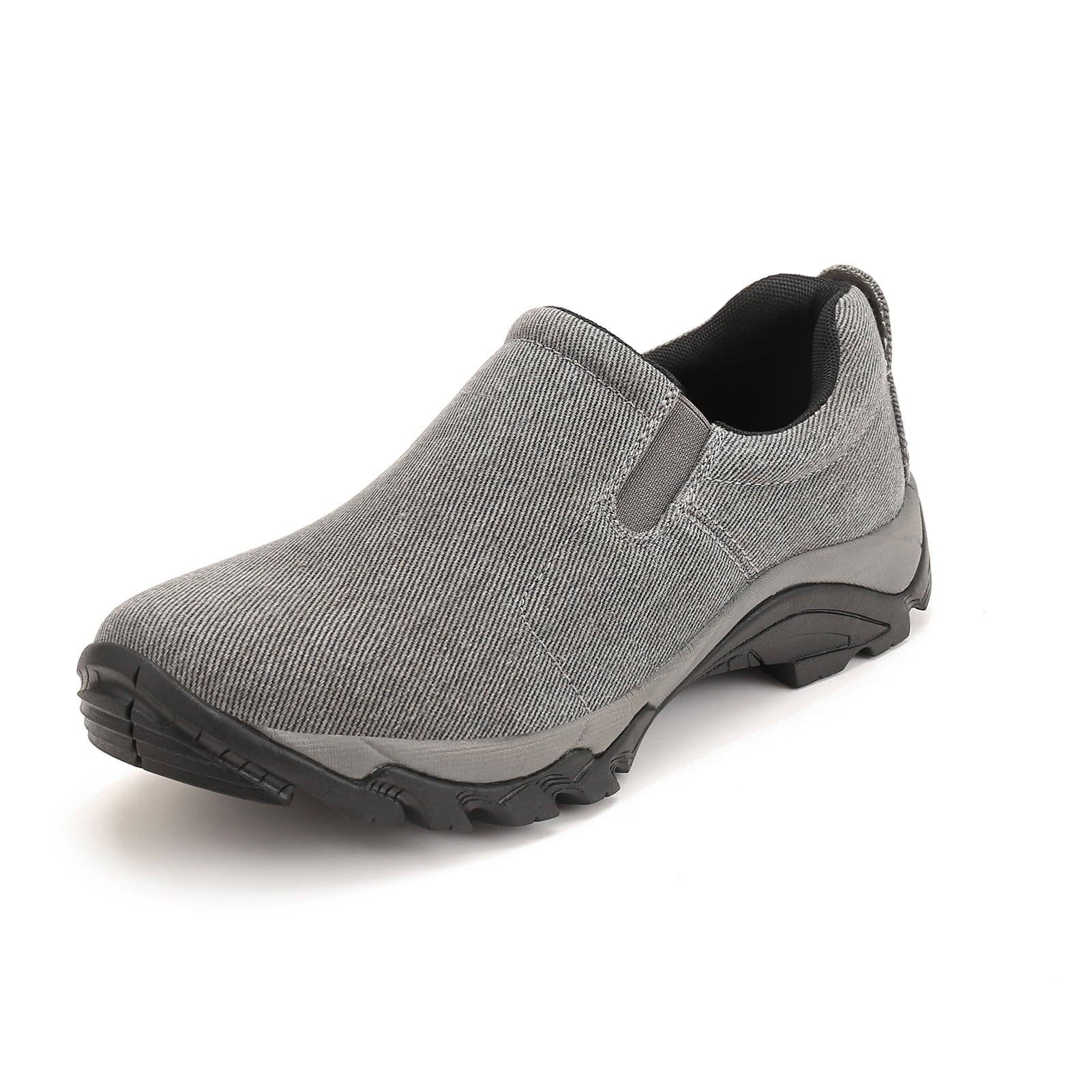

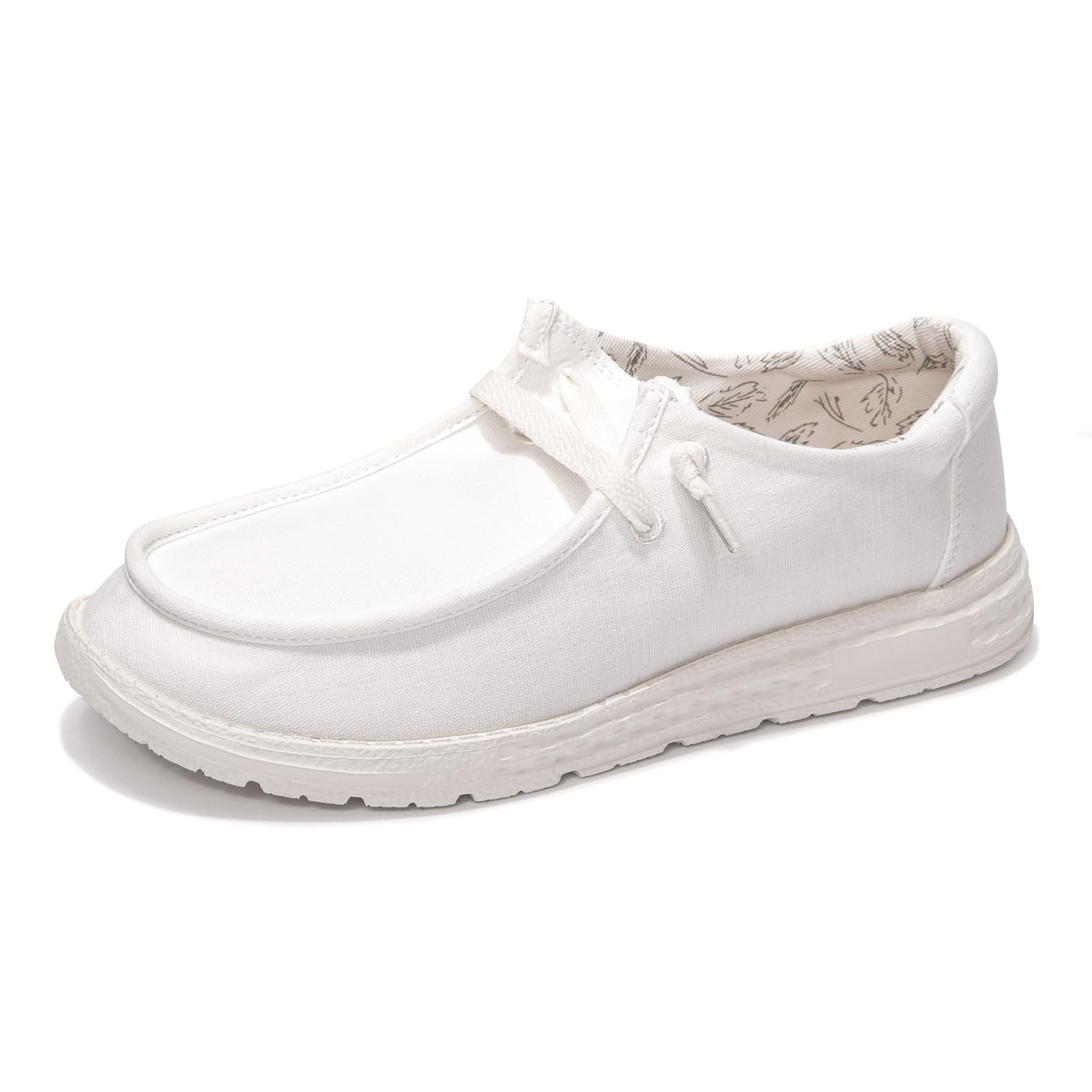

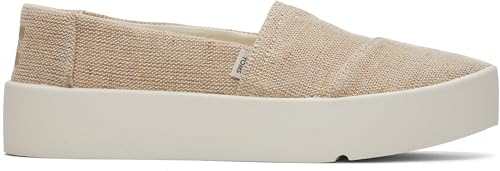
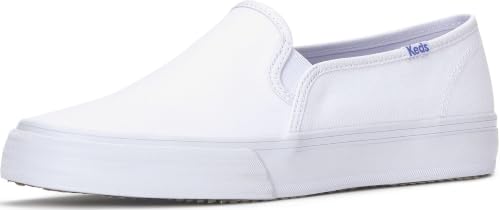
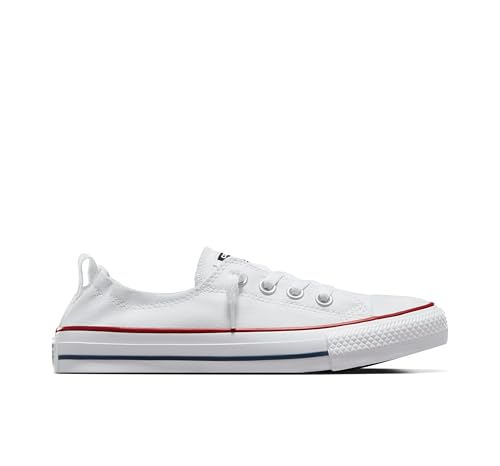
Who Should Buy Which Canvas Slip on Shoes?
Start with your busiest typical day, not your easiest one. Count your standing hours, your walking distance, and the surfaces you cross most often. If you are still weighing canvas against other laceless styles, our guide to the best slip on shoes shows how canvas compares with knit, leather, and mesh options for daily wear.
For Frequent or Serious Users
If you wear this style four or five days a week, durability and support matter more than a low price. Look for a canvas upper with a reinforced toe area, a stitched or strongly bonded sole, and a cushioned insole you can replace when it packs down. A slightly firmer heel counter keeps your foot from rolling inside the shoe during long shifts. Paying a bit more here usually buys a longer wearing life and a better warranty.
For Small Spaces and Easy Storage
Travelers, students, and anyone with a crowded entryway should favor light, flexible pairs that pack flat. Thin canvas uppers fold down beside a laptop or inside a gym bag, and a low profile sole takes up little room in a suitcase. Choose styles without stiff heel structures so the shoe can bend without creasing badly. A spare pair stored in a car or office drawer also covers sudden rain, spills, or a long walk you did not plan.
For Weekend Beginners
If you are new to laceless shoes, start with a simple, moderately priced pair and learn what your feet prefer. A medium width fit, a padded collar, and a removable insole give you room to adjust with different socks or inserts. Avoid very flat fashion soles for your first pair, because a little cushioning makes the style far easier to enjoy. Once you know your size and favorite fit, a second, more specialized pair makes more sense.
For Bad Weather and Tough Conditions
Standard canvas soaks through quickly, so wet climates call for realistic expectations. Look for tightly woven canvas, a water resistant treatment, and a rubber outsole with deeper tread for slick sidewalks. Darker colors hide splashes and road grime between cleanings. Even then, treat these as shoes for damp streets and brief showers, not as rain boots. Shoppers who truly need dry feet in storms should compare our notes on best slip on walking shoes with sealed uppers before deciding.
Key Features to Compare
Five details decide whether a canvas shoe stays comfortable after the first week. Read each one against your own routine, because the right balance for a commuter differs from the right balance for someone who mostly drives and runs short errands.
Break In Period and Comfort Out of the Box
Canvas softens with wear, but a good pair should never hurt on day one. The upper may feel snug across the top of your foot for the first few outings, yet sharp rubbing at the heel or toes signals a poor fit, not a normal break in period. Elastic side panels and a padded heel collar reduce early friction. Wear new pairs around the house for an hour first, then on a short walk, so you can still return them if a seam rubs.
Durability and Expected Lifespan
Canvas wears first at the toe, the heel collar, and the fold point where your foot bends. Double stitching in those areas and a rubber toe cap extend life noticeably. The midsole matters just as much. Foam that feels springy when new often flattens after about 300 to 500 miles of walking, and at that point the shoe may look fine while feeling tired. Daily wearers who rotate two pairs usually get more total months from both than from one pair worn every day.
Outsole Traction and Terrain
Most canvas shoes use flat rubber soles made for pavement, and that is fine for dry sidewalks, offices, and boardwalks. Look for a tread pattern with real grooves rather than a smooth bottom, because grooves channel light water and grip painted crosswalks better. Waffle or herringbone patterns add confidence on dusty trails and wet tile. If your route includes gravel paths or grass, choose a slightly thicker outsole so stones do not press through into your foot during longer walks.
Fit, Sizing, and Toe Box
Laceless shoes cannot be tightened, so fit has to be right from the start. Measure your feet in the afternoon, when they are at their largest, and compare the result with the brand size chart rather than assuming your usual size. Your toes need roughly a thumb width of space, and a roomy toe box helps if your feet swell during the day. Men comparing cuts can see how lasts differ in our guide to the best slip on shoes for men, since a narrow heel with a wider forefoot suits many feet.
Cushioning and Support
A thin canvas shoe often hides a very flat insole, which is why your arches may ache after long standing. Look for a molded insole with visible arch support and a heel to toe drop that feels natural, usually a gentle slope rather than a perfectly flat bed. Stability comes from a firm heel counter and a sole that resists twisting. Women who stand through retail or clinic shifts will find fit notes in our guide to the best slip on shoes for women helpful when judging narrower heels and arch placement.
Common Mistakes to Avoid When Buying Canvas Slip on Shoes
Most returns trace back to a handful of avoidable errors. Check this list before you order, especially when a sale price tempts you toward a style you have not researched.
- Buying on price alone and ignoring insole quality, which decides all day comfort far more than the canvas color does.
- Ordering your sneaker size without checking the brand chart, even though laceless shoes run long or short more often than laced shoes.
- Choosing a fashion sole with almost no cushioning for a job that keeps you on concrete for eight hours.
- Expecting plain canvas to stay dry in steady rain, then blaming the shoe for a job it was never built to do.
- Skipping the return policy and warranty check, which matters when stitching fails in the first month.
Tips to Get the Most From Your Canvas Slip on Shoe
A little care stretches the life of canvas more than it does for leather or synthetic uppers. Wash off road salt and mud promptly, because grit ground into the weave weakens the fibers. Stuff damp shoes with newspaper and air dry them away from direct heat, since a radiator or hair dryer can warp the sole glue and shrink the canvas.
Rotate two pairs if you wear this style daily, giving each midsole a full day to recover its cushioning. Replace pairs whose foam feels flat and dead, often near that 300 to 500 mile mark, even if the upper still looks presentable. A fresh insole can revive a shoe whose canvas and outsole remain sound, and it costs far less than a new pair.
Frequently Asked Questions
Can I wear canvas slip on shoes all day?
Yes, you can wear them all day if the pair has a cushioned, supportive insole and you are mostly on forgiving surfaces. For long shifts on concrete, add a quality replacement insole and take sitting breaks when you can. If your heels or arches ache by midday for several days in a row, the shoe lacks support for your workload, and a walking focused style will serve you better.
How long is the break in period for canvas slip on shoes?
The break in period is usually short, about three to five wears for the canvas to relax across the top of your foot. Unlike stiff leather, canvas should never need weeks of painful stretching. Mild snugness is normal, but blisters, numb toes, or a heel that slips out with every step mean the size or shape is wrong. Exchange the pair rather than hoping heavy wear will fix a structural fit problem.
How often should I replace my canvas slip on shoes?
Replace them when the midsole feels flat, the tread looks smooth, or the upper tears at the bend point, which for daily wearers often arrives within a year. A simple press test helps. If your thumb sinks into the heel foam with almost no spring back, cushioning is spent. Occasional weekend wearers may get two or more years, because total miles, not calendar time, drive most of the wear.
How should canvas slip on shoes fit?
They should fit snugly at the heel and midfoot with open space in front of your toes. Your heel should stay seated when you walk briskly, and the elastic panels should hold without pinching the top of your foot. Try them on late in the day with the socks you plan to wear. Because there are no laces to adjust, even a half size error shows up quickly as slipping or crowding.
Are expensive canvas slip on shoes worth it?
They can be worth it when the higher price buys a better insole, stronger stitching, and a more durable rubber outsole. Those upgrades matter for daily wearers who would otherwise replace cheap pairs twice as often. If you only need a spare pair for travel or quick errands, a modest price is sensible. Judge the construction details, not the logo, because some costly fashion pairs use the same thin foam as budget ones.
Wrapping Up
Match the shoe to your real routine first, then judge fit, cushioning, and outsole grip in that order. Frequent wearers should pay for support and stitching, while occasional users can keep things simple and light. When you compare the best canvas slip on shoes for your needs, use the product table above to check sizes and features side by side, and your feet will thank you on the longest days.


