
Best Cap Toe Boots by Budget: Smart Picks for 2026
Disclosure: We may earn a commission when you buy through links on this page, at no extra cost to you. As an Amazon Associate I earn from qualifying purchases. Learn more

Compare the best cap toe boots by budget and learn which leather, fit, outsole, and comfort features are worth paying for at each price tier.
Prices for cap toe boots start under $100 and climb into premium territory, and the difference is not always obvious from a product photo. A stitched cap and polished leather can look similar at every price, while the materials underneath vary a lot. This guide to the best cap toe boots shows you where your money actually goes, so you can pay for durability and comfort instead of styling alone. Start with the product table above, then use the budget sections to narrow your choice.
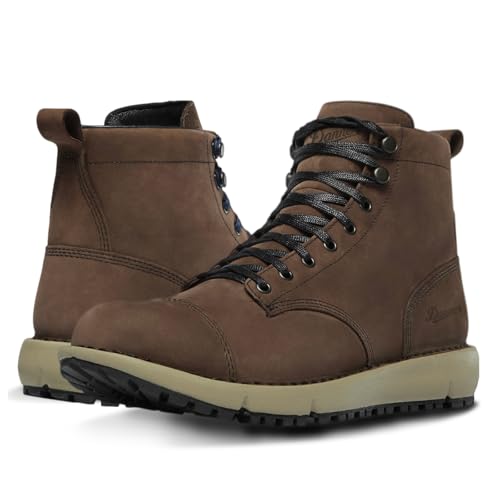
A cap toe boot has an extra piece of leather stitched across the toe, which adds structure, protects the front from scuffs, and gives the style its classic look. That design works for office wear, smart casual outfits, and light duty work settings alike. What separates a good pair from a disappointing one is fit, leather quality, and sole construction.




How to Set Your Budget Before You Shop
The smartest way to shop by price is to decide what you will ask the boots to do each week. A pair worn twice a month with dress pants ages very differently from a pair worn daily on concrete floors. Your budget should follow your wear pattern, your work environment, and how long you expect the boots to stay in rotation.
Occasional and Dress Focused Wear on a Tight Budget
If you mainly need a polished look for the office, dinners, or events, a lower priced pair can serve you well for a few years of light use. Expect cemented soles, thinner leather, and simpler linings at this level, which is fine when the boots rest between wears.
Daily Wearers Who Need Real Value
Daily wear changes the math, because a boot that lasts four years often costs less per wear than a cheap pair replaced every year. If you walk a lot or stand on hard floors, plan on the middle price range at minimum. You gain thicker leather, better insoles, and soles that grip and flex more naturally.
Buyers Who Want a Decade of Service
If you want one pair to keep for many years, budget for construction that can be repaired rather than replaced. Welted soles can be resoled, full grain leather can be conditioned back to life, and quality hardware survives years of lacing.
What Your Money Gets You at Each Price Tier
Price tiers in the product table above follow a fairly predictable pattern once you know what to look for. Leather thickness, sole attachment, and interior materials account for most of the gap between the best cap toe boots at each level. Use this section to set realistic expectations before you compare listings.
Budget Tier: What to Expect
Budget cap toe boots, usually under $100 or around $100, typically use corrected grain leather, synthetic leather, or thinner full grain hides. Soles are usually glued rather than stitched, so they cannot be resoled once the tread wears down. For light, occasional wear these tradeoffs are acceptable.
Midrange Tier: The Sweet Spot for Most Buyers
Midrange boots usually start at about $100, and many solid pairs stay under $250, bringing thicker full grain leather, sturdier stitching, and more supportive insoles. Many pairs add a shank for stability and rubber outsoles with better tread for wet sidewalks. For most buyers who wear their boots several days a week, this tier delivers the strongest balance of comfort, looks, and lifespan per dollar.
Premium Tier: When Spending More Pays Off
Premium boots often start at about $250, and many cost about $450 or more, investing in top quality hides, leather linings, and hand finished details. Welted soles and cork filled midsoles shape to your foot over time and can be rebuilt by a cobbler. Stitching is denser and hardware is solid metal.
Features Worth Paying For and Ones to Skip
Not every upgrade deserves your money, and some low cost details matter more than flashy extras. Focus on the parts of the boot that touch your foot, meet the ground, or decide how long the pair lasts.
Upper Materials and Breathability
Full grain leather is the benchmark upper because it keeps the natural surface of the hide, resists scuffs, and molds to your foot. Breathability matters on long days, since leather linings and moisture wicking fabrics help your feet stay drier.
Arch Support and Foot Type
Arch support shapes how your weight spreads across the foot, and the right level depends on your arch shape. Flat feet usually feel better with firmer support and a stable heel counter that limits rolling inward. High arches often need more cushioning, since pressure concentrates at the heel and forefoot. Many models accept removable insoles, so you can swap in your preferred insert.
Fit, Sizing, and Toe Box
Fit decides whether any boot, at any price, earns a place in your closet. Measure your feet late in the day when they are slightly larger, and wear the socks you plan to use with the boots. Your toes should clear the cap seam without pressing on it, and the toe box should let them lie flat rather than squeezed together.
Shoppers comparing styles will find that lasts and width options differ, so see our guide to the best men's cap toe boots for sizing notes specific to those models. Heel slip of more than a small amount usually means the size or width is wrong.
Break In Period and Comfort Out of the Box
Stiff leather boots soften as the upper flexes and the footbed compresses to match your stride. Light wear around the house for a few short sessions helps the leather crease in the right places before a full day out. Softer leathers feel comfortable sooner, while thick premium hides take longer and reward patience.
Choosing Between Style, Safety, and Weather Protection
The cap toe name describes a style, not a safety rating, and that distinction matters if you work around heavy objects. A decorative leather cap adds scuff protection only. Boots built for hazardous jobs place a rated protective cap inside the toe and must meet workplace safety standards.
If your workplace requires rated toe protection with a classic profile, see our guide to the best steel toe cap boots for models that pair the look with certified protection. Steel caps handle heavy compression well and keep a slimmer profile than many composite options. They do conduct cold, though, which matters for outdoor winter work.
Similar listings can blur important differences, so it helps to see our guide to the best steel cap boots when you compare terminology across brands. Some sellers use cap language loosely in titles, and only the product specifications confirm a rated protective toe.
For a broader view of rated options across toe materials and job types, see our guide to the best safety toe boots before you buy. That comparison helps you weigh weight, electrical hazard ratings, and workplace rules together. Composite toes suit workers who pass through metal detectors or work in cold conditions.
Style comparisons matter too when the cap toe look is only one option on your list. If you like a softer stitched apron front instead, see our guide to the best moc toe boots for a more casual wedge sole style. Moc toe boots often feel roomier across the forefoot, while cap toe boots dress up more easily with chinos, wool trousers, and blazers.
Weather protection is the third decision, and it interacts with price. A waterproof membrane such as Gore Tex keeps rain and slush out while letting some vapor escape, and it adds cost at every tier. If your winters are harsh, budget for the membrane and a lugged outsole.
Long Term Costs to Factor In
The purchase price is only part of what a pair of boots costs you over its life. A resole on a welted boot often costs around $100, but it can add years of wear for less than a new midrange pair.
Care Habits That Lower Your Total Cost
Simple care stretches every tier further. Brush off dirt after wear, let the boots dry at room temperature away from direct heat, and use shoe trees to hold shape and absorb moisture.
Warranty, Returns, and Replacement Timing
Read warranty terms before you buy, since coverage for stitching, sole bonding, and hardware varies widely by brand and tier. Plan replacement around wear signals such as smooth tread, cracked leather at the flex point, or a midsole that feels flat and unresponsive.
Common Mistakes to Avoid
- Buying on looks alone, because a handsome cap toe can still hide thin leather and a glued sole that wears out fast.
- Ordering your sneaker size without checking, because boot lasts often run large and a wrong size leads to blisters and heel slip.
- Assuming a cap toe means safety protection, because the stitched overlay is decorative unless the boot carries a rated protective toe.
- Skipping the break in period, because wearing stiff new boots for a full day right away can cause sore spots and damaged heels.
- Letting wet leather dry on a heater, because direct heat cracks the surface and shortens the life of the upper.
- Ignoring heel to toe drop and sole stiffness, because a boot that fights your natural stride makes long days far more tiring.
Frequently Asked Questions
How long is the break in period for cap toe boots?
Most cap toe boots break in over about one to two weeks of regular short wears. Thick full grain leather takes the longest, while softer leathers settle within a few outings. One useful trick is to flex the boots gently by hand at the ankle and forefoot before the first wear. If pain stays sharp in one spot after several wears, the fit is likely wrong.
How should cap toe boots fit?
Cap toe boots should fit snugly at the heel and midfoot with clear space ahead of your longest toe. You should be able to wiggle your toes, and the cap seam should not press down on them when you walk. Try boots on carpet at home and walk stairs if you can, since downhill movement reveals toe crowding fast.
Do you need waterproof cap toe boots?
You need waterproof cap toe boots only if you regularly walk through rain, snow, or wet job sites. A membrane keeps water out but makes the boot warmer, which can feel stuffy in mild weather. Many office wearers do fine with conditioned leather alone. If you choose waterproof boots, look for sealed seams as well, since a membrane alone cannot stop water entering through stitch holes.
How often should you replace cap toe boots?
Replace cap toe boots when the outsole tread is smooth, the midsole feels dead, or the upper cracks beyond conditioning. For daily wearers that point often arrives after two to four years, while occasional wearers may go much longer. Press your thumb into the heel cushioning, and if it feels hard and flat, support has faded. Welted pairs can gain extra years through resoling.
Can you wear cap toe boots all day?
Yes, you can wear cap toe boots all day once they are broken in and the fit is right. Supportive insoles, a stable sole, and a breathable lining make the biggest difference on long shifts. Some workers change into sandals and recovery footwear after a shift to let their feet rest and air out.
Are expensive cap toe boots worth the cost?
Expensive cap toe boots are worth the cost when you wear them often and keep them for years. The premium buys thicker leather, repairable construction, and comfort that holds up, which lowers your cost per wear over time. Match the tier to your wear frequency, which the product table above makes easier to compare.
The Bottom Line
Set your budget by how often you will wear the boots, then spend first on fit, leather quality, and sole construction. Use the product table above to compare tiers side by side, and favor repairable builds for a long service life. Chosen well, the best cap toe boots for your routine will look sharp with dress pants or denim and reward basic care with years of dependable wear.


