Best Canoe Chairs by Budget for 2026
Disclosure: We may earn a commission when you buy through links on this page, at no extra cost to you. As an Amazon Associate I earn from qualifying purchases. Learn more

Compare the best canoe chairs at every price point. Learn what you get at budget, midrange, and premium levels and where spending more pays off.
Spend a few hours paddling from a bare bench and your lower back will explain why canoe seats exist. Prices run from about $15 to about $100, and that gap buys real differences in back support, frame strength, and strap quality. Sorting the best canoe chairs by budget shows exactly what each extra dollar does, and where it stops mattering.
This guide skips product by product verdicts and maps the market by price level instead. You will see what each tier includes, which features deserve your money, and which ones you can safely skip. The product table below shows seats across these price levels so you can match a budget to the way you paddle.
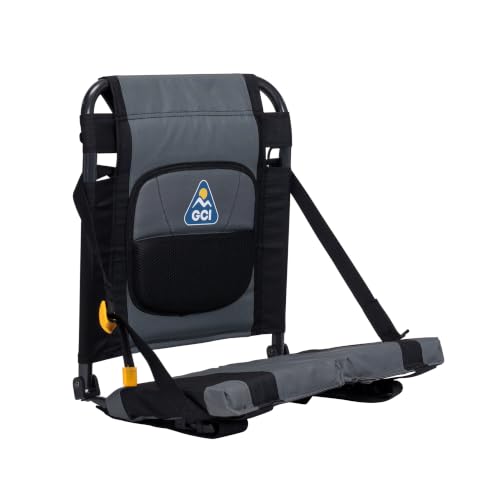


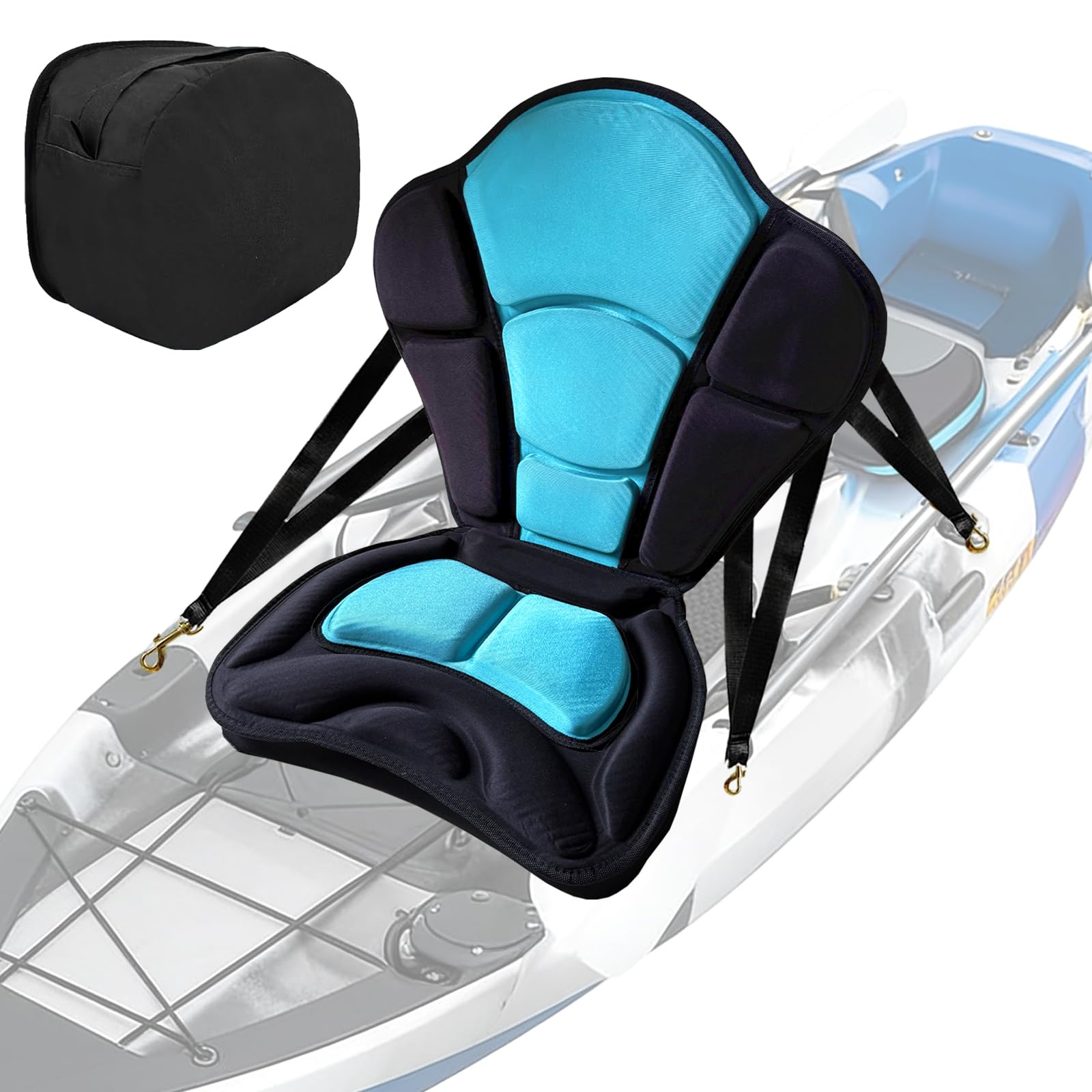
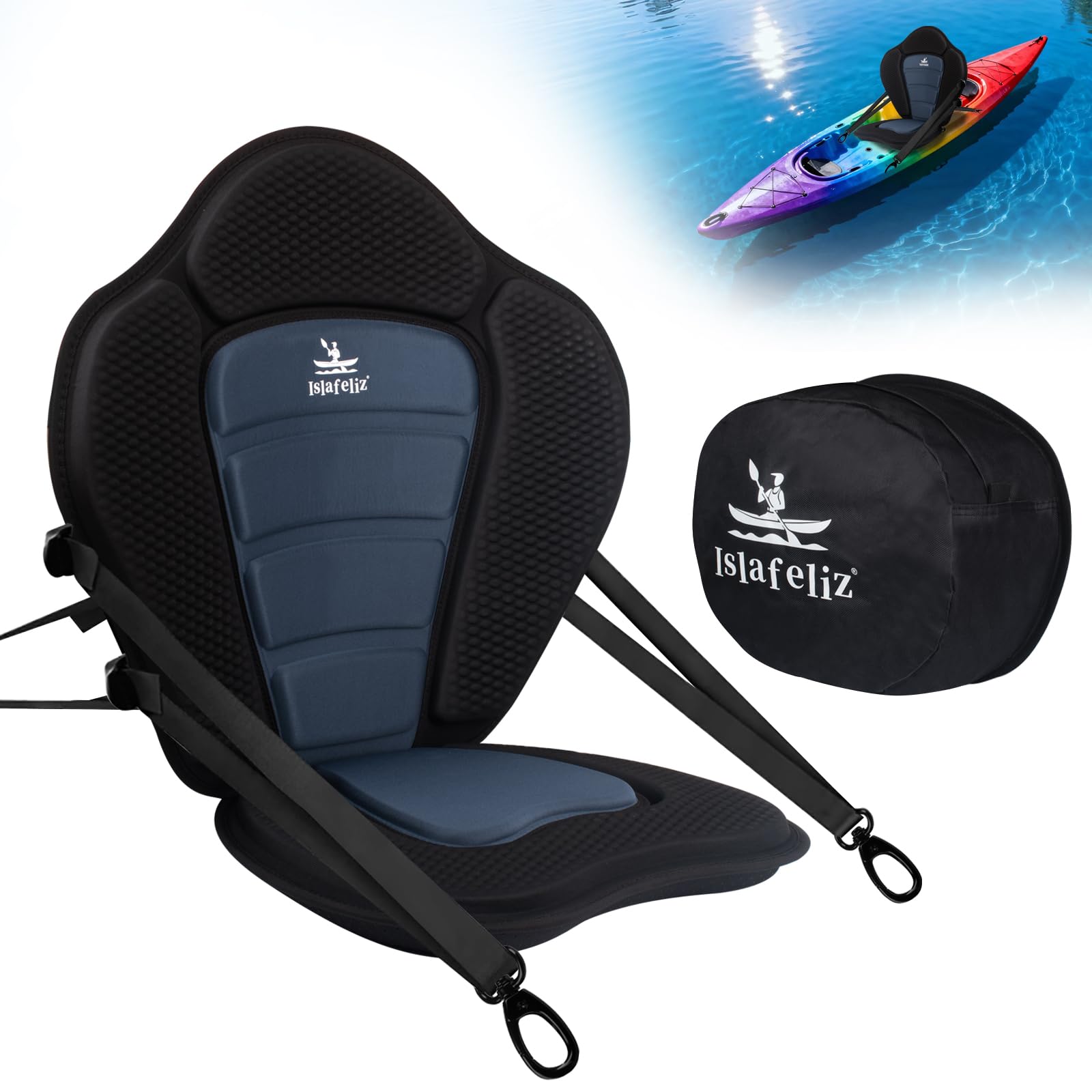
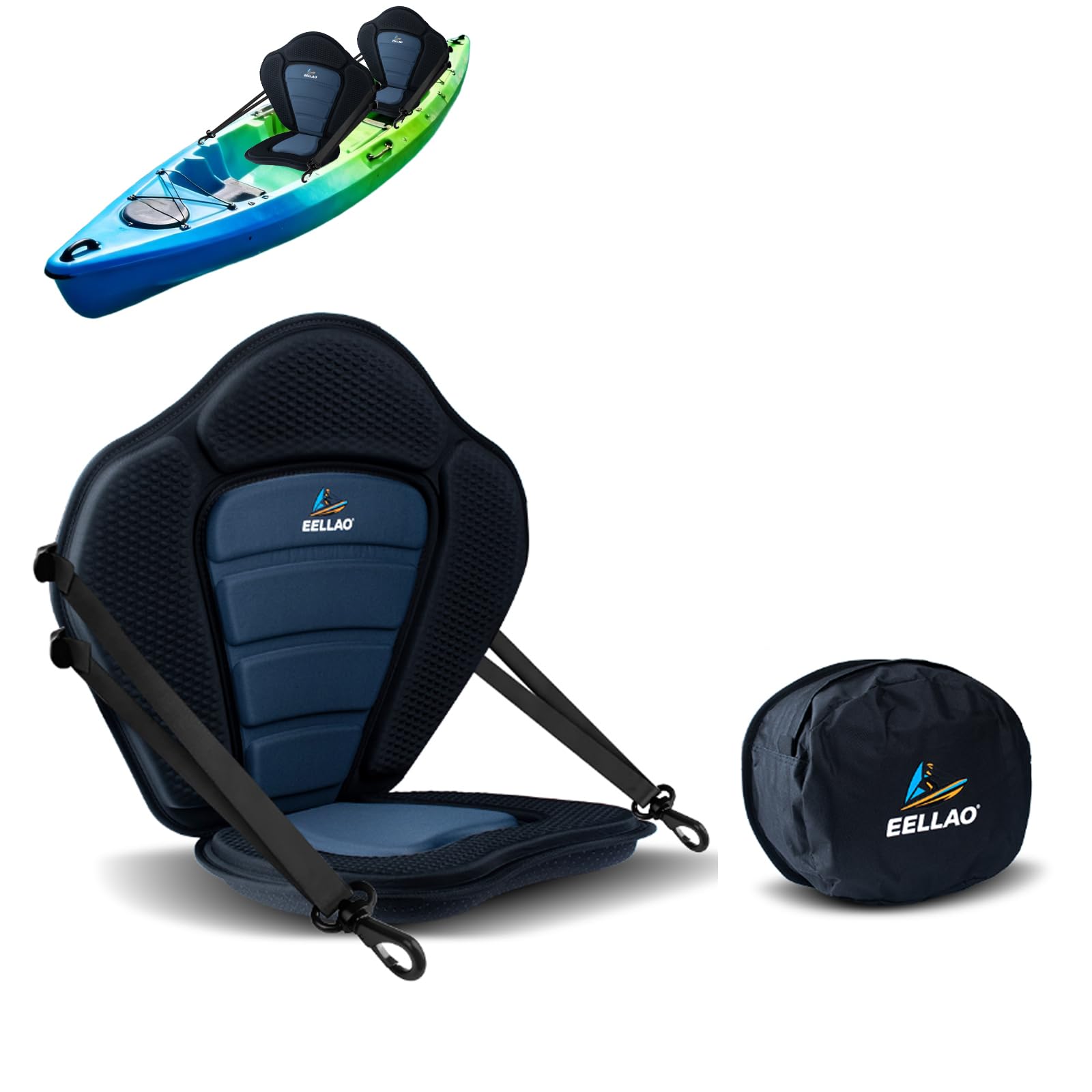
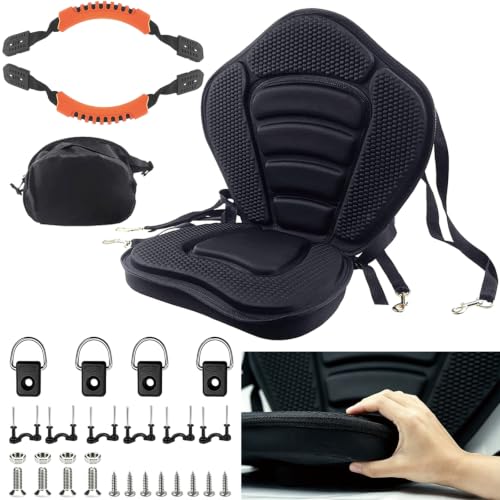


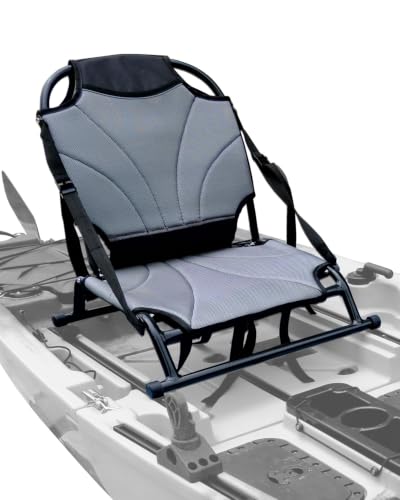
What Each Price Level Buys You
Nearly all of the best canoe chairs are seats or seat backs that mount to the bench you already have, so the tiers below are about support and build, not about the canoe itself. As price climbs, padding gets thicker, frames move from fabric only to metal, and attachment straps grow longer and stronger.
Under About $40: Cushions and Simple Seat Backs
At this level you get a foam cushion, a folding seat back, or a stadium style seat that straps under the bench. Back support is mild, frames are fabric and plastic, and most models weigh under about 2 pounds. These seats suit short fishing trips and calm lake outings where you sit for an hour or two at a time.
The trade off is durability. Thin webbing straps and basic stitching usually show wear first, so check both before each season.
About $40 to $90: Framed Seats With Real Support
This is where a canoe chair starts to feel like furniture rather than a pad. Expect a metal frame, a taller back with some lumbar shaping, padded armrests on some models, and straps that buckle around the bench instead of tying. Weight rises to about 3 to 5 pounds, still easy to carry with the canoe on a short portage.
For most paddlers who spend three to six hours on the water, this tier covers the comfort gap without paying for extras.
Above About $90: Stiff Frames and All Day Builds
Premium seats add rigid frames that do not flex as you lean into a stroke, thicker closed cell foam that keeps its shape, and hardware built for salt water or constant sun. Some add rod holders, storage pockets, or a swivel base for fishing. Prices reach about $100 at the top of this range.
The gains are real but narrow. You are paying for stiffness, tougher fabric, and longer service life rather than a different kind of seat.
Features Worth Paying For (and Ones to Skip)
Price alone does not sort the good seats from the poor ones. The checks below matter more than the tier label, and each one explains where money helps and where it does not. Note that a canoe seat is its own class of gear: it straps to a bench and sheds water, unlike the padded seats in our guide to best office task chairs, which are built for desks and dry floors.
Back Support Comes First
A canoe chair earns its price through the back it gives you. Stated plainly, back support governs how long you can paddle before your posture collapses and your stroke weakens. Look for a back tall enough to reach your shoulder blades, with firm padding low down where your spine curves inward. Soft, low backs feel fine for twenty minutes and then quietly stop helping.
Adjustable back angles help on long crossings, while a rigid upright back suits fishing, where you sit still and turn often.
Fit on the Bench: Width, Straps, and Hold
Every canoe chair mounts to a bench seat, so measure your bench before you buy: its width across the top and its depth from front edge to back edge. A seat base that overhangs the bench will rock, and one far narrower wastes the support you paid for. Straps do the real holding work, so choose long straps with metal or heavy plastic buckles that cinch tight and stay put when wet.
Clips and clamp mounts hold firmer than straps alone but fit fewer bench shapes, so straps remain the safer first buy.
The Weight You Carry Between Lakes
Canoe trips rarely end at the launch. On any route with a portage, you carry the canoe, the pack, and the seat, so the weight class of the seat governs how the portage feels at the far end. Cushion seats stay under about 2 pounds, framed seats run about 3 to 5 pounds, and swivel fishing seats can pass 7 pounds. If your trips involve long carries, stay in the lighter classes and give up the swivel.
Fabric, Foam, and Drainage
A canoe chair lives wet. Mesh panels and open weave fabrics drain fast and dry on the drive home, while solid foam cushions can hold water and grow mildew if stored damp. Closed cell foam resists soaking and keeps its shape for years; cheap open cell foam flattens within a season or two. Dark fabrics hide stains but heat up in direct sun, so pale colors feel cooler on summer lakes.
Frame Build and Warranty Basics
Frames are fabric only, plastic, or powder coated steel and aluminum. Metal frames cost more and weigh more, yet they survive being sat on at camp and tossed into a truck bed. Check the warranty before you pay premium money: a frame covered for several seasons signals a maker that expects the seat to last, while a short warranty on a costly seat is a warning sign.
Extras You Can Safely Skip
Skip oversized armrests that crowd your paddle stroke, seat heaters and battery gadgets that add failure points on the water, and gel pads that soak up lake water and stay heavy. A simple, well fitted seat with strong straps beats a gadget loaded seat on almost any trip.
Long Term Costs to Factor In
The sticker price is not the whole cost of owning a canoe seat. Replacement strap sets run about $10 to $20, and a seat with replaceable straps can serve for many extra seasons. Foam is the other wear item: once a cushion stays flat after a night of rest, support is gone and the seat needs replacing.
Readers weighing long term value sometimes cross shop our guide to best quality chairs for the house, but on the water, drainage and strap hardware decide value instead. Rinsing salt and sand off buckles after each trip, and storing the seat dry and out of the sun, stretches every tier further than the price suggests.
Canoe Chair Questions Answered
How long should a good canoe chair last?
A good canoe chair should last about four to six seasons of regular use. Framed seats at the higher price levels often go longer because their straps and buckles can be replaced when they wear. The usual failure points are flattened foam, frayed webbing, and cracked plastic buckles, in that order. Storing the seat indoors and rinsing grit out of the buckles after muddy launches slows all three and can add a season or two of service.
Which canoe chair features matter most on long paddling days?
Back height and strap security matter most on long days. A back that reaches your shoulder blades keeps your posture tall when your arms tire, and tight straps stop the seat sliding as you shift weight through each stroke. One point the price tiers above do not stress: carry a small dry bag for the seat on rainy drives home, because a seat stored wet in a trunk loses foam life faster than one used hard but dried well.
Is an expensive canoe chair worth the money?
It is worth the money only if you paddle long hours or portage often. Premium prices buy stiffer frames, foam that keeps its shape, and hardware that resists rust, and those gains show up after the third hour, not the first. Casual paddlers who fish calm lakes for an hour at a time get nearly the same comfort from the middle tier, and the savings buy a better paddle, which improves every single stroke.
How do I check whether a canoe chair fits my canoe bench?
Measure the bench across its top and from its front edge to its back edge, then compare both numbers with the seat base dimensions on the product page. The base should sit fully on the bench with no overhang at the sides. Also check strap length: the straps must wrap under the bench and back up to the buckle with a few inches to spare. If your canoe has molded seats instead of benches, look for seats made to strap over molded contours.
Can I use a canoe chair on shore or at camp?
Yes, most framed canoe chairs double as camp seats once you reach shore. The framed and cushion styles sit flat on grass or sand and give you a backrest beside the fire, which saves packing a second chair. Stadium style seats with hooks under the base work less well on soft ground, since the hooks dig in. Whichever style you own, shake out sand and let the fabric dry before you strap it back onto the bench.
Final Thoughts
Match the seat to your longest typical day, not your shortest. Back support, a bench fit that straps down tight, and a weight you can carry decide how the best canoe chairs feel in real use, and the product table above shows how those traits stack up across the price levels. Pick the lowest tier that covers your hours on the water and spend what is left on the paddle.