
Best Canister Steamer Cleaners: A Complete Buying Guide
Disclosure: We may earn a commission when you buy through links on this page, at no extra cost to you. As an Amazon Associate we earn from qualifying purchases. Learn more
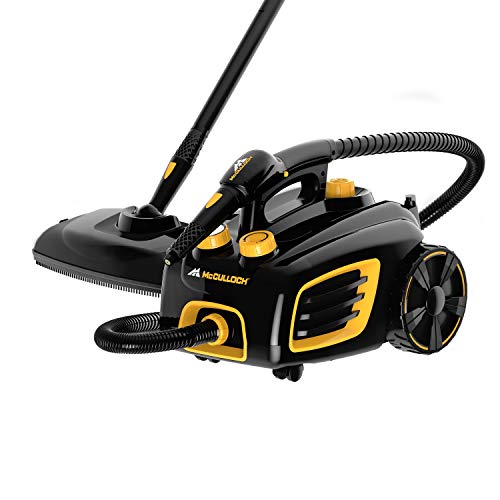
If your cleaning routine involves a rotating cast of sprays, wipes, and scrub brushes, a steam appliance can cut that list down fast. Shopping for the best canister steamer cleaners usually starts with a simple question: how much cleaning power do you actually need for your home? These larger, tank-based units are built to handle floors, grout, upholstery, and kitchen surfaces in one pass, using nothing but hot water and pressure. This guide walks through the specs that separate a genuinely useful machine from one that ends up in the closet, plus the tradeoffs worth knowing before you buy.


Tank Capacity and How Often You'll Need to Refill
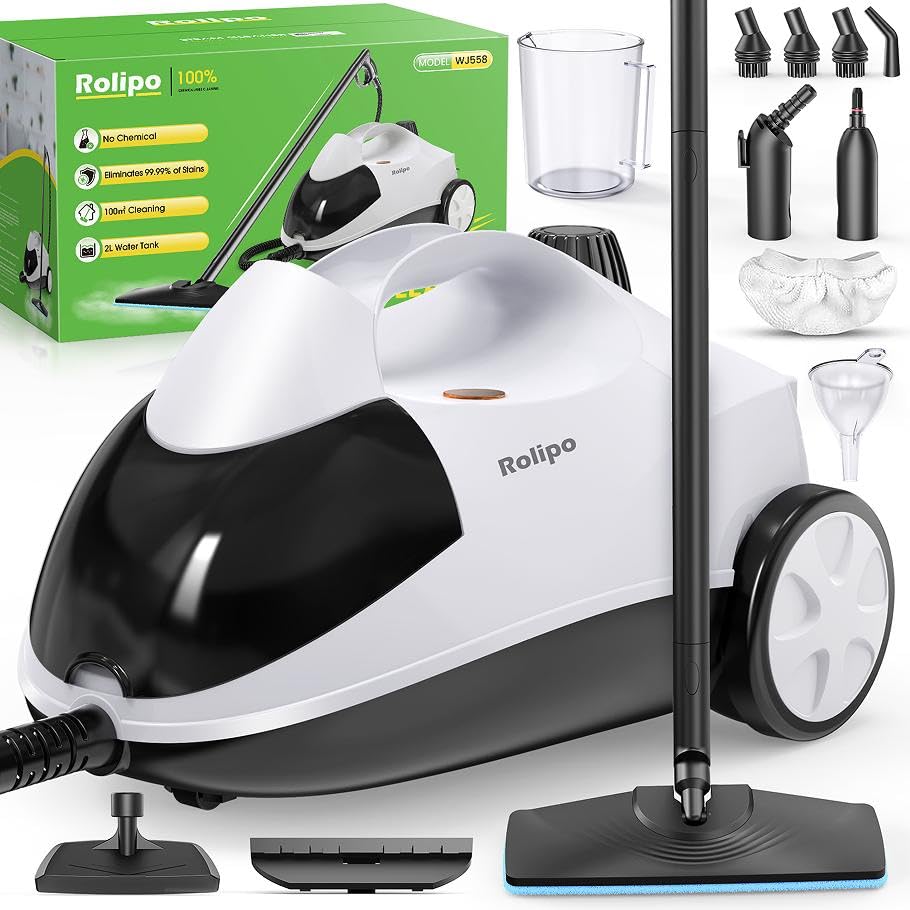
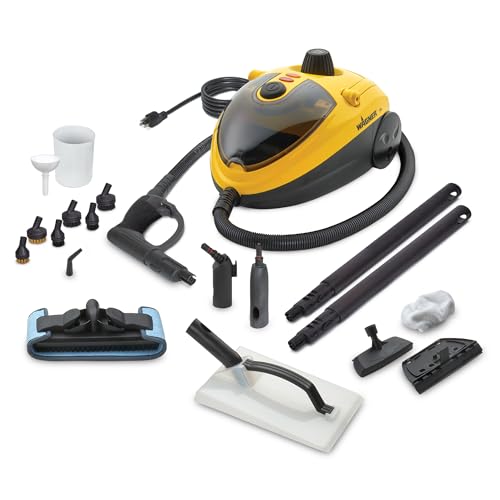
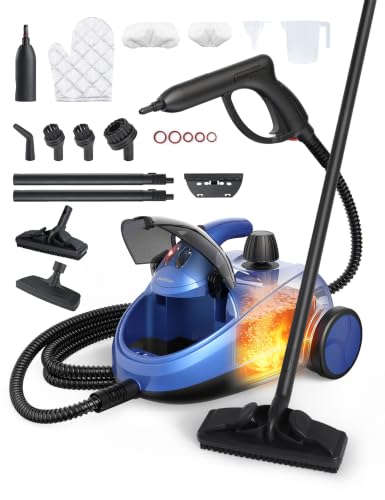
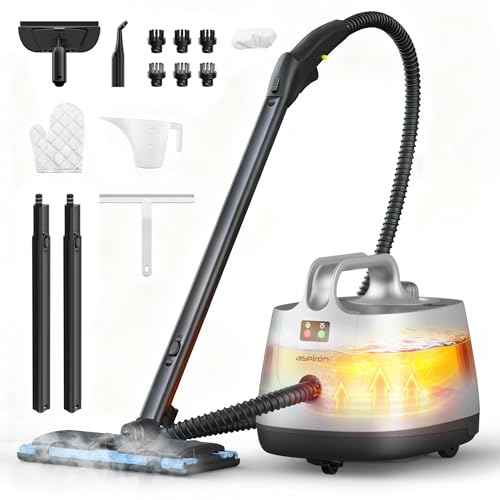
Tank size determines how long you can clean before stopping to refill, and it's one of the first things worth checking when comparing canister steamer cleaners. Smaller tanks around 30 to 40 ounces are fine for a single bathroom or kitchen, but they can run dry halfway through a bigger job. Larger tanks in the 48 to 64 ounce range let you cover multiple rooms without breaking your rhythm.
Why Bigger Isn't Always Better
A bigger tank also means more weight to push or carry, especially once it's full of water. If you're cleaning a small apartment or mostly spot-treating messes, a compact model with a shorter runtime might actually be easier to live with day to day. Think about where you'll store it too, since larger units take up more closet space than a steam mop built for floors alone.
Matching Tank Size to Your Home
For a full house with hard floors, tile, and a few upholstered pieces, aim for a tank rated at 30 minutes of continuous steam or more. Multi-story homes benefit from either a larger tank or a model with a fast, safe refill process, since hauling the unit up and down stairs to top it off gets old quickly.
Attachments That Actually Matter for Multi-Surface Cleaning
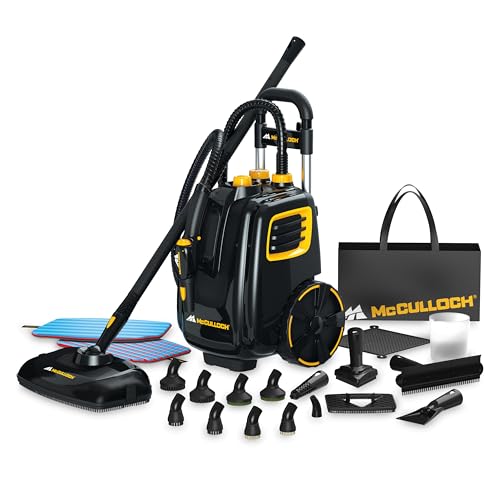
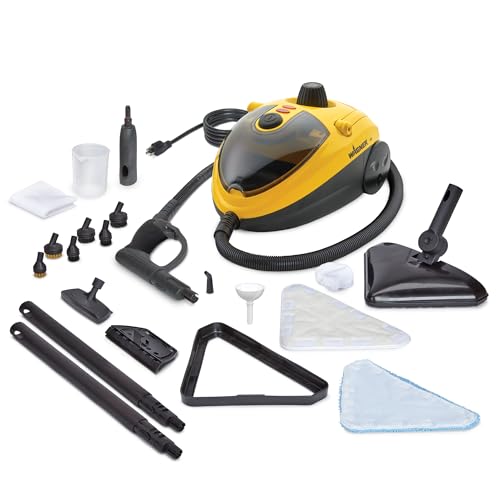
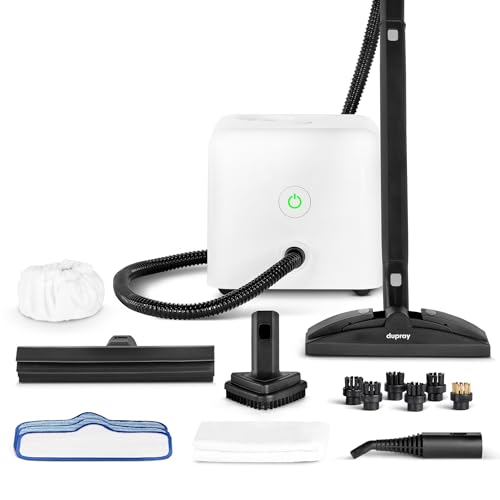
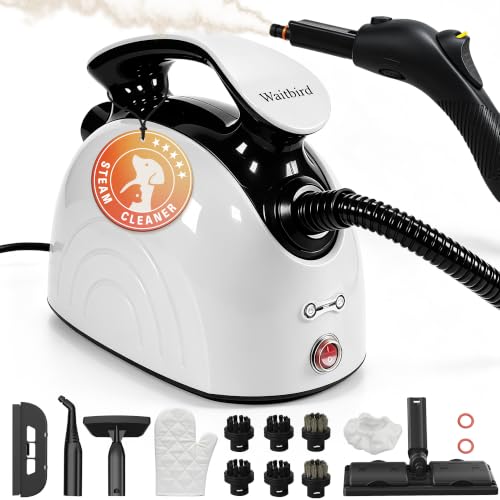
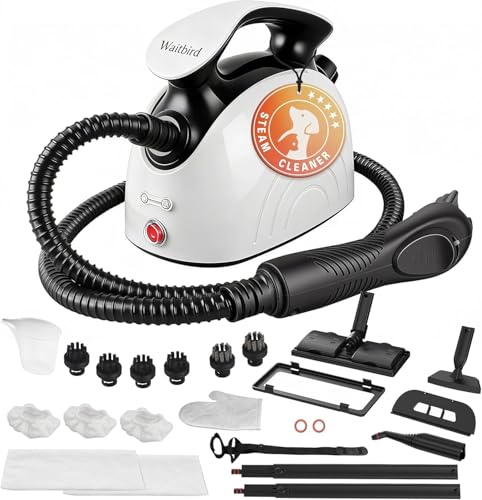
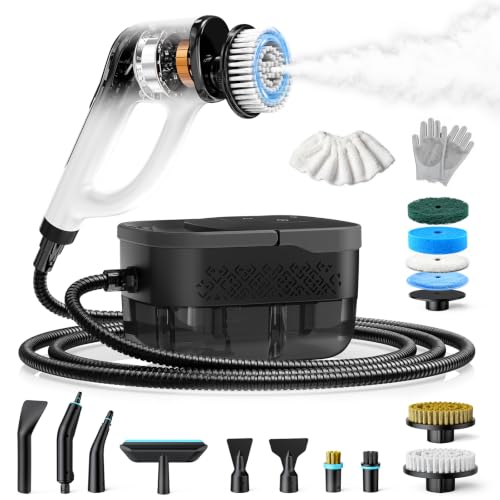
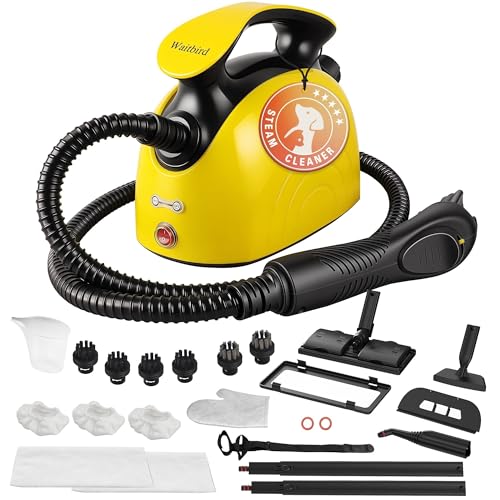
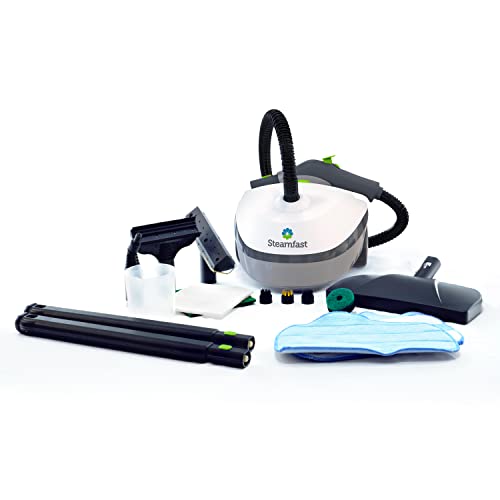
The whole appeal of canister steamer cleaners over a basic steam mop is versatility, and that comes down to the attachments in the box. A wide nozzle with a squeegee works well on windows and mirrors, while a small brush head is what actually gets steam into grout lines and tile grooves. Cheap plastic attachments tend to warp or lose their seal fast, so pay attention to build quality, not just the number of pieces included.
Floor and Grout Tools
Look for a floor head with a washable microfiber pad and a separate detail nozzle for corners and baseboards. If grout is a major reason you're shopping, a dedicated grout brush attachment with stiff bristles makes a noticeable difference over a general-purpose nozzle.
Fabric and Upholstery Tools
A fabric attachment with a removable cloth cover lets you steam couches, mattresses, and curtains without soaking them, which is something a general upholstery cleaner machine handles differently by extracting moisture rather than just applying heat. If you also deal with rugs or wall-to-wall carpet, check whether the attachment set includes a carpet glider, or whether you'd be better served pairing your steamer with a dedicated portable carpet cleaner for deeper stains.
Heat-Up Time and Steam Pressure
Nobody wants to stand around waiting for a machine to warm up before they can start cleaning. Heat-up times vary widely, from under a minute on higher-wattage models to ten minutes or more on budget units. If you tend to clean in short bursts between other tasks, a fast heat-up matters more than it might seem on paper.
What Bar Rating Really Means
Steam pressure is usually listed as a bar rating, and it affects how forcefully steam gets pushed into tight spaces like grout lines or fabric weave. A rating around 3.5 to 4 bar is generally enough for household jobs, including baked-on grease and grime in grout. Higher numbers can sound impressive in marketing copy, but pressure alone doesn't fix a poor attachment or a thin, unsealed hose.
Continuous Steam vs. Stop-and-Refill Models
Some machines let you refill the tank mid-clean without powering down or waiting for pressure to release, which is worth prioritizing if you have a larger home. Others require the unit to cool before you can safely add water, which turns a quick cleaning session into a much longer one. If refill downtime is a dealbreaker for you, confirm this detail before you buy rather than after.
Chemical-Free Cleaning: What Steam Can (and Can't) Replace
Heat alone can sanitize many hard surfaces, and steam reaching a high enough temperature has been shown to reduce common household bacteria without any added chemicals. That's a real benefit if you're trying to cut down on sprays around kids, pets, or anyone with respiratory sensitivities. It's also why steam has become a popular option for grout, countertops, and bathroom fixtures where scrubbing with chemicals gets tedious fast.
That said, steam isn't a universal replacement for every cleaning product in your house. It won't lift a set-in stain the way a targeted spot treatment can, and it doesn't leave behind any residue that continues working after you've moved on, the way some disinfectant sprays do. Glass and polished stone can also be sensitive to sustained heat, so check manufacturer guidance before steaming delicate surfaces. Used as one tool among a few rather than a total replacement, it earns its place fast.
Canister vs. Handheld: Which Style Fits Your Home
Handheld steam cleaners are smaller, lighter, and easier to grab for a quick spot clean, but they typically hold less water and offer fewer attachment options. Canister units trade some portability for a bigger tank, more attachments, and generally more consistent steam output over a longer session. If most of your cleaning involves whole rooms rather than small spots, the canister style usually wins out.
It's also worth separating this category from a garment steamer, which is designed to smooth wrinkles out of clothing rather than clean floors or upholstery. If your main goal is fabric care for clothes rather than home surfaces, a dedicated clothing steamer is a better fit than trying to press garments with a multi-surface unit built for cleaning.
Frequently Asked Questions
What is a canister steam cleaner used for?
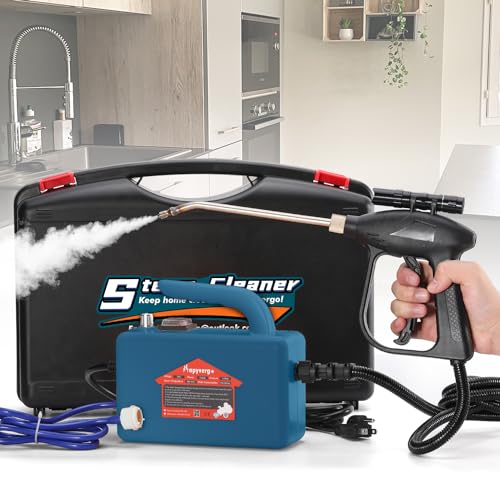
A canister steam cleaner is designed for whole-home, multi-surface cleaning, including hard floors, grout, tile, countertops, and upholstered furniture. The tank sits separately from the cleaning head, connected by a hose, which allows for a larger water supply and a wider range of attachments than a handheld unit.
Do steam cleaners actually kill germs without chemicals?
Steam that reaches a high enough temperature can reduce many common household bacteria on hard surfaces without added chemicals. Results depend on how long the steam contacts the surface and how hot the machine actually runs, so quick passes are less effective than a slower, deliberate application.
How long does the tank last before you need to refill?
Most canister models run somewhere between 20 and 60 minutes on a full tank, depending on capacity and how the machine is used. Larger tanks and models with a continuous-refill feature let you clean bigger spaces without interrupting your session.
What is the difference between a canister and a handheld steam cleaner?
Canister units are larger, hold more water, and typically include more attachments for different surfaces, while handheld models are smaller, lighter, and better suited to quick spot cleaning. The right choice depends on whether you're cleaning whole rooms regularly or just tackling occasional small messes.
Can you use a canister steam cleaner on hardwood floors?
Many canister steamers include a floor attachment safe for sealed hardwood, but excess moisture and heat can still damage some finishes over time. Always check the flooring manufacturer's guidance and use a well-wrung microfiber pad rather than letting steam pool on the surface.
Does hard water cause problems for steam cleaners?
Hard water can lead to mineral buildup inside the tank and heating element over time, which reduces steam output and can shorten the machine's lifespan. Using distilled or filtered water, or descaling the unit periodically, helps keep performance consistent.
Is a canister steam cleaner worth the money?
For households that regularly clean multiple surface types and want to cut back on chemical cleaners, a canister steam cleaner tends to pay for itself in convenience and reduced spending on disposable wipes and sprays. If your cleaning needs are limited to one small area, a cheaper handheld option or a dedicated steam mop may make more sense.
Making the Right Call for Your Home
Among the best canister steamer cleaners, the right pick comes down to matching tank size, attachments, and heat-up time to how you actually clean, not just which model has the longest spec sheet. A larger household with mixed flooring and fabric surfaces benefits most from a bigger tank and a full attachment set, while a smaller space might do just as well with a compact, faster-heating unit. Once you know which specs matter for your routine, narrowing down a model gets a lot easier.