Best Cangshan Knife Set: Which Model Fits Your Home (2026)
Disclosure: We may earn a commission when you buy through links on this page, at no extra cost to you. As an Amazon Associate I earn from qualifying purchases. Learn more

Not sure which Cangshan set to pick? Compare configurations by household size, space and budget.
Your old knives live in a crowded drawer, the block from a wedding gift takes up half the counter, and dinner for six still leaves you short of a clean blade. Choosing the best cangshan knife set for your home comes down to three things: how much space you can give it, how many people you cook for, and how much upkeep you will actually do. This guide sorts the lineup by those everyday factors.
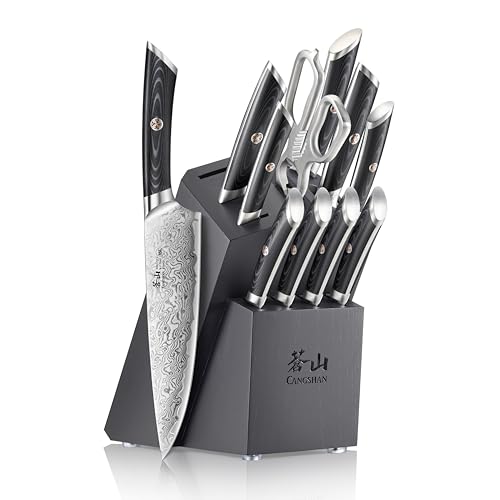
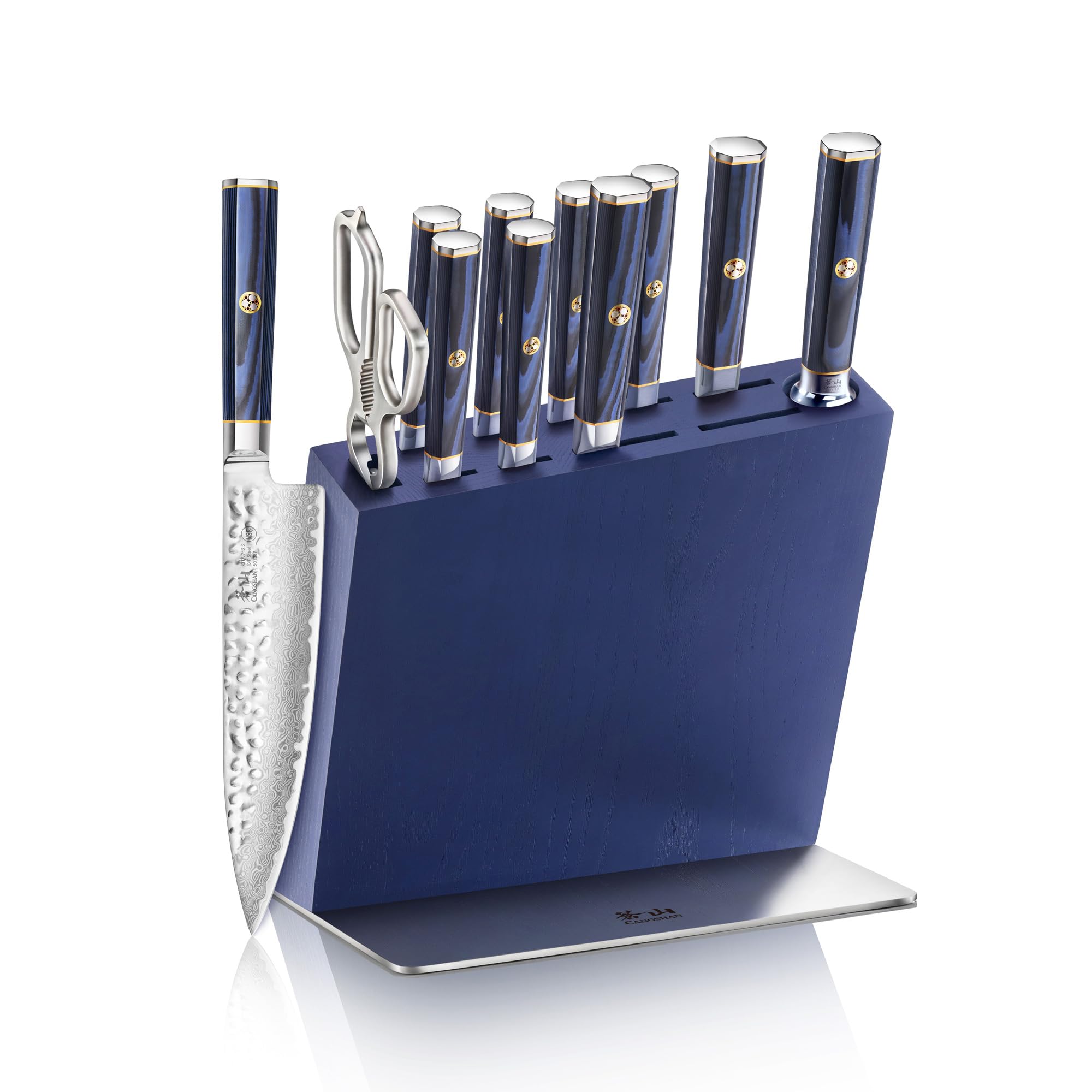
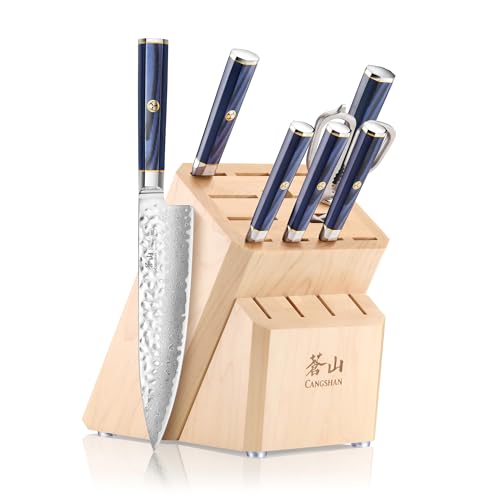
Cangshan sells many set sizes and styles that look similar at a glance, so the product table below is a useful starting point. Focus on the few knives you reach for daily rather than the largest piece count on the box.



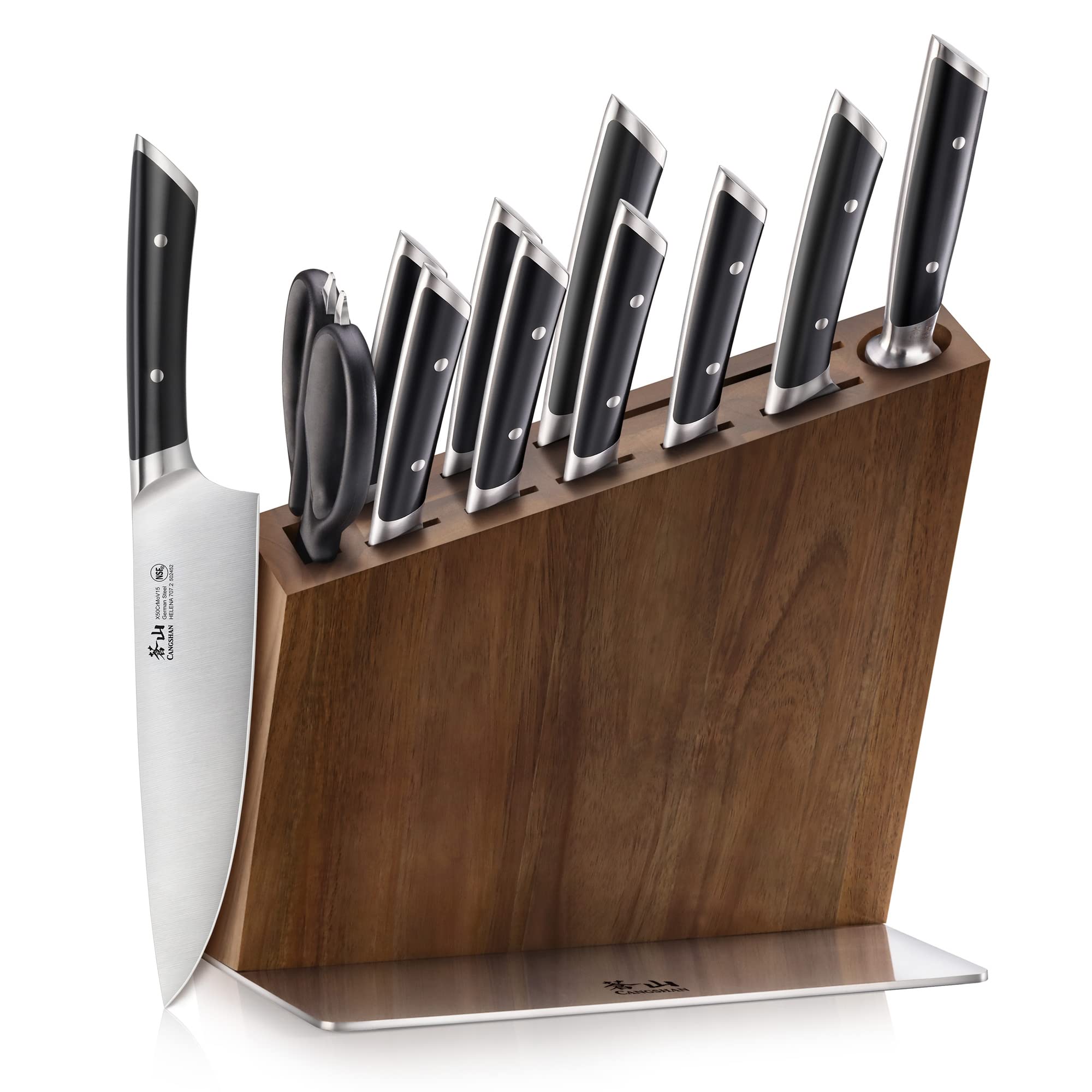

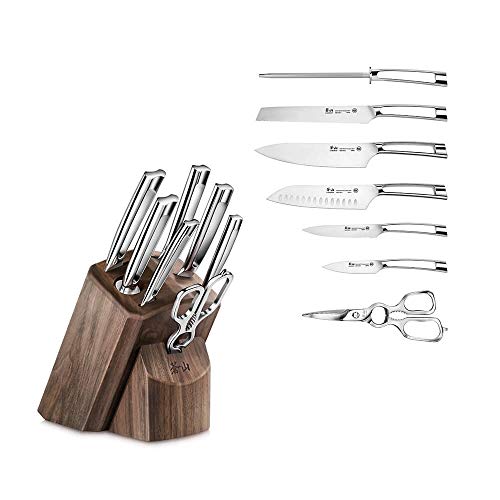

Quick Answer: Three Ways to Size a Set for Your Home
Match the set to your household first and your cooking ambitions second. Small homes do best with a compact set, most families land on a standard block set, and frequent hosts benefit from an expanded set with extra steak knives.
- Compact starter sets: about 3 to 7 pieces, suited to apartments, small counters and one or two cooks.
- Standard block sets: about 10 to 15 pieces, suited to families who cook most nights and want storage included.
- Expanded sets: about 17 to 20 pieces, suited to larger households and regular entertaining.
Before You Buy: A Quick Checklist for Choosing a Knife Set
The sections below walk through size, style, steel, shape, handle feel and budget in the order that matters for a home kitchen. Work through them before you compare finishes, because those details cannot fix a set that is the wrong size for your space.
Size: Match It to Your Space
Count the knives you used in the last week, then measure the spot where the set will live. A tall block needs clear space under cabinets, while a slim magnetic strip or an in drawer tray suits a small counter but needs a free wall or drawer. Piece counts include the block, shears and a honing steel on many sets, so a 15 piece set may hold only eight knives. If you are weighing block storage against other formats, our guide to the best block knife set explains footprint and placement in more detail.
Which Type Fits Your Routine
German style blades have a thicker spine and a curved edge that suits rocking through herbs and firm vegetables, and they tolerate rough handling well. Japanese style blades are thinner and lighter, with a straighter edge that suits push cutting and precise slicing, but they ask for more care on hard boards. Damascus pattern blades add layered looks without changing daily use much. Ceramic blades can feel sharp at first, yet they chip more easily, so steel remains the safer default for a main set.
Features Worth Paying For and Ones to Skip
Pay for the storage you will use, a honing steel, kitchen shears and a full set of steak knives only if your household eats steak or roasts often. A built in sharpener inside the block can help busy homes keep edges in shape with little effort. Skip duplicate specialty blades you cannot name a weekly task for, extra steak knives beyond your usual guest count, and roll bags or sheaths unless you plan to transport the knives. Decorative block finishes add cost without improving a single cut.
Steel Type and Hardness
Most Cangshan sets use stainless steel or high carbon stainless steel, which resists stains and needs less drying care than plain carbon steel. Hardness is listed in HRC, and kitchen knives commonly fall around 56 to 60 HRC. A higher number usually holds an edge longer but can be harder to sharpen at home. A slightly lower number sharpens quickly on a basic stone or rod. For daily family cooking, easy maintenance often matters more than the highest hardness figure.
Blade Geometry: German and Japanese Approaches
Geometry shapes how a knife moves through food. A wider German profile with more curve lets the blade rock without lifting the tip, which helps when you mince garlic or herbs in quantity. A narrower Japanese profile with a flatter edge and thinner grind glides through onions, fish and boneless meat with less wedging. Edge angles follow the same split, with Japanese edges usually ground finer. If that lighter, thinner feel appeals to you, compare the approach in our guide to the best japanese knife set before you decide.
Handle, Bolster and Balance
Hold the chef knife role in mind when you judge a set, because it does most of the work. The handle should fill your palm without sharp ridges, and the grip should stay secure when your hands are wet. A full bolster adds weight near the fingers and can feel reassuring, while a design with no bolster makes the full edge usable and simplifies sharpening. Balance near the pinch point, where blade meets handle, reduces wrist strain during long prep.
Realiztic Budget Ranges
Under about $50, expect a small starter set with basic steel and simple handles, fine for a first apartment. About $100 to $200 covers most standard block sets with better steel, a honing steel and steak knives, and this is where most families should shop. About $200 to $300 brings finer edges and nicer handles. Above about $300, you pay mainly for premium steel, finish and larger counts, so let household size set the ceiling.
Three Set Configurations Compared
Instead of ranking named models, compare the three configurations below. They cover the same buying factors in different proportions, so you can see which pattern fits your kitchen first.
Compact Starter Configuration for Small Kitchens
A compact configuration usually includes a chef knife, a utility knife, a paring knife and sometimes shears, with sheaths or a slim block for storage. It suits one or two people who cook simple meals and wash up in a small sink. You give up a bread knife and steak knives, which keeps cost and clutter low. Choose this pattern if counter space is your main limit and you rarely host.
Standard Block Configuration for Most Families
A standard block configuration adds a bread knife, a santoku or similar prep blade, six steak knives, shears and a honing steel to the core trio. The block keeps edges protected and everything in one place, which helps shared family kitchens stay tidy. It suits households of three to five who cook most nights. Choose this pattern if you want one purchase to cover weekday dinners and weekend roasts without buying extras later.
Expanded Configuration for Frequent Entertaining
An expanded configuration stretches to more steak knives, extra prep knives and sometimes specialty blades for filleting or carving. It suits large families and hosts who seat eight or more and prep big batches. The tradeoff is a larger block, a higher price and more pieces to wash, hone and store. Choose this pattern only if your guest count and cooking volume are high every month, not just on holidays.
How to Compare Cangshan Sets Fairly
Start with the maker listings for steel type, piece count and care instructions, then read buyer feedback for patterns that repeat across many owners, such as handle comfort or block size surprises. Weigh edge retention, balance, sharpness on arrival, maintenance effort and value as a group. If you are still deciding whether one brand is the right route, our broader guide to the best knife set puts Cangshan style sets in context.
The Cangshan Knife Set Lineup Explained
Cangshan organizes its sets largely by design family, with lines that lean German in profile, lines that lean Japanese, and lines built around a bold modern look. The differences you will feel are blade thickness, handle shape and weight, while the differences you will see are finish, block style and piece count. Two sets with the same count can suit very different homes if one spends its pieces on steak knives and the other on prep blades.
Households that cook a wide mix of food do better with a prep heavy mix, while households that serve sliced meat at the table get more value from extra steak knives. Small homes should favor lines offered in compact blocks or with sheath storage.
Common Mistakes to Avoid
- Buying by piece count alone: a large count padded with steak knives can leave you short of the prep blades you use daily.
- Ignoring block dimensions: a block that blocks cabinet doors or crowds the stove will annoy you every single day.
- Forgetting ongoing costs: a set that needs pro sharpening often or replacement steak knives adds cost you did not budget for.
- Choosing looks over grip: a sleek handle that slips with wet hands makes fast prep less safe.
- Putting good knives in the dishwasher: heat, detergent and rattling against other items dull edges and can crack handles.
Cost of Ownership and Care
Ownership cost stays low when you hone lightly and often, wash by hand, and dry each blade before storage. A honing steel and an occasional session on a stone or with a pro sharpener are the main upkeep expenses. To do the sharpening step correctly at home, follow our guide on how to sharpen kitchen knives and work slowly until the motion feels natural.
Storage protects both edges and fingers. A block, a magnetic strip or an in drawer tray keeps blades from knocking together, a common cause of small chips. Our guide on how to store kitchen knives compares these options by layout. Replace a knife when a chip reaches into the edge path or a handle loosens, because repair then rarely restores safe use.
FAQ
Are knife sets worth it for a home kitchen?
Yes, a set is worth it when most pieces match tasks you do each week and storage is included in the price. Buying the same knives one by one usually costs more and leaves you solving storage alone. A set is poor value when half the pieces duplicate each other. Count your weekly tasks first, then judge any set against that list.
How many knives should a kitchen have?
Most kitchens run well on three core knives, a chef knife, a paring knife and a serrated bread knife, plus a utility knife if you prep a lot of fruit and sandwiches. Steak knives are a separate count based on how many people sit at your table. More knives help only when each one has a distinct job. If two blades in a set overlap in size and shape, one of them will likely sit untouched.
What knives do I really need as a new cook?
Start with the core trio above and add pieces only after a month of real cooking shows a gap. New cooks often discover they need shears for packaging and herbs more than a specialty blade. A honing steel is worth having from the start, because even a great edge drifts with daily board contact. Building slowly this way keeps a small budget focused on quality where your hands spend the most time.
Is Cangshan a good knife set brand for everyday use?
Cangshan is a reasonable choice for everyday use because its sets cover a wide range of sizes, steels and price points under one brand, which makes comparing options simpler. The brand leans into design, so check that the handle shape you like also feels secure in use. As with any brand, the specific set matters more than the name. Match steel, geometry and piece mix to your routine rather than buying on looks alone.
Which Cangshan knife set should I buy first?
Buy the smallest set that covers your weekly cooking without leaving a clear gap. For most homes that means a standard block configuration, and for small kitchens it means a compact starter configuration. Choosing one size up makes sense only if you already host often or cook for five or more people. You can always add a single specialty knife later.
Final Thoughts
Look back at the product table above and narrow your choice to the configuration that fits your counter, your household and your budget. For most readers, the best cangshan knife set is the standard block configuration, because it covers daily prep and family meals without wasted pieces. Small homes will be happier with the compact pattern, and frequent hosts can justify the expanded one. Pick by routine, care for the edges by hand, and the set should serve your kitchen well for years.