Best Camping Sandals 2026: How to Choose Camp Sandals
Disclosure: We may earn a commission when you buy through links on this page, at no extra cost to you. As an Amazon Associate I earn from qualifying purchases. Learn more

Choose the best camping sandals by sole grip, foot support, drying time, and fit for trails, rivers, and camp evenings.
Finding the best camping sandals means balancing grip for trails, quick drying for river crossings, and comfort for long evenings at camp. A good pair lets you wade a stream, walk to the wash block, and relax by the fire without changing shoes three times. The right choice depends on your terrain, your foot shape, and how much weight you carry. The comparison table below shows the main sandal types side by side.
Camping sandals differ from beach flip flops in support, sole grip, and strap security. A camp sandal should stay on your foot on uneven ground and dry fast enough to wear again the next morning. This guide covers soles, support, fit, and care so you can match a pair to your trips. Check the product table below when you want a quick recap of the types.
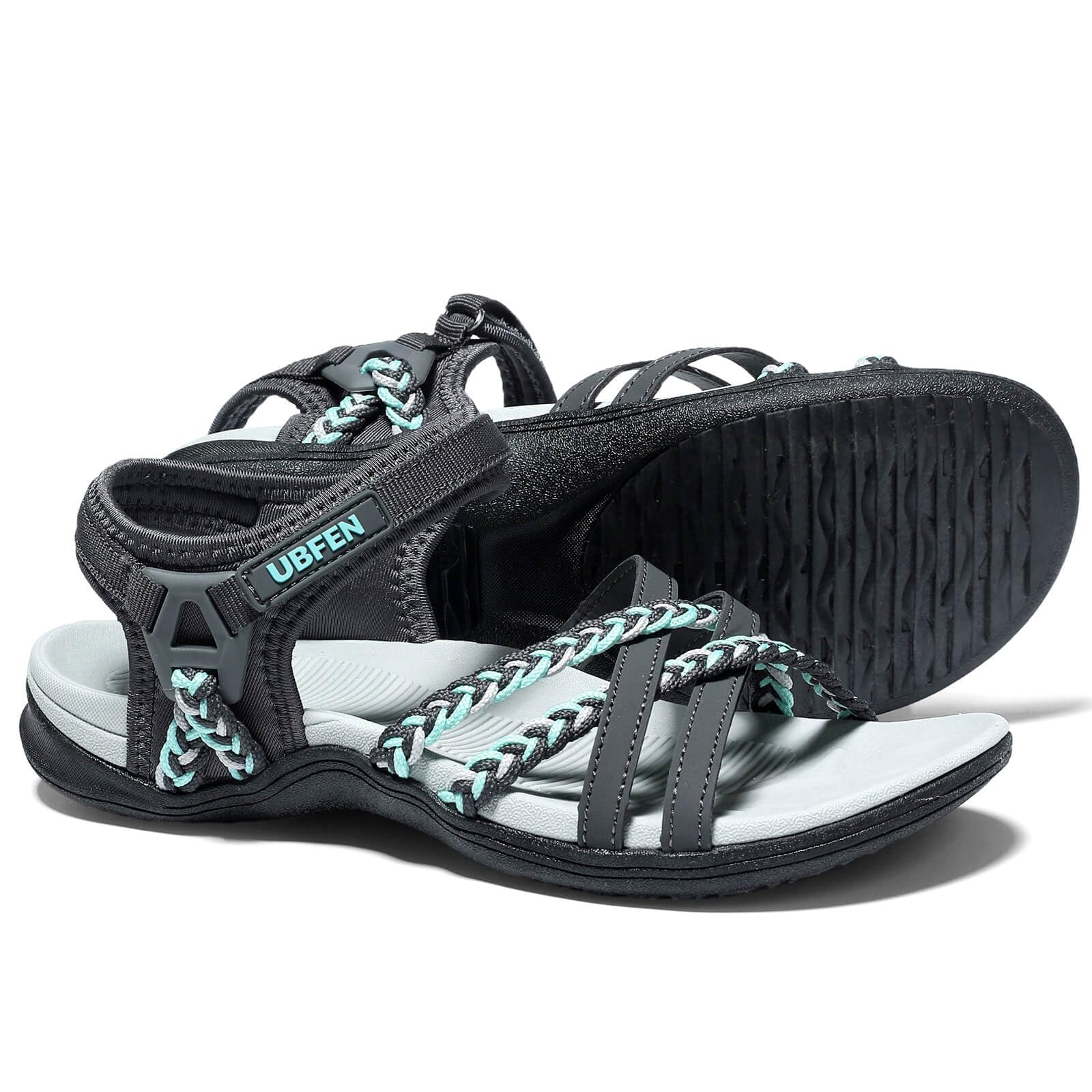
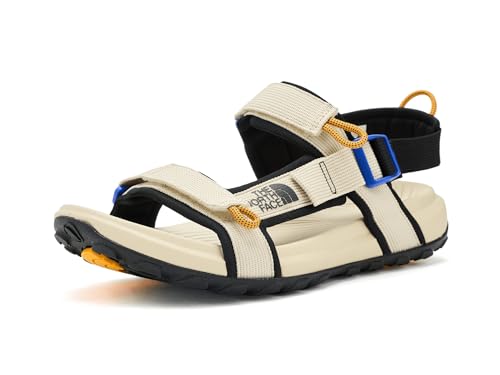
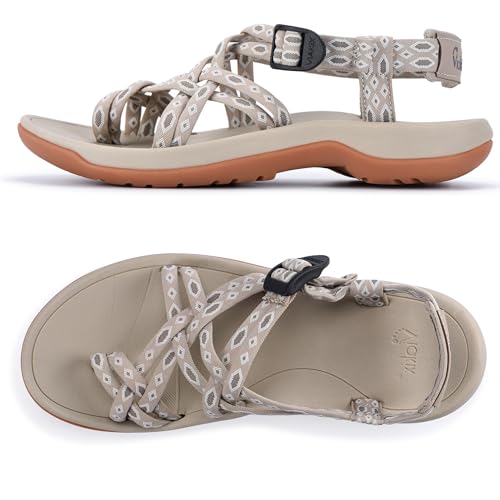
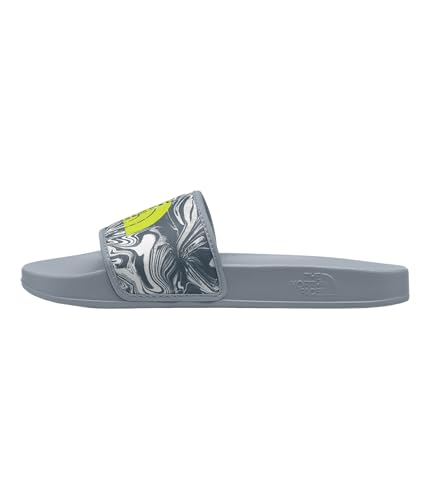

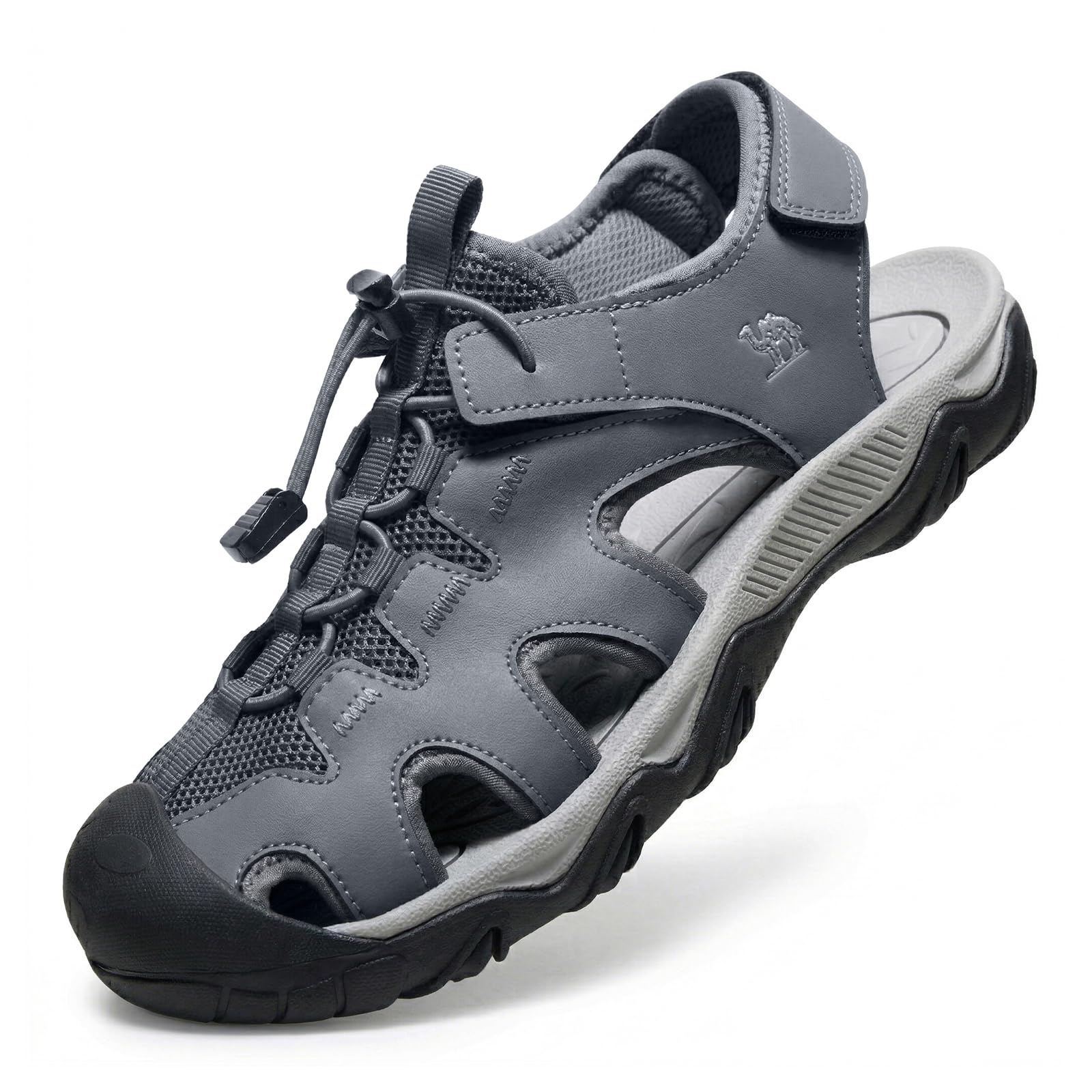
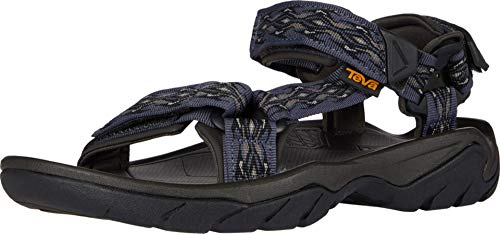


Best Camping Sandals: Soles, Grip, and Trail Safety
Sole grip matters most on wet rock, muddy paths, and dusty camp trails, where a smooth sole can slip without warning. Look for deep lugs and a rubber compound that stays grippy when wet, not just when dry. A slightly thicker sole protects feet from sharp stones and roots, while a very thin sole may feel every pebble on a long walk. Test grip on a wet surface at home if possible, since shop floors rarely show real trail behavior.
Toe protection divides camp sandals into open toe and closed toe designs, and the choice affects safety on rough ground. Open toes breathe better and dry faster, which suits gentle camp use and river edges. Closed toes shield toes from stubs and scrapes on rocky trails, at the cost of slower drying. If your trips include rocky paths, favor closed toes; for flat camps and water use, open toes may serve you well.
Foot Support and All Day Comfort
Arch support and a shaped footbed reduce tired feet on long camp days, especially when you stand cooking or walk between facilities. Flat sandals feel fine for an hour but can ache after a full day, so look for a contoured footbed rather than a flat slab. Cushioning should feel firm and springy, not soft and collapsing, since soft foam flattens under body weight on uneven ground. Heel cups that hold the foot steady also reduce sliding inside the sandal on slopes.
Strap design affects both support and blister risk, because straps that rub the same spot will sore feet by evening. Adjustable straps let you tune fit as feet swell in heat, which happens often on summer trips. Wide straps spread pressure better than thin straps, while padded straps help on longer walks. Try sandals with the socks you plan to wear, if any, since sock thickness changes fit a lot.
Water, Drying, and River Crossings
Quick drying materials matter when sandals get wet at river crossings or in sudden rain. Synthetic straps and footbeds dry within hours, while leather and fabric straps can stay damp until the next day. Drainage channels in the sole help water escape instead of pooling underfoot. If you wade often, choose sandals that you can rinse clean, since silt and sand wear straps and footbeds faster when left to dry in place.
River crossings need extra care, because current and slippery rock can surprise even strong walkers. Unbuckle or loosen straps before deep crossings only if you can do so safely, and keep a firm grip on a walking pole or a companion. After a crossing, rinse sandals in clean water to remove grit, and let them air dry out of direct sun. Never use camp sandals as your only footwear on a serious river route without checking local advice first.
Fit, Sizing, and Breaking In
Fit should leave a small margin at toe and heel without letting the foot slide forward on downhill paths. Feet swell in heat and on long days, so try sandals in the afternoon when feet are slightly larger. Adjust all straps before judging fit, since a loose ankle strap can make a good sandal feel sloppy. Walk indoors for an hour before a trip, and check for rubbing at the toes, ankle, and between straps.
Breaking in matters less for synthetic sandals than for leather, but new footbeds still need a few short walks to settle. Wear new sandals around camp on a short trip before a long hike, and carry blister care just in case. If a strap rubs in the same place after several wears, adjust it or consider a different model rather than hoping it improves. Comfort on day one usually predicts comfort on day five far better than brand promises do.
Weight, Packing, and Camp Care
Weight counts when sandals ride in a pack as second footwear, so check the pair weight rather than guessing. Light sandals pack flat or clip to a pack, while heavier hiking sandals may replace walking shoes entirely. If sandals are your main camp shoe, durability matters more than saving a few grams. A pair that lasts several seasons beats a lighter pair that splits at the sole after one trip.
Clean sandals after muddy trips with clean water and a soft brush, and dry them in shade rather than harsh sun. Sun and heat can harden some soles and fade straps over time. Store sandals dry and unbuckled so straps keep their shape. Prices range from about $25 to $120, with better grip and support at the higher end, so spend first on sole and fit rather than color or style.
Frequently Asked Questions
Can camping sandals replace hiking shoes?
Camping sandals suit gentle trails, camp life, and river edges, but they rarely replace hiking shoes on rough or steep ground. Ankle support, toe protection, and grip differ a lot, and heavy packs add strain that sandals handle poorly. Use sandals as camp and water shoes, and keep proper hiking shoes for rocky or long routes. If you hike in sandals, choose closed toe models with strong grip and test them on short walks first.
How should camping sandals fit?
Camping sandals should leave a small margin at toe and heel without letting the foot slide forward on downhill paths. Adjust every strap before judging fit, since a loose ankle strap can make a good sandal feel unstable. Try them in the afternoon when feet are slightly larger, and walk indoors for an hour to check rubbing. A good fit feels secure without pressure points, even after feet swell in heat.
Do camping sandals dry quickly after river crossings?
Synthetic camping sandals usually dry within a few hours in air, while leather and fabric straps take much longer. Drainage channels in the sole help water escape, and rinsing in clean water removes grit that slows drying. Dry sandals in shade rather than harsh sun to protect soles and straps. If you wade daily, choose quick drying synthetics and carry a dry pair for evenings at camp.
What sole grip should I look for?
Look for deep lugs and a rubber compound that stays grippy on wet rock and mud, not just on dry paths. A slightly thicker sole protects feet from stones and roots, while very thin soles transmit every pebble. Closed toes add protection on rocky trails, while open toes breathe better on flat camps. Test grip on a wet surface at home, since shop floors rarely show real trail behavior.
How do I stop camping sandals from causing blisters?
Adjust straps so the foot stays steady without pressure points, and break sandals in with short walks before a long trip. Wide padded straps spread pressure better than thin straps, and a shaped footbed reduces sliding that causes rubbing. Carry blister care on early trips, and change socks or dry feet when they stay damp. If one spot rubs after several wears, adjust the strap or try a different model.
Final Thoughts
Choose sandals by grip, support, and drying speed rather than looks alone, and fit them carefully with straps fully adjusted. Closed toes suit rocky trails, quick drying synthetics suit water use, and a shaped footbed keeps feet happier over long camp days. Break new pairs in on short trips before relying on them far from camp.
The product table above sums up the main types, so compare them once more before ordering. With the right sole and fit, the best camping sandals will carry you from trail to river to fireside without a second thought.
Related Buying Guides
For a closely related choice, see our guide to best sandals for plantar. You may also find our guide to best sandals for guys.