Best Camping Portable Charger: Types Compared for 2026
Disclosure: We may earn a commission when you buy through links on this page, at no extra cost to you. As an Amazon Associate I earn from qualifying purchases. Learn more

Compare power banks, solar chargers and power stations to find the best camping portable charger for your phone, light and trip length.
At a campsite the nearest wall outlet may be a long way off, yet your phone is also your map, light, camera and lifeline. The best camping portable charger keeps your devices alive for the whole trip, survives dust, damp and drops and recharges again before the next one. This guide compares the main types, explains the numbers on the label and shows how to match a charger to your trips.
Use the comparison table below to see the types side by side, then read on to work out how much capacity you actually need.
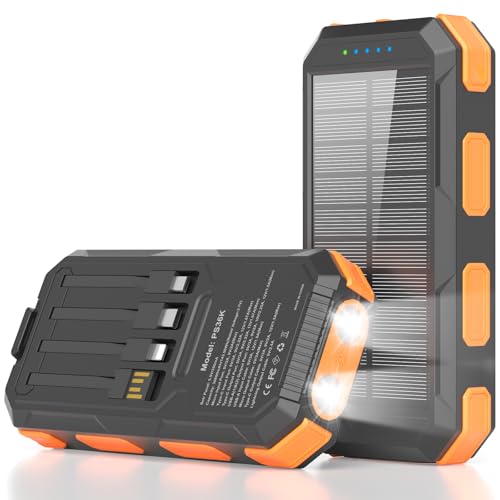
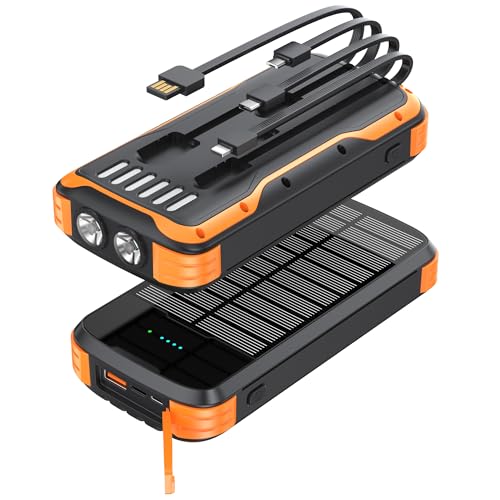
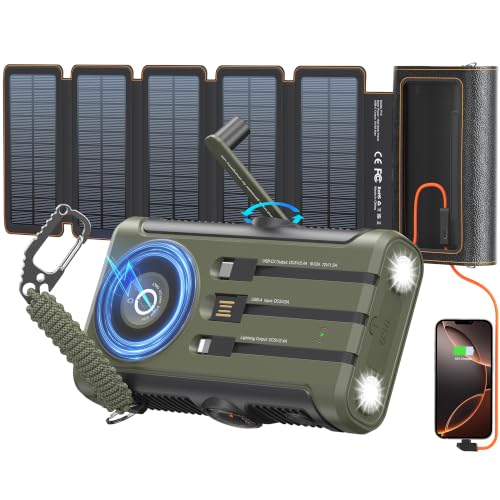

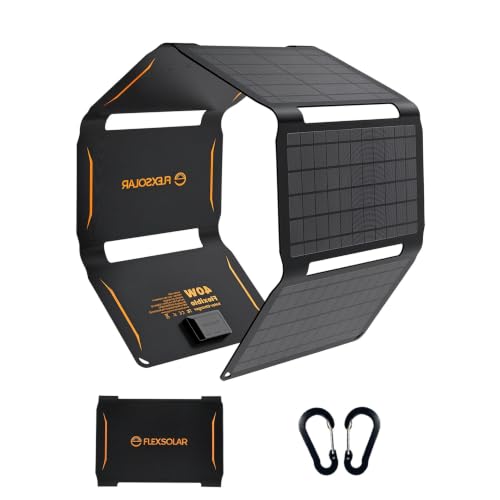
Camping Portable Charger Types Compared
Standard Power Banks
A power bank is a rechargeable battery with one or more USB ports. It is small, light and fills a phone several times. Most weekend campers need nothing more. Look for a sturdy case, a battery level display and at least one fast charging port.
Solar Power Banks
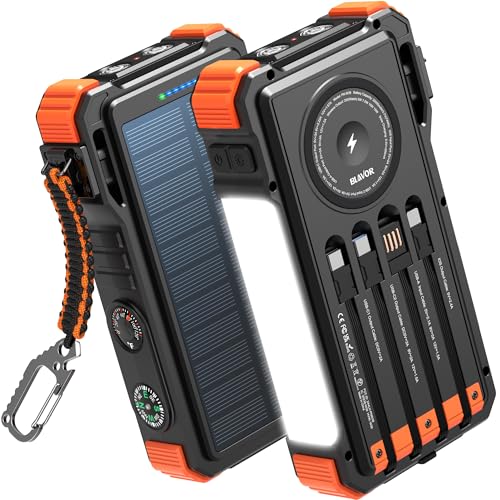
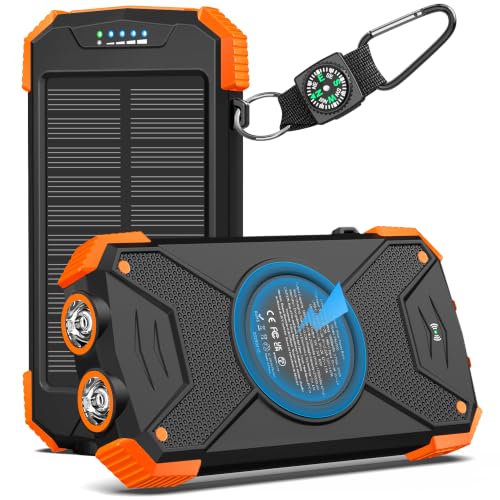
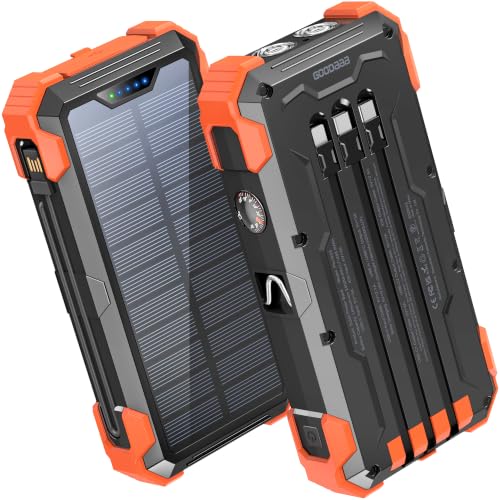
Solar power banks add a small panel to the top of the case. The panel gives only a slow trickle, so it works as an emergency top up on a sunny day rather than a main charging source. The real value is the battery inside, so choose one for its capacity and rugged build, and charge it from a wall or car before you leave.
Folding Solar Panels
Larger folding panels clip to a pack or a tent and charge a power bank or phone directly in good sun. They suit longer trips and base camps, but output drops sharply with cloud, shade and a poor angle. Pair one with a power bank so the panel can charge it during the day and you can charge devices at night.
Portable Power Stations
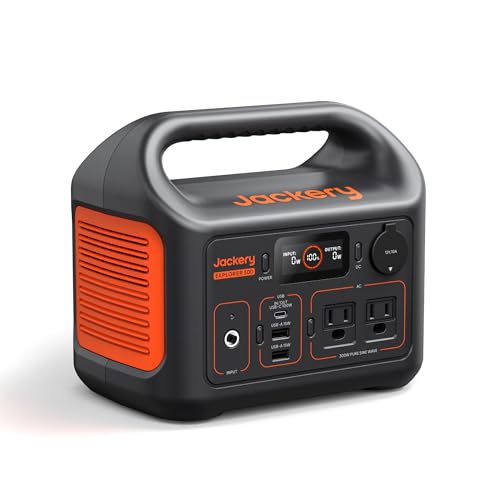
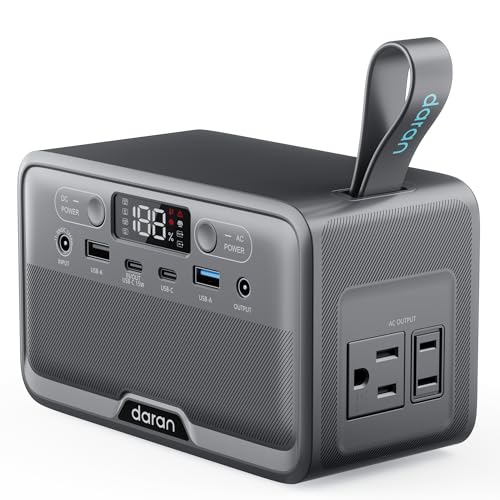
A power station is a large battery with household style outlets as well as USB ports. It can run a laptop, camp lights, a small fan or a camera battery charger, and it can be recharged by solar panels or a car outlet. It is heavy and expensive, so it suits car camping, group trips and anyone who needs more than phone charging.
Understanding the Numbers
Capacity in Milliamp Hours and Watt Hours
Capacity is listed in milliamp hours for small banks and watt hours for larger units. As a rough guide, a phone battery is a few thousand milliamp hours, so a 10,000 bank gives a couple of full charges, and a 20,000 bank gives around four. Real output is lower than the label because some energy is lost in conversion. Add up the devices you charge and how many times, then add a margin.
Output Speed and Number of Ports
Look for a port that matches your phone's fast charging standard and check how much power you get when two ports run at once. If you charge a headlamp, a phone and a watch, multiple ports save carrying several banks. A USB C port that handles both charging the bank and charging devices keeps your cable kit simple.
Weight and Pack Size
Capacity costs weight. A backpacker on a short trip can carry a slim bank, while a car camper can bring a bigger one. Check the weight in the listing and compare it with the number of charges you will really use.
Charging Time for the Bank Itself
A large bank can take many hours to refill from a slow USB port. If you will recharge from a car or a solar panel, check the input speed and make sure the cable and charger can deliver it.
Durability and Weather Resistance
Camping is hard on electronics. A rubberized case, covered ports and some water resistance help, but no portable battery should be left in standing water. Keep the charger in a dry bag in wet weather and out of direct sun inside a hot car.
Safety and Battery Care
Use cables and charging adapters that suit your devices, and avoid damaged cables. Keep power banks out of extreme heat and cold, and do not charge them on a bed or soft surface where heat could build up. If a battery swells, smells unusual or becomes very hot, stop using it and follow the maker's disposal guidance. Check the rules of airlines for large batteries before you fly with one.
In cold weather, batteries lose capacity, so keep the charger inside a jacket pocket or sleeping bag. Store power banks partly charged rather than empty or full for months.
Common Mistakes to Avoid
- Relying on a small solar panel as the main way to charge, then finding the bank empty after cloudy days.
- Buying on the label capacity alone without checking the weight or output.
- Forgetting to charge the bank before leaving home.
- Leaving the charger in a hot car or in direct sun.
- Carrying only one cable, which can fail on a long trip.
Frequently Asked Questions
How big a power bank do I need for a weekend?
For a phone and a headlamp, a 10,000 milliamp hour bank is usually enough for a weekend. For two or more people sharing, a 20,000 bank or a second small bank is safer. Add more if you use a GPS device or a camera.
Are solar chargers worth it for camping?
They are worth it as a backup or on longer trips with plenty of sun. They are slow, so do not rely on one alone. The best approach is a good battery bank charged before the trip, with a folding panel as a top up.
Can I charge a laptop from a power bank?
Some banks with high power USB C output can charge a laptop, but check the watt rating and the laptop's requirement. For regular laptop use, a power station is a better match.
Does cold weather affect portable chargers?
Yes. Cold reduces capacity and can slow charging, so keep the bank warm and charge devices from it inside your jacket or tent. Let a very cold battery warm up before charging it.
How long do portable chargers last?
A quality power bank lasts for several years of regular use, though capacity slowly drops with each charge cycle. Replace any unit that swells, overheats or no longer holds a useful charge.
Final Thoughts
Work out how many charges you need, choose a rugged unit with the right ports and charge it before you leave. The product table above helps you compare current options, and the best camping portable charger for your trips is the one that keeps your phone and light running to the last morning.