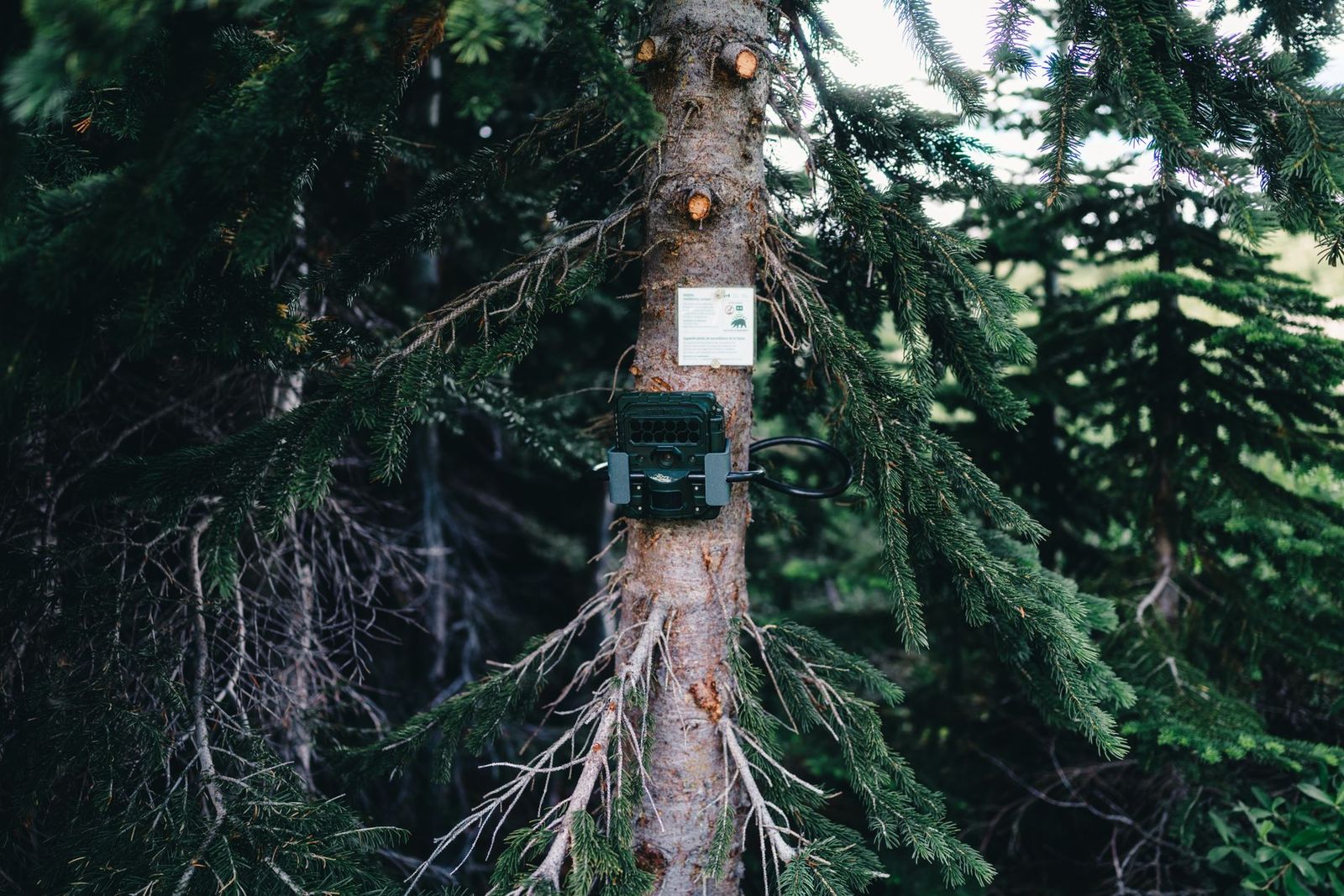
Best Camping Boots of 2026: Complete Buying Guide
Disclosure: We may earn a commission when you buy through links on this page, at no extra cost to you. As an Amazon Associate I earn from qualifying purchases. Learn more

Compare the best camping boots by fit, traction, cushioning, and waterproofing, with price bands and care tips to help you pick the right pair for camp.
Camp days ask footwear to do a mixed job: stand through cooking and washing up, cross wet grass at dawn, carry firewood over uneven ground, and stay comfortable all day. That mix is why the best camping boots are chosen by ground, weather, and hours on your feet rather than by trail specs alone.
This guide walks through who should buy which class, the factors that decide comfort, and the care habits that stretch a pair across many seasons. Start with the comparison table below.
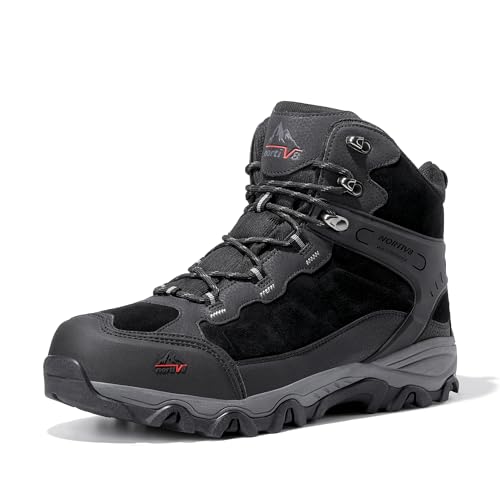
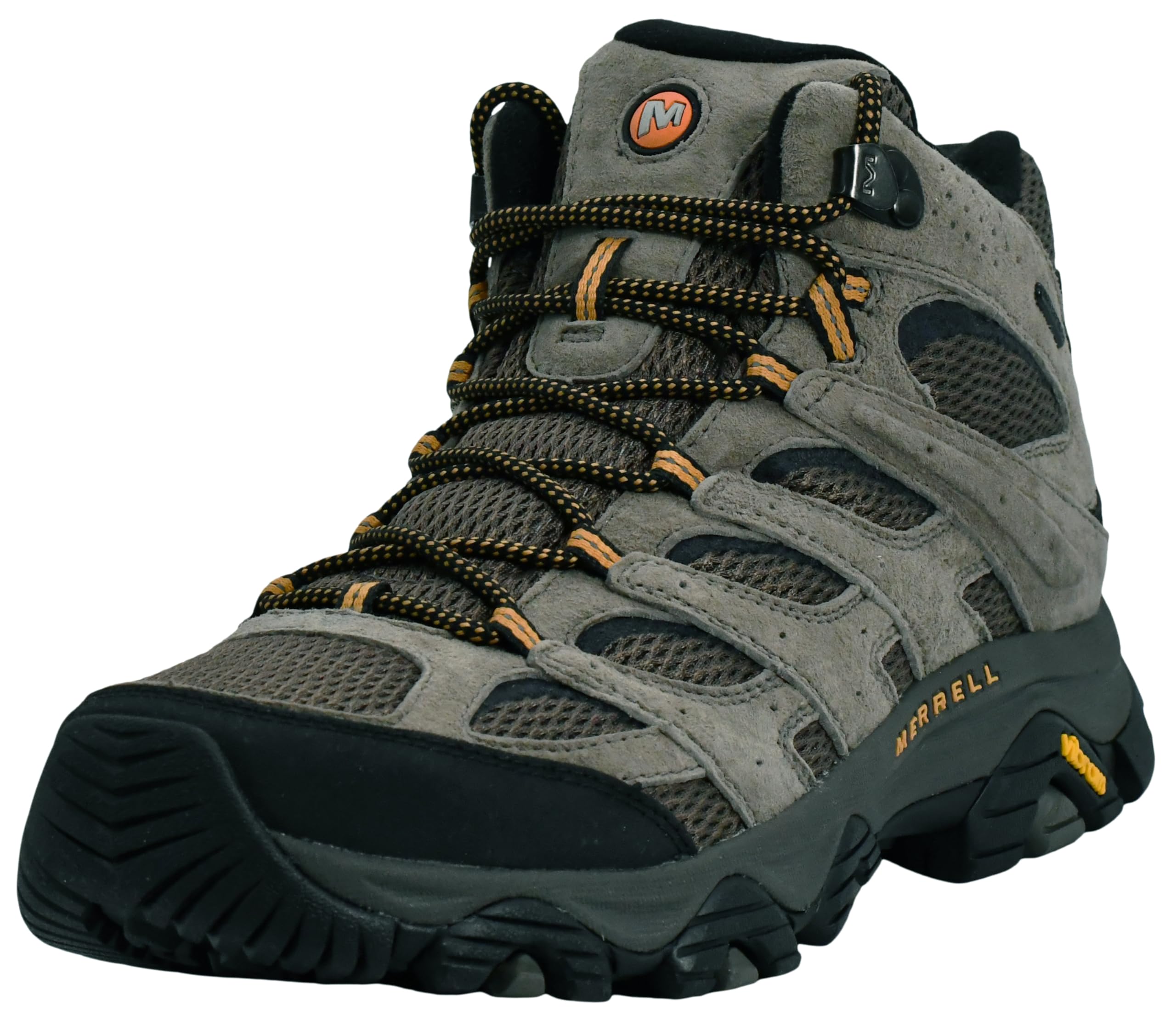
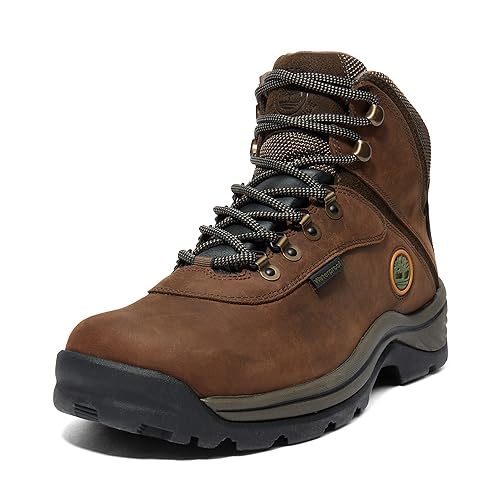

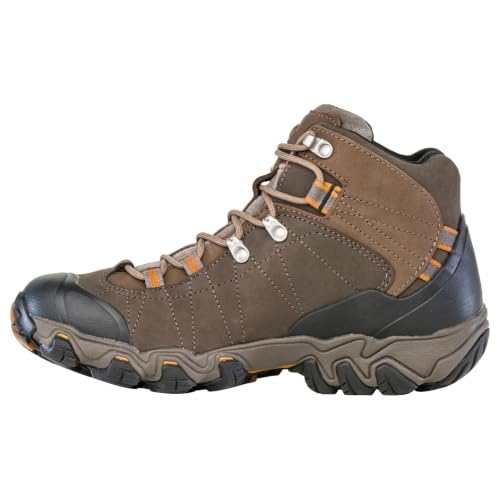
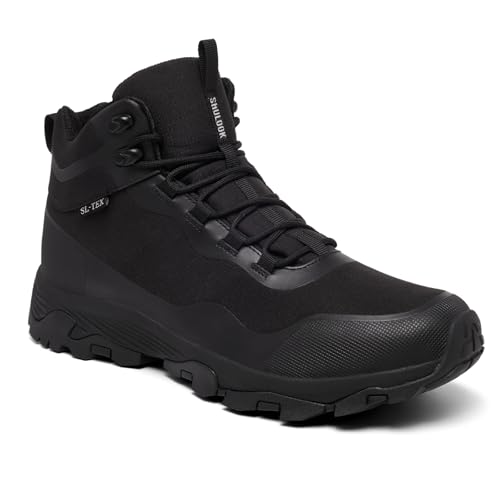
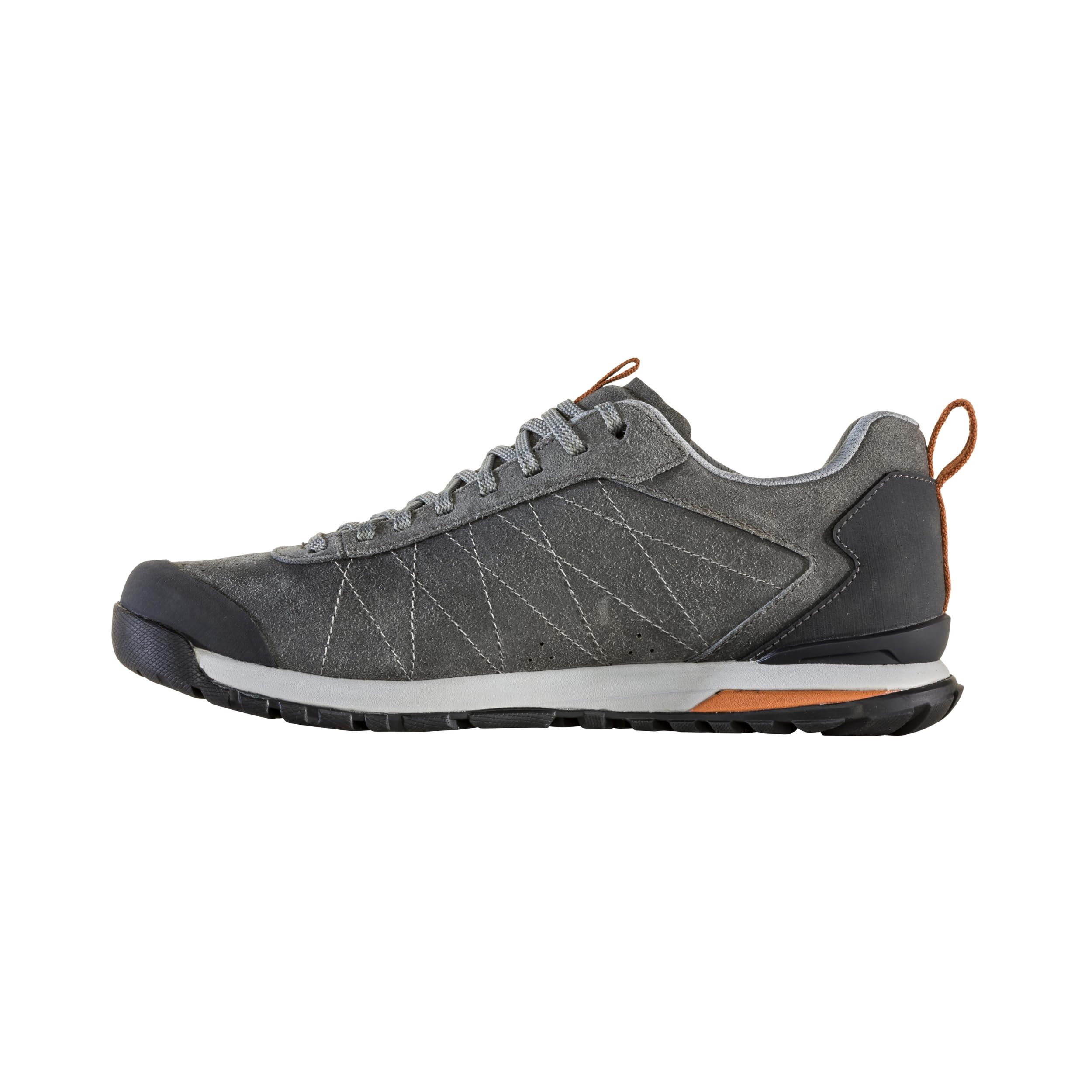


Who Should Buy Which Camping Boots
Car Campers Who Stay Near the Site
If your tent sits a short walk from the car, your boots work mostly within the site: standing on packed earth and wandering to the water tap. A low cut or mid cut class with generous cushioning serves this pattern best, because loads are light. Comfort while standing beats stiffness here.
Backpackers Who Walk to Their Camp
Walking in with a loaded pack changes the purchase. Ankle support, a firmer sole, and a secure heel fit protect you on the approach, and then handle camp chores in the evening. Choose a mid cut or high cut class with a structured shank, and size for feet that swell under a pack. Weigh the pair honestly.
Wet Weather and Cold Season Campers
If your trips run into rain, dew heavy grass, or shoulder season cold, waterproofing moves to the top of the list. A membrane boot with a high cuff keeps morning grass and puddles out, and a roomier fit leaves space for thick socks. A soaked, cold foot ends a trip early, so the breathability loss is a fair trade here. Dry summer campers can skip this class entirely.
How to Choose Camping Boots: A Buying Guide
Read a camping boot by the ground it will stand on. Campground ground is packed earth, gravel, grass, and muddy paths, which makes the camp class a lighter class than a true trail class: grip and standing comfort matter more than armor for rock. Choosing the best camping boots starts with that ground.
Fit, Sizing, and Toe Box
Measure and try boots in the afternoon, when feet are at their largest, and wear the socks you camp in. You want about a thumb width of space ahead of your longest toe, a heel that stays seated when you walk, and a toe box wide enough for your toes to spread while standing. Sizes vary between makers, so treat your usual number as a starting guess and judge by feel.
Outsole Traction and Terrain
Traction comes from lug depth and rubber softness working together. Lugs of about 3 to 5 mm bite into grass, mud, and loose gravel, while softer rubber grips wet stone better than hard compounds do. Widely spaced lugs shed mud instead of packing flat. Match the outsole to the slipperiest surface in your routine, usually wet grass on a slope.
Cushioning and Support
Around a campsite, the real load is standing. Cooking, washing, and tending a fire keep you upright on hard ground for hours, so read cushioning as standing comfort first. A moderate heel to toe drop suits most campers, and arch support should match your foot shape, not promise correction. Ongoing foot pain or numbness belongs to a clinician, not to a different boot.
Break In Period and Comfort Out of the Box
Most modern camping boots need only a short break in period of a few walks around the neighborhood, because modern uppers soften quickly. Full leather classes ask for more patience, often several outings before the ankle collar stops pressing. Test with a full hour of standing and walking at home in camp socks: hot spots indoors become blisters outdoors.
Waterproofing and Membranes
A waterproof breathable membrane decides the wet morning question. Dew soaked grass and shallow puddles stay outside the boot up to the height of the cuff, and water flowing over the top soaks any boot ever made. Membranes breathe less freely than mesh or leather, so feet run warmer in summer. Choose the membrane class if your ground is usually wet, and the breathable class if your trips are dry.
Durability and Expected Lifespan
A well kept camping boot class usually covers about 500 to 800 miles of mixed site and path use before the cushioning feels dead and the lugs wear smooth. Stitched uppers outlast glued ones, and leather uppers resist scuffs better than thin mesh. The midsole dies before the upper does, so a boot that feels flat underfoot is finished.
Types of Camping Boots
Low Cut Camp Shoes
Low cut shoes are the lightest class and feel like sturdy sneakers. They suit dry sites, short walks, and easy movement around the tent. The costs are ankle exposure on rough ground and the lowest water line of any class, so one deep puddle can soak them. For fair weather car camping, this is often the most worn choice.
Mid Cut Camp Boots
Mid cut boots are the middle class and the default recommendation for most campers. The cuff covers the ankle bone, adding ankle support and raising the water line against wet grass. They carry a day pack happily. Weight and warmth sit between the low and high classes, suiting the widest range of trips.
High Cut Boots for Rough Ground
High cut boots serve campers who walk in over rough approaches or camp on rocky, sloping sites. The tall, stiff collar protects the ankle under load and keeps debris out. In exchange you accept more weight, a longer break in period, and warmer feet at rest. On flat, groomed sites this class is simply more boot than the day requires.
Sandals and Recovery Footwear
A camp sandal or recovery shoe is a second pair, not a replacement for boots. Open footwear lets feet dry after hours in a closed boot and handles the shower block. Closed toe camp sandals protect against stubs on guy lines and stones in the dark. This class earns its space on longer trips, but it never carries a pack safely.
Care and Maintenance Tips
- Air dry wet boots away from direct heat, because heat cracks leather and warps sole adhesives.
- Brush off mud once it dries and rinse grit out, since dried grit works like sandpaper in the flex points.
- Rotate two pairs on longer trips, giving each pair a full day to dry and recover its cushioning.
- Lace with even tension and lock the heel on the top hooks to prevent the heel slip behind most blisters.
- Reproof membrane and leather boots when water stops beading, because a soaked outer layer blocks breathability.
Frequently Asked Questions
How should camping boots fit?
Camping boots should fit with about a thumb width of space in front of your longest toe, a heel that does not lift as you walk, and no pressure across the widest part of the foot. One check many campers skip is the downhill test: lace up, lean forward on a slope, and confirm your toes never strike the front of the boot, or downhill walks will bruise them.
Are expensive camping boots worth the money?
Expensive camping boots are worth the money when you camp often, walk in with a pack, or camp in wet seasons, because the extra cost buys stitched construction, better membranes, and longer lasting cushioning. A twice a year car camper gains little from the premium class. Below about four trips a year, the middle band at around $90 to $140 serves most campers fully; above that, durability starts paying for itself.
Do I need waterproof camping boots?
You need waterproof camping boots when your trips regularly meet wet grass, rain, mud, or stream side sites, and not for dry summer sites. A membrane keeps water out up to the cuff height but holds warmth in, so hot weather campers often prefer breathable boots that dry fast. A practical middle path is a breathable boot paired with waterproof socks for wet weekends.
How long does the break in period for camping boots last?
The break in period for most camping boots lasts two to four outings of an hour or so each. Synthetic boots often feel right after a single walk, while full leather classes can ask for a few weeks before the collar softens. If a hot spot remains after several outings, the fit is wrong rather than unfinished, and more wear will not fix a shape your foot disagrees with.
How often should I replace my camping boots?
Replace camping boots when the lugs have worn smooth at the heel and forefoot, the midsole feels hard and packed down, or the upper splits at the flex points, typically after about 500 to 800 miles of use. Camp only pairs may look nearly new while their cushioning is already dead, so judge by feel underfoot.
Can I wear camping boots all day around camp?
Yes, you can wear camping boots all day around camp, and a well fitted pair is built for that mix. Two habits make long days easier: loosen the laces fully when you sit for a long meal so your feet can spread and cool, and swap into camp sandals for the last hour of the evening. If your feet ache every evening anyway, the cushioning class is wrong for you.
The Bottom Line
Choose by ground first, fit second, and weather third. Match the class to your site, demand a thumb width of toe room and a seated heel, and let the membrane question follow your climate. Compare your shortlist against the product table above, and remember that the best camping boots are simply the pair whose fit and ground class match the camping you actually do.