
Best Camper Chairs by Budget for 2026
Disclosure: We may earn a commission when you buy through links on this page, at no extra cost to you. As an Amazon Associate I earn from qualifying purchases. Learn more

Compare the best camper chairs at every price point. Learn what you get at budget, midrange, and premium levels and where spending more pays off.
A camp chair can cost about $15 at a discount store or about $250 at an outdoor shop, and in a product photo the two look almost the same. The gap shows up on the second or third night, when a thin frame starts to flex, a cheap seat sags toward the ground, and standing up turns into a small workout. This guide sorts the best camper chairs into clear budget bands so you can see exactly what each step up in price buys in strength, fabric, and comfort.
Most buyers are car campers, RV travelers, and festival sitters who want a chair that survives a whole season rather than a single weekend. The comparison table below lines up the bands side by side, with packed size and rated capacity for each style. Read the tiers first, then use the feature sections to decide which upgrades matter for the way you actually camp, sit, and haul gear.





What Each Price Band Buys You at the Campsite
Chair prices cluster into three bands, and each band trades money for frame strength, fabric weight, and how the chair feels after two hours. Ratings and extras grow as you climb, but so does packed weight on many models. The right band depends on how far the chair travels from your car and how many nights it works each year.
Under About $40: The Basic Folding Chair
Chairs under about $40 use thin steel tube frames, single layer polyester seats, and simple riveted joints. Most fold into a slim carry bag, weigh around 6 to 9 pounds, and carry maker ratings near 225 pounds under ideal loading. For two or three weekends a year on flat ground, that build is honestly enough. The low price also means a lost or broken chair stings less.
The trade offs show up quickly with regular use. Seat fabric stretches and pools, the frame develops a wobble at the joints, and seat heights often sit low, around 14 to 16 inches, which makes standing up harder than it should be. Cup holders run small, padding is rare, and bright colors fade after one sunny season. Buy in this band for guests, kids, and spare seats rather than your own nightly chair.
About $40 to $90: Where a Chair Starts Feeling Solid
The middle band is where frames grow thicker, fabric doubles up at the seat corners and armrest mounts, and stitching stops looking like an afterthought. Aluminum appears on some frames, wider seats become common, and maker ratings climb toward 300 pounds. Leg locks, padded seat panels, and a usable cup holder or side pocket show up here without pushing into premium money.
For most car campers this band delivers the best value per season. A chair around $60 usually survives several years of weekend trips, feels stable on grass, and stays comfortable through a long evening. You still give up recline positions, footrests, and the longest warranties. Packed weight often rises to around 10 to 13 pounds, which matters only if you carry the chair any real distance.
About $90 to $200: Built for Every Weekend
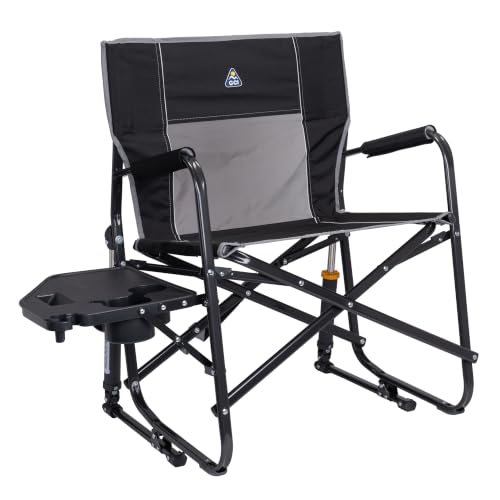
Premium chairs spend the money on aluminum frames that cut weight without giving up stiffness, heavier fabrics that resist stretching, and hardware you can actually inspect and tighten. Reclining backs, rocker style bases, and clip on footrests appear in this band, along with ratings around 350 pounds or more on oversized builds. Warranties stretch longer, and some makers sell replacement bags and parts.
What you do not get is a chair that lasts forever. Joints still wear, fabric still fades, and a rocker base that feels wonderful on a patio can dig into soft campsite soil. Past about $150, each extra dollar buys smaller gains. This band suits campers who sit out thirty or more nights a year, heavier users who need the stronger frames, and anyone tired of replacing a cheap chair every season.
Features That Decide Comfort and Lifespan
Price bands tell you the neighborhood, but five features decide how a chair feels and how long it serves. Check these before you pay for extras you will never notice.
Frame Material and Joint Strength
Steel frames cost less and feel rigid, but scratches invite rust and the weight adds up fast. Powder coated aluminum resists corrosion and can cut several pounds, which matters on any walk from the parking area. Either way, chairs almost always fail at the joints first, where rivets loosen and plastic hubs crack. In a store, sit down, shift your weight from side to side, and listen, because creaks and flex on day one only grow louder with use.
Fabric Weight and Stitching
Fabric weight is listed in denier, and higher numbers mean thicker yarn with better resistance to tearing and stretching. Look for doubled fabric where the seat meets the frame and at the armrest mounts, since those points carry your weight every time you sit down. Mesh panels drain rain and dry fast after a wet night, which is why many chairs mix mesh into the back panel. Padding sounds luxurious, but in camp chairs it is thin foam that mostly softens pressure points rather than cushioning like a sofa.
Seat Height and the Stand Up Test
Seat height decides whether leaving the chair is graceful or a negotiation. Low chairs with seats around 12 to 15 inches off the ground suit young, flexible sitters and give a relaxed lean. Those same low seats are genuinely hard to rise from for older campers and anyone with sore knees.
Seats around 17 to 19 inches with firm armrests you can push against make standing far easier. Know that no folding chair treats back pain or fixes posture. A chair that fits your body simply lets you sit comfortably and get up without help, and that is the honest test to run before buying.
Packed Size, Carry Weight and the Bag
A chair that rides in a packed trunk must earn its space. Measure the folded length against your trunk or storage bin before buying, because oversized chairs fold long. Weight matters in direct proportion to carry distance: irrelevant at a drive up site, decisive on a half mile walk to a festival lawn. Judge the carry bag too, since thin bags tear at the strap within a season and a chair without a working bag becomes awkward cargo nobody wants to haul.
Extras Worth Paying For, and Ones to Skip
Worth paying for: a cup holder sized for a real bottle, a side pocket that keeps a phone off the ground, and a small headrest panel on chairs you plan to nap in. A canopy gives real shade at treeless sites but turns the chair into a sail on windy days. Skip built in cooler pouches you must empty and scrub, novelty lights that eat batteries, and footrests on chairs you plan to carry far. Every extra adds packed weight, so pay only for the ones your routine actually uses.
Ground, Weather and Staying Safe Around Camp
Soft ground defeats narrow chair feet. Legs sink into wet grass, sand, and loose soil until the chair tilts and strains its joints. Wide feet, flat bar bases, or a simple ground mat spread the load and keep the chair level. Set the chair on the firmest patch you can find, and reset it after rain softens the ground.
Rated capacity deserves a skeptical read. Makers test a still, evenly spread load under ideal conditions, while real campers drop into seats, lean back on two legs, and let kids climb. Treat the printed number as a ceiling with no margin, and choose a rating comfortably above the heaviest user. Folding frames also pinch, so keep fingers away from scissor joints when opening or closing a chair, and never let children fold or unfold one alone.
Supervise kids in camp chairs, because a chair that feels stable under an adult tips quickly when a child climbs the back or stands on the seat. Never pack a chair away damp, either. Fabric stored wet grows mildew that stains, smells, and weakens the weave. Open the chair at home and let it dry fully before the bag goes back on the shelf.
Choosing Camper Chairs for Your Situation
Budget sets the band, but your routine picks the chair inside it. Match the build to how you camp most often, not to the one trip a year that looks different.
Larger Campers and Oversized Chairs
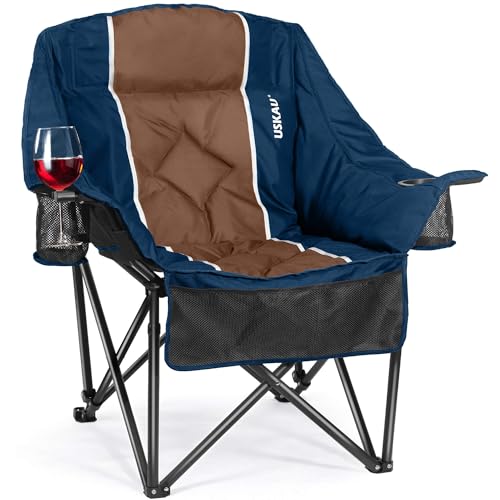
Start with the width between the armrests, because a generous seat squeezed between narrow arms fits nobody. Frame strength matters just as much: look for steel or reinforced aluminum with cross bracing at the seat rails. Treat the maker capacity rating as an ideal condition figure rather than a promise. Seat depth is the third check, since deep seats suit long legs while shorter partners slouch in them.
Expect to pay middle band money or more for a chair that truly fits. Oversized frames use more metal and wider fabric cuts, and the bargain versions usually cheat on joint quality. That is exactly where a heavier load does its damage. Couples often end up happier with two different chairs than with a matched oversized pair bought for looks.
Car Campers and RV Travelers
When the chair travels twenty feet from trunk to fire ring, packed weight stops mattering and comfort features earn their place. Recline positions, padded armrests, and rocker bases all make sense here. Storage space is the real limit, so measure the RV bay or trunk before choosing oversized builds. The chair you will actually bring beats the perfect chair left in the garage.
Festival and Event Sitters
Carry distance rules this group. Every pound matters across a long walk, and a shoulder strap on the bag beats handles you must grip the whole way. Many concert lawns and outdoor theaters cap chair height so people behind can see, often requiring low backs, so check venue rules before buying a tall chair. Quick drying mesh helps when events run through summer showers, and a darker fabric hides grass stains from a long season of lawns.
Campers Who Sit for Hours
Anglers, readers, and anyone who treats the campsite as a living room should shop the upper bands and test chairs in person when possible. A backrest angle that supports your shoulders, a seat that does not cut into the backs of your thighs, and firm armrests change how hour three feels. Plan to stand and move every so often anyway. No chair at any price replaces getting up, and long still sitting stiffens everyone.
Long Term Costs and Care
The purchase price is only part of what a chair costs. Budget chairs replaced every season or two can outspend one middle band chair across five years, which is why cost per season beats sticker price. Carry bags, cup holder trays, and canopy parts are rarely sold separately, so a torn bag often means living with a chair that is hard to move. Longer warranties cluster in the upper bands and mostly cover frame defects, not worn fabric.
Care is simple and mostly about water. Brush off dirt, wash fabric with mild soap and a soft brush, rinse, and air dry in shade until fully dry before storage. Check rivets, bolts, and hub joints each spring, and retire a chair with cracked joints rather than trusting it once more. Store chairs indoors or under cover, because sun through a garage window still fades and weakens fabric across a winter.
Salt air at coastal sites corrodes steel frames faster than inland air does. Rinse chairs after beach trips with fresh water and dry them the same day. A light wipe of oil on steel joints before storage slows rust without any special products.
Camper Chairs: Your Questions Answered
How much should I spend on a camper chair if I camp three weekends a year?
About $40 to $90 covers that routine well. A middle band chair at that use level usually lasts four or five seasons, which works out cheaper than replacing a bargain chair every other summer. Spend the savings on a ground mat for soft sites instead. If your weekends involve long carries from the car, shift the same money toward a lighter aluminum frame rather than extra padding.
What seat height makes a camper chair easiest to get out of?
Look for a seat around 17 to 19 inches high with armrests solid enough to push against. Try the chair wearing the shoes you camp in, because thick soles change the geometry more than you would expect. Avoid deep sling seats for anyone with knee trouble, since the low, soft seat drops your hips below your knees and turns standing into a lift. A firm seat edge helps nearly as much as height.
Can I leave a camper chair outside at the campsite all week?
You can, but expect it to age faster. Night dew soaks foam and fabric daily, sun fades colors and weakens thread across a single season, and wind tips light chairs into mud or toward the fire ring. Fold chairs at night and slide them under an awning, a tarp, or the vehicle. That one habit keeps padding dry for the morning and adds seasons to the fabric.
How do I stop camper chair legs from sinking into soft ground?
Spread the load over a wider area. A washable doormat, a square of plywood, or a ground cloth under the chair keeps feet from drilling into wet soil. Chairs with flat bar bases or wide disk feet sink less than pointed tube ends. On sand, expect some settling anyway, and reset the chair once the ground compacts under it.
When should a folding camper chair be replaced instead of repaired?
Replace it when the frame or joints are damaged, not when the fabric merely looks tired. Hairline cracks near rivets, a hub that still wobbles after tightening, or fabric tearing at a seat corner all mean the chair can drop you without warning. A falling adult can break a wrist or worse, so the risk is not worth one more season. Faded color and worn armrest foam, by contrast, are only cosmetic.
Wrapping Up
Three checks decide most purchases: pick the band that matches your nights per year, inspect the frame and joints before the fabric, and test the seat height with your own legs. The product table above pulls the bands together so you can compare packed size and rated capacity at a glance. The best camper chairs are simply the ones whose frame, fabric, and seat height match your body and your campsite, bought once instead of every summer.


