Best Camp Quilts: 2026 Guide for Warm Camp Sleep
Disclosure: We may earn a commission when you buy through links on this page, at no extra cost to you. As an Amazon Associate I earn from qualifying purchases. Learn more

Camp quilts cut weight by skipping the hood and underside of a sleeping bag. Compare fill, ratings and sizes to choose the best camp quilts for your trips.
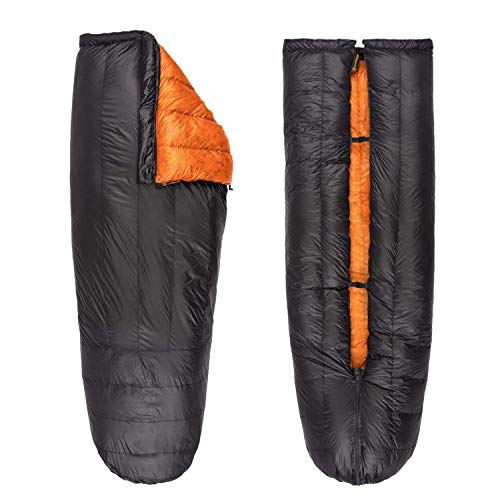
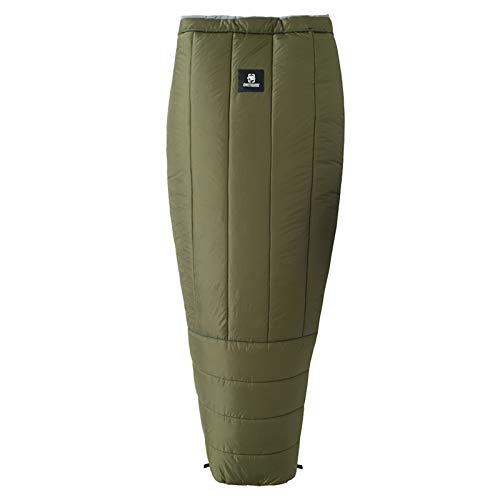
A best camp quilts guide starts with one idea: a quilt keeps you warm on top while your sleeping pad insulates below. Unlike a sleeping bag, a quilt has no hood and no insulation underneath you, which saves weight and bulk. The comparison table below compares the main quilt fills and shapes side by side.
Quilts suit backpackers who count grams, side sleepers who feel trapped in mummy bags, and warm sleepers who want to vent easily. They also suit car campers who like the feel of a real blanket at night. The trade off is draughts: a quilt needs good pad attachment and careful tucking to stay warm on cold nights. This guide explains fills, temperature ratings, and sizing so you can judge that trade off honestly.



Who Should Choose a Quilt
Backpackers gain the most, since quilts weigh less and pack smaller than comparable sleeping bags. A quilt rated for the same temperature as a bag can save several hundred grams, which matters over long trails. Ultralight hikers often pair a quilt with a light sleeping pad and a warm hat.
Side sleepers and restless sleepers also prefer quilts, since they can move, vent, and adjust coverage without fighting a zip. Warm sleepers like the easy temperature control. Cold sleepers and people who camp in freezing weather may still prefer a full sleeping bag, since a bag seals draughts better on the coldest nights.
Camp Quilts Fill Types Compared
Down fill offers the best warmth for weight and packs very small, which is why most premium quilts use it. Duck down costs less than goose down, and higher fill power means more loft per gram. Down loses insulation when wet, so look for treated down or a water resistant shell if you camp in damp climates.
Synthetic fill costs less, insulates when damp, and dries faster, but it weighs more and packs larger for the same warmth. It suits beginners, wet climates, and campers who cannot justify down prices. Some quilts blend fills or use synthetic in footboxes where moisture collects, which balances cost and performance.
Temperature Ratings and Sizing
Quilt temperature ratings vary between makers, so treat them as rough guides rather than promises. A comfort rating near your expected night low is a safer bet than a survival rating. If you sleep cold, choose a quilt with a rating 5 to 10 degrees colder than your expected low, and pair it with an insulated pad.
Sizing matters more with quilts than with bags. A quilt should be wide enough to tuck under your sides and long enough to cover your shoulders with the footbox closed. Tall campers should check length carefully, and broad sleepers should choose a wide model rather than fighting a narrow quilt all night. Pad attachment straps or clips keep the quilt in place as you turn.
Living With Your Quilt
Air your quilt each morning to dry moisture from the night, and store it loose at home in a large cotton sack, not compressed in a stuff sack. Compression is fine on the trail but damages loft over months of storage. Wash only when needed, following maker instructions, and dry fully before storage.
On cold nights, wear a warm hat, since a quilt has no hood, and use the pad straps to seal draughts. A light liner adds warmth and keeps the quilt cleaner. If you wake cold, check for gaps at the sides and neck first, since draughts cause more cold nights than a lack of fill.
A Final Check Before You Order
Before you order, check the quilt width and length against your body, not just the maker size label, since quilt sizing varies and a narrow quilt causes cold nights. Broad sleepers and tall campers should choose wide and long models, and side sleepers should check that the quilt stays tucked when they turn. A quilt that barely covers you in the shop will feel smaller at 3 in the morning.
Compare the pad attachment system carefully, since straps and clips decide whether the quilt stays sealed as you move. Some systems use simple elastic straps, others use clips or a full pad sleeve, and the best system for you depends on how much you toss and turn. Ask other users of the same quilt how the straps perform over a full night, not just in a shop test.
Finally, check the fill details honestly: down fill power, fill weight, and whether the down is treated for damp conditions, or synthetic type and weight for synthetic quilts. A high fill power number with little fill weight gives less warmth than a lower fill power with generous fill, so compare total fill weight for warmth, not just the headline number.
Getting the Most From Your Choice
Once your quilt arrives, test it at home on your sleeping pad before a trip, lying in your usual sleep position and checking for gaps at the neck, sides, and feet. Practice the pad straps and neck closure in daylight, so a cold night does not become a fumbling lesson. If you find gaps, adjust strap positions or add a liner before you rely on the quilt outdoors.
On the trail, air the quilt each morning by draping it over your tent or a branch for a short while, since night moisture reduces loft if it accumulates over several nights. Pack it loosely at the top of your bag rather than crushing it under heavy gear, and use a waterproof stuff sack in wet weather, since a soaked quilt loses warmth fast.
Between trips, store the quilt loose in a large cotton sack in a dry place, never compressed in a stuff sack for months, since long compression damages loft permanently. Wash only when needed, following maker guidance, and dry fully before storage. A well stored quilt keeps its warmth for many years of camping.
Related Buying Guides
For trail focused options, see our guide to best quilts for backpacking, and for a wider look at construction and stitching, read best quality quilts.
Frequently Asked Questions
Are camp quilts warmer than sleeping bags?
A quilt and a sleeping bag with the same fill and rating give similar warmth on top, but a bag seals draughts better because it wraps fully around you. A quilt can feel colder if gaps let air in at the sides or neck. Good pad straps, a wide cut, and careful tucking close most of that gap. For very cold nights, many campers still prefer a bag, while quilts shine in mild to moderate cold.
What temperature rating should I choose?
Choose a comfort rating near your expected night low, not a survival rating. If you sleep cold, pick a quilt with a rating 5 to 10 degrees colder than your expected low. Remember that your sleeping pad, clothing, hat, and tent all affect warmth, so a quilt alone does not decide your night. When in doubt between two ratings, choose the warmer quilt, since venting a warm quilt is easy but warming a cold night is hard.
Do camp quilts work for side sleepers?
Yes, quilts often work better for side sleepers than mummy bags, since they let you move, bend your knees, and adjust coverage without fighting a zip. Choose a wide model so the quilt stays tucked as you turn, and use the pad straps to hold it in place. A quilt with a closed footbox keeps your feet warm while leaving your upper body free to move.
Is down or synthetic fill better for camp quilts?
Down offers the best warmth for weight and packs smallest, but it loses insulation when wet and costs more. Synthetic fill costs less, insulates when damp, and dries faster, but it weighs more and packs larger. Choose down for dry climates and light packs, and synthetic for wet climates, beginners, or tight budgets. Treated down and water resistant shells narrow the gap in damp conditions.
How do I stop draughts in a camp quilt?
Use the pad attachment straps or clips to hold the quilt to your sleeping pad, tuck the edges under your sides, and cinch the neck closure. Wear a warm hat, since quilts have no hood, and choose a wide model if you move a lot. On cold nights, a liner adds a sealed layer inside the quilt. Check for gaps before you fall asleep, since a small side gap can chill a whole night.
Final Thoughts
The right best camp quilts choice balances weight, warmth, and draught control. Down suits light packs and dry climates, synthetic suits wet weather and budgets, and a wide, well reviewed quilt with pad straps suits most sleepers. The product table above can help you compare fills side by side. Size it generously, rate it for your coldest expected night, and enjoy the freedom of sleeping under a quilt.