Best Camp Ovens 2026: A Practical Buying Guide
Disclosure: We may earn a commission when you buy through links on this page, at no extra cost to you. As an Amazon Associate I earn from qualifying purchases. Learn more

Choose the best camp ovens by fuel type, size, heat control, weight and durability so camp meals turn out reliably at the site and on the trail.
Choosing among best camp ovens starts with how you camp, because car camping, trailer touring, and backpacking demand very different ovens. The comparison table below helps you compare fuel types, sizes, and heat control, so camp baking and roasting feel enjoyable rather than frustrating.
Think about your typical meals, your group size, and your fuel supply, since an oven that bakes bread for six needs different capacity and control from a small oven that warms a meal for two. Heat control matters more than headline temperature, because even heat makes the difference between a golden roast and a burnt outside with a raw centre.



Camp Ovens: Fuel Types and Practicality
Gas ovens light quickly, control heat easily, and suit car camping where fuel canisters are easy to carry, but they need ventilation and safe storage. Wood and charcoal ovens give traditional flavour and work where fuel is plentiful, yet they demand more skill, time, and attention to heat management. Electric ovens suit powered sites and trailers, but they are useless off grid unless you carry substantial battery or generator capacity.
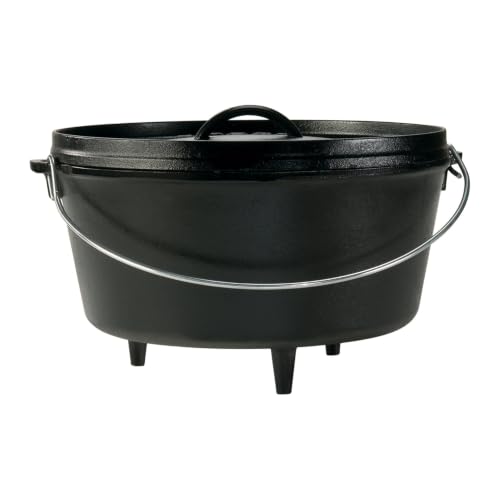
Fuel availability at your destination matters as much as preference, since a favourite fuel that is hard to buy locally becomes a burden. Cast iron Dutch ovens are the simplest option: they sit on coals or a camp stove and bake bread, stews and roasts with no built in burner, though they are heavy and need seasoning care. Check fuel consumption per hour, canister sizes, and whether the oven accepts common local fuels. A versatile oven that handles your most available fuel will get used far more than a specialist that needs rare supplies.
Size, Capacity, and Group Needs
Capacity should match your largest regular meal, not your largest imaginable feast, since an oversized oven wastes fuel and space on most trips. A small oven suits couples and solo campers, a medium oven suits families, and a large oven suits group cooking where roasts and bread share space. Measure packed size too, including handles and legs, because an oven that fits your vehicle poorly will stay home.
Internal shape matters as well, since tall roasts, pizza, and bread need headroom, while trays and racks decide how many dishes cook at once. Check whether standard camp cookware fits inside, because an oven that forces special pans adds cost and packing hassle. If you bake often, prioritise even heat and a reliable door seal over extra gadgets.
Heat Control, Evenness, and Baking Results
Heat control separates a camp oven from a metal box over a flame, so look for thermostats, vents, or dampers that let you hold steady temperatures. Even heat depends on insulation, burner placement, and internal airflow, all of which affect baking far more than maximum temperature claims. Test with simple bakes at home or on a short trip before relying on the oven for a celebration meal at a remote site.
Wind affects outdoor ovens strongly, so windshields, sheltered placement, and stable legs matter for consistent results. Preheat fully, avoid opening the door often, and use an oven thermometer when learning a new oven, since built in gauges can misread. Patience during preheat pays off in even browning and reliable cooking times.
Weight, Packing, and Durability
Weight matters most for backpacking and canoe trips, where every kilogram counts, while car camping tolerates heavier, sturdier ovens. Folding legs, removable racks, and nesting cookware improve packing, but moving parts also add failure points, so check hinges and latches for solid construction. Materials should resist rust, handle heat cycles, and clean reasonably after greasy roasts.
Durability also covers handles, door seals, and burner parts, which wear with heat and transport vibration. Stainless and heavy gauge steel last longer than thin coated metals, though they weigh more, so balance longevity against carry weight for your style. Store the oven dry and clean, since moisture and food residue corrode parts between trips.
Safety, Ventilation, and Site Rules
Safety starts with never using fuel ovens inside tents, vehicles, or enclosed shelters, since carbon monoxide can build up invisibly and kill. Use ovens outdoors with ventilation, keep fuel away from flames, and follow site rules about fires and fuel types, especially during fire bans. Keep a fire extinguisher or water nearby for grease fires, and never leave a hot oven unattended near children or pets.
Also check ground stability, since an oven on soft or sloping ground can tip and spill hot food or fuel. Use heat resistant gloves, long tools, and a stable table or stand rated for the oven weight. Teach everyone at camp the hot zones and the fuel shutoff steps before cooking begins, so a small incident does not become a serious burn.
Mistakes to Avoid When Buying
A common mistake is buying the largest oven for occasional group trips, then struggling with fuel use and packing on every normal trip. Another mistake is ignoring wind and insulation, which leads to uneven baking and wasted fuel at exposed sites. Finally, do not assume a camp oven replaces a home oven perfectly, since camp baking needs practice and simpler recipes at first.
Also avoid buying without checking cookware fit and fuel availability, since both cause frustration on the first trip. Start with forgiving recipes such as roasts and damper, learn your oven temperature quirks, and keep notes for next time. Camp cooking improves fast with a little practice and honest notes.
Related Guides for Your Shortlist
For build quality and insulation across oven types, see best quality ovens. For burner control and fuel use, the guide to best gas ovens is a useful comparison, and best countertop oven covers compact baking and heat evenness.
A Final Check Before You Order
Before a major trip, practise with your camp oven on a short outing, cooking simple dishes and noting temperature behaviour, wind sensitivity, and fuel use. This practice builds confidence and reveals quirks such as hot spots or slow preheating before they matter for a celebration meal at a remote site. Keep a notebook of successful temperatures and times, since camp ovens vary and memory fades between trips.
Also pack a small oven kit including an oven thermometer, heat resistant gloves, a brush for cleaning, and spare fuel connections appropriate to your model. A kit kept together prevents forgotten essentials that turn camp cooking into improvisation, and it speeds setup at each new site. Check the kit before every trip, not only at the start of the season.
Finally, respect site rules and neighbours when cooking outdoors, including fire bans, quiet hours, and food storage rules that protect wildlife. Camp cooking is more enjoyable when it fits the site and the group, with meals timed sensibly and cleanup thorough. Good camp etiquette keeps sites welcoming and ovens welcome too.
Frequently Asked Questions
Should I choose gas, wood, or electric camp oven?
Choose gas for easy heat control and car camping, wood or charcoal for traditional flavour where fuel is plentiful, and electric only for powered sites or trailers. Gas suits most campers because it lights fast and controls well. Match fuel to availability at your destination, since rare fuel becomes a burden on longer trips.
What size camp oven do I need?
Size should match your largest regular meal, with small ovens for couples, medium ovens for families, and large ovens for group cooking. Oversized ovens waste fuel and packing space on normal trips. Check internal headroom and whether your camp cookware fits, because special pans add cost and hassle. Measure your largest pot and baking tray before ordering, since internal dimensions matter more than the outside box size suggests.
How do I get even baking in a camp oven?
Preheat fully, use wind protection and stable placement, avoid opening the door often, and use an oven thermometer while learning your oven. Even heat depends on insulation and airflow more than maximum temperature. Start with forgiving recipes and note temperature quirks, since each camp oven behaves slightly differently. Rotate trays halfway through longer bakes when your oven heats unevenly, since that simple habit improves browning noticeably.
Can I use a camp oven in bad weather?
You can use a camp oven in wind and light rain with shelter, windshields, and stable placement, but never inside tents or vehicles due to carbon monoxide risk. Heavy rain and high fire danger may require postponing cooking, so follow site rules and fire bans. Always keep fuel away from flames and supervise the oven continuously.
How do I clean and store a camp oven?
Clean grease and food residue after each trip, dry parts fully, and store the oven dry to prevent rust. Check door seals, hinges, and burner parts for wear before the next trip. Proper cleaning extends life noticeably, while stored grease and moisture corrode parts and attract pests between trips. Dry the oven fully before packing it away, since trapped moisture encourages rust and stale smells between trips.
Final Thoughts
When fuel, size, heat control, weight, and safety are weighed together, best camp ovens become a camp lifestyle choice rather than a gadget purchase, and the product table above helps you compare the practical options. Choose the oven that fits your meals, your group, and your fuel supply.
Practice with simple recipes on a short trip first, learn its temperature habits, and respect ventilation and fire rules at every site. A well chosen camp oven turns camp meals into a highlight of the trip rather than a chore.