Best Camo Hunting Boots for 2026: What Actually Matters Before You Buy
Disclosure: We may earn a commission when you buy through links on this page, at no extra cost to you. As an Amazon Associate I earn from qualifying purchases. Learn more

Pick the best camo hunting boots by matching pattern, fit, waterproofing, insulation, tread and support to your terrain and season.
Camouflage only helps if the boot under the pattern fits your ground, season and feet. The best camo hunting boots blend with your cover, balance water and cold, and stay steady on mud, leaves and rock. Use the comparison table below to check pattern, insulation, height and weight.
Start with where and when you hunt most. A warm early season walk through dry grass needs a different boot from a cold, still sit beside a flooded field. The sections below turn that difference into choices you can test before you spend.


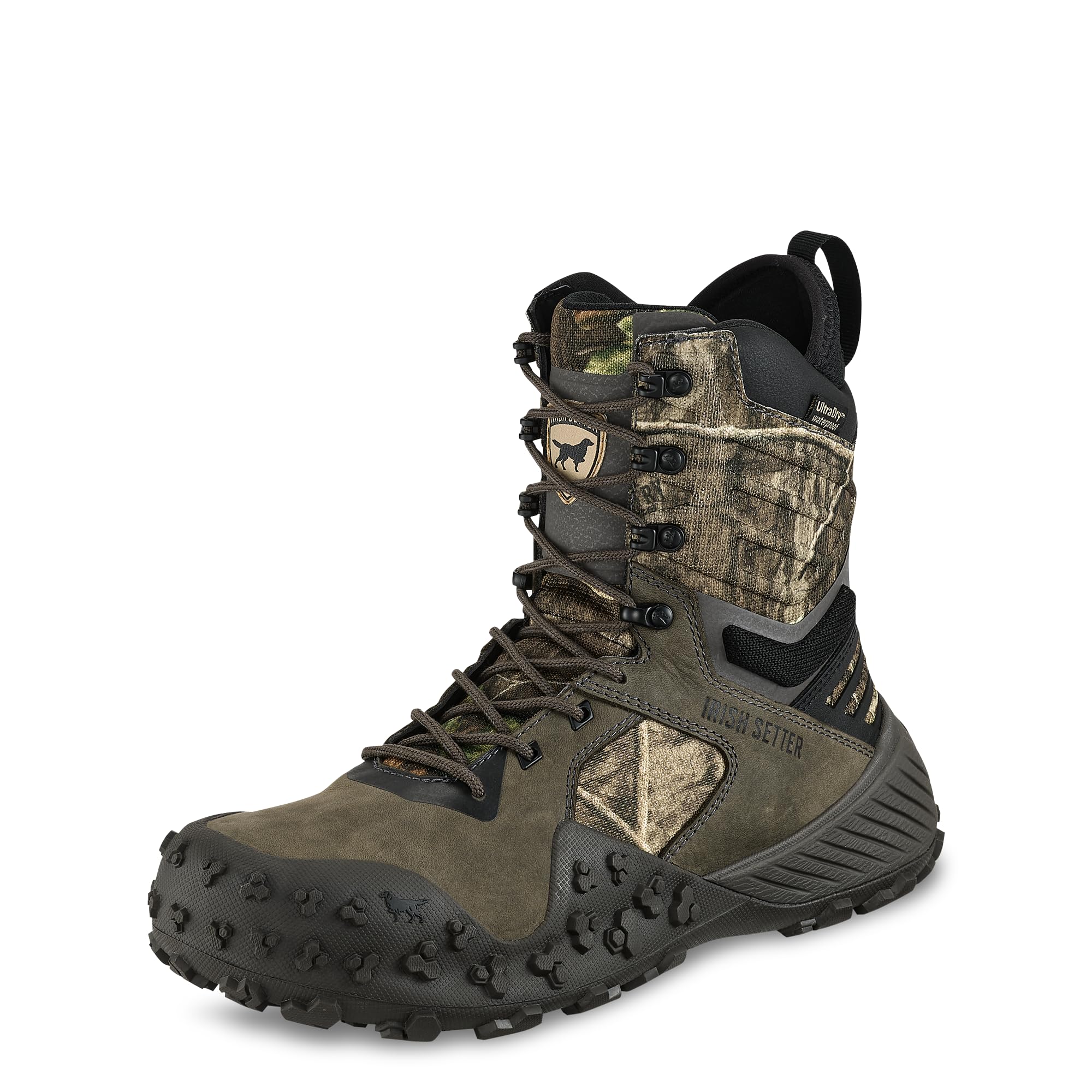
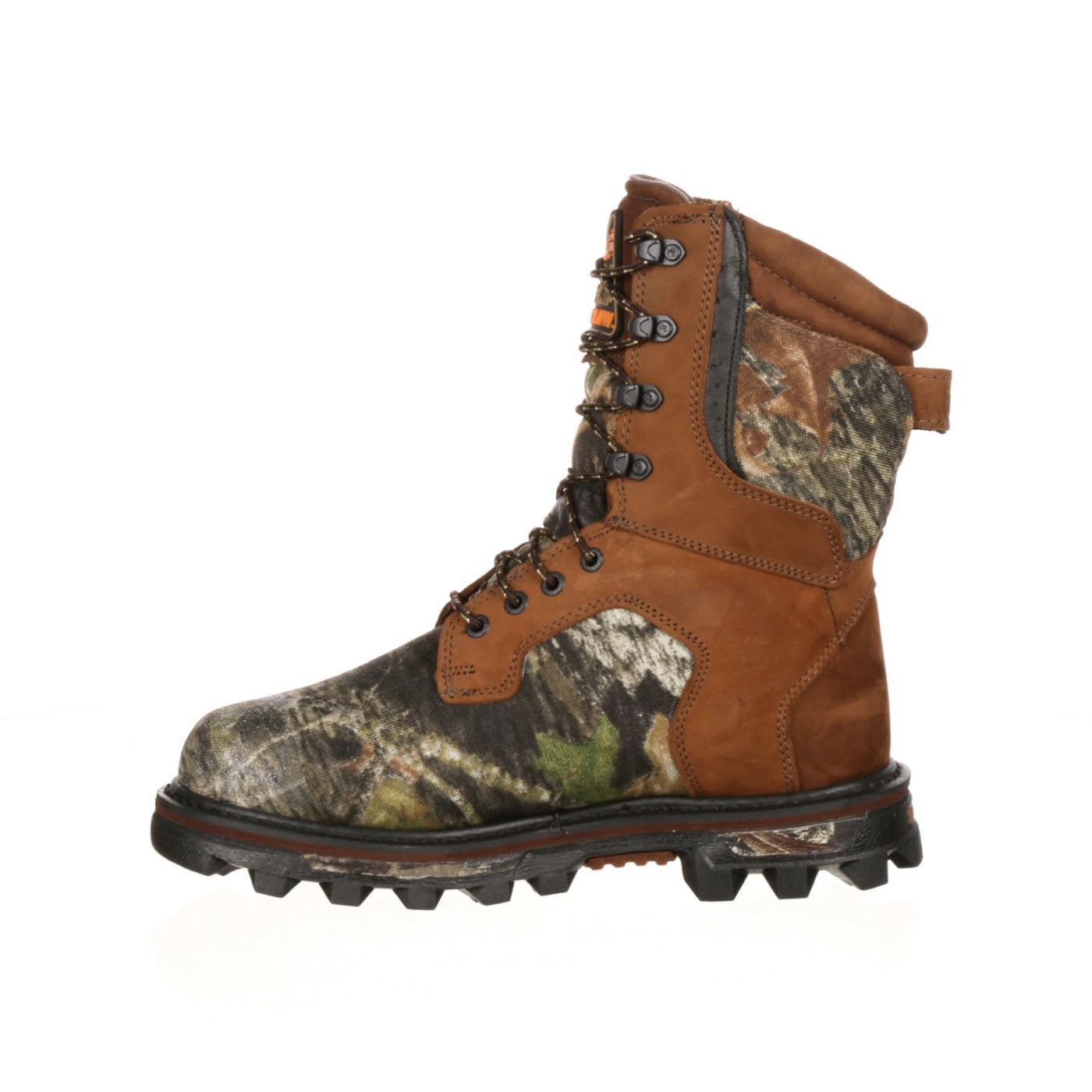


Who Should Buy Which Camo Hunting Boots?
Match the boot to the cover you hunt in most often, not to the pattern you like best in a photo. Your terrain, temperature and time on your feet decide which group fits you.
Woodland Hunters Who Sit Still for Hours
You hunt from a stand or blind in timber, where game looks up as well as across. Choose a pattern that breaks up your shape against bark and shadow, with a shaft that covers your lower leg. Moderate insulation and a quiet outsole matter most.
Early Season Hunters Who Cover Ground
You walk to stands in warm weather and move through brush before leaves fall. Choose a lighter boot with breathable panels and a pattern built around green and tan vegetation. Cushioning and arch support carry you through long approaches, while a snug heel stops sliding on slopes.
Cold and Wet Ground Hunters
You cross creeks, hunt field edges after rain or sit in cold air late in the season. Choose stronger insulation, a waterproof lining and a taller shaft. If most hunting gear in your household is sized for men, see our guide to the best hunting boots for men for sizing notes that pair with this one.
Key Features to Compare
Work through these factors in order, because a perfect pattern cannot fix poor fit, weak grip or the wrong insulation.
Camo Pattern Matched to Terrain and Season
A camo pattern breaks up your shape against a specific background, not every place at once. Woodland patterns use darker bark and leaf shapes for timber, while open country patterns use lighter grass and sage tones. Pick the pattern that matches cover at boot height, since game sees your lower legs against brush and ground litter.
Getting the Fit Right in Hunting Socks
Measure both feet in the afternoon, when they are largest, wearing your hunting socks. Your toes should wiggle in the toe box without hitting the front on a slope. The heel should lift only slightly, because repeated lifting causes blisters. If you fall between sizes, choose the larger size for cold weather socks and the closer size for warm weather.
Waterproofing Balanced With Breathability
A waterproof lining, often built with Gore Tex or a similar membrane, blocks creek water while letting some sweat vapor escape. That balance matters, because feet that sweat in a sealed boot can still feel damp and cold later. For mostly dry ground, a water resistant upper with breathable panels may stay cooler. For standing water, choose full waterproofing and a taller shaft.
Insulation Matched to Activity and Cold
Insulation is listed by weight, with light fills around 200 grams for active hunting in cool weather and heavier fills around 800 to 1200 grams for still sits in hard cold. More is not always better, since an active hunter sweats in a warm boot, and damp socks then chill during a sit. Match the fill to how much you move.
Outsole Grip, Stability and Arch Support
The outsole should have deep, widely spaced lugs that shed mud instead of packing smooth, with a firm heel for downhill steps. A stiffer midsole adds stability on rock and roots, while a softer one feels easier on flat trails. Arch support should spread pressure across the sole instead of loading the ball of the foot. Good cushioning softens gravel and frozen ground.
Upper Material, Weight and Shaft Height
Leather uppers resist brush and hold their shape for years, but they weigh more and need a longer break in period. Synthetic uppers weigh less and dry faster, though sharp rock can wear them sooner. Shaft height, often about 8 to 16 inches, controls ankle support and protection from water and brush. Taller shafts suit deep mud, while shorter shafts suit dry trails.
Camo Hunting Boot Types Compared
Boot type changes how pattern, weight and waterproofing work together. The best camo hunting boots for one hunter can be wrong for another, because a marsh boot and a dry upland boot solve different problems.
Lace Up Field Boots for Mixed Terrain
Lace up field boots in leather or synthetic fabric suit most woodland and field hunting. You can adjust lacing for thick or thin socks, and the fit stays precise for walking. They pair with most patterns and offer a wide range of insulation levels.
Rubber Boots for Wet Fields and Marsh
Rubber boots give full waterproofing up the shaft and rinse clean after mud, which suits flooded fields and marsh edges. They offer a less precise fit, so long walks can feel warm and loose at the heel. For that wet ground role, see our guide to the best rubber hunting boots.
Tall Boots for Deep Cover and Cold
Tall boots, including insulated styles, protect the calf from brush, briars and splashes. The extra height adds weight and warmth, so they suit late season and thick cover better than hot early walks. Check local guidance on snakes before relying on any boot for protection.
Quick Buyer Checklist for Camo Hunting Boots
Answer each question honestly before you buy. A no on fit, season or terrain matters more than a yes on pattern alone.
- Does the camo pattern match the cover and season where you hunt most?
- Can you wiggle your toes in the toe box while wearing your hunting socks?
- Does the heel stay close to your foot on up and down slopes?
- Is the insulation right for sitting still, not only for walking?
- Will the shaft height keep out the deepest water or mud you expect?
- Do the outsole lugs shed mud and grip wet leaves on your ground?
- Can you carry the boot weight all day without changing your stride?
- Does the seller state waterproofing, insulation and materials clearly?
For general options beyond camo, see our guide to the best hunting boots.
Common Mistakes to Avoid
- Choosing a camo pattern for looks alone leaves your boots visible as a dark block against pale grass.
- Buying your street shoe size causes toe bruising on downhill walks in thick socks.
- Picking heavy insulation for an active hunt makes feet sweat, and damp socks then feel colder during a sit.
- Ignoring outsole spacing lets mud pack the tread smooth, so grip disappears on wet slopes.
- Wearing new boots on an opening day hunt turns a small heel rub into blisters far from the truck.
- Trusting vague waterproof claims with no membrane detail leads to wet feet at the first creek crossing.
Care and Maintenance for Camo Hunting Boots
Brush off mud after each hunt and let wet boots air dry away from direct heat, because strong heat can crack leather and damage linings. Stuff tall boots loosely with newspaper to hold their shape while they dry, and keep them standing upright. Clean rubber boots with plain water only.
Condition leather only with products the maker allows, and test any cleaner on a hidden area first so it does not darken the pattern. Check laces, eyelets and outsole edges before the season. Store boots in a cool, dry place out of direct sun.
Frequently Asked Questions
How long is the break in period for camo hunting boots?
The break in period for camo hunting boots is usually one to three weeks of short walks. Start around home, then add distance and a pack as the upper softens. Leather boots sit at the longer end of that range, while synthetic boots often settle sooner. Stop and adjust lacing at the first hot spot.
Can I wear camo hunting boots all day on a hunt?
Yes, you can wear camo hunting boots all day if fit, insulation and weight match your hunting style. All day comfort also depends on changing damp socks at midday, which many hunters forget to pack. A spare pair weighs almost nothing and restores warmth for the walk out.
How often should I replace my camo hunting boots?
Replace camo hunting boots when outsole lugs are worn smooth, the lining leaks after proper drying, or the upper cracks at flex points. Press the midsole at the heel as a test, since a midsole that stays hard no longer cushions your stride. Grip and waterproofing should make the final call.
Are expensive camo hunting boots worth it?
Expensive camo hunting boots can be worth it when the cost buys a better fit range, a proven waterproof membrane and a more durable upper. Price alone proves nothing, so check what the money adds. Around $150 to $300 covers many durable options, while basic pairs under $100 may suit short, dry hunts.
How should camo hunting boots fit at the toe and heel?
Camo hunting boots should fit with about a thumb width in front of your longest toe and a heel that barely lifts as you walk. Try the check on stairs if the shop allows it, because level floors hide toe contact on descents. A fit that feels perfect in thin socks can turn tight in cold weather socks.
Do I need waterproof camo hunting boots for hunting?
You need waterproof camo hunting boots if you cross creeks, hunt wet fields or sit where dew soaks the ground cover. On dry upland ground, a breathable boot without a membrane can be cooler and faster drying. Consider also how you dry boots at camp, since a waterproof pair wet inside needs a full night of air.
Wrapping Up
Put fit first, then match pattern to your cover, insulation to your season and the outsole to your ground. Use the product table above to confirm height, weight and waterproofing.
When you judge best camo hunting boots by those checks instead of by pattern alone, you end up with boots that stay quiet, dry and comfortable from the first walk in to the last walk out.