Best Cameras with External Mic of 2026: Complete Buying Guide
Disclosure: We may earn a commission when you buy through links on this page, at no extra cost to you. As an Amazon Associate I earn from qualifying purchases. Learn more

Learn how to choose a camera with a real external mic input, from jack types and gain control to mounting and monitoring for clear recorded sound.
Clear speech is often the difference between a video people finish and one they click away from, and the best cameras with external mic support solve that problem at the source. A built in microphone sits far from your voice and picks up room echo, handling noise, and wind. An external microphone can sit close to the speaker and give you a cleaner track to edit.
This guide explains what the mic port does, which input types matter, and how gain, monitoring, and mounting change your results. Use the comparison table below to narrow your short list by form factor and audio controls, then read the sections that match how you record.
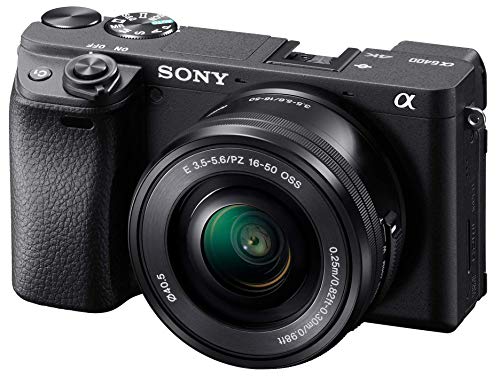

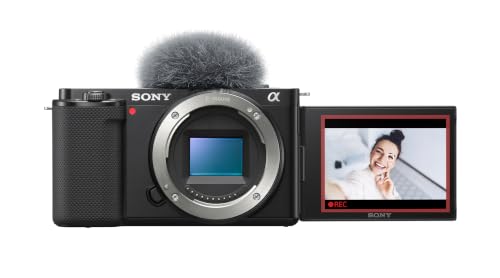
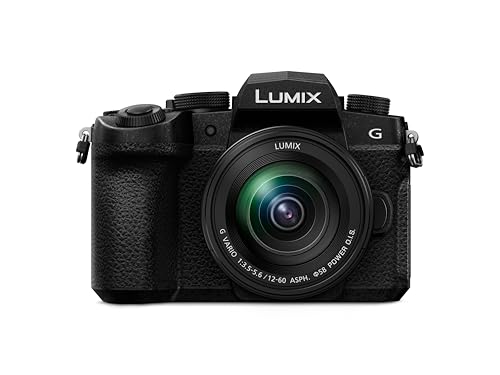


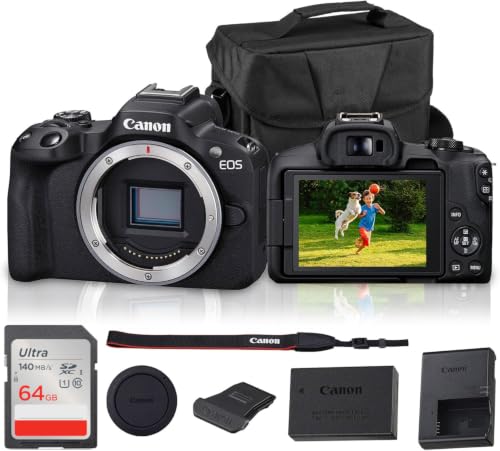


Who Should Buy a Camera With an External Mic Input
Vloggers and Solo Creators Who Speak to the Camera
You record yourself at arm length or on a small tripod, often in echo filled rooms. A camera that accepts a small shotgun or wireless mic keeps your voice forward while the lens stays at a flattering distance. Look for an articulating screen for framing, plus audio meters you can check at a glance before you talk.
Interviewers and Event Videographers
You need two voices to stay clear even when people move, turn away, or speak at different volumes. A mic input lets you place a lavalier on each speaker or mount a shotgun closer to the action. Manual gain matters most for you, because a quiet answer and a loud laugh can arrive in the same take.
Outdoor and Travel Creators
You film in wind and crowds, where a built in mic turns gusts and street noise into the loudest part of the track. An external mic with a proper wind cover and a secure mount gives your voice a chance against that background. Compact size and weather sealing matter more for you than extra video modes.
Key Features to Compare
Mic Input Type and Compatibility
This is the deciding feature, and the best cameras with external mic support make the connection simple and reliable. Most models use a 3.5 mm jack, while some offer a digital hot shoe or USB C audio from a maker specific receiver. Check whether the port supplies plug in power for a small lavalier, and whether a shotgun needs its own battery.
Manual Gain Control and Audio Meters
Automatic gain raises quiet room noise between sentences and can pump up and down as your voice changes. Manual control lets you set a steady level, leave headroom for louder moments, and keep hiss low. On screen meters should warn you before clipping, because a distorted peak cannot be repaired in editing. Choose a model that lets you change the level while recording.
Headphone Monitoring Output
A headphone jack lets you hear exactly what the camera records, including hum, clothing rustle, and a cable that has worked loose. Without it, you only learn about a problem after the shoot ends. Listen during a short test take and check both ears for dropouts. If you work on a tripod, see our guide to the best external camera monitors for a larger view of framing and meters.
Mounting Options for Mics and Receivers
A shotgun mic needs a mount that holds it steady and isolates it from handling vibration, usually on the hot shoe or a cage. A wireless receiver needs the same mount plus a short cable that reaches the input without pulling tight. Check the top plate layout before you buy, because a screen or a second accessory can block the mount.
Power, Recording Time, and Heat
An external mic can draw power from the camera, run on its own cell, or arrive as a wireless set with a charging case. Each choice changes how long you can record and how much you must check before a shoot. Bodies recording high resolution video for long sessions also need good heat handling, or the take stops early. Carry a spare cable, because cables fail more often than ports do.
Types of Cameras With an External Mic Input
Mirrorless and DSLR Bodies
These interchangeable lens bodies give you the widest mic choice, strong manual audio controls, and a headphone jack on many models. They suit interviews and controlled indoor shoots where size matters less than flexibility. If you are comparing general formats first, see our guide to the best digital cameras for sensor and lens context.
Compact Vlogging Cameras
Small fixed lens models trade some audio controls for a light body, a screen that faces you, and fast setup. Many include a digital accessory shoe that powers a matching shotgun with no cable at all. They fit daily recording and travel where a large rig would slow you down.
Action Cameras and Their Adapters
Action bodies are tiny and sealed, so most need a media mod or a USB C adapter before an external mic can connect. That adapter adds bulk and can weaken weather protection, so test the full rig before a trip. They suit bikes, boats, and helmets where no larger camera would survive.
Camcorders and Dedicated Video Bodies
Camcorders put audio controls on the body, offer long recording times, and on larger models add XLR inputs through a top handle. Those balanced inputs suit professional shotgun and wireless gear for weddings and documentaries. For long events, their zoom and stable handling are hard to beat.
Best Cameras for Specific Needs
Best Video Cameras with External Mic
For dedicated video work, put clean audio ahead of photo specs. Prioritize manual gain you can adjust during a take, a headphone output, and autofocus that does not hunt while you speak. Dual card slots matter for events, because a stopped take loses the sound with the moment.
Best DSLR Cameras with External Mics
DSLR bodies pair a familiar optical viewfinder with a standard 3.5 mm input, and many remain strong for seated interviews and studio lessons. Check that live view recording allows meter display and level changes. For pairing advice, see our guide to the best mics for dslr cameras once you know your input and mount.
Best Action Cameras with External Mic Port
Here the port usually lives on an adapter rather than the body, so judge the whole setup, not the camera alone. Confirm the adapter still lets you mount and charge the camera with a wind cover fitted. A wireless receiver often beats a cabled shotgun, because movement tugs on short cables.
Best Vlogging Cameras with External Mic Input
Vlogging rewards speed, so choose a body where the mic connects in seconds and the screen, shoe, and port never fight each other. A forward facing shotgun keeps your voice clear in busy streets, while a wireless lavalier suits walk and talk segments. Light weight matters across a full day of recording.
Common Mistakes to Avoid
Most poor audio from a good camera comes from setup errors, not from the port itself.
- Placing the mic on the camera for a subject across the room leaves the voice thin and buried under room echo.
- Leaving automatic gain on for an interview lets room noise swell between answers and makes the track tiring to hear.
- Skipping a test recording means a loose cable or wrong input setting can ruin a full session before you notice.
- Mounting a shotgun without a wind cover outdoors lets even a light breeze overwhelm clear speech.
- Buying a mic with the wrong plug type leaves you with silence or a channel missing until an adapter arrives.
Care and Maintenance for Cameras and Mic Ports
Keep port covers closed when no cable is fitted, and blow dust from the input and shoe contacts with a dry air blower. Store cables loosely coiled and never wrapped tight around the mic, because repeated sharp bends break the inner wires. Let a damp wind cover dry fully before packing it away, and replace frayed cables at the first sign of crackling.
Frequently Asked Questions
Can any external microphone work with a camera mic input?
No, any external microphone cannot work with every camera mic input, because plug type and power needs differ. Phone lavaliers often use a TRRS plug and need an adapter to record correctly on a camera. Confirm in the manual whether your mic needs plug in power, a battery, or a digital shoe before ordering.
Is a headphone jack essential on a vlogging camera with an external mic input?
A headphone jack is not essential, but it is the only way to hear problems while they can still be fixed. A short listen before you leave a location can confirm that wind or a loose receiver cable did not spoil the take. If your camera lacks the jack, play a test clip back through the camera speaker in a quiet spot.
How can you reduce wind noise on a camera with an external mic outdoors?
You reduce wind noise first by shielding the mic capsule, not by lowering the recording level. Fit the foam cover for indoor air movement and the furry cover for real outdoor gusts, and use your body or a wall as a wind break when you can. A low cut filter can trim rumble, but use it lightly or voices sound thin.
Can a camera record a safety track from an external microphone?
Some cameras can record a second safety track at a lower level alongside the main track. That backup saves a take when a sudden shout clips the main channel, because you can swap in the quieter copy during editing. Check the audio menu for dual recording wording, since makers name the feature differently.
How close should an external mic be to the person speaking on camera?
An external mic should usually sit about 6 to 12 inches from the mouth for a lavalier and about 1 to 3 feet away for a shotgun pointed at the speaker. Closer placement gives a fuller voice and less room sound, but moving too close can cause popping on strong consonants. Watch the meters as distance changes.
Wrapping Up
Choose the input and the audio controls first, and let video specs come second. The best cameras with external mic will give your voice a close, steady, and monitored path into every recording, in a body you will carry and use. Test the full chain before an important shoot, then compare your finalists in the product table above.