
Best Cameras to Record Football Games for 2026: Which One Fits the Way You Use It?
Disclosure: We may earn a commission when you buy through links on this page, at no extra cost to you. As an Amazon Associate I earn from qualifying purchases. Learn more

Learn how to choose cameras to record football games, from zoom and autofocus to stabilization, battery life, and weather sealing, so game footage stays sharp.
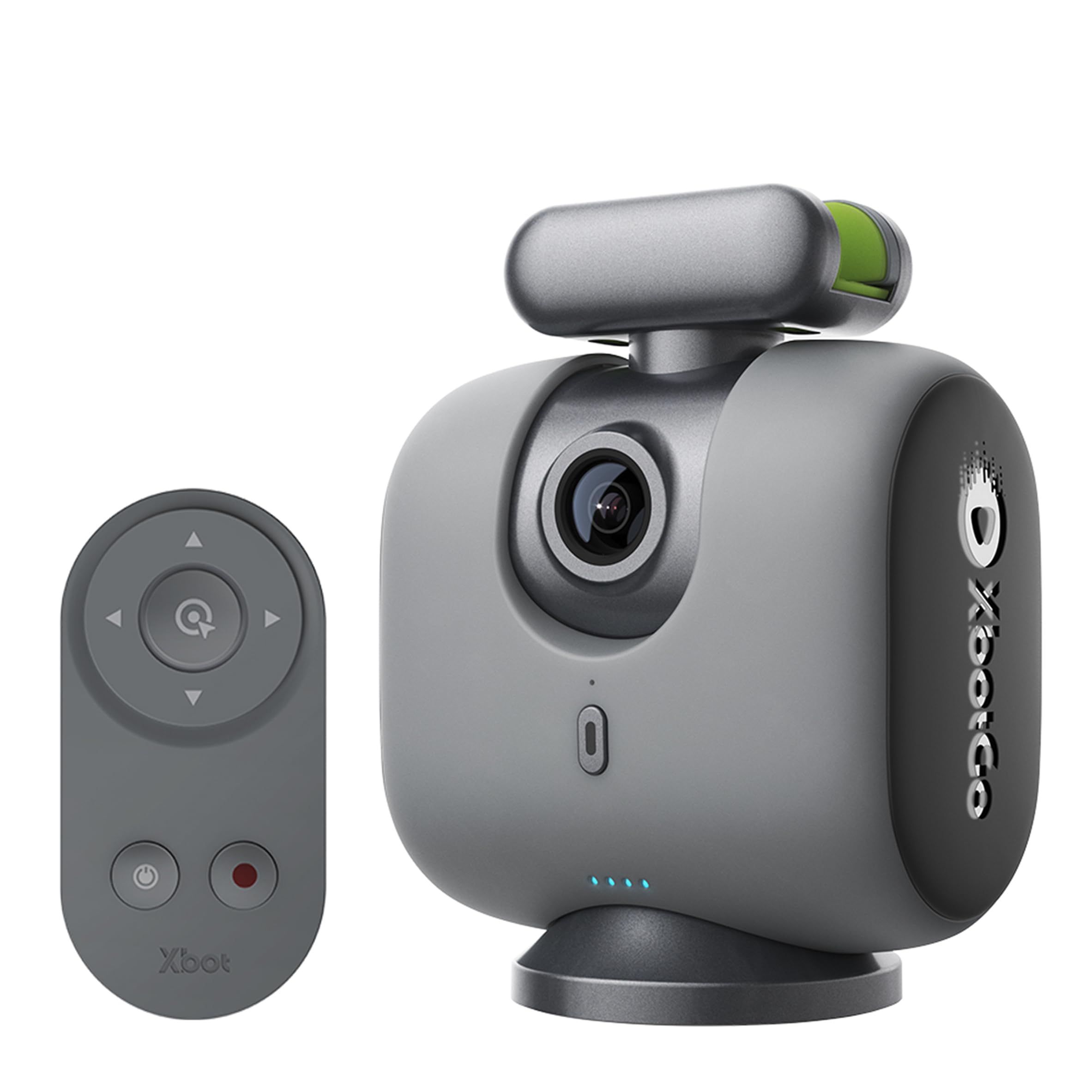
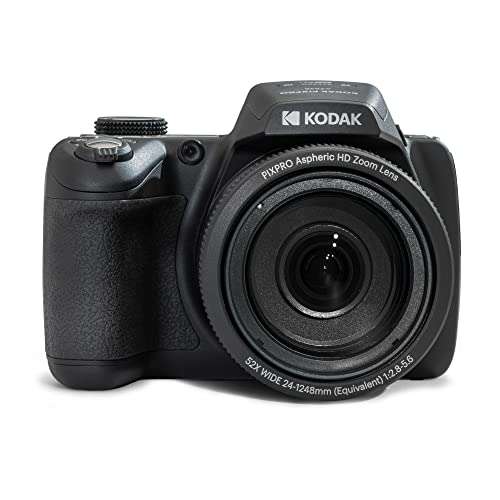
There is no single camera that suits every football recording job, because a parent filming from the stands, a coach reviewing plays, and a creator posting highlights all need different things. The best cameras to record football games for you will depend on how far you sit from the action, how much movement you need to follow, and how you plan to share or study the footage. The comparison table below can help you narrow the field before you compare the details in this guide.
Start with your viewing position and your main goal. If you film from high in the stands, reach and steady framing matter more than fancy extras. If you film from the sideline, quick autofocus and a comfortable grip matter more. Keep those two facts in mind as you read, and you will avoid paying for features that do not help your kind of recording.







Who Should Buy Which Cameras to Record Football Games?
Football footage looks very different depending on who is holding the camera. The groups below describe common recording jobs, so you can match your situation to the features that matter most for it.
For Parents and Family Members in the Stands
Parents and family members usually film from a fixed seat, often far from the field, and they want a simple setup that captures a whole play without constant adjustment. A long zoom, a clear viewfinder or screen in bright light, and reliable autofocus on a moving player are the priorities here. A camera that is easy to hold steady for a full half, with a battery that lasts through a long game day, will serve this group better than a complex model with menus that distract from the action.
For Coaches and Analysts
Coaches and analysts record to study formations, timing, and player movement, so clean wide shots and consistent framing matter more than dramatic close ups. A camera that holds focus across the field, records in a format that is easy to scrub and share, and works well from an elevated spot gives the clearest teaching material. Good audio is less important than a stable picture, and a tripod or monopod can make a big difference for this kind of use.
For Creators and Streamers
Creators and streamers need footage that is ready to edit or share soon after the final whistle, so file handling, connectivity, and sound quality carry extra weight. A flip screen helps when you film yourself or check framing at odd angles, and a mic input lets you add clear commentary or crowd sound without relying on a tiny built in mic. If you plan to cut highlights the same evening, choose a model whose files work smoothly with your editing app.
For Students and Club Volunteers on a Budget
Students and club volunteers often film for a team with limited funds, so value and durability matter as much as picture quality. A straightforward camera with dependable autofocus, a useful zoom range, and a spare battery slot can cover most school and club games well. Spend on a sturdy support and a protective bag before you spend on advanced video modes you may rarely use.
Key Features to Compare
The features below shape football footage more than brand names or headline specs do. Compare them in the context of where you film and what you do with the video afterwards.
Video Capabilities
Resolution gets a lot of attention, but frame rate, recording length, and file size matter just as much for football. Smooth motion helps when a runner cuts across the field or a pass travels quickly, so look for a frame rate that keeps fast action readable rather than smeared. Also check how long the camera can record in one stretch and how large the files become, because a long game can fill a card faster than you expect. If you share clips online, a common video format will save you conversion work later.
Autofocus and Stabilization
Football players change direction constantly, so autofocus that can track a moving subject is one of the most useful features you can buy. Look for tracking that follows a player across the frame instead of jumping to the nearest object, and test how it behaves when players cross in front of each other. Stabilization matters too, especially when you zoom in, because small hand movements look much larger at long range. Optical stabilization in the lens or body usually gives steadier handheld footage than digital stabilization alone.
Size, Weight, and Ergonomics
A camera that feels comfortable after an hour matters more than one that looks impressive on a shelf. Consider the grip shape, the balance when a long lens is attached, and whether the controls fall under your fingers without looking down. A lighter setup is easier to carry up stadium steps and hold through overtime, while a heavier setup may need a monopod for steady shots. Check the screen brightness as well, since a dim screen is hard to judge in sunlight.
Sensor Size and Image Quality
Sensor size affects how much light the camera gathers and how clean the picture looks when the light drops, but a larger sensor is not automatically better for every football job. A larger sensor can give cleaner evening footage and softer backgrounds, while a smaller sensor can give more reach from the same lens, which helps from the stands. Megapixel count alone tells you little about video quality, so pay more attention to how the camera handles motion, color, and noise at the settings you will actually use.
Low Light Performance
Many games start in daylight and finish under stadium lights, so low light behavior deserves a close look. A camera that keeps detail and color steady as the light fades will save footage that a noisier model would spoil. Look at how the picture holds up at higher sensitivity settings, and whether the autofocus still tracks reliably when the light drops. A fast lens, meaning one that gathers more light, can help here, but it also adds size and cost, so weigh it against how often you film evening games.
Common Mistakes to Avoid When Buying Cameras to Record Football Games
- Judging a camera on price alone, without checking zoom reach and autofocus tracking for fast action.
- Ignoring video capabilities such as frame rate and recording limits, then finding the footage stutters or stops mid game.
- Buying a setup that is too large or heavy to hold steady for a full game from your usual seat.
- Skipping a check of battery life and card capacity, so the camera runs out during the second half.
- Forgetting warranty and support details, which matter when a camera will travel to games in all kinds of weather.
How to Make Your Cameras to Record Football Games Last Longer
Simple care habits protect both the camera and the footage it captures. Use a lens cloth, not your shirt, to clean the front glass, because fabric can trap grit and scratch coatings over time. Carry a spare battery and keep it charged, and store the camera in a dry, padded bag between games rather than loose in a car trunk.
After a wet or dusty game, wipe the body down and let any damp parts dry fully before you close the bag. If you use a tripod or monopod, check its locks regularly, since a loose support can tip a camera at the worst moment. These small steps, repeated after each game, keep the product table above relevant for many seasons, because a well kept camera stays reliable far longer than a neglected one.
FAQs
What specs matter most for beginners filming football games?
Beginners should focus on dependable autofocus tracking, a useful zoom range, and steady handheld footage before worrying about advanced video modes. Those three factors decide whether a play stays in frame and readable, which is the core of useful game footage. A simple menu system also helps, because you can change settings quickly between plays instead of hunting through options while the action continues.
How much should I spend on my first camera for football games?
A first camera for football games can cost about $300 to $900 for a capable setup, depending on zoom reach and low light needs. Spending at the lower end works well from the sideline or for short clips, while a higher budget buys longer reach and cleaner evening footage. Reserve part of your budget for a spare battery, a large card, and a support, since those accessories affect every game you film.
Is a smartphone enough instead of a camera for football games?
A smartphone can work for short clips from close range, but its small zoom range makes distant players look tiny and hard to follow. A dedicated camera gives you longer optical reach, steadier footage at that reach, and controls that let you lock exposure and focus for a whole play. If you film mainly for social clips from near the field, a phone may be enough, but for full game coverage from the stands, a camera is the stronger choice.
Which camera is better for low light football games?
A camera with a larger sensor and a lens that gathers more light usually handles evening games better, because it can keep sensitivity lower and detail cleaner. Equally important is autofocus that still tracks in dim light, since a sharp but noisy picture beats a clean picture of the wrong player. If you film mostly under lights, test sample footage at night rather than trusting daylight samples alone.
Where is the best place to film football from?
A high spot near midfield, such as the top of the stands, gives the clearest view of formations and plays. Sideline spots give closer detail but cut off the far side of the field. Use a tripod or monopod, keep the framing wide enough to see the whole play, and test your zoom range before kickoff.
The Bottom Line
Choose by viewing position first, then by autofocus, zoom reach, and battery life, and let everything else follow from those priorities. A parent in the stands needs reach and steadiness, a coach needs a clean wide view, and a creator needs files and sound that are easy to work with after the game. Check the product table above once more with those needs in mind, and pick the setup you will actually enjoy carrying and using all season. The best cameras to record football games are the ones that keep the action in frame, in focus, and ready to watch again.
For related viewing angles, see our guide to the best cameras for football games, and if you also film other sports, see our guide to the best cameras to record basketball games or the best cameras to record soccer games. For wider outdoor recording, see our guide to the best game cameras and the best cellular game cameras.

