Best Cameras for Young Beginners in 2026: A Simple Buying Guide
Disclosure: We may earn a commission when you buy through links on this page, at no extra cost to you. As an Amazon Associate I earn from qualifying purchases. Learn more

Compare cameras for young beginners by controls, autofocus, zoom, battery life and camera type, with simple buying and care guidance for young families.
A first real camera should invite a young person to shoot often, not sit in a drawer because the menus feel confusing or the body feels too heavy. The best cameras for young beginners pair simple controls with a size that small hands can hold steady, and they forgive the bumps that come with learning. Use the comparison table below to match each type to age, interests and budget.
Think about who will carry the camera. A younger child needs a tough body, a wrist strap and an adult nearby, while a teen may care most about video and quick sharing to a phone.




Who Should Buy Which Camera for a Young Beginner?
Age and daily habits shape the right choice more than any single spec. Start with the group that sounds most like your young photographer.
Children Learning With a Parent Nearby
For a child in the early school years, choose a light and sturdy camera with a large shutter button, a short guided menu and a wrist strap that stays on. An adult should handle charging, memory cards and small batteries, and if a child swallows a battery or a small part, seek emergency medical help at once and talk with their clinician about personal needs. Instant and simple compact models suit this group because success comes fast.
Teens Photographing Friends, Sports and School Life
Teens often shoot moving subjects in mixed light, from gym games to evening gatherings. They benefit from fast autofocus that follows faces, a tilting screen for group shots and video, and a quick way to send photos to a phone. A compact camera with real optical zoom or an entry mirrorless body both fit.
Young Adults Building a Lasting Hobby
An older teen or young adult who asks about settings and edits photos for fun is ready for a camera that can grow. Look for manual controls alongside auto modes, a microphone input where video matters and lenses that can be added later.
Key Features to Compare
When you compare the best cameras for young beginners, judge each model by how a young user will hold it, learn on it and keep it charged.
Simple Controls and Guided Auto Modes
Good starter cameras put a clear auto mode on the main dial, label scene choices in plain words and show a short hint on screen when a setting changes. That guidance lets a young user get a usable photo on day one, then try one manual control at a time. Avoid bodies that bury basic choices deep in long menus.
Size, Weight, Grip and Tough Build
A camera that weighs about 200 to 400 grams suits most young hands for a full day out, while larger bodies tire smaller arms. Look for a shaped grip and buttons that small fingers can reach without stretching. A padded case and a snug wrist strap matter as much as the body itself, since one drop on pavement can crack a lens or a screen.
Clean Photos Indoors and After Sunset
Sensor size shapes how clean a photo looks indoors and after sunset. A 1 inch type sensor, common in better compact cameras, gathers more light than the tiny sensors in basic models, and APS C sensors in mirrorless cameras gather more still. Megapixel counts alone tell you little, because a modest count on a larger sensor often gives cleaner detail in low light than a high count on a small sensor.
Focus Help for Subjects That Will Not Sit Still
Young beginners often shoot subjects that will not sit still, so autofocus speed and tracking decide how many photos come home sharp. Face and eye detection help with portraits, and animal detection helps with pets that turn away at the worst moment. Image stabilization steadies small hand movements during video and slower shutter speeds.
Lens Choice and Optical Zoom
A fixed lens compact with about 3x to 10x optical zoom covers family trips, school plays and pets in the yard. Optical zoom uses the lens itself to move closer, so detail stays clear, while digital zoom only crops the image and softens it. Interchangeable lens cameras cost more and need more care, but they let a growing hobbyist add a brighter or longer lens later. For a broader view of lens based systems, see our guide to the best dslr cameras for beginners.
Battery Life, Charging and Sharing
Look for a rating of about 250 to 350 shots per charge, and plan on a spare battery for travel and events. USB C charging helps teens top up from the same cable and power bank they carry for a phone. Built in WiFi or Bluetooth makes sending a photo to a phone simple, and that quick share often decides if the camera gets used daily. For a wider category view, see our guide to the best digital cameras.
Camera Types Compared for Young Beginners
Each type below serves a different young user. Match the type to the child first, then choose within that type by price and features.
Instant Cameras for Immediate Fun
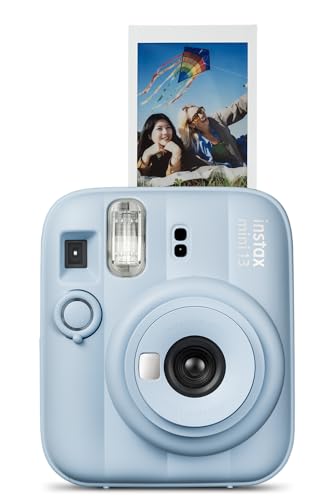
Instant cameras print a small photo seconds after the shutter click, which delights younger children at parties. Film packs raise the cost of every shot and image quality stays modest, but each frame counts, so the print itself teaches careful framing.
Compact Cameras for Everyday Carrying
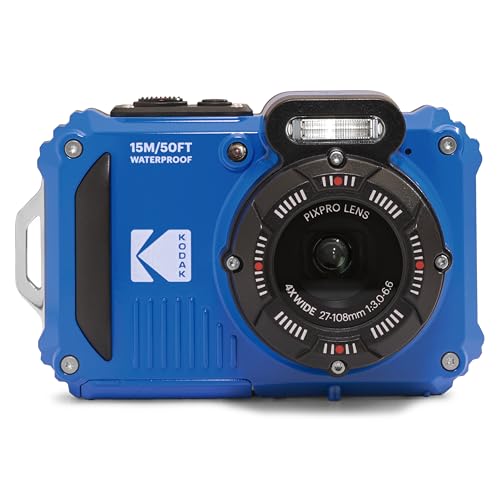
A compact camera slips into a jacket pocket, turns on fast and handles most family subjects well. It is the easiest step up from a phone for real zoom and a steadier grip. For build and lens quality at this level, see our guide to the best quality cameras for beginners.
Action Cameras for Sport and Water
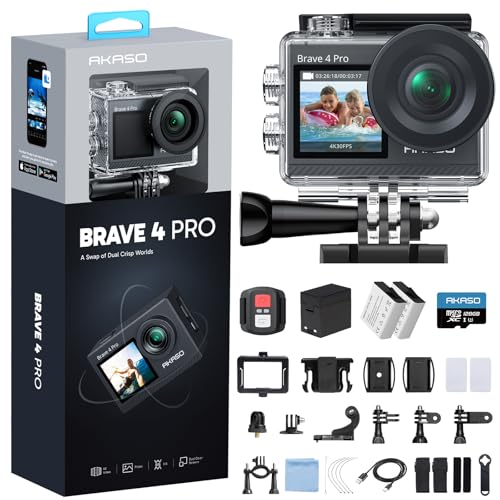
Action cameras are small, tough and often waterproof to about 10 meters in a rated body or housing, so they suit cycling and swimming trips. The very wide view can distort faces at close range, so this type works best as a video first tool for an active teen.
Vlogging and Mirrorless Cameras for Video Creators
Cameras made for video add a screen that flips toward the user, a microphone input and strong subject tracking. Mirrorless models add lens choice and larger sensors for cleaner indoor clips. For the classic single lens reflex route, see our guide to the best beginner slr cameras.
Common Mistakes to Avoid
- Buying a heavy advanced body for a young beginner leaves it at home because carrying it feels like a chore.
- Choosing a camera by megapixel count alone leads to noisy indoor photos when the sensor itself is small.
- Trusting digital zoom numbers on the box leads to soft and grainy photos of distant subjects.
- Spending the whole budget on the body leaves nothing for a memory card, a case and a spare battery.
- Skipping a wrist strap or a padded case invites one short drop to crack a lens.
- Letting a young child use a camera unsupervised around small parts and charging cables creates an avoidable safety risk.
Care and Maintenance for a Young Beginner Camera
Clean the lens with a soft lens cloth, never a shirt or a paper towel, since grit in fabric can scratch the coating. Blow loose dust off first, then wipe in small circles. An adult should clean a sensor or the inside of a lens mount, because those parts damage easily.
- Carry a spare charged battery and a spare card, so a full card or a flat battery never ends a trip early.
- Store the camera in a dry padded bag at home, away from bathroom steam and sunny window ledges.
- Update the camera firmware when the maker offers it, with a full battery in place and the maker instructions followed.
- Keep the wrist strap on during use and coil charging cables loosely, so plugs and ports do not bend or strain.
FAQ
What makes a camera for a young beginner different from a regular camera?
A camera for a young beginner differs mainly in control layout, size and forgiveness, not in brand. Menus use plain labels, auto modes make more decisions and the body is light enough for smaller hands. Some models add a learning dial that limits how many settings can change at once, so a child masters one skill per outing.
Is a smartphone enough instead of a first camera for a young beginner?
A smartphone is enough for casual snapshots, and many young users already use one well. A dedicated camera still adds real optical zoom, a firmer grip and a device free from games and messages during a photo walk. It also gives a child a tool that is fully theirs to care for, which builds responsibility.
How much should a family spend on a first camera for a young beginner?
Most families do well at about $100 to $250 for a first camera, with tougher instant and compact models near the lower end. Keep part of the budget aside for a card, a case and a spare battery. Spend far more only when a teen already shoots weekly and asks for specific features by name.
Can a young beginner learn manual settings on a mostly auto camera?
Yes, a young beginner can learn manual settings on a mostly auto camera, one control at a time. Start with the mode that lets the user set aperture while the camera chooses shutter speed, and compare two photos of the same subject at different settings. A small notebook of what changed turns trial into a simple, repeatable lesson.
How can a young beginner keep photos safe and backed up?
A young beginner can keep photos safe by copying each card to a computer or family drive before formatting the card for reuse. Name folders by date and event, so a school play can be found months later. A second copy on a separate drive protects the only photos of one time family moments.
Final Thoughts
Match the camera to the young person in front of you. Simple controls, a size that small hands can hold, honest optical zoom and a battery plan will matter more each week than a long spec list. Use the product table above to check price.
Chosen that way, the best cameras for young beginners become a daily tool for seeing the world with more care, and a hobby that grows at a pace your young photographer sets.