
Best Cameras for Teens in 2026: Which Type Is Right for You?
Disclosure: We may earn a commission when you buy through links on this page, at no extra cost to you. As an Amazon Associate I earn from qualifying purchases. Learn more

Compare cameras for teens by type, ease of use, size, image quality, and price, so you can pick a camera a teen will enjoy using and keep using.
Choosing the best cameras for teens can feel confusing because every type promises great photos, easy video, and a fun way to share memories. Teens have their own needs too, since a camera must be light enough to carry, simple enough to learn, and tough enough to survive school bags, trips, and everyday use. This guide compares the main types side by side so you can see the trade offs clearly in the comparison table below.
You will learn how each type handles size, ease of use, image quality, and price, plus which features help a teen learn photography and which ones only add cost and complexity. By the end, you should know whether a simple compact, a flexible vlogging camera, or a more creative film style camera fits the teen in question.



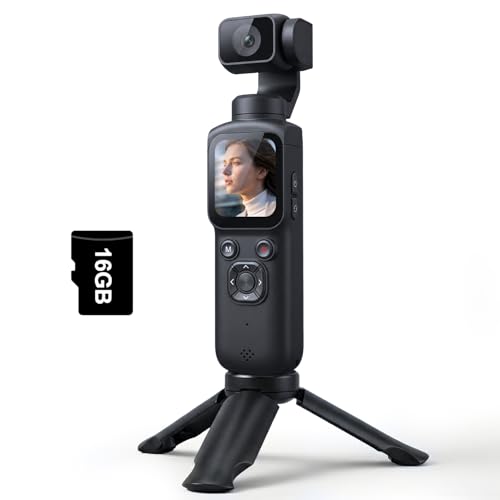
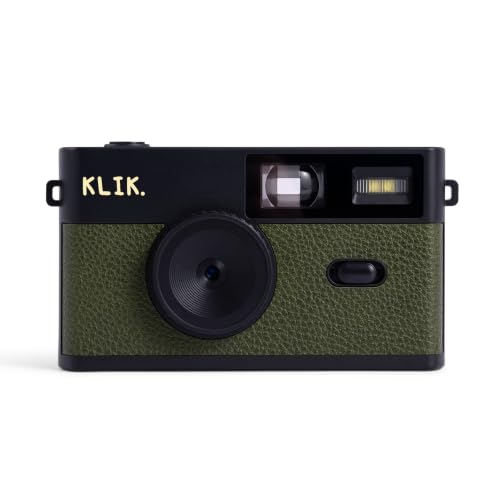
Types of Cameras Compared
The table in this section gives a quick view of the main styles, and the sections below explain each one in more detail. Think about how the teen will use the camera, how much they want to learn about settings, and whether they mainly shoot photos, video, or both. A camera that feels fun on day one is more likely to be used than a complex camera that stays in a drawer, so ease of use matters as much as image quality. For a first step into dedicated cameras, see our guide to the best digital cameras for teens.
| Type | Best For | Pros | Cons | Typical Price |
|---|---|---|---|---|
| Instant film cameras | Fun prints and gifts | Instant prints, simple use | Film cost, limited control | around $70 to $150 |
| Point and shoot compacts | Everyday photos and trips | Light, easy, built in zoom | Less manual control | around $150 to $600 |
| Vlogging cameras | Video and social clips | Flip screen, good audio options | Shorter battery life on video | around $250 to $900 |
Instant Film Cameras
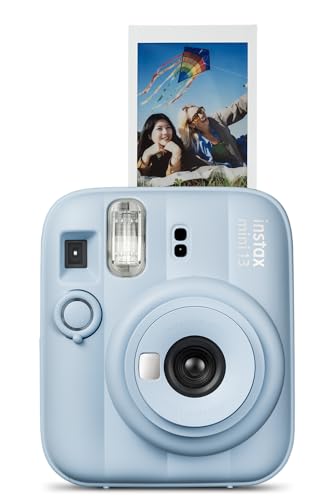
Instant film cameras print a small photo seconds after you press the shutter, which makes them popular for parties, trips, and gifts. They are simple to use, with very few settings to learn, and the print itself becomes part of the fun. Teens who like tangible keepsakes often enjoy this style more than a camera that only stores files on a card.
The main cost is film, since every shot uses a print, so running costs add up faster than with a digital camera. Image control is also limited, with little room to adjust exposure or focus in tricky light. Still, for casual fun and creative projects, an instant camera can be a great first camera, especially when an adult helps a younger teen understand film costs and safe handling.
Point and Shoot Compacts
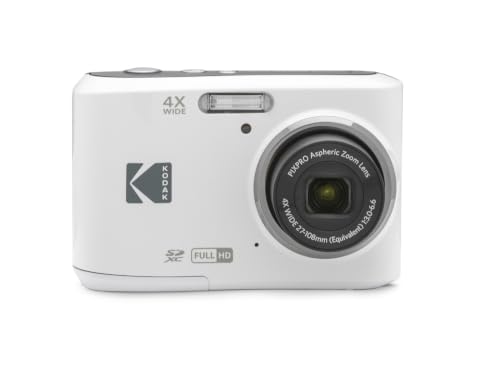
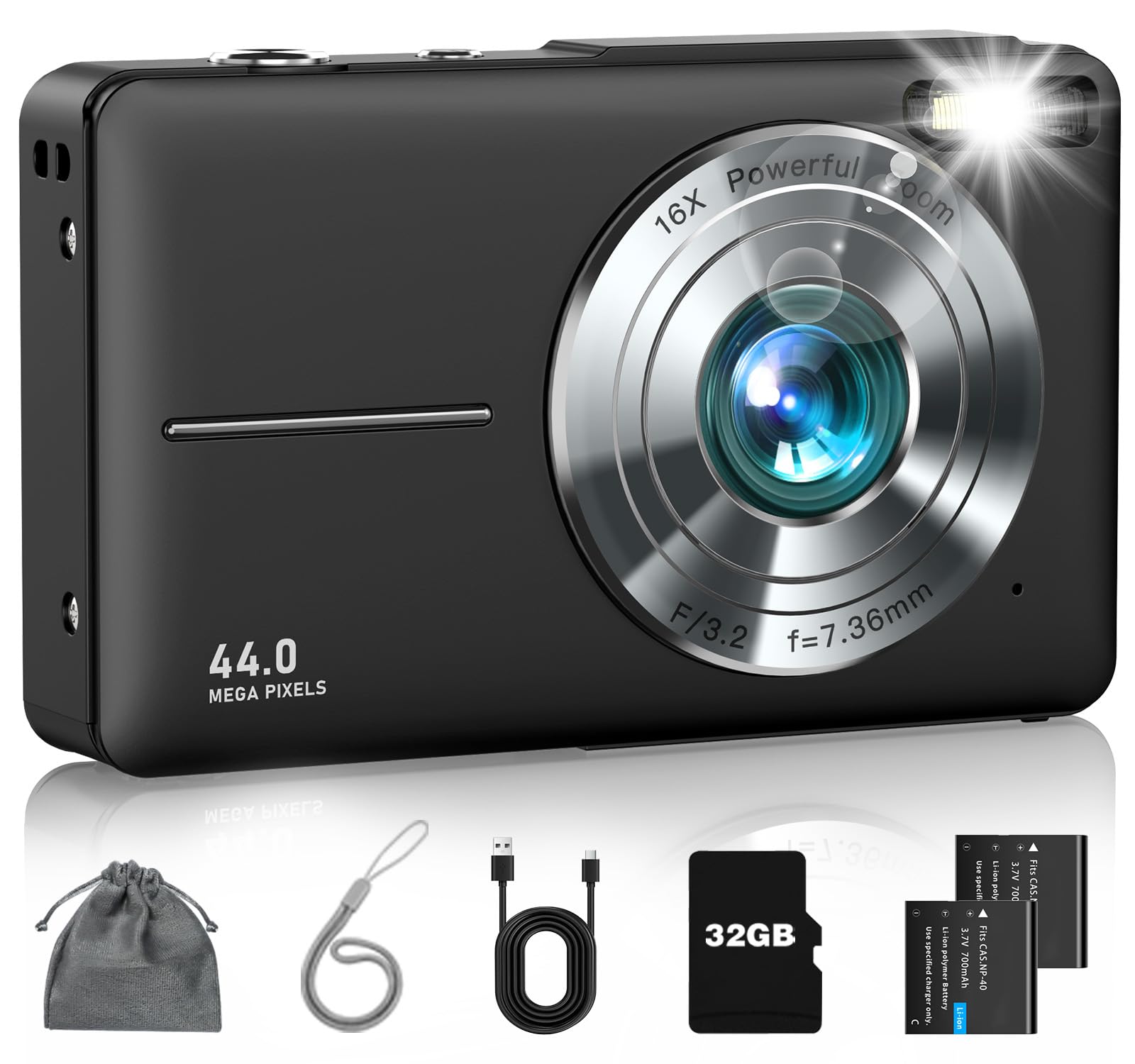
Point and shoot compacts offer a built in zoom lens, auto modes, and a pocket friendly body, which makes them a strong all round choice for teens. They suit school trips, family holidays, and everyday photos without the need to learn manual settings or carry extra lenses. Many compacts also offer good stabilization, which helps when shooting on the move or in low light.
The trade off is less creative control than a camera with interchangeable lenses, so a teen who wants to learn manual photography may outgrow a basic compact sooner. Battery life and screen quality also vary, so check maker guidance on charging and storage before you buy. For most teens who want better photos than a phone without extra complexity, a compact hits a useful middle ground.
Vlogging Cameras
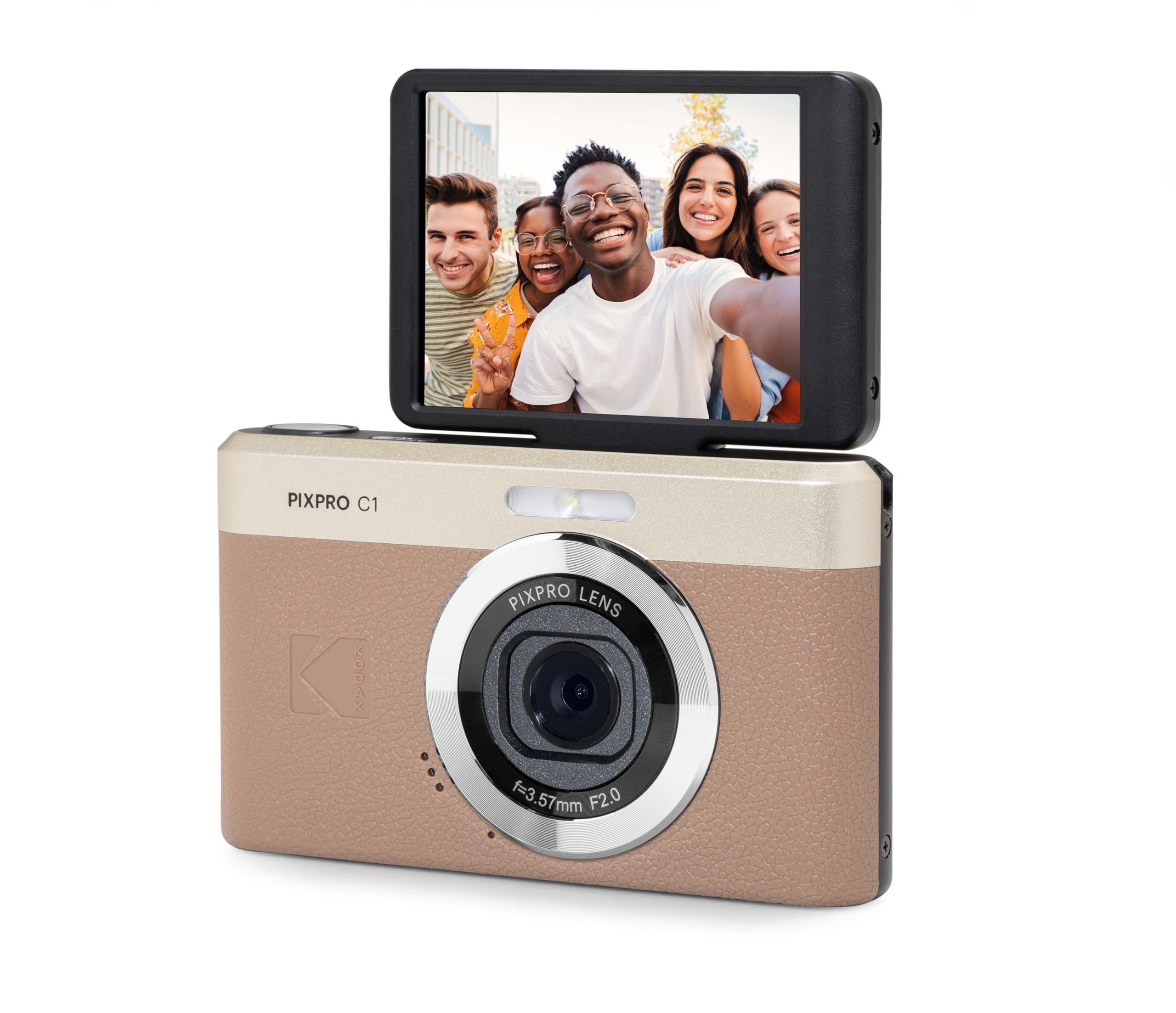
Vlogging cameras are built for video first, with a flip screen for self framing, strong stabilization, and options for better audio through a mic input. They suit teens who make clips for school projects, hobbies, or creative channels, and who want smoother video than a phone can offer in motion. Many models also take good still photos, so they can cover both jobs in one body.
Video drains batteries faster than still photos, so a spare battery and a portable charger are smart extras. Vlogging cameras also need more storage, since video files are large, so plan for a fast memory card and a simple backup habit. Adult supervision helps younger teens think through what they film and share, and maker guidance on safe use should be followed for mounts, straps, and charging.
Instant Film Cameras vs Point and Shoot Compacts: Which Should You Choose?
Start with what the teen will enjoy most. Instant film cameras win for fun, gifts, and instant results, while point and shoot compacts win for everyday photos, zoom range, and low running costs. If the teen loves handing out prints at events, film is hard to beat. If they want a camera for trips, sports, and daily life, a compact will be used far more often.
Next, weigh cost over time, image control, and storage. Film costs add up with every shot, while a compact stores hundreds of photos on one card at no extra cost per shot. A compact also lets a teen review, delete, and edit photos, which helps learning. For a first camera with lasting value, a compact usually makes more sense, while a film camera works well as a fun second camera.
How to Choose the Right Camera
Ease of Use for Your Skill Level
Ease of use matters more for teens than a long feature list, since a camera that feels confusing will be left at home. Look for clear menus, reliable auto modes, fast startup, and a focus system that locks on quickly without extra steps. App transfer is also useful, since teens often want to move photos to a phone for editing and sharing, so check how simple that step is before you buy. If you want a gentle starting point, see our guide to the best starter cameras.
Sensor Size and Image Quality
Sensor size affects detail, low light performance, and how much you can crop a photo before it looks soft. A 1 inch sensor usually beats a small compact sensor in dim light, while a larger sensor gives cleaner files and more room to edit. Megapixels alone do not tell the whole story, since a large sensor with fewer megapixels can still produce a sharper image than a small sensor packed with tiny pixels.
For teens, the practical test is simple: does the camera take clear photos indoors, at dusk, and on the move, or only in bright daylight? Read maker guidance on sensor size and ISO range, then weigh that against size and price. A slightly larger camera with a better sensor is often worth it if the teen shoots indoors or at events.
Low Light Performance
Low light performance depends on sensor size, lens brightness, and stabilization working together, not on one number alone. A wider maximum aperture lets in more light, while stabilization reduces blur from hand movement at slower shutter speeds. Higher ISO settings help in dim rooms, but very high settings can add grain, so a camera that stays clean at moderate ISO values is more useful than one that only looks good on paper.
Teens who shoot concerts, parties, or evening sports should favor low light ability over zoom range. Try to compare sample photos in dim light when you can, and remember that a steady grip and a simple tripod or resting the camera on a stable surface can improve results without extra cost.
What Teens Should Look For
Teens need a camera that fits their hands, their bag, and their daily routine. Size and weight matter, since a heavy camera will be left behind on school days and trips. A good grip, large buttons, and a durable body help too, especially for younger teens who are still learning to handle gear with care. Keep small parts, straps, and memory cards away from younger children, and follow maker guidance on charging and battery care.
Also think about learning room. A camera with simple auto modes plus a few manual options lets a teen start easily and grow into creative control over time. A flip screen helps for self portraits and video, while WiFi transfer and a simple editing app make sharing easier. Adult supervision for younger teens helps with budgeting, safe sharing, and understanding running costs like film or extra cards.
Choosing Cameras for Your Situation
Choosing by Price
When price leads the choice, compare total cost rather than the body price alone, since memory cards, spare batteries, cases, and film all add up. A compact camera often gives the best value for everyday use, while an instant camera looks cheap at first but costs more per shot over time. Set a clear budget with the teen, list the extras they will need in the first month, and choose the type that leaves room for those extras without cutting into image quality.
Action Cameras
Action cameras suit teens who ride, swim, hike, or play sports and want rugged, hands free video. They are small, often water resistant, and easy to mount on a helmet or chest strap, which makes them fun for active days. The wide angle view captures the feeling of movement, while stabilization keeps clips smooth even on rough ground.
The trade off is a smaller sensor and limited zoom, so distant subjects look small and low light video can look grainy. Action cameras work best as a second camera for adventure days rather than a main camera for portraits and school events. If the teen is active outdoors, pair an action camera with a compact for everyday photos.
35mm Film Cameras
Film cameras that use 35mm film appeal to teens who want to learn photography slowly and enjoy the look of film. They teach careful framing, since every shot costs money and cannot be reviewed at once, and they encourage patience and planning. A simple manual film camera can be a great learning tool for an older teen with adult guidance on film, developing costs, and safe handling.
Running costs are the main limit, since film and developing add up, and results take time to see. For that reason, a 35mm film camera usually works best as a learning project rather than a main everyday camera. Teens who love the process often enjoy it deeply, while teens who want instant sharing may prefer a digital compact.
Tips to Get the Most From Your Camera
Good habits make any camera better. Use a lens cloth, not your shirt, to clean the lens, carry a spare battery on long days, and store the camera in a dry, padded bag when it is not in use. Teach the teen to back up photos regularly, label memory cards, and charge batteries following maker guidance rather than leaving them plugged in for days.
Encourage practice in different light, from bright daylight to indoor rooms, so the teen learns what the camera does well and where it struggles. Simple projects, like a photo a day for a month or a short video about a hobby, build skill faster than reading settings menus. Praise the photos that work, and treat mistakes as a normal part of learning.
Cameras: Your Questions Answered
What makes cameras for teens different?
Cameras for teens differ mainly in size, simplicity, durability, and price, since they must fit smaller hands, school bags, and tighter budgets. They favor easy auto modes, clear menus, and tough bodies over advanced manual controls and heavy lens kits. A teen camera should also leave room to learn, with a few manual options for teens who want to grow their skills over time.
How much should I spend on my first one?
Most families spend about $100 to $400 for a first teen camera, with instant cameras at the lower end and compacts or vlogging cameras higher up. Spend less if the teen is still deciding, and spend more only when you know they will use the camera often for photos or video. Remember to budget for a memory card, a case, and a spare battery, since those extras affect daily use.
What specs matter most for beginners?
Beginners should focus on reliable autofocus, good stabilization, simple menus, and solid battery life rather than advanced manual settings. A camera that focuses quickly and keeps photos sharp will produce better results than a complex camera that feels hard to operate. Screen quality matters too, since a clear screen helps a teen check framing and focus before the moment passes.
Is a smartphone enough instead?
A smartphone can be enough for casual snapshots and short clips, especially in bright daylight and close range. A dedicated camera pulls ahead when a teen wants optical zoom, better stabilization at speed, longer battery life, or a more hands on way to learn photography. If the teen shoots often, prints photos, or wants to learn creative control, a dedicated camera is usually worth it.
What does focal length mean for teen photos?
Focal length describes how wide or narrow the view is, with shorter lengths showing more of the scene and longer lengths bringing distant subjects closer. A wide view suits group photos and landscapes, while a longer view suits a friend across a field or a performer on a stage. Zoom cameras let a teen change this view without swapping lenses, which is handy for school events and trips.
Which camera type is better for low light?
A camera with a larger sensor and a wider maximum aperture usually performs better in low light, since it gathers more light and produces cleaner files at higher ISO settings. Compacts with a 1 inch sensor often lead here, while very small sensors can look grainy indoors or at dusk. If the teen shoots a lot at parties, concerts, or evening games, favor sensor size and lens brightness over zoom range.
Final Thoughts
The right choice comes down to how the teen will actually use the camera. Instant cameras lead for fun prints, compacts lead for everyday photos, and vlogging cameras lead for video and creative clips. Weigh size, ease of use, durability, and total cost before you weigh resolution alone, and involve the teen in the choice so the camera feels like theirs.
Before you buy, compare a few types against your budget, check maker guidance on charging, storage, and safe use, and plan for extras like cards and cases. The best cameras for teens are the ones a teen will carry, enjoy learning with, and keep using, so pick the style that fits their life and check the product table above for a final side by side look.


