
Best Cameras for Shooting Film in 2026: Which One Fits the Way You Use It?
Disclosure: We may earn a commission when you buy through links on this page, at no extra cost to you. As an Amazon Associate I earn from qualifying purchases. Learn more

Compare film camera types for shooting on film by format, lens, metering and focus, plus total running costs and the mistakes that waste whole rolls.
There is no single film camera that suits everyone, because format, focus style and running costs pull in different directions. This guide to the best cameras for shooting film starts with the way you plan to shoot, then matches camera types and features to that routine. A careful match saves money on the body and on rolls you enjoy finishing.
You will also get a clear view of the costs that follow the purchase, from film stock and developing to scanning for sharing online. Some readers need quiet manual control for portraits, while others need fast focus for family scenes. Use the shortlists in the comparison table below to narrow the type first.
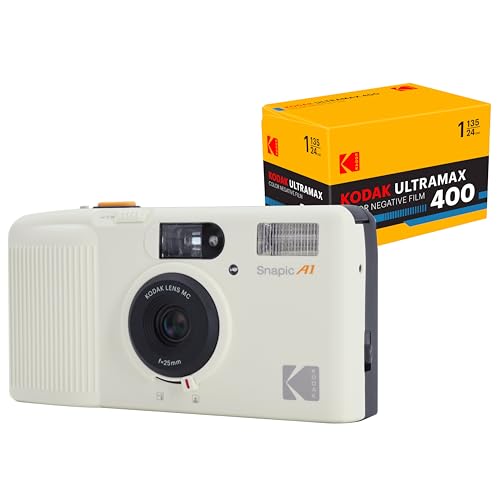
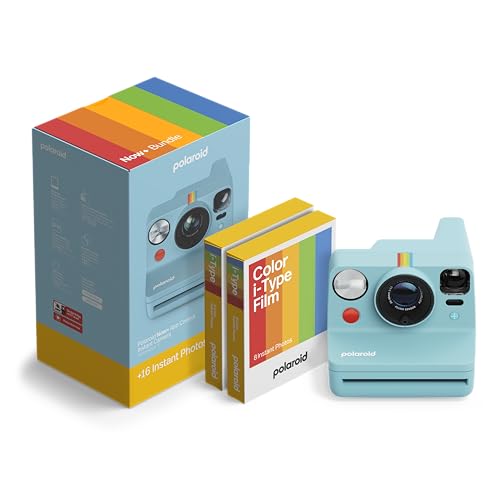
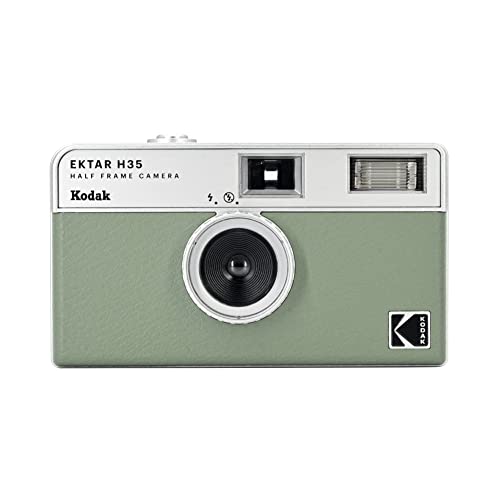


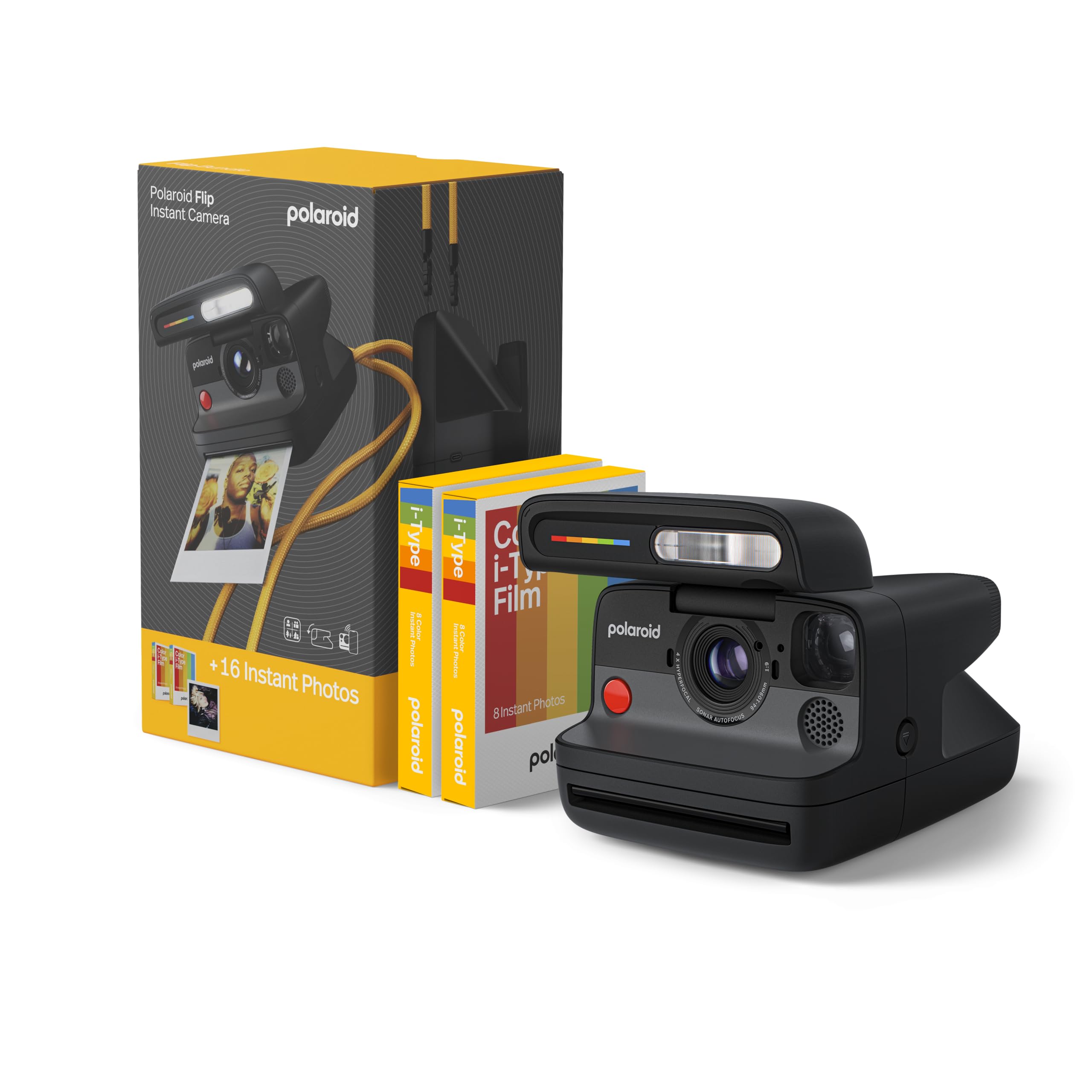
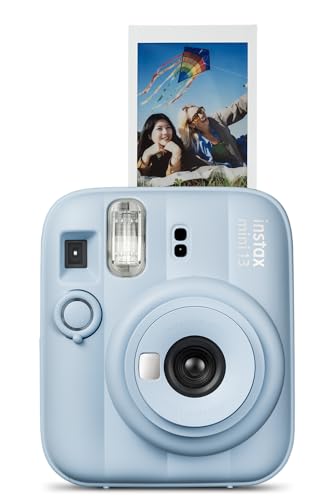


Who Should Buy Which Cameras?
For Learners Moving Beyond a Phone
Choose a simple 35mm camera with a working meter and either aperture priority or full manual control you can grow into. A single lens near 50mm teaches composition without extra choices, and clear dials help you link shutter speed, aperture and focus to each result. If you want guided picks for this starting point, see our guide to the best starter film cameras before you shop. Budget for film and developing from the start, since regular shooting teaches more than rare outings.
For Portrait and Landscape Shooters Who Work Slowly
Pick a camera that gives you deliberate control over focus and exposure, since portraits reward shallow depth and landscapes reward careful metering across sky and shadow. An interchangeable lens body lets you add a portrait length lens or a wider view later, and a tripod socket plus a cable release support slow work. Medium format brings larger negatives and finer detail, but each roll holds fewer frames, so choose it only when you plan each shot.
For Travelers and Street Photographers Who Carry a Camera Daily
Favor a compact body you will carry all day, with a quiet shutter, a bright viewfinder and a lens that covers groups as well as single subjects. Fast zone focus or dependable autofocus helps when a scene lasts only seconds, and solid build matters when the camera rides in a pocket or day bag. Instant models trade control for immediate prints, so see our guide to the best instant film cameras if sharing prints on the spot matters most.
Choosing Cameras for Your Situation
Best Cameras for Shooting on Film
Shooting on film means you commit at the moment of exposure, because there is no screen for checking and no way to delete a weak frame. Judge these cameras by meter honesty, focus confidence and how clearly the controls show your settings. Film choice also shapes results, so readers comparing formats and stock paths can see our guide to the best cameras with film for a related view.
Best Film Cameras for Shooting on Film: What to Prioritize
The words best film cameras for shooting on film should point you to condition and clarity first, not to the longest feature list. Prioritize clean lens glass, accurate slow shutter speeds and fresh light seals, since flaws in any of these can spoil a whole roll at once. Then check that film for the format is easy to buy near you or by mail. Our guide to the best film photography cameras adds context on that wider field.
Key Features to Compare
When you compare the best cameras for shooting film side by side, five checks explain most of the difference in results and in daily use.
Film Format and Frame Size
Format decides negative size, cost per frame and the look of the final image. The 35mm format is the easiest place to start, with wide film choice, smaller bodies and about 24 to 36 frames per roll. Medium format uses larger negatives that hold fine detail and smooth tones, but bodies grow heavier and each roll yields fewer frames. Instant film skips the lab and prints within minutes, yet each frame costs more.
Camera Type and Viewfinder Style
An SLR shows the scene through the taking lens, so what you frame is close to what the film records, which helps with close subjects and longer lenses. A rangefinder uses a separate window and bright frame lines, a setup many street photographers like for its smaller size and clear view beyond the frame. Compact cameras automate more and slip into a pocket, but they give you less say over focus and exposure. Try holding each type, since eye comfort decides how often you shoot.
Lens Choice and Maximum Aperture
The lens shapes your pictures more than any dial on the body. A fixed lens keeps a camera light and simple, but an interchangeable system lets you move from a wide view for rooms and streets to a longer view for portraits. A larger maximum aperture, shown by a lower f number, admits more light indoors and blurs backgrounds more strongly. Check the glass under bright light for haze, fungus or deep scratches, since those flaws lower contrast across every frame.
Metering and Exposure Controls
A built in meter reads the light and guides your shutter speed and aperture, and its accuracy matters because film cannot be reviewed and corrected on the spot. Full manual control suits learners who want to understand exposure, while aperture priority speeds up shooting when light changes quickly. Ask whether the camera offers exposure compensation for snow, beaches or stage light. If a body has no meter, plan on a phone app and learn the sunny 16 rule for bright days.
Shutter Accuracy, Light Seals and Service History
Most film cameras for sale today are used, so condition is a true buying feature, not a footnote. Shutter speeds should sound even across the range, the advance lever should move smoothly, and the film door should close without force. Foam light seals often crumble with age and let stray light fog frame edges, but a technician can replace them at modest cost. Ask when the camera last had a service, and favor sellers who have run a test roll through it.
Common Mistakes to Avoid When Buying Cameras
- Judging a camera only by its body price, because film, developing and scanning can pass the body cost within a year of regular shooting.
- Buying a rare format before checking film supply, so the camera sits unused when rolls are hard to find or labs will not process them.
- Skipping a test roll on a used body, so shutter faults or light leaks appear only after an important trip.
- Choosing a heavy system for daily carry, so the camera stays at home and a smaller body would have taken more pictures.
- Loading important scenes onto an unfamiliar camera first, so simple loading or exposure errors cost you the frames that matter most.
Caring for a Film Camera Body and Lens
Use a lens cloth, not your shirt, since grit caught in fabric can mark lens coatings, and keep a blower in your bag for dust on the mirror, screen and film gate. Carry a spare battery for the meter when your body needs one, and change it before a long trip rather than during a shoot.
Store the camera in a dry, padded bag away from heat, and leave it out of a hot car, since heat speeds the aging of light seals and can harm loaded film. If you will not shoot for several months, finish or remove the roll and store it in a cool place with a note on its contents. Wipe the body after beach or rain use, and send sticky dials to a technician.
Your Questions Answered About Film Cameras
What features matter most in a camera for shooting film?
Meter accuracy, lens clarity and shutter condition matter most, because each one affects every frame on the roll. Also confirm that the meter covers the film speeds you plan to use, since some older meters stop short of the fastest stocks sold today. A frame counter that resets cleanly is a small detail worth checking in person before you pay.
How much should I spend on a first film camera?
A sensible first budget is about $150 to $400 for a serviced body with one lens, plus enough for several rolls and their developing. Buying from a seller who accepts returns gives you a window to run a test roll and spot faults before the money is final. Spending less on the body and keeping funds for shooting usually teaches you faster than buying a rare body and using it rarely.
Is a smartphone enough instead of a film camera for everyday photos?
A smartphone is enough for fast sharing, but it cannot give you the slower process or the look of a developed negative. Many film shooters still keep a phone nearby as a light meter and a notebook for frame notes, so the two tools often work together. Readers who decide that instant digital results suit them better can see our guide to the best digital cameras for that path.
Which film camera type is better for low light shooting on film?
A camera with a fast lens is better for low light, because the wide aperture gathers more light before the shutter speed drops too low for steady hands. Pair that lens with a faster film stock, and ask your lab about push processing when a roll was shot in dim rooms. Rangefinders earn fans here, since their bright frame lines stay visible in dim scenes.
Do all film cameras need a battery to keep shooting?
No, many mechanical film cameras fire at every shutter speed with no battery at all, and only the meter stops working when the cell runs flat. Fully electronic bodies are different, since a dead battery can stop the shutter and the film advance together. Before buying an older body, confirm that its battery type is still sold or has a modern substitute with the right voltage.
Wrapping Up
Match the format to your subjects, insist on sound condition in a used body, and keep the full cost of film and processing in your budget from day one. Learners do well with a simple 35mm body, while deliberate shooters gain from interchangeable lenses and larger negatives. Review the shortlist in the product table above, and the right choice among the best cameras for shooting film fits the way you already love to photograph.


