
Best Cameras for Scuba Diving in 2026: What Actually Matters Before You Buy
Disclosure: We may earn a commission when you buy through links on this page, at no extra cost to you. As an Amazon Associate I earn from qualifying purchases. Learn more

A criteria guide to the best cameras for scuba diving: depth ratings, light, seal routines and red flags, so you buy on what matters and skip what does not.
Spec sheets make underwater cameras look like a contest of megapixels and frame rates. On a dive, none of that decides whether you come home with pictures. What matters is shorter and less glamorous: whether the case keeps the sea out at your depth, whether you bring enough light, and whether the seal was clean when you closed it. Rank the best cameras for scuba diving by those three tests and the buying decision gets simple.
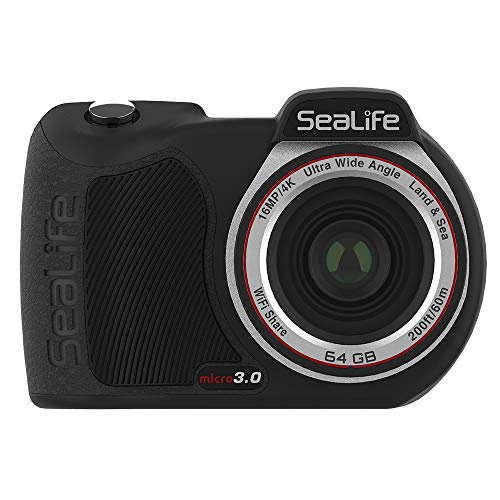
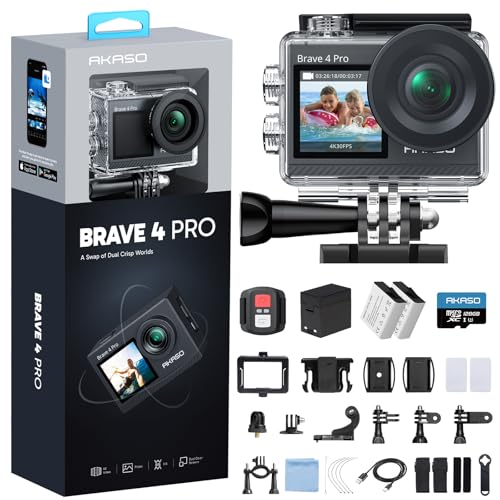
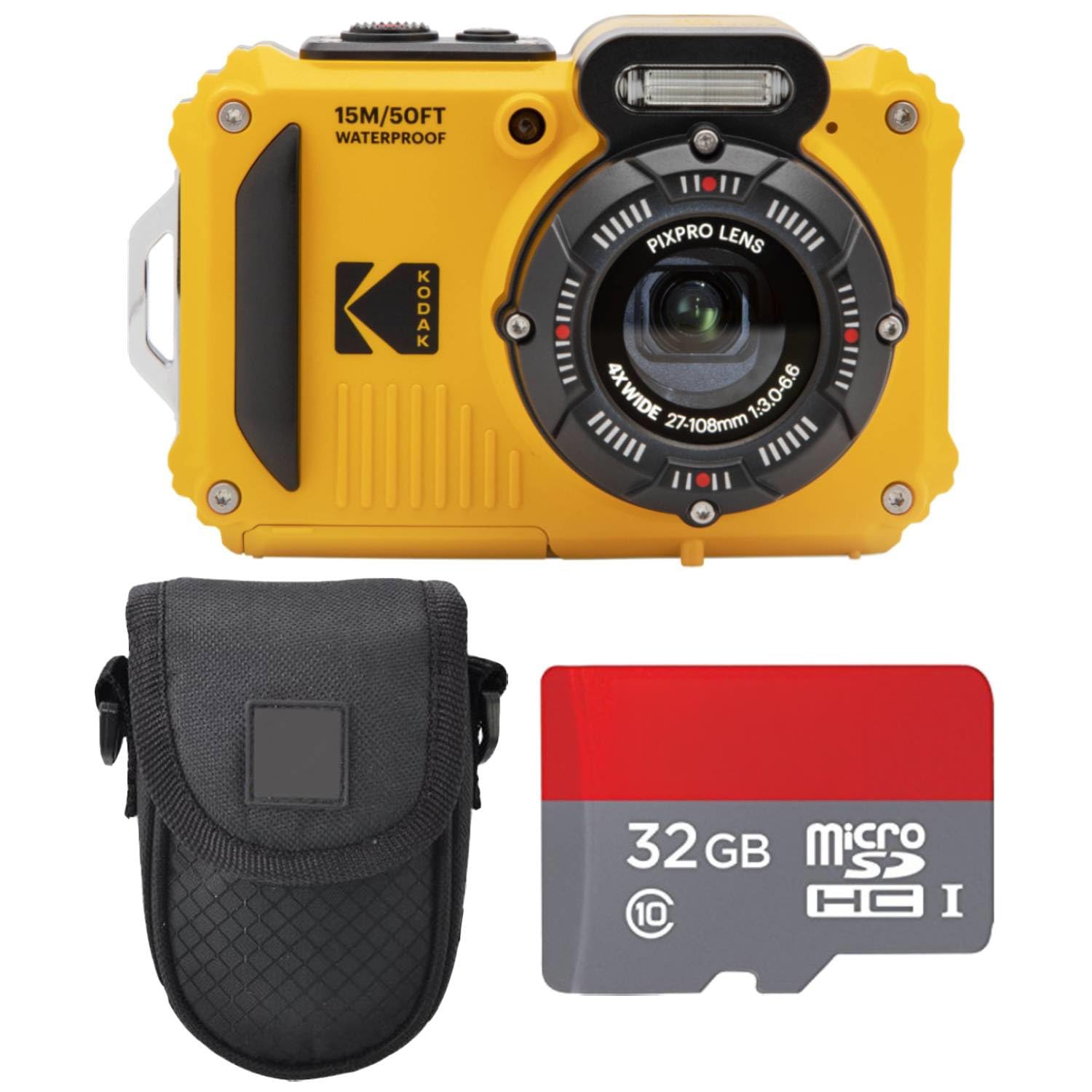
This guide is built as a checklist you can apply to any camera, at any price, in any shop. It opens with the depth question, because that is where money and safety meet, then covers light, the flood prevention routine, the remaining specs in the order they deserve, and the warning signs that mark a bad buy. The comparison table below sorts the common setup classes while you read.




The Depth Rating Is the Whole Ballgame
Start every evaluation here, before sensor size, before video, before brand. A camera's depth story has two numbers in it, and only one of them belongs in your dive plan. Confusing the two is the single most expensive mistake in this category, and it is made by marketing far more often than by buyers.
Native Ratings Stop Near the Surface
When a camera calls itself waterproof, the rating behind that word is modest: rain, a dunk in a pool, a snorkel over a shallow reef. The seals are light, the body flexes, and the test behind the claim assumes still water close to the surface. None of it was designed for the steady squeeze of a descent to recreational depths. Read a native rating as permission for the beach and the boat, not for the dive, and you will never be surprised by it.
The Housing Rating Is the Number to Plan Around
A proper dive housing is a rigid shell pressure tested to a stated depth, and that statement is the ceiling for your whole rig. Match it to your certification and your habits with room to spare, since seals soften with age and a rating earned in a test tank is not a promise about a neglected case. Divers who plan around a housing rated near 200 feet while diving to half of that are not wasting money. They are buying margin, and margin is the correct currency underwater.
Light Decides What Your Pictures Look Like
Ask experienced underwater photographers what improved their results most and few will name a camera. They name light. The sea eats color as depth grows, red first and fastest, and no sensor can record color that never reached the subject. Judge every setup partly by how it plans to deal with that fact.
Getting Close Beats Every Setting
The cheapest light upgrade is distance. Every foot of water between your lens and your subject drains color and sharpness, so a wide lens used close beats a long lens used from across the reef in almost every condition. This shapes buying more than buyers expect. It favors compact rigs you can maneuver in close, wide ports, and subjects like turtles, rays and reef scenes over shy fish that hold their distance. Plan your lens for the working distance the water allows, which is short.
Strobes, Video Lights and When Each Earns Its Place
Strobes serve stills: a short, bright pulse that freezes a moving subject and returns its true color at close range. Video lights serve film and double as aiming lights, burning steadily at the cost of weight and battery. Trays and arms hold either kind off the camera axis, which keeps the beam from lighting up the particles floating in front of your lens. That backscatter, the snowstorm look in beginner footage, is a lighting position problem far more often than a camera problem, and it is fixed by geometry before gear.
The Seal Routine That Prevents Floods
Most underwater camera failures are not deep mysteries. The case flooded because the seal was dirty, dry or nicked, and the dive proceeded anyway. The routine below takes two unhurried minutes on land. Treat it as part of the purchase, because a camera system without this habit behind it is a short lived camera system.
Inspecting the Ring Every Single Time
The main O ring is the one barrier between your camera and the sea, and it fails for embarrassingly small reasons. Sand from a beach towel, a strand of hair, a dried salt crystal: each can hold the ring off its seat and open a path for water once pressure builds. Run the ring through clean fingertips before every dive and feel for grit rather than only looking for it. Keep the ring lightly greased with only the compound its maker specifies, since the wrong grease can swell the material and quietly ruin the fit.
Rinsing, Drying and Storing the Case
After the dive, soak the sealed case in fresh water and press every button and dial while it is submerged, flushing the salt that collects in the shafts. Open it only once your hands and the case exterior are dry, and tip the camera out rather than letting droplets fall in. Store the case with the door open and the ring relaxed, away from sun and heat. A desiccant packet inside during any trip does quiet work against fogging, and spare rings belong in the same bag as the camera, every time.
The Rest of the Checklist, in Order
With depth, light and sealing settled, the familiar specs earn a look, reordered for water. Work down this list when you judge the product table above or any shelf of cameras, and stop weighing a factor once the class you are buying has it covered.
Sensor Size and Low Light Behavior
Below the surface, light is the scarce resource, so sensor size outranks resolution. A 1 inch class sensor is the sensible floor for a diver who shoots stills in typical reef light, and larger formats pull further ahead inside wrecks and under ledges. High pixel counts on small sensors split that scarce light into ever smaller pieces. If your diving is shallow and tropical, modest sensors serve well; if your diving is deep, cold or dark, sensor size is where your money should go first.
Battery Life Across a Full Dive Day
Boats rarely offer a charging point between dives, and opening a case on a wet deck to swap a battery invites exactly the contamination the seal routine exists to prevent. Judge a camera by whether one charge covers your longest planned dive day, and treat maker shot counts as optimistic, since cold water and constant reviewing drain cells faster. Many divers solve the problem a simpler way: a second battery charged each night, swapped in a dry cabin, never on deck.
Video Specs That Genuinely Matter
Underwater video rewards steadiness and color tools over raw resolution. A frame rate of 60 per second smooths surge and lets you slow a moment without judder, and a flat profile preserves the color information you will restore in editing. Stabilization helps, though a well trimmed diver with a two handled tray still beats software. Readers sorting the wider family of best underwater cameras for scuba diving will find these same priorities repeated in different words, because physics does not negotiate.
Handling, Weight and Travel Sense
A rig is something you carry through airports, rinse in small sinks and hold steady in current. Slightly negative or neutral buoyancy in the water is the goal, achieved with floats on the arms when lights are fitted. On land, sheer size decides whether the camera travels at all. Divers who fly to dive often land on the smaller classes by hard experience, while boat divers with short carries can enjoy the big systems. Match the rig to your real itinerary, not your ambitions.
Setup Classes by Budget
Money in this category buys depth margin, light and control, in that order. Entry setups around $300 to $700 pair a sealed compact or an action camera with its rated housing, and they cover reef diving honestly. The middle ground, about $900 to $2,000, adds a tray, one real light and a larger sensor, which is where most keen divers settle for years. Advanced rigs above that buy interchangeable lenses and dual lights, and they repay divers who shoot weekly. Compact shortcuts sold as best scuba cameras and general purpose best diving cameras overlap this same ladder, so judge any of them by the rungs, not the label.
Quick Buyer Checklist
- Is the housing rated clearly deeper than the deepest dive I actually plan?
- Does the housing give me shutter, mode and exposure controls, not just a record button?
- Can I work every control wearing the gloves I dive in?
- Does my budget include light, or a filter plan for shallow water only?
- Will one battery charge cover my longest dive day without opening the case on deck?
- Are spare seal rings and the correct grease easy to buy for this system?
- Does the whole rig fit the way I travel, in size and in weight?
Red Flags to Watch For
- A waterproof claim with no depth figure attached, or a depth figure with no housing named.
- A bargain housing with no spare seals, no grease and no support behind it.
- Spec sheets that shout resolution and say nothing about controls, ports or seal design.
- Depth ratings that exactly match your planned maximum, leaving no margin at all.
- Accessory lists that push arms, trays and floats while skipping the tray itself, the part that makes lights usable.
Keeping Your Camera Alive Season After Season
Longevity underwater is mostly freshwater and patience. Soak the closed rig after every salt day, let it dry fully before storage, and keep seals out of sunlight, which ages the material quietly between trips. Have housings serviced on the maker's schedule, since internal seals you cannot see carry the same pressure as the one you inspect. Treat the wider debates about best digital cameras as background reading for land use; the survival rules above are the ones your dive camera actually lives by.
Scuba Diving Camera Questions Answered
How much should a first scuba camera setup cost?
A workable first setup lands around $300 to $700 once the housing is included, and the housing is not optional at scuba depth. That money buys a sealed compact or an action camera class rig with honest depth coverage for recreational reefs. Spending more at the start mostly buys light and control you may not use yet. A better pattern is a mid priced rig now, then a tray and light later, once your first season of dives shows you what you actually shoot.
Can a phone in a dive case replace a dedicated camera?
A phone in a well made dive case can produce fine reef photos in bright shallow water, and its screen is easy to read. The limits are controls, battery and risk. Touch operation through a case is clumsy, the phone is also your wallet, map and emergency contact, and a flooded case ends all of those at once. Many divers use a phone case happily for casual trips, then move to a dedicated camera when the photos become the point of the dive.
What makes a camera good in low light underwater?
Sensor size is the foundation, because a larger sensor gathers more of the dim blue light that reaches depth. After that come a fast lens, an autofocus system that still locks in low contrast, and your own light carried on the rig. High ISO figures on a box describe the smallest sensors least honestly, since amplifying a weak signal also amplifies its grain. Judge low light claims by sensor class and by whether the system supports real lights, not by the largest number printed on the side.
Is a vacuum leak check worth paying for?
Yes, for most divers it is the best money in the whole system after the housing itself. A vacuum system pumps air from the closed case before the dive and watches a small indicator; a steady reading means the seal held on land, where a mistake costs nothing. It cannot promise the case survives a knock on a ladder, but it catches the hair, the grit and the misseated ring, which are the floods that actually happen. Divers who use one describe it as cheap calm.
When should a diver upgrade from a compact to a housed system?
Upgrade when the compact, not the diving, is what limits your pictures: when you repeatedly want a wider view than the fixed lens gives, cleaner files in dark water, or lights and lenses the small rig cannot carry. That point usually arrives after a season or two of regular diving, not before it. Buying the big system first often means it stays home, too large and too costly to risk on a casual boat day, while the compact would have been in the water earning its keep.
Final Thoughts
Strip the category down and three tests decide everything: a housing rated beyond your depth, a plan for light, and a seal routine you never skip. Specs, screens and resolutions queue behind those, and any camera that passes the three tests will serve you for years. Hold the product table above against that short standard, and choosing among the best cameras for scuba diving becomes a matter of budget and travel style rather than guesswork.


