
Best Cameras for Reality TV by Budget: Smart Picks for 2026
Disclosure: We may earn a commission when you buy through links on this page, at no extra cost to you. As an Amazon Associate I earn from qualifying purchases. Learn more

Compare the best cameras for reality tv at every price point. Learn what you get at budget, midrange, and premium levels and where spending more pays off.
Reality production asks more of a camera than a short planned shoot. Scenes run long, action moves without warning, and a missed line cannot be filmed again. The best cameras for reality tv keep recording cleanly through all of that, hour after hour.
Prices stretch from modest backup bodies to cinema rigs, and the priciest option rarely fits every role on set. This guide splits spending into clear tiers, explains which features earn their cost, and matches each role to your budget using the comparison table below.




Who Should Buy Cameras for Reality TV Production?
Fixed Interview and Confession Setups
You film seated interviews in a controlled room where light stays steady and subjects barely move. Your camera sits on a tripod all day, so image quality, steady autofocus on a still face, and sharp audio matter most. A midrange body with two audio inputs covers this role well.
Field Crews Following Unscripted Action
You chase cast members through houses, restaurants, and outdoor locations where nobody waits for you to set up. You need autofocus that locks onto moving faces, stabilization that smooths walking shots, and a body light enough to hold for hours. Long battery life matters too, because the story keeps moving while a slow rig is rebuilt.
Small Teams in Homes, Cars, and Remote Spots
You cover spaces where a crew cannot stand, such as kitchens during cooking scenes, cars on the road, or rooms watched from a corner. Small fixed cameras and remotely operated heads capture honest reactions without a visible operator changing the mood. Simple controls and easy power options matter most here.
What Each Budget Level Buys on a Reality Set
Budget Tier: Basics for Backup and Locked Off Angles
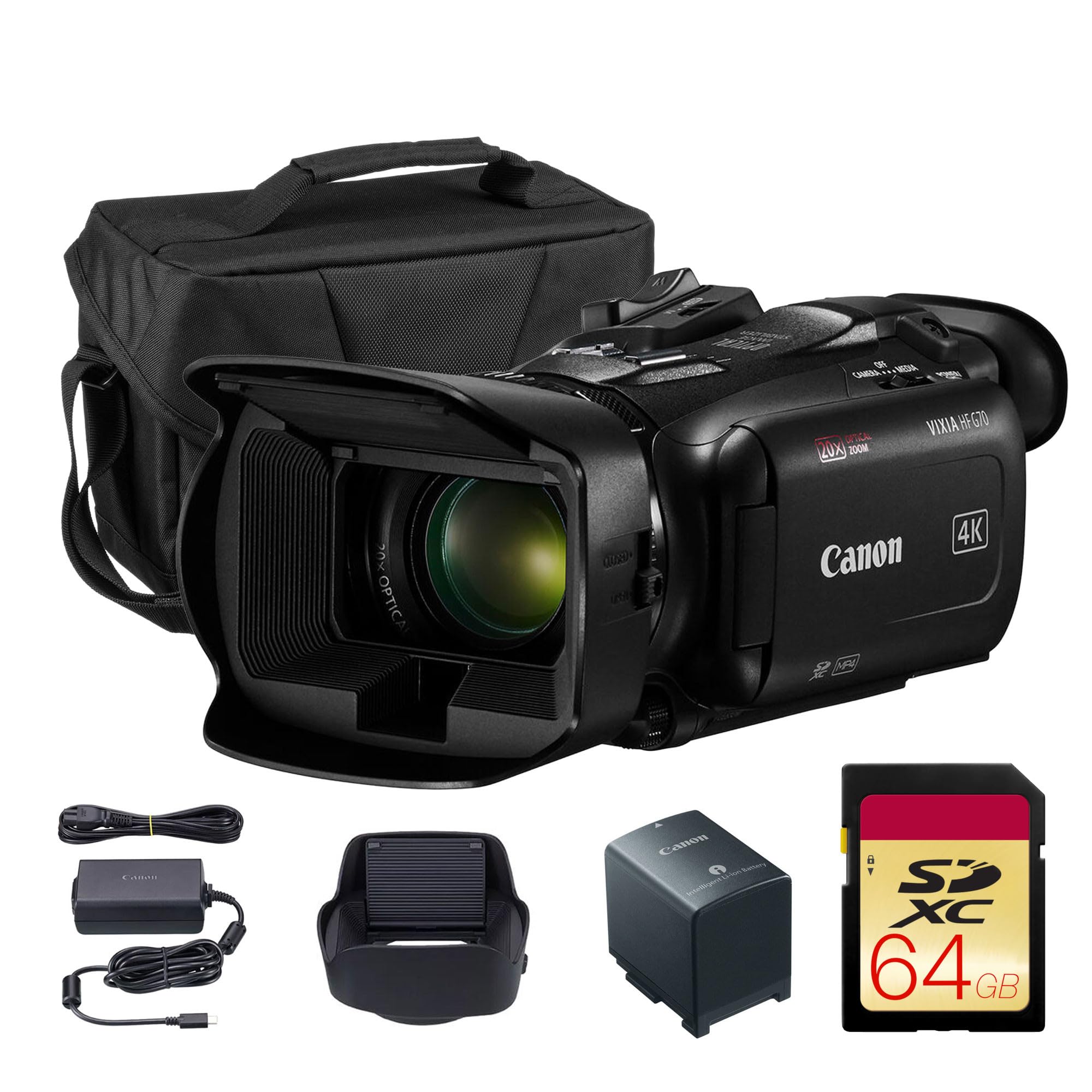
Expect solid 4K video, decent autofocus, and one card slot in a compact body at this level. These cameras suit locked off wide shots, backup angles, and controlled interviews where light is managed. Trade offs include weaker results in dim rooms and fewer audio inputs. Use them as second or third angles rather than the only camera on a shoot.
Midrange Tier: Low Light and Audio for Field Work
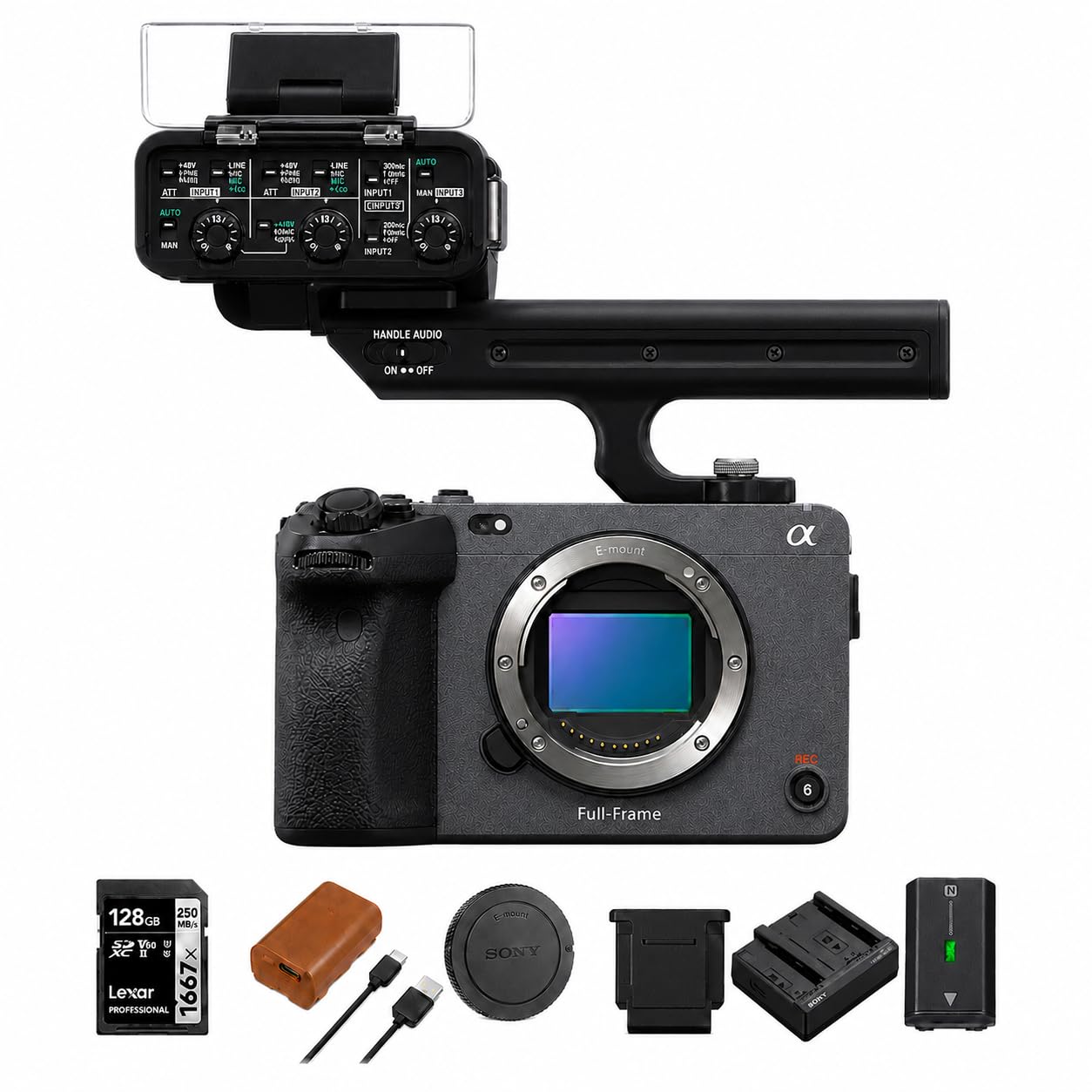
Midrange bodies add larger sensors, better results after dark, dual card slots, and proper microphone inputs with headphone monitoring. This tier gives most crews the best value, because one camera can handle interviews and field action in the same day. Stabilization improves, color profiles grow more flexible, and battery options expand.
Premium Tier: Cinema Image and Full Sync
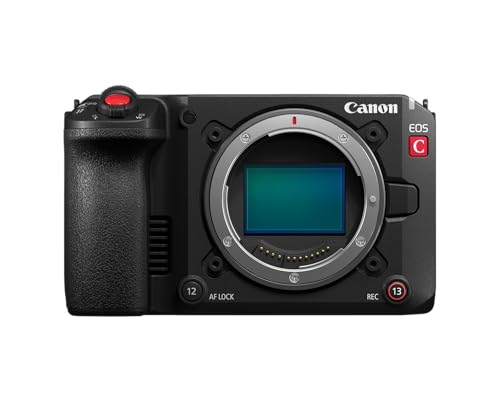
Premium cameras bring larger sensors, richer color, high quality codecs, and full timecode support for large multi camera days. Dedicated buttons, stronger cooling, and professional power systems keep them running through long schedules. The image gain over midrange gear is real but narrower than the price gap. Spend here when many cameras must match perfectly or a network delivery standard requires it.
Key Features to Compare
Sensor Size and Low Light
When you shop for the best cameras for reality tv, sensor size shapes how clean footage looks in kitchens at night and in homes where you cannot add big lights. Larger sensors gather more light, so faces stay clear at higher sensitivity settings and interview backgrounds soften pleasingly. Smaller sensors keep more of a room in focus, which helps wide action shots.
Autofocus and Stabilization for Unscripted Movement
Reality crews lean on autofocus most, because subjects turn, walk toward the lens, and step behind furniture without warning. Look for face and eye tracking that holds a subject instead of hunting to the background when someone passes behind them. In body stabilization smooths handheld walking shots and reduces the need for a gimbal in tight spaces.
Continuous Recording, Cooling, and Media
A reality camera must record for hours, so check for no short recording limit, cooling that sheds heat, and dual card slots writing a backup copy as you film. A camera that stops during a confession scene loses material no edit can replace. Large capacity cards and fast offload options also matter on multi camera days.
Audio Inputs and Monitoring
Dialogue carries reality storytelling, so your camera needs clean microphone inputs, ideally two channels so a wireless receiver and a boom microphone can run together. A headphone jack lets the operator confirm sound is clean while recording, not after the scene ends. Clear level meters and limiters help when voices jump from whispers to laughter.
Timecode and Color Matching
When three or more cameras cover one scene, shared timecode lets the editor line up every angle in seconds instead of hunting through hours of footage. A flat color profile gives the colorist room to match cameras in different positions and lighting, so cuts inside a conversation do not jump in tone. Check that every camera shares the same profile family and frame rates.
Lens Options and Zoom Range
A versatile zoom that moves from a wide room view to a close reaction shot without a lens swap is the workhorse of reality filming. Fast apertures help in dim interiors, and a modest telephoto reach captures private conversations from across a space without crowding the cast. Interchangeable lens bodies offer the widest choice, while fixed lens camcorders trade flexibility for speed.
Picking the Right Camera Format for Different Reality TV Uses
Best 4K Cameras for Reality TV
Recording in 4K gives editors room to crop a wide shot into a closer frame in post production, which rescues moments when the operator could not move in time. It also protects delivery quality as platforms raise resolution expectations. Prioritize clean 4K at your working frame rates and cards fast enough for the data rate.
Remote and Fixed Cameras
Remotely operated cameras cover rooms continuously while the crew works elsewhere, and they shine in observation style formats and competition spaces. Look for quiet movement, remote control over exposure and focus, and power that runs all day from an outlet. If your team also shoots stills or short social clips, see our guide to the best digital cameras.
Running Costs Beyond the Camera Body
The body is only the start of the bill. Budget for fast memory cards in quantity, spare batteries and chargers for every body, wireless microphone sets, padded cases, and drives that store each day of footage twice. Lenses, supports, and lighting often cost as much as the cameras themselves over a season. Add service and a repair reserve too, because field gear takes knocks.
Common Mistakes to Avoid
- Buying one expensive camera instead of two matched midrange bodies, so single camera coverage misses reactions and forces awkward edits.
- Ignoring audio inputs when choosing a camera, so clear pictures arrive with dialogue too poor to use.
- Skipping a long recording test before the season, so overheating stops a camera in the middle of a scene.
- Mixing cameras with very different color looks, so matching angles in one conversation takes hours of correction.
- Underbuying memory cards and drives, so a crew member deletes footage early to free space for the next scene.
- Crowding cast members with a large rig in small rooms, so people act for the camera instead of forgetting it.
Care and Maintenance for Reality TV Cameras
Clean lenses and sensor glass at the start of each shooting day, because dust spots repeat across every scene until someone spots them in the edit. Store bodies and lenses in padded cases away from heat in parked vehicles, and rotate batteries so no pack sits empty for months. Format cards only in the camera after footage is backed up and verified.
FAQs
What features matter most in cameras for reality TV filming?
Reliable autofocus, clean low light results, and long uninterrupted recording matter most, because they decide whether unrepeatable moments survive at all. Proper audio inputs and dual card slots come right behind them. One extra test is menu layout, since operators who can change settings without lowering the camera miss fewer moments.
Is 4K worth it for reality TV footage?
Yes, 4K is worth it for reality TV footage even when the finished show ships in a lower resolution. The extra detail lets editors tighten framing, steady a shot slightly, and pull a clean close view from a wide angle. One caution is storage cost, since 4K files fill drives much faster than smaller formats.
How long can a reality TV camera record without stopping?
A suitable reality TV camera should record for several hours without stopping when power and card space allow. Video focused models use active cooling or efficient designs to reach that, while many stills focused bodies pause far sooner in warm rooms. Always test your exact camera, lens, and card at planned settings for a full session.
What audio setup does a reality TV camera need?
A reality TV camera needs one wireless lavalier channel for the main speaker and a second channel for a boom or on camera microphone that catches the room. Headphone monitoring is essential, since a buzzing cable or clothing rustle is hard to judge from meters alone. Keep spare batteries and a backup wired microphone in the kit.
How many cameras does a reality TV scene need?
Most reality TV scenes work well with two or three cameras, one on the main action, one on reactions, and an optional wide shot for safety. Larger group scenes and competitions often add fixed cameras in corners. More angles help the edit only when timecode and color match. Producers comparing nearby production guides can also see our guide to the best tv cameras.
Wrapping Up
Start with the roles your format truly needs, then spend on autofocus, low light strength, recording stamina, and clean audio before chasing headline resolution. Matched midrange bodies cover most productions, and premium gear earns its price only when sync and delivery demands grow. The best cameras for reality tv setup that serves you best is the one your crew can run all day without fighting it, so compare your shortlist against the product table above.


