Best Cameras for Outside: Types Compared and How to Choose in 2026
Disclosure: We may earn a commission when you buy through links on this page, at no extra cost to you. As an Amazon Associate I earn from qualifying purchases. Learn more

Compare the best cameras for outside by type, housing, power source, night view, and storage, with clear guidance for yards, doors, and driveways.
Yards, doors, driveways, and barns all ask different things of a camera, which is why the type matters more than any single specification. The best cameras for outside are the ones whose housing, power source, and view match the spot they watch, and this guide compares each type side by side so you can match a type to a place before you spend. Use the comparison table below to see the types at a glance.
An outside camera is a monitoring aid: it records what happened and can alert you while it is happening, but it prevents nothing by itself. Strong passwords, current software, and sensible placement are part of the purchase, not extras you add later.
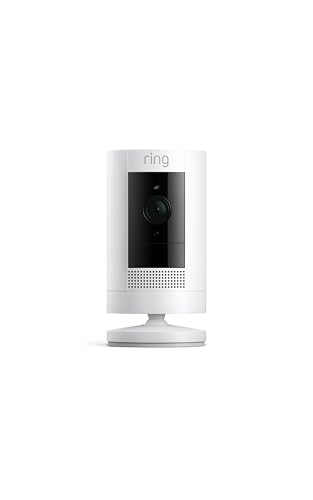
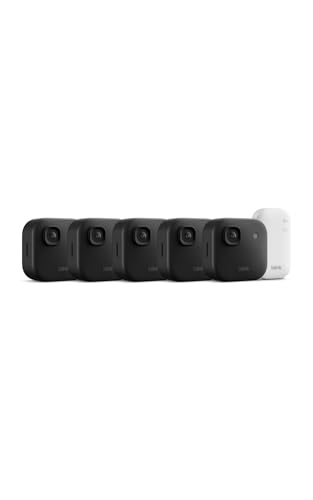
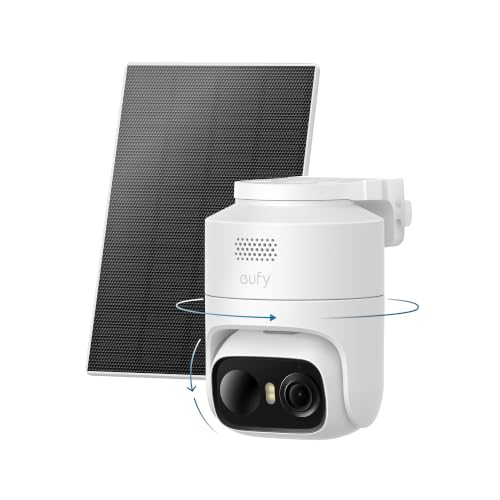
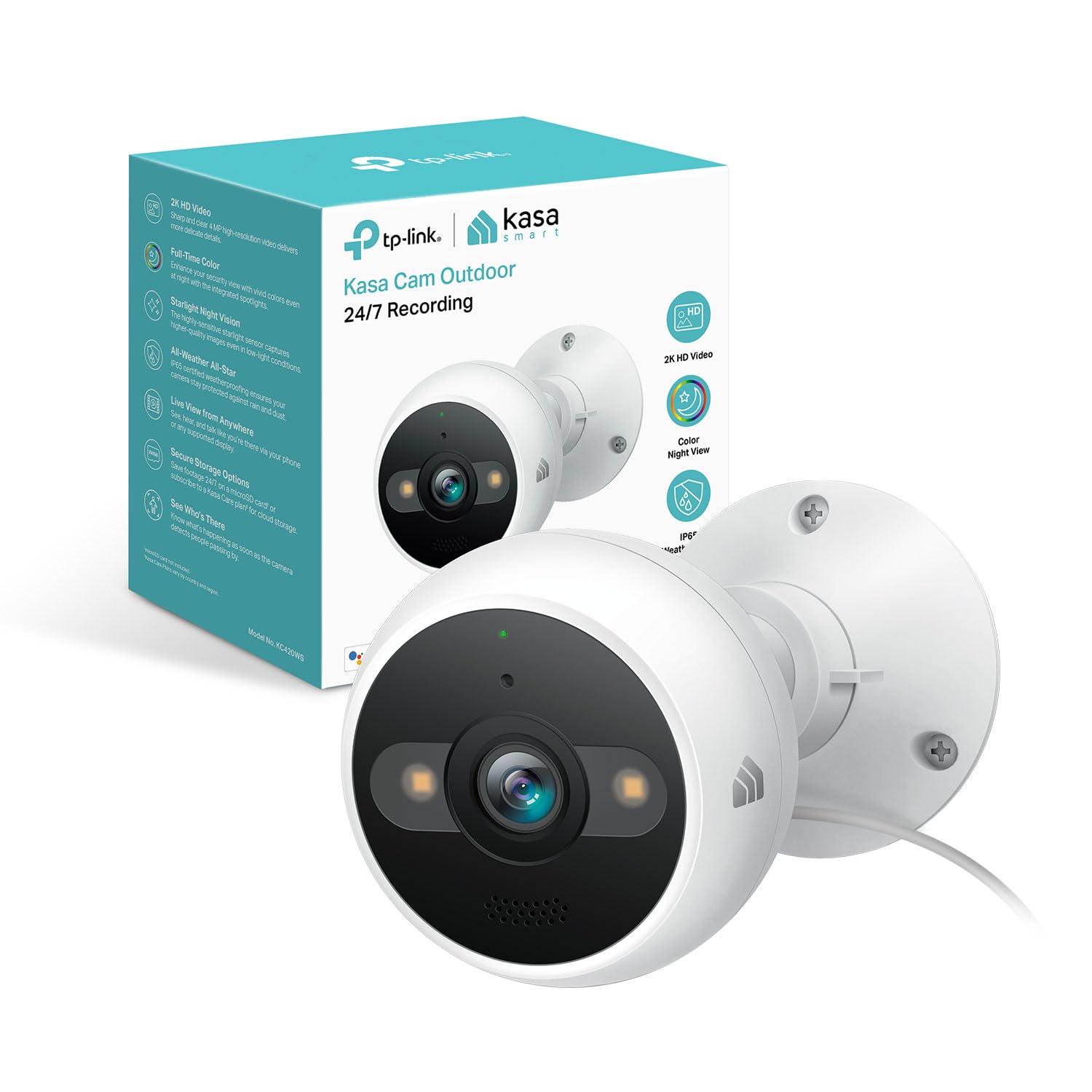


Types of Cameras Compared
Five types cover nearly every outdoor job, and shoppers comparing best security cameras outside will meet the same five again and again. Read the table for the short version, then the notes below for the trade offs that decide real installations.
| Type | Best For | Pros | Cons | Typical Price |
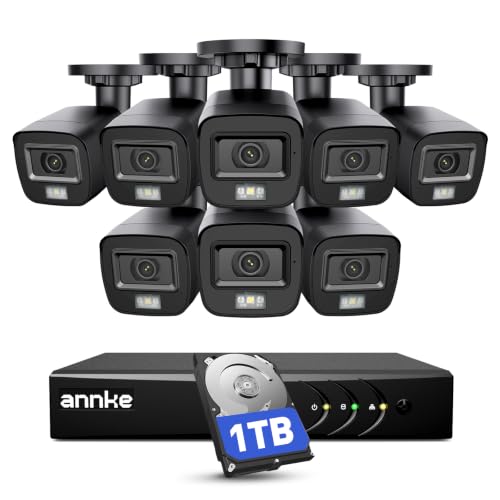
| Bullet | Driveways and long views | Long reach, visible presence | Fixed view, easy to knock off aim | about $40 to $120 |
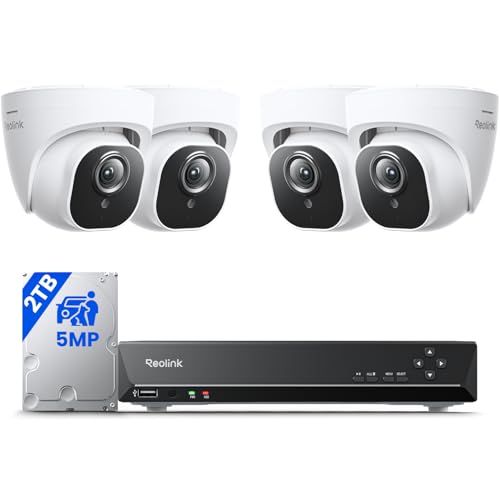
| Dome and turret | Porches and entry doors | Hard to redirect, tidy look | Shorter reach, dome glare at night | about $50 to $150 |
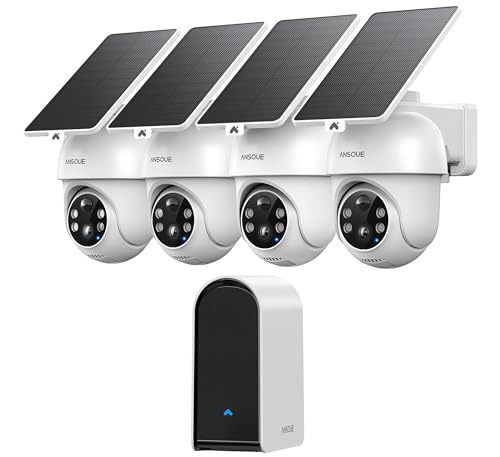
| Pan tilt zoom | Large yards and barns | Wide coverage from one mount | Looks one way at a time, moving parts | about $80 to $250 |
| Floodlight | Dark side yards and garages | Light and camera in one unit | Needs wired power, can annoy neighbors | about $100 to $250 |
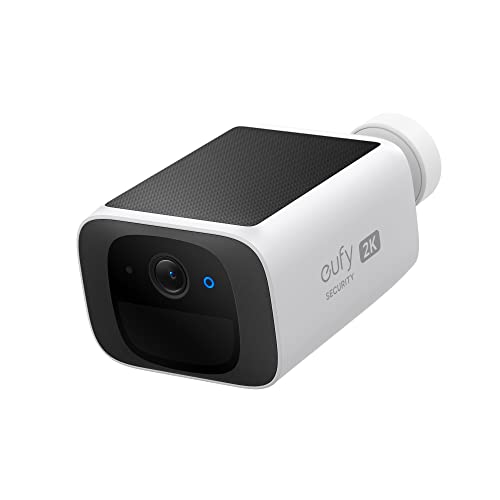
| Battery wire free | Rental homes and far corners | Mounts anywhere, no cable runs | Charging visits, shorter clips | about $60 to $200 |
Bullet Cameras
A bullet camera is a fixed tube on a small arm, pointed at one stretch of ground and left there. Its shape suits long, narrow views, such as a driveway, a side path, or the run between a house and a garage. Because the body is visible and clearly aimed, it also works as a quiet signal that the area is watched. The weakness is aim: a ladder bump, a storm, or a curious hand can shift it, and it will faithfully record the wrong patch of ground until you notice.
Dome and Turret Cameras
Dome and turret cameras sit in a compact ball or covered housing, usually under a porch roof or an eave. The covered shape makes the lens direction hard to change from the ground, which suits doors and other spots within reach of visitors. Reach is shorter than a bullet's, and a dome cover can catch infrared glare at night if it gets dirty. Turret designs avoid most of that glare and are often the neater choice for an entry.
Pan Tilt Zoom Cameras
A pan tilt zoom camera turns, tilts, and zooms under app control or on a preset patrol pattern. One unit can survey a whole yard, a barn interior, or a parking area that would otherwise need three fixed cameras. Remember the core trade: while it looks left, it is not watching right, and preset tours leave gaps. Moving parts also wear, so this type earns its keep on large open ground, not on a small porch where a fixed view already covers everything.
Floodlight Cameras
A floodlight camera combines a camera with a bright motion triggered light, usually mounted where an old security light already sits. The light startles, helps the camera record faces in color, and makes the area usable for people coming home after dark. It needs wired power at the mounting point, so placement follows your existing electrical runs. Set the light angle and sensitivity with care, because a unit that fires for every passing car will annoy the whole street.
Battery and Wire Free Cameras
A battery camera mounts with a couple of screws and no cable at all, which makes it the fastest way to cover a gate, a shed, or a far corner of a garden. The cost of that freedom is upkeep: the battery needs charging every few weeks to every few months, busier spots drain it faster, and clips are often kept short to save power. This is the rental friendly type, since it leaves almost no mark when it comes down.
How to Choose the Right Camera
With the types clear, you can choose the best cameras for outside by working through five decisions in order: housing, power, night view, storage, and view shape. Note that this guide covers security cameras only; the best digital cameras are still cameras for photography, which is a different purchase entirely.
Housing and Weather Sealing
Read the housing before the resolution. An outside camera is read by its housing and seal class: makers describe sealing with ratings such as IP65 or IP66, and that wording is a maker claim about dust and water jets, not a promise about years of storms. Placement matters as much as the rating, because a camera under an eave or a porch roof lives a gentler life than one on a bare fence post, and covered placement outlasts exposed placement at every price. Look for a small shield over the lens, seams that shed water, and a cable entry that faces downward.
Power: Wired, Battery, or Solar
The power class splits the purchase, because each source carries a different pattern of visits. Wired cameras ask for installation work once and then run for years without attention, which suits the busiest views. Battery models, including most best wireless cameras for outside, trade that permanence for total freedom of placement and a regular charging visit, and solar panels shrink those visits on sunny walls but do little in shade. Roundups of the best outside security cameras wireless often skip this point, yet the honest question is simple: how often do you want to climb up to this camera?
Night View and Motion Detection
Infrared range figures are maker figures measured in open ground, and walls, hedges, and parked cars all shorten them in real yards. Color night view needs some light to work with, so a truly dark field still records in black and white. Detection zones and sensitivity settings matter as much as the sensor, because they decide whether a passing truck floods your phone while a person at the gate goes unnoticed. Set zones to cover your ground and exclude the public road where the law and good manners both suggest restraint.
Storage: Card, Cloud, or Recorder
A memory card in the camera costs nothing per month, but the card leaves with the camera if the camera is stolen. Cloud storage keeps clips safe off site and usually runs about $3 to $15 per month for each camera, which adds up across a whole property. A home recorder box stores footage from several wired cameras in one place with no monthly fee, at the price of more installation work. Pick the option you will actually maintain, because an expired plan records nothing.
Resolution and Field of View
Higher resolution classes help when you need to read a face or a plate at distance, while a very wide view spreads those same pixels across more ground and thins the detail. A view of about 110 to 130 degrees covers most doors and small yards well. For identification, the smarter move is often a second camera placed closer to the point that matters, such as a gate latch or a package spot, rather than one stronger camera farther away.
Picking the Right Cameras for Different Uses
Watching a Driveway and Yard
Buyers who start by searching for the best surveillance cameras for outside usually mean this job: a wide, always on view of open ground. A wired bullet or a pan tilt zoom on the corner of the house covers it best, because open ground means constant motion triggers and a battery would drain quickly. Aim along the driveway rather than straight across it, since a longer view of an approaching person gives the camera more frames to work with.
Covering Doors and Entry Points
Shoppers comparing best outside surveillance cameras for a front door should weight two way talk and fast phone alerts more than raw resolution. A dome or turret above the door, or a battery camera beside it, records callers and deliveries at close range where faces are easy to read. Two way talk lets you answer from anywhere, and a view angled slightly downward catches packages left at the step.
Tips to Get the Most From Your Camera
- Wipe the lens with a soft cloth, not your shirt, because grit scratches the coating and softens night pictures.
- Brush away spider webs near the lens every few weeks, since webs reflect infrared and can white out the whole night view.
- Check the aim after storms and after any ladder work near the mount, and tighten the bracket while you are up there.
- Update the camera software when the app offers it, and review the viewer list on shared accounts twice a year.
- Carry a spare battery for battery models, so a swap takes a minute instead of leaving the spot unwatched during charging.
- Test the night view after changing any porch or yard light, because new light can create glare the old setup never had.
Questions Answered: Outside Cameras
What features matter most in cameras for outside?
Sealing, power, and placement matter more than any headline specification. Mount the camera about 8 to 10 feet up: high enough that a person cannot reach it, low enough that faces are still readable rather than the tops of heads. A camera at that height, under a small overhang, with detection zones drawn over your own ground, will outperform a stronger camera mounted badly. Add a clear view of one entry point and you have the core of a useful setup.
What specs matter most for a first outside security camera?
Buy for the worst lit, wettest spot you plan to cover, not the easiest one. A modest resolution with good infrared and a sealed housing beats a sharper camera that fogs or flattens its battery by October. Check three numbers before the rest: the sealing rating, the stated night range, and the battery life class if the camera is wire free. If those three fit your spot, the remaining differences between models are smaller than they look.
Is a smartphone enough instead of an outside camera?
A smartphone is not a substitute, because it is not mounted, sealed, or watching while you sleep. It is still useful before you buy: prop the phone in a window or on a ladder at the planned mounting point and record for an evening. That trial shows you the real view, the blind corners, and how much street the camera would catch. After one weekend of testing, you will know the right type and height, and the phone goes back in your pocket.
What does an IP65 or IP66 rating mean on an outdoor camera?
The first digit rates dust protection and the second rates water protection, and a 6 in the first position means the housing is dust tight. IP65 covers water jets from a hose, while IP66 covers stronger jets, so both suit rain and sprinklers. Neither rating covers submersion, so do not mount any camera where standing water can reach it. Treat the rating as a floor for outdoor use, then still choose a sheltered position whenever one exists.
Which outside camera type is better for low light?
Floodlight cameras record the clearest color pictures in true darkness, because they bring their own light. Among unlit types, models with larger sensors and infrared designed for the distance involved do best, and maker range figures should be read with the usual caution. Keep one behavior difference in mind: a floodlight announces itself and can deter, while plain infrared stays unnoticed and simply records. Choose based on whether you want the spot lit or quietly watched.
The Bottom Line
Match the type to the place first, then the housing, then the power source, and let resolution come last. A sealed wired camera under an eave will outlast and outrecord a fancier unit in the wrong spot, and the product table above can help you compare the finalists for each job. Choose the best cameras for outside for the ground you actually have, mount them with care, and keep their software and passwords current.