
Best Cameras for Outdoor Filming in 2026: Everything to Know Before Your First Purchase
Disclosure: We may earn a commission when you buy through links on this page, at no extra cost to you. As an Amazon Associate I earn from qualifying purchases. Learn more

Shopping for the best cameras for outdoor filming for the first time? Learn the terms, compare options, and avoid rookie mistakes with this easy guide.
Filming outside sounds simple until sun glare hides your screen, wind spoils your sound, and your battery fades before the best moment arrives. The best cameras for outdoor filming handle those problems while staying easy to learn. Use the comparison table below after you read the basics that follow.
Think first about one normal outing. A short walk, a day at a youth game, and a morning watching birds each ask for a different lens and battery plan.






Cameras 101: The Basics for Outdoor Filming
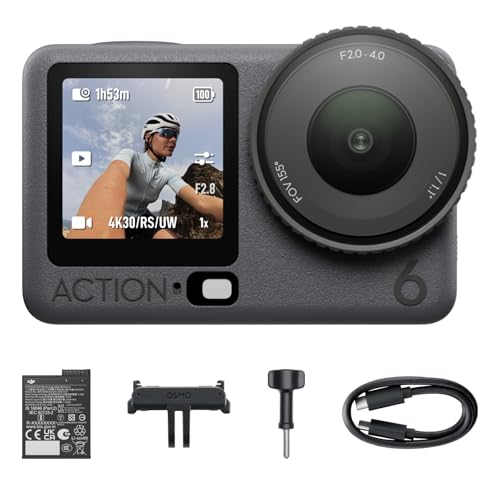
A filming camera records moving images through a lens onto a sensor, then saves video files on a memory card. A larger sensor gathers more light at dawn and dusk, while a smaller sensor keeps the body light. Compact cameras keep the lens attached, mirrorless cameras let you swap lenses, action cameras favor tiny size, and camcorders shape the grip around video.
That handheld job differs from fixed monitoring of a yard. If your goal is watching property while away, see our guide to the best surveillance cameras outdoor and our guide to the best wifi cameras outdoor. For stills and video on trips, see our guide to the best digital cameras.
Who Should Buy Which Cameras for Outdoor Filming?
Choose by the outing you repeat most. Walking distance, subject distance, and weather will narrow the field fast.
Hikers and Travel Creators Who Film on the Move
You carry every ounce for hours, film while walking, and often have no outlet at night. Choose a small body with strong stabilization, a lens covering wide scenes and moderate close views, and USB charging so a power bank can refill it. Weather sealing matters more than a very long zoom on dusty, damp trails.
Families Who Film Outdoor Sports and Days Out
You film from a sideline, switch on quickly, and hand the camera to another adult without a lesson. Choose simple auto modes, a zoom that reaches across a small field, and a tilting screen for low angles. A steady grip and clear buttons matter more than a deep menu you may never open.
Beginners Who Film Wildlife and Events from a Distance
You stay in one place longer, and your subjects rarely come close or repeat a moment. Choose stronger optical zoom or a longer lens, autofocus that follows a moving subject, and a tripod mount for long waits. An eye level viewfinder helps you follow midday action in strong sun.
Key Features to Compare for Outdoor Filming
Compare these factors in order and let your usual outing break any tie. A practical short list of the best cameras for outdoor filming for your trips will usually hold just two or three models.
Weather Sealing, Dust Resistance and Rain Protection
Weather sealing uses gaskets around doors, dials, and lens mounts to slow the entry of dust and moisture. It helps in light rain, sea spray, and dusty trails, but it does not make a camera safe under water or in a storm. An ingress protection rating, when given, describes tested dust and water resistance. Choose a sealed body and sealed lens together, because one open joint can undo the other.
Resolution, Frame Rates and Stabilization for Moving Shots
Resolution describes picture detail, with 4K giving room to crop a wide scene later and 1080p giving smaller files that are easier to store. Frame rate describes smoothness, with 30 frames per second suiting most scenes, 60 suiting faster action, and higher rates allowing slow motion. Stabilization steadies hand movements and matters most when you walk or film at long zoom. Autofocus tracking belongs here too, because wandering focus can spoil fast action.
Lens Zoom, Aperture and Low Light Filming Outside
Optical zoom changes the view through the lens and keeps detail at a distance, while digital zoom crops the picture and loses detail. A wide view suits trails and groups, while longer reach suits sports and wildlife you cannot approach. Aperture describes how much light the lens admits, shown as an f number, and a lower number helps at sunrise, sunset, and under trees. Dawn and dusk work rewards larger glass.
Battery Life, Power Options and Storage for a Full Day Out
Video drains batteries faster than still photos, and cold mornings and bright screens drain them faster still. Check rated recording time rather than photo count, and plan a spare battery for a full day away from outlets. USB charging adds flexibility with a power bank, though many cameras charge slowly while filming. Carry fast cards with room to spare, often 64 to 128 gigabytes per card for a busy 4K day, plus a second card.
Sound Recording, Wind Noise and Microphone Inputs
Outdoor sound fails more often than outdoor pictures, because wind hits the built in microphones and masks voices even when the image looks calm. Look for a wind reduction setting, a microphone input for an external mic with a furry wind cover, and a headphone socket to check sound as you record. Cameras without a microphone input still suit scenery and sports. If voices are your main subject, treat that input as core.
Size, Weight, Screen Brightness and Controls You Can Use Outside
A camera you can hold steady for ten minutes beats a heavier model you set down after two, so weigh the body with lens and battery, not the body alone. A bright screen with an anti glare surface, or an eye level viewfinder, helps in strong sun. Large buttons you can feel help when hands are cold or damp. Check the tripod socket too, because a blocked socket slows battery changes.
Getting Started: Setup and First Use Outdoors
Read the manual before first use, charge the battery fully, fit the strap, and format the memory card inside the camera. Set the date, choose 4K or 1080p based on storage plans, and turn on stabilization for handheld filming. Record a one minute test at home and play it back with sound before an important outing.
On your first trip, make short test clips in the actual light. Film one wide scene, one distant subject, and one speaking moment, then review each clip while you can still change settings. Fit the lens shade in bright sun, stand with your back to the wind when voices matter, and rest the camera on a steady surface for long shots.
Common Mistakes to Avoid
New buyers tend to repeat these errors on first outdoor shoots.
- Buying the longest zoom with weak stabilization gives distant footage that shakes too much to enjoy.
- Filming a full day on one battery and one small card leaves the camera dead or full early.
- Ignoring wind during recording leaves voices buried under noise that editing cannot fully remove.
- Leaving a damp camera sealed in a bag invites fogged glass and corrosion on metal contacts.
- Recording every clip at the highest settings fills cards fast and makes editing slow.
Care and Maintenance for Outdoor Filming Cameras
Clean and inspect the camera after any dusty, sandy, or wet outing. Blow loose grit off the lens and body first, because wiping dry grit across glass can scratch the coating, then use a soft lens cloth. Wipe salt spray and mud with a damp cloth, dry every seam, and let the camera air before closing it in a case.
Store the camera dry, out of direct sun, with the lens cap on and the battery removed if you will not film for weeks. Check the strap, tripod socket, and door seals each month, and replace a frayed strap early. Copy files to two places after each trip.
Frequently Asked Questions
What features matter most in cameras for outdoor filming on a first purchase?
Weather protection, stabilization, and battery life matter most on a first purchase for outdoor filming. Name your most common scene, such as a sideline game or a forest walk, and rank those three for that scene alone. List the last three outings you filmed on a phone, note what failed each time, and buy against those failures.
How much should I spend on a camera for outdoor filming?
Most first time buyers land in a range of about $200 to $900 for outdoor filming. Simple compact and action models sit near about $200 to $400, and mirrorless models with one lens sit near about $400 to $900. Reserve part of the budget, because a spare battery, cards, a case, and a basic microphone often add about $75 to $150.
How long does a camera for outdoor filming usually last?
A camera for outdoor filming usually lasts about five to eight years of regular use when you store it dry and handle it with care. The body and lens age slowly, while batteries lose capacity after about two or three years and can be replaced alone. Drops onto rock shorten that span more than weather does.
What memory card speed does a camera for outdoor filming need for 4K video?
A camera for outdoor filming needs a card rated for sustained video writing, not only a fast peak speed, for reliable 4K recording. Look for a video speed marking such as V30 or higher when your manual calls for it, because that marking promises a minimum steady write rate. Test a full length clip before a trip, since faulty cards often fail as they fill.
How do I maintain a camera for outdoor filming after a beach or trail day?
Maintain a camera for outdoor filming after a beach or trail day by removing grit and salt before storage, then checking the rubber port covers for trapped sand. Sand under a cover can hold the seal open during the next shower, so brush each edge clean and press every cover shut. Add a silica gel pack to the case for leftover moisture.
Wrapping Up
Start with your real outing, then judge weather protection, stabilization, lens reach, battery life, and sound in that order. Use the product table above to compare those points, and favor the camera you can carry and operate with confidence in sun and light rain.
When you compare best cameras for outdoor filming against your own scenes, budget, and bag, the right first camera is usually the simpler one that fixes the failures in your past phone clips. Learn it on short trips, and add accessories only when an outing shows the gap.


