Best Cameras for Night Shots in 2026: Budget, Midrange, and Premium Picks
Disclosure: We may earn a commission when you buy through links on this page, at no extra cost to you. As an Amazon Associate I earn from qualifying purchases. Learn more

Compare cameras for night shots at every price point, with guidance on sensor size, fast lenses, low light focus, stabilization and total cost.
Prices for night capable cameras stretch from a few hundred dollars to several thousand, and the gap is not only about brand. Sensor size, lens speed, and focus in dim light decide what you can capture after dark. The best cameras for night shots match those strengths to your scenes, so use the comparison table below to see where each level sits.
Start by naming your usual night scene. City streets, indoor events, and dark landscapes each stress a camera differently. The sections below walk through budget tiers first, then the features worth paying for.
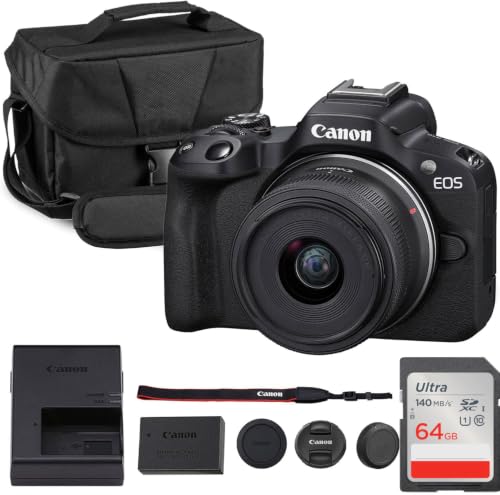

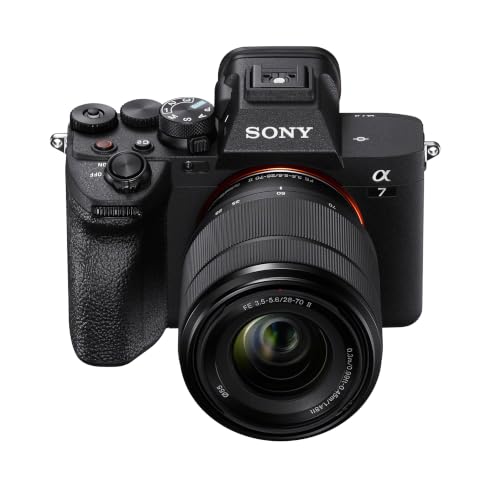
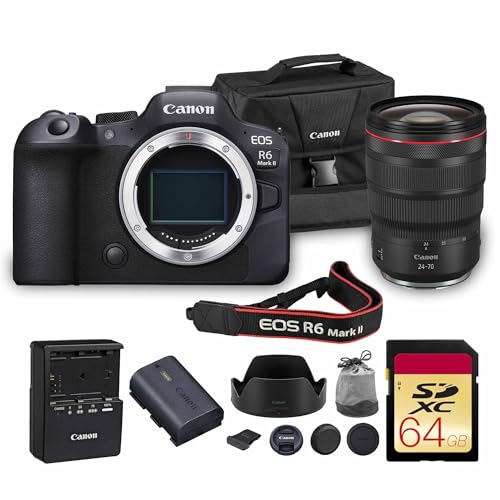


Who Should Buy Which Camera for Night Shots?
Your scenes and frequency should set your budget first.
Beginners Shooting City Streets on a Small Budget
You walk after dinner and shoot lit streets, shop windows, and friends under street lamps. A compact or entry level mirrorless body with a kit lens covers these scenes, because light is mixed but rarely absent. Prioritize a tilting screen and simple controls. Save money for a small tripod.
Enthusiasts Who Shoot Night Portraits and Events Often
You shoot people after dark most weeks, at gatherings where flash would spoil the mood. You need focus that locks onto eyes in dim rooms and a fast portrait lens that keeps shutter speeds safe. A midrange body with strong high ISO output and image stabilization fits you best. Budget for that lens from the start.
Advanced Shooters Who Need Clean Files in Near Darkness
You shoot dark landscapes, the night sky, or venues where light is scarce and retakes are rare. A full frame sensor gives you the cleanest files at very high ISO settings and the most room to lift shadows later. Weatherproof sealing also helps with dew outdoors. Your costs run higher, but each step solves a problem you meet often.
What Each Price Tier Adds for After Dark Shooting
Price tiers differ less in megapixels than in sensor size, lens options, and clean high ISO files.
Budget Tier: Smaller Sensors and One Kit Lens
Cameras around $400 to $800 usually pair a 1 inch or APS C sensor with a slow kit zoom. They handle lit streets well, but shadows turn grainy sooner as ISO climbs. You still get manual controls, RAW files, and long exposure modes for tripod work. This tier suits learning, with a fast prime lens as a likely later purchase.
Midrange Tier: Larger Sensors and Faster Glass Within Reach
Cameras about $900 to $1,800 commonly offer APS C or entry full frame sensors, better focus in low light, and image stabilization in the body. Files stay cleaner at the ISO settings night portraits demand, and lens catalogs open up to affordable fast primes. Most regular night shooters stop here. Trade offs remain in build and battery life.
Premium Tier: Full Frame Detail and the Cleanest High ISO Files
Cameras around $2,000 to $3,500 center on full frame sensors with wide dynamic range and focus that works in very dim venues. Sealed bodies, dual card slots, and stronger batteries suit work where a missed shot has a real cost. Lenses cost more as well. Buy here when midrange gear regularly falls short.
Key Features to Compare
When you compare best cameras for night shots across tiers, judge each feature by the scene it improves.
Sensor Size and Image Quality for Night Shots
A larger sensor gathers more light per pixel, so images hold detail and color better when light runs short. Full frame sensors lead here, APS C sensors sit close behind at lower cost, and 1 inch sensors trade some quality for a smaller body. Megapixels matter less, because a crowded small sensor can look noisier than a modest large one. Choose the largest sensor your budget allows if night work is your main use.
Low Light Performance and High ISO Control
High ISO settings let you keep shooting as light falls, but each camera has a point where noise and color shifts stop being acceptable to you. Look for a native range reaching at least ISO 12800 and files that stay usable well before that ceiling. Noise control in camera helps quick sharing, while RAW files give you more control later. Check sample files at your expected ISO values before you buy.
Lens Aperture and Zoom Range for Night Shots
The lens aperture decides how much light reaches the sensor, and a fast lens can matter more than a pricier body. An aperture of f/1.8 lets in far more light than a kit zoom at f/4, so you can use a lower ISO or faster shutter. Prime lenses offer the widest apertures for the money, while zooms add framing freedom at slower speeds. Optical zoom helps for travel, but do not trade away aperture you need nightly.
Autofocus and Image Stabilization After Dark
Autofocus systems are rated for how dim a scene they can still read, and night work pushes that limit hard. Look for focus that holds on faces and eyes under venue lighting, plus a manual focus aid for tripod scenes. Image stabilization in the body or lens lets you hand hold slower shutter speeds on still subjects, which keeps ISO down. It cannot freeze a moving person, so pair it with sensible aperture choices.
Video Capabilities for Night Scenes
Night video needs the same light gathering strengths as stills, plus tools that keep clips usable. Useful extras include a mic input for cleaner sound, a flip screen for framing yourself, and a log profile if you enjoy grading footage. Recording at 4K can help detail, but clean files at high ISO matter more than resolution alone for dark scenes. Skip paid video extras if you shoot stills almost all of the time.
Choosing a Camera Body for Your Night Work
Brand choice matters mainly through the lens system, because lenses stay with you across body upgrades.
Best Canon Cameras for Night Shots: Where Your Money Goes
With Canon, your money goes furthest when you pair a body known for reliable autofocus in low light with a fast lens in the same mount. Confirm the mount offers a wide aperture prime at a price you accept. Compare how each body handles high ISO files in RAW, and check used lens supply near you.
Other systems follow the same logic. To compare body types first, see our guide to the best digital cameras. For cameras built around darkness as the main job, see our guide to the best night time cameras. Infrared gear is separate, covered in our guide to the best night vision cameras.
Extra Gear Night Shooters End Up Buying
The body is only the first payment. A fast prime lens often costs about $200 to $600 in midrange systems, and premium glass costs far more. Add spare batteries, fast memory cards, a sturdy tripod, and a padded bag. A sensor cleaning kit also matters outdoors.
Common Mistakes to Avoid
These errors waste money or spoil frames.
- Choosing a body by megapixels alone leaves you with noisy files in dim scenes.
- Buying a slow kit zoom only forces ISO so high that portraits lose detail.
- Skipping a tripod budget makes long exposure sky shots shaky and unrepeatable.
- Ignoring lens prices for the mount locks you into a system you cannot afford.
- Trusting stabilization to freeze moving people gives you sharp backgrounds with blurred subjects.
Care and Maintenance for Cameras Used at Night
Wipe the lens with a clean microfiber cloth before each outing, because smudges scatter bright lights into haze and streaks. Keep a blower in your bag for dust. After a cold night, let the camera warm up inside a sealed bag so condensation forms on the bag, not inside the lens.
Store the body and lenses in a dry place with caps on. Check the sensor for spots with a small aperture shot against a plain wall, using a blower first. Keep firmware current, since low light focus fixes often arrive that way.
Frequently Asked Questions
What features matter most in cameras for night shots?
Sensor size, lens aperture, and high ISO quality matter most in cameras for night shots, because together they decide how much light you capture and how clean the file stays. One extra check is rear screen brightness, since a screen that dims low preserves your night vision between frames. Prioritize those points over burst speed.
What specs matter most for beginners buying a camera for night shots?
For beginners, the specs that matter most are a sensor of APS C size or larger, a mount that allows a fast prime lens later, and simple manual controls. Start with aperture priority and auto ISO with a cap you set, which teaches you how exposure settings trade off. That setup grows with you.
Is a smartphone enough instead of a dedicated camera for night shots?
A smartphone is enough for casual snaps of lit streets and friends near lamps, thanks to its computational night modes. It falls short for clean files of moving people in dim rooms, control over depth of field, or larger prints. Many of the best night shot cameras also let you swap lenses, which no phone can match.
Which sensor size is better for low light night shots?
Full frame is better for low light night shots when file quality is the top priority, because it holds cleaner shadows and gives shallower depth of field at the same aperture. APS C remains the value choice for travel, with smaller bodies and lower lens costs. In lit street scenes, both do fine.
How much should I spend on my first camera for night shots?
Spend about $600 to $1,200 in total on your first camera for night shots, including a lens. That range buys a capable APS C body and leaves room for a fast prime, which improves results more than a costlier body with a slow zoom. Include an editing app for RAW files in that budget.
Final Thoughts
Decide by scene first, then by sensor and lens speed, and only then by tier. A modest body with a fast lens beats a premium body with a slow zoom most nights.
Use the product table above to compare sensor size, lens options, and price. When you judge best cameras for night shots by light gathering first, the right tier for your budget becomes clear.