Best Cameras for Landscape Photos in 2026: Everything to Know Before Your First Purchase
Disclosure: We may earn a commission when you buy through links on this page, at no extra cost to you. As an Amazon Associate I earn from qualifying purchases. Learn more

Shopping for the best cameras for landscape photos for the first time? Learn the terms that matter, compare sensor and lens options, and dodge rookie mistakes.
Buying a first camera for landscapes can feel like a leap, because prices climb quickly and every listing throws numbers at you before you know which ones matter. This guide slows the whole decision down. It explains the basic terms in plain English, shows which specifications actually shape a landscape photograph, and matches each camera class to the way beginners really shoot. By the end, the best cameras for landscape photos will look less like a wall of jargon and more like a short list of sensible choices.
The comparison table below sets the main camera classes side by side, and the sections that follow cover sensors, lenses, support gear and the mistakes new buyers repeat most often. You will finish knowing what deserves your money first, what can wait a season, and what you can safely ignore.


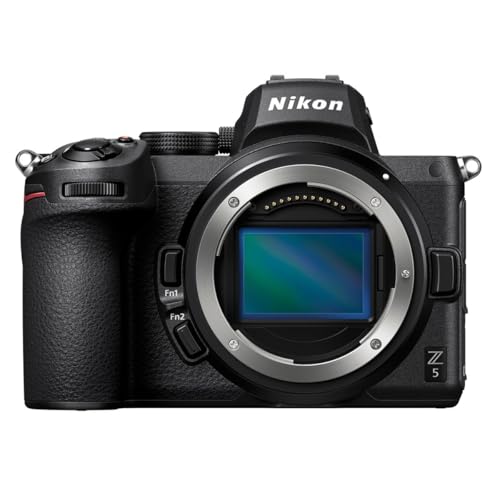

Cameras 101: The Basics
A camera is a light tight box with a sensor at the back and a lens at the front. The lens gathers light and focuses it, the sensor records it as a digital file, and the body holds the controls, the battery and the screen. When you change settings such as aperture, shutter speed and ISO, you are simply deciding how much light reaches the sensor and for how long.
Camera bodies fall into a few broad classes. Compact cameras keep the lens fixed to the body, mirrorless cameras accept interchangeable lenses without a mirror box, and DSLR bodies use a mirror to show the scene through an optical viewfinder. A separate class, covered in our guide to the best instant photo cameras, prints a physical photo on the spot, which is fun but not built for careful landscape work.
Almost every class above records to a memory card and belongs to the wider family covered by our guide to the best digital cameras. For landscapes, the class matters less than two habits: shooting slowly from a steady position, and judging results on a large screen or a print rather than on the camera display. Keep those habits in mind as the specifications below start to make sense.
One more term matters before you buy: file format. JPEG files are finished in the camera, small and ready to share, while RAW files keep everything the sensor recorded so you can rebalance light and color later on a computer. Landscape work rewards RAW, because dawn scenes often need rescuing at both the sky and the shadows. The cost is storage and editing time, so check that your computer and your cards can handle the larger files.
Key Specs Explained in Plain English
Specifications only matter when they change the photograph. The five factors below are the ones that shape landscape results, and none of them rewards simply buying the most expensive body on the shelf. The best cameras for landscape photos are the ones whose strengths line up with still scenes, careful framing and plenty of time to work.
Features That Matter for Landscape Photos
Two qualities decide most landscape images: dynamic range, the span of tones a sensor can hold between a bright sky and shadowed ground in one frame, and lens sharpness across the whole frame, because a scene that is crisp in the center and smeared at the corners looks unfinished. Megapixel counts come a distant third. A landscape camera is judged at the tripod, not in the hand, so patience and stability beat headline numbers every time.
Sensor Size and Image Quality
Sensors come in three common classes for this kind of work. One inch sensors sit inside better compacts, APS C sensors sit inside most mid priced mirrorless and DSLR bodies, and full frame sensors are the largest mainstream option. Bigger sensors usually gather more light per photo site, which helps dynamic range and low light cleanliness. Treat maker figures as headline class figures rather than measurements you can compare across brands, because each brand tests and reports them in its own way.
Size, Weight, and Ergonomics
A landscape camera earns its keep only if you carry it to the viewpoint. Add the lens, a tripod and a water bottle, and a heavy kit quietly discourages the dawn walks that produce the best scenes. Smaller bodies with good grips suit most beginners, and a tilting rear screen helps when the camera sits low to the ground. If a kit feels like a chore in the shop, it will feel worse on a hillside in the cold.
Autofocus and Stabilization
Landscapes hold still, so autofocus speed matters far less here than focus accuracy. Look for aids such as focus peaking and a magnified view, which let you place focus exactly on a foreground rock or a distant ridge. Stabilization in the body or the lens helps for handheld shots at viewpoints where a tripod is banned or impractical. Once the camera sits on a solid tripod, stabilization adds little, and many shooters switch it off for long exposures.
Durability and Weather Sealing
Weather sealing means gaskets around doors, dials and the lens mount that resist dust and light rain. Treat the phrase as a class word, not a promise, because no maker guarantees a camera against a soaking. Sealed bodies and lenses still deserve care: wipe off spray, dry the kit at home, and keep a rain cover in the bag for coastal or waterfall work. A modest sealed kit that you trust beats a fragile one you leave behind.
Best Cameras for Specific Needs
First purchases go better when the budget follows the job. The two needs below cover most beginners, and a third group deserves a quick note: if animals share your wishlist, read our guide to the best cameras for wildlife photos, because long lenses change the budget completely. Everyone else can also compare the shorter shortlist in our guide to the best landscape cameras once the classes below feel clear.
Best Economical Digital Cameras for Landscape Photos
Economical digital choices reward patience. A body from the class just below the newest releases usually keeps the sensor size and the lens mount while dropping the price by a wide margin, and our broader guide to the best photo cameras shows how those classes sit within still photography as a whole. Pair such a body with one versatile zoom lens, spend the savings on a tripod, and the results will match far pricier kits in good light. What you give up is mostly speed and video polish, neither of which a landscape scene asks for.
Best Non SLR Cameras for Landscape Photos
Non SLR cameras, meaning mirrorless bodies and advanced compacts, suit landscape beginners well. Without a mirror box the bodies shrink, the electronic viewfinder previews exposure before you press the shutter, and focus aids sit right in the view. Advanced compacts go further and remove lens swapping entirely, which some hikers prefer. The trade off is battery life, since the screen and the viewfinder draw power constantly, so a spare battery belongs in the budget from day one.
Plenty of beginners sit between the two needs above, wanting low cost and light weight at once. The overlap is real, because economical mirrorless bodies from one class below the newest releases answer both. Decide which compromise you will feel daily, since a heavy kit annoys you on every walk while a missing feature only appears in certain light. That daily test is the honest way to rank your own priorities.
Rookie Mistakes to Avoid
Most first purchases go wrong in predictable ways. Watch for these five:
- Spending the whole budget on the body, when a camera without a tripod blurs more landscape shots than a modest camera ever will.
- Chasing megapixels, when print size and lens quality decide visible detail far more than the sensor count printed on the box.
- Ignoring the lens mount, because your second lens costs less when the first body belongs to a system with affordable options.
- Trusting the rear screen, which flatters brightness and color, instead of checking exposure with the histogram.
- Skipping the spare battery, even though cold dawn air drains batteries faster and a dead camera at sunrise wastes the whole walk.
Getting Started: Setup and First Use
Start at home, not on a hillside. Charge the battery fully, format the memory card in the camera, and set the clock, the file quality to the highest setting and the color space the manual recommends for prints. Walk through the menu once with the manual open, so the controls feel familiar before gloves and cold light make everything slower.
On your first outing, keep the kit simple: camera, one lens, tripod and a lens cloth, never your shirt, for wiping spray or fingerprints off the glass. Shoot the same scene at several apertures and shutter speeds, then compare the results at home on a big screen. The product table above can remind you which class you chose and why, and a spare battery in your pocket covers the short days of winter light.
Keep notes on your first few outings. Record which aperture and shutter speed you chose for each scene and what you would change, because that habit teaches faster than any tutorial. Repeat one familiar viewpoint in different weather and light, and the differences will show you what your camera and lens actually do well. Skill, not gear, is the variable that improves most during the first season.
Cameras: Your Questions Answered
What features matter most in cameras for landscape photos?
Dynamic range and lens sharpness across the frame matter most, because landscape scenes mix bright skies with deep shade and need detail from corner to corner. A sensor that holds both ends of that range in one exposure saves hours of rescue work later. One feature beginners overlook is a self timer or a remote release, which fires the shutter without your hand shaking the tripod. Add a tilting screen for low angles and you have the short list that genuinely changes results.
How much should I spend on my first landscape camera?
A sensible first kit lands at about $500 to $900 once the body, one lens and a tripod are counted together. Spending less usually means a smaller sensor that still serves screen sharing well, while spending more mainly buys low light headroom you may never use. A useful split is to keep roughly a third of the budget for support gear and lenses. That balance protects image quality better than putting every dollar into the body alone.
Do I need a tripod for landscape photos?
Yes, for most of the scenes beginners dream about, because dawn, dusk and waterfall shots use shutter speeds too slow to handhold sharply. A tripod also slows you down in a good way, forcing careful composition before the shutter fires. In bright midday light you can shoot handheld and stay sharp, and a beanbag or a flat rock can steady the camera in a pinch. Buy the tripod early, but buy it once, at a height that reaches your eye level.
Is full frame worth it for a first landscape camera?
Usually not, because the gains show up mainly in extreme dynamic range and very large prints, while the costs show up everywhere. Full frame lenses are larger, heavier and pricier, so the whole kit grows along with the sensor. An APS C camera prints beautifully at the sizes most homes can hang, and it leaves budget for the trips that create photographs. Move up later only when a real limit in your files, not a review, tells you to.
What lens should I buy first for landscape photos?
Start with one versatile zoom that covers wide views through short telephoto, roughly the 24 to 70 mm class on a full frame body or its equivalent on smaller sensors. That range handles sweeping foregrounds and tighter ridge details without a lens change in bad weather. Shoot with it for a season and note which end you use most, because that habit tells you what to buy second. When you add filters later, buy them in the largest thread size you own and adapt down.
Can I use a landscape camera for everyday family photos too?
Yes, and most beginners do exactly that, because a camera bought for landscapes still handles birthdays, pets and travel portraits well. The main adjustment is the lens, since family moments indoors favor a fast prime lens class with a wide aperture over a slow zoom. Automatic modes on modern bodies handle faces and movement without any landscape settings getting in the way. Keep one small bag packed for daily use so the camera is present, not stored away.
Wrapping Up
Summing up, buy for the scene rather than the spec sheet. Dynamic range, an honest lens and a kit light enough to carry will take a beginner further than any flagship feature, and the support gear in the product table above matters as much as the body you choose. Start with one camera class, one lens and one tripod, learn them across a season of dawns, and upgrade only when a real limit shows itself in your files. Chosen that way, the best cameras for landscape photos become the ones you actually carry, and that is what fills the frame.