Best Cameras for Intermediate for 2026: A Buying Guide
Disclosure: We may earn a commission when you buy through links on this page, at no extra cost to you. As an Amazon Associate I earn from qualifying purchases. Learn more

Compare the best cameras for intermediate shooters by sensor, autofocus, lenses, and price, and learn what each step up in budget actually buys you.
Your phone and your first basic camera taught you the basics, and now their limits show up in every dim room and fast moving scene. Choosing among the best cameras for intermediate models means paying for control, speed, and lens choice rather than for a badge. This guide covers the features that change your results, the camera types worth your money, and the price bands that make sense at this stage.
Start with the comparison table below to line up the main types side by side, then read the sections that match how you shoot. By the end you will know which specs deserve your budget and which ones you can safely skip.

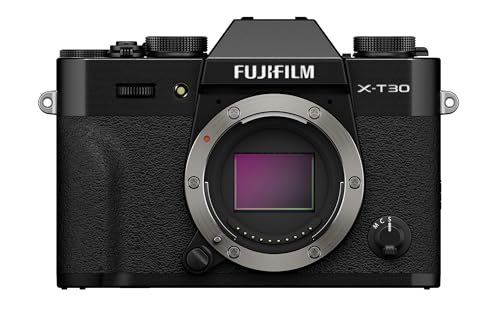


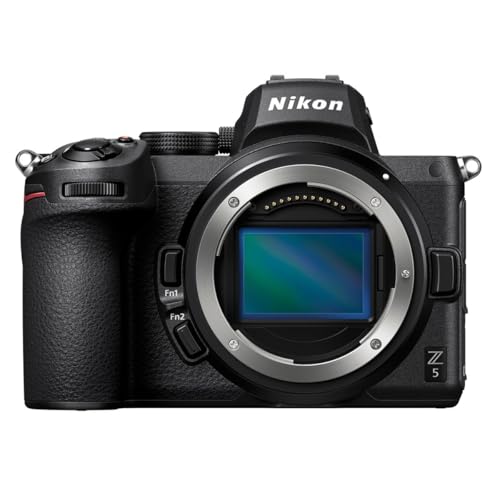
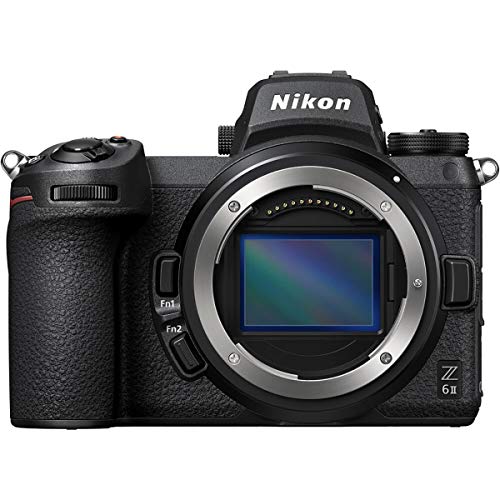


Who Should Buy Which Camera?
Portrait and Family Shooters
You shoot birthdays, school events, and portraits of people who rarely sit still. Your priority is a camera that finds faces fast and a lens that can blur a messy background at wide apertures. A mid sized sensor, reliable eye detection, and a bright prime lens matter more to you than extreme zoom reach or rugged sealing.
Travelers Carrying One Body All Day
You walk for hours with the camera on your shoulder, so weight and battery life shape every choice. A compact mirrorless body, one versatile zoom, and charging over USB C keep your bag light on trains and trails. In return, you actually carry the camera everywhere.
Weekend Sports and Wildlife Shooters
You photograph kids on the field, birds at the feeder, and local races where the action never pauses. Fast burst rates, tracking autofocus that holds a moving subject, and a long telephoto lens decide whether you keep or delete a frame.
Key Features to Compare
At the intermediate stage, the useful upgrades are the ones you can feel in daily shooting: faster focus, cleaner files in dim light, and controls that stop you from digging through menus. The factors below decide most of your results.
Sensor Size and Image Quality
Sensor size shapes detail, dynamic range, and how clean your files look after dark. APS C sensors balance price, lens size, and quality for most shooters, while full frame sensors gather more light and give you more room to crop. Megapixels matter less than sensor size once you pass about 20 megapixels.
Autofocus and Tracking
Modern autofocus systems detect eyes, faces, animals, and vehicles, then hold focus as the subject moves. Look for tracking that stays locked during a burst. Good autofocus is the single biggest reason intermediate shooters upgrade from an older body.
Stabilization for Handheld Shots
In body stabilization steadies the sensor, so every lens you mount gains some shake protection, while lens based stabilization works on bodies without it. Either system helps at slow shutter speeds for still subjects. Neither one freezes motion, so a running child or a bird in flight still needs a fast shutter speed.
Lenses and Zoom Range
The lens mount you choose locks you into a family of glass for years, so check the range and prices before the body. A standard zoom covering wide to short telephoto handles most days, and one fast prime adds low light ability.
Low Light Performance
Clean files at high ISO settings let you shoot indoors and at dusk without a flash. Larger sensors and fast lenses help most, and good noise handling in the files matters more than the highest ISO number on the box.
Build Quality and Weather Sealing
Sealed bodies and lenses shrug off light rain and dust, which suits travel and outdoor work. Buyers who judge cameras mainly by file quality can compare this factor against the best quality cameras in the wider market. Treat sealing as protection against accidents, not as permission to soak the camera.
Types of Cameras Worth Your Money
Mirrorless Cameras
Mirrorless bodies show exposure in the viewfinder before you shoot and pack strong video and autofocus into smaller shells. They now anchor most of the market for best digital cameras at this level. They suit most intermediate shooters and carry the widest choice of new lenses.
DSLR Cameras
DSLR bodies offer an optical viewfinder, long battery life, and access to a huge pool of lenses at fair prices. They are larger and their video and tracking features lag behind newer mirrorless designs. They still make sense if you value the viewfinder feel and own compatible glass, and guides to the best dslr cameras for intermediates compare this route in depth.
Compact Cameras with a Fixed Lens
A fixed lens compact trades flexibility for a camera that fits a jacket pocket and asks for no lens decisions. Larger sensor compacts deliver files that embarrass a phone in dim light.
Bridge Cameras with Long Zooms
Bridge cameras pair a smaller sensor with a very long built in zoom, reaching distant subjects no kit lens can touch. Image quality in low light is their weak point.
Cameras Matched to Specific Jobs
Best 4K Cameras for Intermediate
If video shares your time with stills, judge 4K cameras by record limits, heat handling, and whether the 4K mode crops the sensor. A camera that records 4K from the full sensor width keeps your wide lenses wide. IBIS plus electronic stabilization smooths handheld clips, and a microphone input matters more than a small jump in resolution.
What Each Price Band Buys
The Sensible Step Up: about $400 to $700
This band buys an entry mirrorless or DSLR body with a kit zoom, a solid APS C sensor, and autofocus that feels modern. You get real manual control and room to grow into a second lens.
The Serious Hobbyist Band: about $700 to $1,200
Here you gain in body stabilization, subject detection autofocus, better viewfinders, and dual control dials. For most intermediate shooters this band delivers the longest useful life per dollar, and it is the range most guides to the best cameras for photography point keen hobbyists toward.
The Near Pro Shelf: about $1,200 to $2,000
Top bodies in this range add stacked or larger sensors, stronger sealing, and video tools that approach dedicated cinema gear. The gains are real but narrower, and lens costs climb with the body.
Common Mistakes to Avoid
- Buying the body with the most megapixels, then pairing it with a dim kit zoom that wastes the sensor.
- Spending the whole budget on the body and leaving nothing for a second lens, a spare battery, or cards.
- Choosing a lens mount without checking the price and range of the lenses you want next.
- Ignoring return policies on grip comfort, because a camera that hurts your hand stays at home.
- Chasing the newest model when last season body plus a better lens would improve your photos more.
Care Habits That Keep a Camera Working Well
A few steady habits protect your files and your gear for years.
- Clean the front element with a lens cloth and a blower, never your shirt, which grinds dust across the coating.
- Carry a spare battery and rotate your cards, formatting them in the camera after every safe backup.
- Store the camera in a dry padded bag with the lens capped, away from heat and damp air.
- Update the firmware when the maker releases autofocus or stability fixes, following the maker instructions exactly.
- Never look at the sun through an optical viewfinder, and never point the camera at the sun for long, because concentrated light can damage both your eyes and the sensor.
Frequently Asked Questions
How much should an intermediate shooter spend on a first interchangeable lens camera?
Plan a total budget rather than a body price, because the lens, a spare battery, and cards are part of the purchase. Around $600 to $900 all in covers a capable APS C kit with room for one extra lens later. Setting aside about a third of the budget for glass from the start prevents the common trap of a strong body held back by a weak zoom.
Is full frame worth it for an intermediate shooter?
Full frame is worth it when you shoot often in dim light or print large, and you accept bigger and pricier lenses. The files gain roughly a stop of cleaner high ISO performance over APS C. If your budget forces a choice, a good APS C body with a fast lens usually beats a full frame body stuck with a slow kit zoom.
How many lenses does an intermediate shooter need at first?
Two lenses cover most shooters at first: the standard zoom from the kit and one lens chosen for your favorite subject. Add the second lens after a few months, once your shooting diary shows which focal lengths you reach for and where the kit zoom frustrates you. Buying a full set on day one often means owning glass you rarely mount.
Does an intermediate shooter need two card slots?
Two card slots matter most when the photos cannot be repeated, such as paid events or once in a lifetime trips. The second slot can write an instant backup of every frame. For everyday shooting, one slot plus a habit of backing up the same evening gives similar protection at lower cost. If you shoot weddings for others, treat dual slots as required.
When should an intermediate shooter replace a kit lens?
Replace the kit lens when its limits, not your settings, keep ruining a shot type you love. Dim light softness, slow focus, and a reach that falls short are clear signs. Keep the kit lens as a light travel backup rather than selling it at once, because its small size still earns a place in the bag on easy days.
Final Thoughts
The product table above pulls the main types together, so match it against the features and price bands in this guide. Prioritize autofocus, sensor size, and the lens system you can afford to grow. Chosen that way, the best cameras for intermediate purchase becomes the camera you still enjoy in three years. Use these points each time you weigh best cameras for intermediate for your own situation.