Best Cameras for Desktop at Every Price in 2026: What Your Money Really Gets You
Disclosure: We may earn a commission when you buy through links on this page, at no extra cost to you. As an Amazon Associate I earn from qualifying purchases. Learn more

Desktop cameras range from simple webcams to models for calls and streaming. This guide explains what each price level delivers and what is worth paying for.
Desktop camera prices cover a wide range, and the cheapest option is not always the best value for your desk. The best cameras for desktop for video calls may be simple and affordable, while a camera for streaming or recording may justify sharper video, better low light handling, and a more flexible mount. The comparison table below gives a quick overview, and this guide explains where your money makes a real difference.
The key is to start with how you will use the camera each day. A camera that sits on a monitor for calls needs good framing, clear audio, and reliable software. A camera used for lessons, live streams, or recorded videos needs steadier video, truer colours, and more control over focus and exposure. Once that use is clear, price tiers become much easier to judge, as shown in our guide to the best digital cameras.


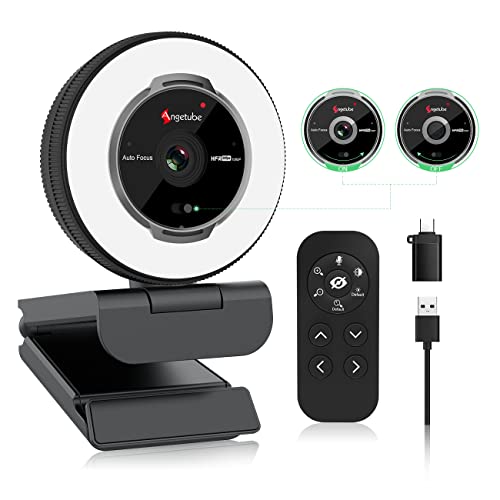

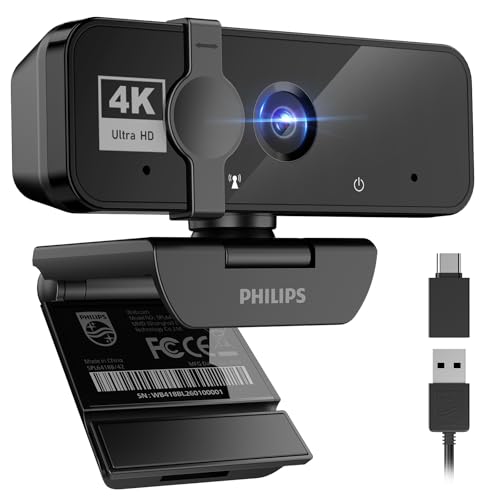


Spending Levels by Budget
The sections below describe what each spending level usually delivers, without naming individual models. Use them to set a budget that matches your daily use, rather than buying the highest resolution you can afford and hoping it fits your desk.
Budget Level: Simple and Capable
At the budget level, expect a compact webcam style camera with a fixed focus lens, a built in microphone, and a clip mount for a monitor or laptop. Video is usually clear in good light, and setup is as simple as plugging in a USB C cable. This level suits video calls, online classes, and remote work where the main goal is to be seen and heard clearly.
The limits appear in dim rooms and fast movement, where the picture can look soft or noisy. Audio is tuned for a nearby voice, so a quiet room helps. If you only join calls from a well lit desk, this level often gives the best value, and money saved can go toward a lamp or a separate microphone.
Midrange Level: A Clear Step Up
At the midrange level, expect sharper video, better low light handling, wider framing choices, and more useful software controls. Autofocus becomes more reliable, colours look more natural, and the microphone often handles a slightly larger space. This level suits people who present often, record short videos, or stream to a small audience. For photo focused options, see our guide to the best cameras for photography.
The value here comes from consistency rather than one headline specification. A camera that stays sharp when you lean back, keeps exposure steady near a window, and mounts securely on a monitor will serve daily work better than a cheaper model with a higher resolution number but weaker processing. Check the mount, the cable length, and the software before you decide.
Premium Level: For Demanding Desk Work
At the premium level, expect the sharpest video, the cleanest low light picture, and the most control over focus, exposure, and framing. Some models offer interchangeable lenses or advanced tracking, while others focus on studio style video from a fixed desk position. This level suits regular streamers, creators, and presenters who record often and need dependable quality.
The trade off is cost and setup time. A premium camera may need more light, a sturdier mount, and a little learning to get the best result. It is worth the spend when video quality is part of your work, but it is easy to overspend if your main use is a few calls a week from a bright, quiet room.
What Your Money Gets You at Each Price Tier
Price tiers in this guide are approximate, and they reflect typical desktop camera prices rather than any single model. Around $50 to $150 usually buys a capable webcam for calls. Around $150 to $300 usually buys a sharper camera with better low light video and more framing control. Around $300 and above usually buys a creator focused camera with stronger processing and more manual control.
Each step up should buy a visible improvement for your use, not just a larger number on the box. If you move from budget to midrange, look for cleaner low light video and steadier focus. If you move to premium, look for control and consistency across lighting changes, plus a mount and connection that suit a permanent desk setup.
Budget Tier: What to Expect
Expect simple setup, a compact clip mount, and clear video in good light. Expect a fixed or basic autofocus lens, a built in microphone, and software that covers the basics. This tier is a good match for calls, tutoring, and remote meetings from a single desk.
Midrange Tier: A Balanced Choice
Expect sharper detail, better handling of mixed light, and a wider choice of framing. Expect more reliable autofocus and a microphone that copes better with a normal room. This tier suits frequent presenters and people who record videos as part of their work.
Premium Tier: When Spending More Pays Off
Expect the most control, the cleanest low light video, and the most stable picture during movement. This tier pays off when video quality affects your audience, your teaching, or your professional image. It pays off less when calls are short, lighting is good, and a simple webcam already looks clear.
Features Worth Paying For (and Ones to Skip)
Some features earn their price quickly, while others sound impressive but add little at a desk. The sections below separate the two, so you can spend on what changes your daily video and skip what does not.
Lens and Zoom Range
For a desktop camera, a good fixed lens or a modest optical zoom matters more than a long zoom range, because you sit close to the camera. A wide enough view to include your shoulders without showing too much of the room is usually ideal. Digital zoom should be treated with care, since it enlarges the picture and can soften detail.
Features That Matter for Desktop
Desktop use calls for a stable mount, a sensible field of view, and video that stays clear when you move slightly or when light changes. Look for a mount that grips your monitor without slipping, a privacy shutter for peace of mind, and a connection that reaches your computer without a tangle of adapters. A camera that stays put and starts quickly will serve you better than a sharper model that needs constant adjustment. For well regarded all round options, see our guide to the best quality cameras.
Battery Life and Charging
Most desktop cameras draw power through a USB C connection and do not rely on a battery, so run time is rarely the deciding factor. What matters is cable length, whether the camera stays powered when the computer sleeps, and whether a portable model charges while in use. If you move the camera between desks, check that it charges fully between sessions and that the cable is long enough for your setup.
Sensor Size and Image Quality
A larger sensor usually handles dim light better and produces cleaner video, but it is not the only factor. Lens quality, processing, and frame rate shape the final picture too. A steady 30 frames per second with natural colours often looks better than a higher resolution picture that stutters. Judge image quality in your own lighting, not only from a resolution number.
Features to Skip at a Desk
Skip long range zoom, rugged weather sealing, and action focused stabilisation unless you plan to use the camera outdoors or on the move. Those features add cost without improving a seated call or a desk recording. Also skip a complex manual control system if you will not adjust it, since automatic exposure and focus usually give a more consistent result for daily work.
Long Term Costs to Factor In
Beyond the camera itself, budget for a lamp or a light panel if your room is dim, a mount or tripod if the clip does not suit your monitor, and possibly a separate microphone if you present often. Replacement cables, lens cleaning cloths, and a padded case for a portable model add small costs over time. A warranty that covers the mount and connection is worth checking, since those parts see daily use.
FAQs
What features matter most in cameras for desktop?
The features that matter most are a stable mount, a field of view that frames you well, clear audio or an easy way to add a microphone, and reliable video in your usual lighting. Privacy control, simple software, and a cable long enough for your desk also matter more than many buyers expect. A camera that starts quickly and stays in place will serve daily calls better than a sharper model that needs frequent adjustment.
Which is better for low light?
A camera with a larger sensor and good low light processing usually performs better in a dim room, but lighting still plays a large role. A simple lamp placed in front of you, rather than behind you, often improves video more than a jump to a higher price tier. Check the picture with your curtains and lights in their usual positions, and favour clean, steady video over a higher resolution that looks noisy in the dark.
Is a smartphone enough instead?
A smartphone can be enough for occasional calls, especially when it has a good front camera and a stable stand. A dedicated desktop camera is usually more convenient for daily work, because it stays mounted, starts with your computer, and leaves your phone free. If you already own a good phone and only join a few calls a week, a phone stand may be the better value, while frequent presenters often prefer a dedicated desk camera.
How much should I spend on my first one?
For a first desktop camera used mainly for calls, around $50 to $150 often buys a capable model with clear video in good light. New buyers can also compare our guide to the best starter cameras. If you present often or record videos, around $150 to $300 usually buys sharper video and better low light handling. Spend more only when video quality is a regular part of your work, and put any saving toward lighting or audio, which often improve calls more than a pricier camera alone.
Wrapping Up
The best value comes from matching the camera to your daily use. Budget models suit calls from a bright desk, midrange models suit frequent presenters and short recordings, and premium models suit creators who need consistent, high quality video. The product table above can help you compare those levels side by side.
Before you order, check the mount, the cable length, and the picture in your own lighting. The best cameras for desktop are the ones that frame you well, sound clear, and work without fuss every time you sit down to a call or a recording. Use these points each time you weigh best cameras for desktop for your own situation.