Best Cameras for Casual Photographers of 2026: Complete Buying Guide
Disclosure: We may earn a commission when you buy through links on this page, at no extra cost to you. As an Amazon Associate I earn from qualifying purchases. Learn more
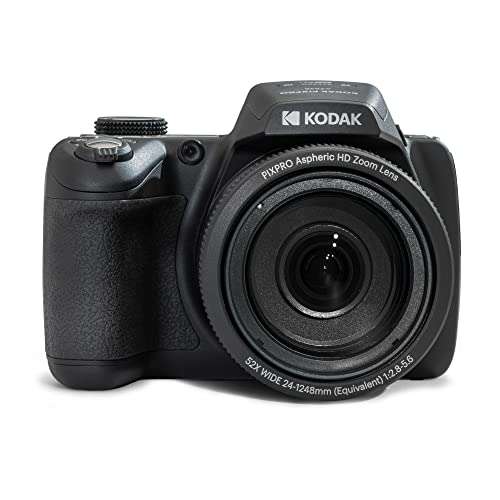
Clear guidance on sensors, autofocus, zoom and battery life for the best cameras for casual photographers.
A phone handles quick snaps well, yet it struggles with distant subjects, dim rooms and fast action. The best cameras for casual photographers fix those weak spots without asking you to learn pro settings or carry a heavy bag. This guide shows which features change your photos, so you can read the comparison table below with a clear sense of what matters.
Casual use has its own logic. You may shoot a birthday, a school game and a beach walk in one month, then leave the camera in a drawer for two weeks. You need quick startup, reliable focus and simple sharing, plus a body you still enjoy picking up after a break.


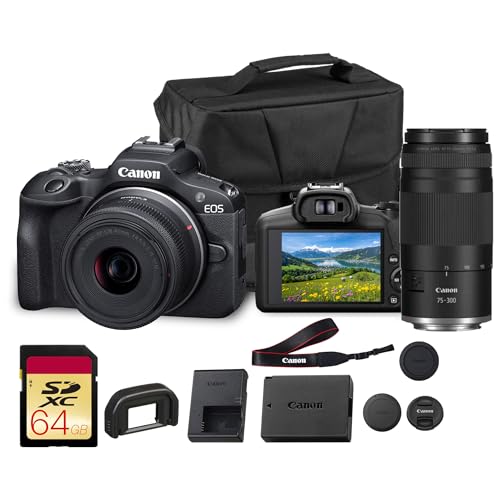

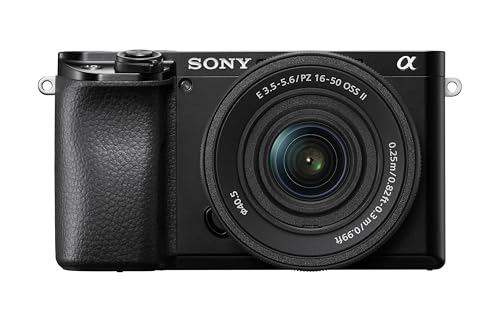

Who Should Buy a Dedicated Camera for Casual Use?
Match the camera to the moments you shoot most, not to the longest spec list. Your subjects and sharing habits point to very different choices.
Families Who Shoot Birthdays, Games and School Events
You need a camera that wakes fast and locks onto moving children without missed shots. Look for strong face and eye detection and a zoom that reaches across a gym or field. A simple auto mode matters too, because you often hand the camera to another parent who should get a good photo with no setup.
Travelers Who Want More Than a Phone on Trips
You walk all day, so weight and battery life shape your trip as much as image quality does. Choose a compact body for a small bag, a versatile zoom for streets and landscapes, and USB C charging so one cable serves phone and camera. Weatherproof sealing adds peace of mind in light rain.
Social Sharers Who Post Photos the Same Day
You care about the path from shot to post. Choose WiFi and Bluetooth transfer to an app, pleasing color straight from the camera, and a flip screen if you record yourself or shoot with friends. For stills alone, fast transfer and good auto color save more time than extra megapixels ever will.
Key Features to Compare
When you compare the best cameras for casual photographers options side by side, work through the six factors below in order. They decide image quality, missed moments and how gladly you carry the camera.
Sensor Size and the Look of Everyday Photos
The sensor collects light, and a larger sensor usually gives cleaner photos in dim rooms and smoother tones at sunset. Most casual models use a 1 inch sensor or an APS C sensor, while full frame bodies cost and weigh more than casual use justifies. Megapixels matter less, because about 20 to 24 megapixels already print well at common sizes.
Autofocus That Finds Faces and Eyes
Autofocus decides whether your subject is sharp or soft, and modern systems track faces, eyes, pets and vehicles as they move. Eye detection does the most work for casual portraits, because portraits fail when focus lands on a nose or shoulder. Check low light behavior too, since focus that hunts in a restaurant frustrates fast.
Image Stabilization and Optical Zoom
Image stabilization steadies small hand movements, which keeps handheld shots sharper at slow shutter speeds and smooths short 4K video clips. Optical zoom uses the objective lens to magnify a distant subject without losing detail, while digital zoom only crops and softens the image. A range of about 24 to 100 mm in full frame terms covers groups, portraits and travel scenes for most people.
Ease of Use, Auto Modes and Phone Transfer
Good auto modes judge the scene and set exposure for you, and scene guides explain choices in plain words instead of numbers. Clear menus and controls you can reach with one hand reduce missed moments. If this is your first dedicated camera, see our guide to the best cameras for starting photographers for an even simpler starting point.
Size, Weight and How a Camera Feels to Carry
A camera you leave at home takes no photos, so honest size matters. Point and shoot compacts slip into a jacket pocket, while mirrorless bodies with a small lens fit a day bag but not a pocket. Check weight with lens and battery fitted, since makers often quote the body alone.
Battery Life and Charging for Occasional Shooters
Makers rate battery life in shots per charge, and casual models often give about 250 to 400 shots, with screen use pulling the real number lower. That covers a day out, but a weekend trip deserves a spare battery. USB C charging is worth seeking, because you can top up from a car or power bank between stops.
Types of Cameras for Casual Use
Three types cover nearly every casual need. For a wider view of the market, see our guide to the best digital cameras and note how many models assume pro use instead.
Compact Cameras With a Fixed Lens
These cameras keep the lens fixed, the body small and the controls simple, so you turn one on and shoot within seconds. A 1 inch sensor gives a clear step up from a phone, and the built in zoom handles most family and travel scenes. You cannot swap lenses, but that simplicity suits anyone who wants good photos with no kit to manage.
Mirrorless Models With Swappable Lenses
Mirrorless models use interchangeable lenses and larger sensors, so they handle dim light better and let you add a portrait or telephoto lens later. They cost and weigh more than compacts, yet auto modes keep them friendly. Readers who expect the hobby to grow can also see our guide to the best cameras for amateur photographers for the step beyond casual shooting.
Small Action Cameras for Sports and Water
Action cameras are tiny, rugged and usually waterproof without a case, which suits pools, bikes, boats and snow. Their very wide view fits scenes and movement more than portraits, and small sensors limit dim light quality. Choose one when toughness and mounting options matter more than zoom. For dry land family photos, the other two types serve you better.
Tips to Get the Most From Your Camera
- Learn the half press, because holding the shutter button halfway lets focus lock before the shot.
- Shoot a few frames of moving subjects, since one frame often catches closed eyes.
- Turn on the grid overlay to keep horizons level and place subjects off center on purpose.
- Charge the battery after each big outing, so the camera is ready when a moment appears.
- Format the memory card in the camera after copying photos, because that keeps the card working smoothly with that body.
Common Mistakes to Avoid
- Buying on megapixels alone leads to a tiny sensor that struggles in dim rooms where families gather.
- Choosing digital zoom over optical zoom leaves distant subjects soft, cropped and hard to print.
- Picking a heavy body for daily carry means the camera stays home on walks where photos happen.
- Skipping a spare battery ends a long event early, because screens and video drain a charge fast.
- Ignoring transfer options delays sharing for days, so photos sit on the card while the moment goes stale.
- Paying for full frame size without a need for it adds cost and weight casual shooting rarely rewards.
Care and Maintenance for a Casual Camera
Clean the lens with a soft lens cloth, not your shirt, because shirt fabric can hold grit that scratches the coating. Use a blower first to move dust off the glass, then wipe in small circles from the center outward. Keep a cap on the lens when the camera rides in a bag with keys and coins.
Store the camera in a dry, padded bag away from heat, and remove the battery if you will not shoot for a month or more. Update firmware when the maker offers autofocus or stability fixes, using a full battery and the maker instructions.
FAQ
What features matter most in cameras for casual photographers?
Reliable autofocus, a sensor large enough for indoor light and simple sharing matter most for casual photographers. A tilting screen is a useful extra, because it lets you shoot over a crowd or down at a child without kneeling. Add zoom reach only if your subjects are often far away, such as players on a far sideline.
Is a smartphone enough instead of a dedicated camera for casual photos?
A smartphone is enough for bright outdoor scenes and instant sharing, and many people need nothing more. A dedicated camera earns its place when you zoom often, shoot indoors without flash, or want large prints. One check helps. If your last trip album holds many soft or dark shots you wish were better, a larger sensor will fix that pattern.
How much should casual photographers spend on a first dedicated camera?
Most casual photographers do well at about $300 to $700 for a compact, or about $600 to $1,000 for a mirrorless body with a kit lens. Spend first on sensor and lens, and keep budget for a card, case and spare battery.
Which camera type is better for low light casual photos?
A mirrorless camera with an APS C sensor is better for low light casual photos than a compact or action camera. Its larger sensor gathers more light, and a lens with a wide maximum aperture helps even more indoors. One habit adds a free boost. Brace your elbows on a table or wall, because steady hands let the camera use a slower shutter without blur.
How do casual photographers share photos quickly to a phone?
Most casual photographers share photos by pairing the camera with the maker app over WiFi or Bluetooth, then sending picked shots to the phone. Set the app to send a smaller copy for posts, because full files move slowly and fill phone storage fast. Mark favorites in the camera during a break, so the transfer list stays short later.
Final Thoughts
Start with your subjects and your bag, then choose sensor size, autofocus and zoom to fit them. A compact suits pocket carry, a mirrorless body suits dim rooms and growth, and an action camera suits water and movement. Check the shortlist in the product table above against those points before you spend.
When the fit is right, the best cameras for casual photographers feel almost invisible in use, because they start fast, focus without fuss and send photos where you want them. Pick the simplest type that covers your real moments, and spend the savings on gatherings worth photographing.