Best Cameras for Car Videos: Which One Fits the Way You Use It? for 2026
Disclosure: We may earn a commission when you buy through links on this page, at no extra cost to you. As an Amazon Associate I earn from qualifying purchases. Learn more

Find car video cameras matched to commuting, road trips and driving work, with guidance on mounting, low light, stabilization, power and storage for daily use.
There is no single camera that fits every driver, because a daily commute, a family road trip, and a full day of driving work each place different demands on video, mounting, and power. The best cameras for car videos are the ones that match your main use, record clearly in changing light, and stay secure on rough roads without distracting you. The comparison table below can help you compare the main camera types before you look at details.
This guide matches camera features to real driving situations, so you can avoid paying for extras you will not use and avoid missing a feature you will need every day. It covers buying guidance only, with no single model picked as a winner, and it notes placement and recording rules you should check for your area.


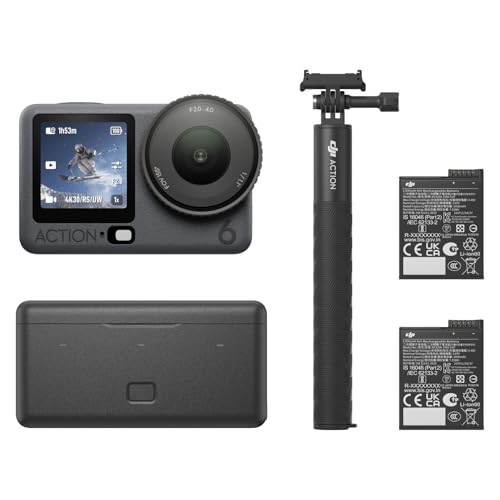

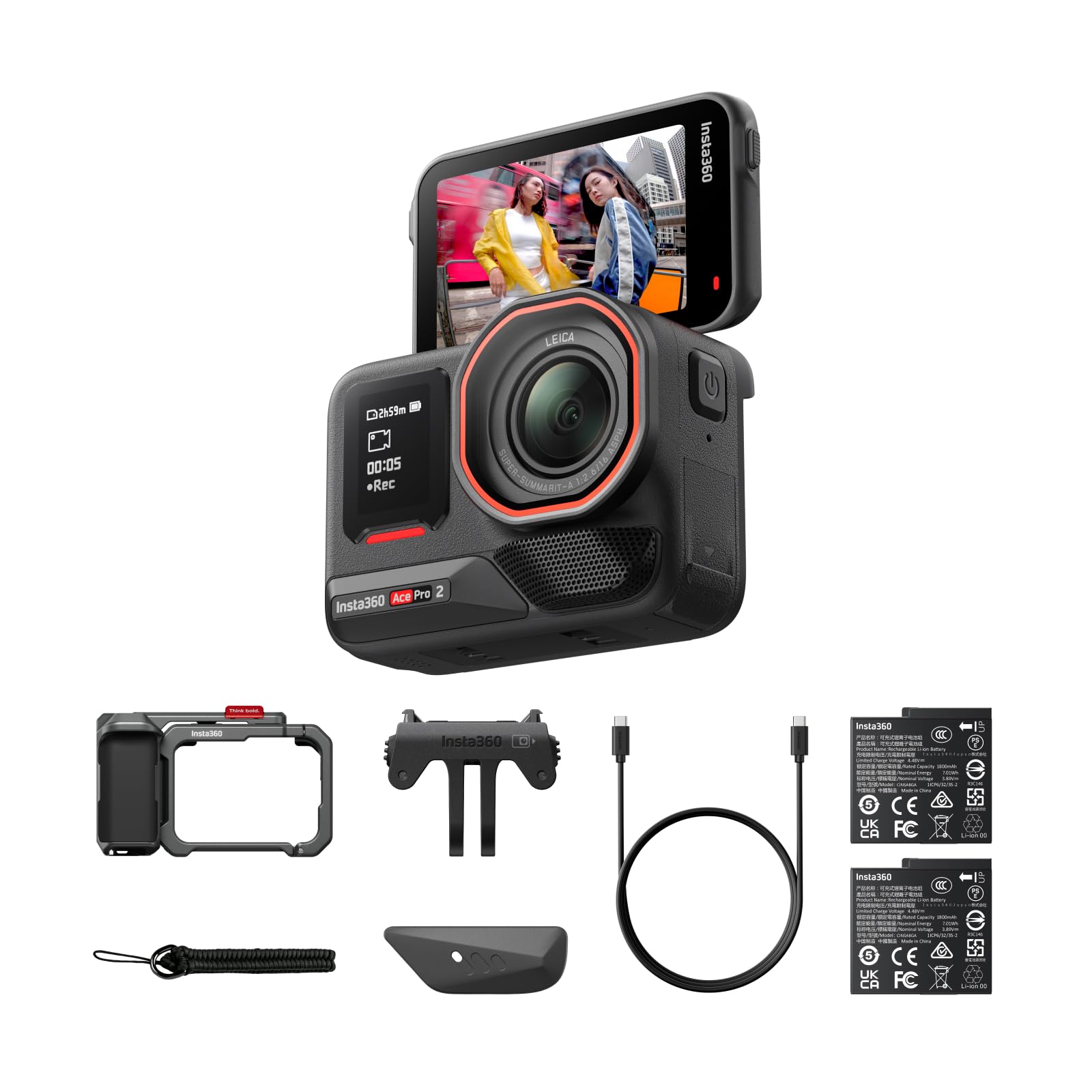

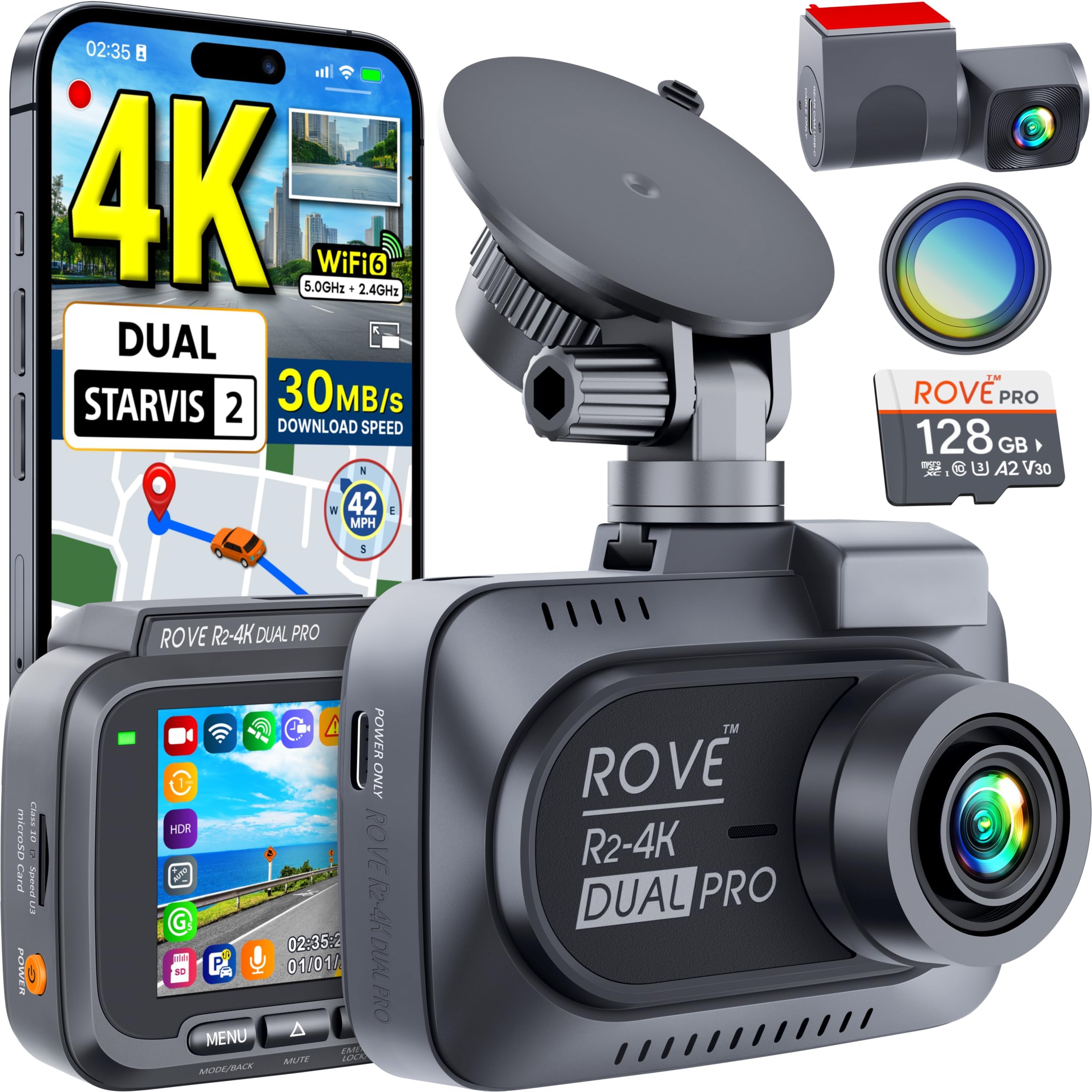
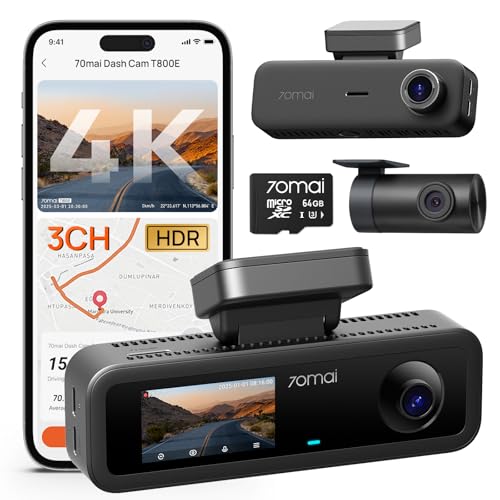
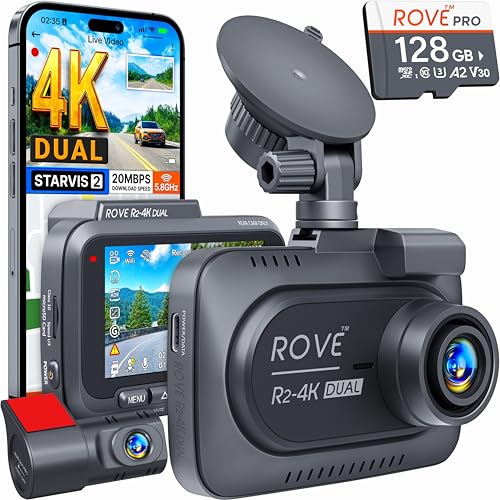
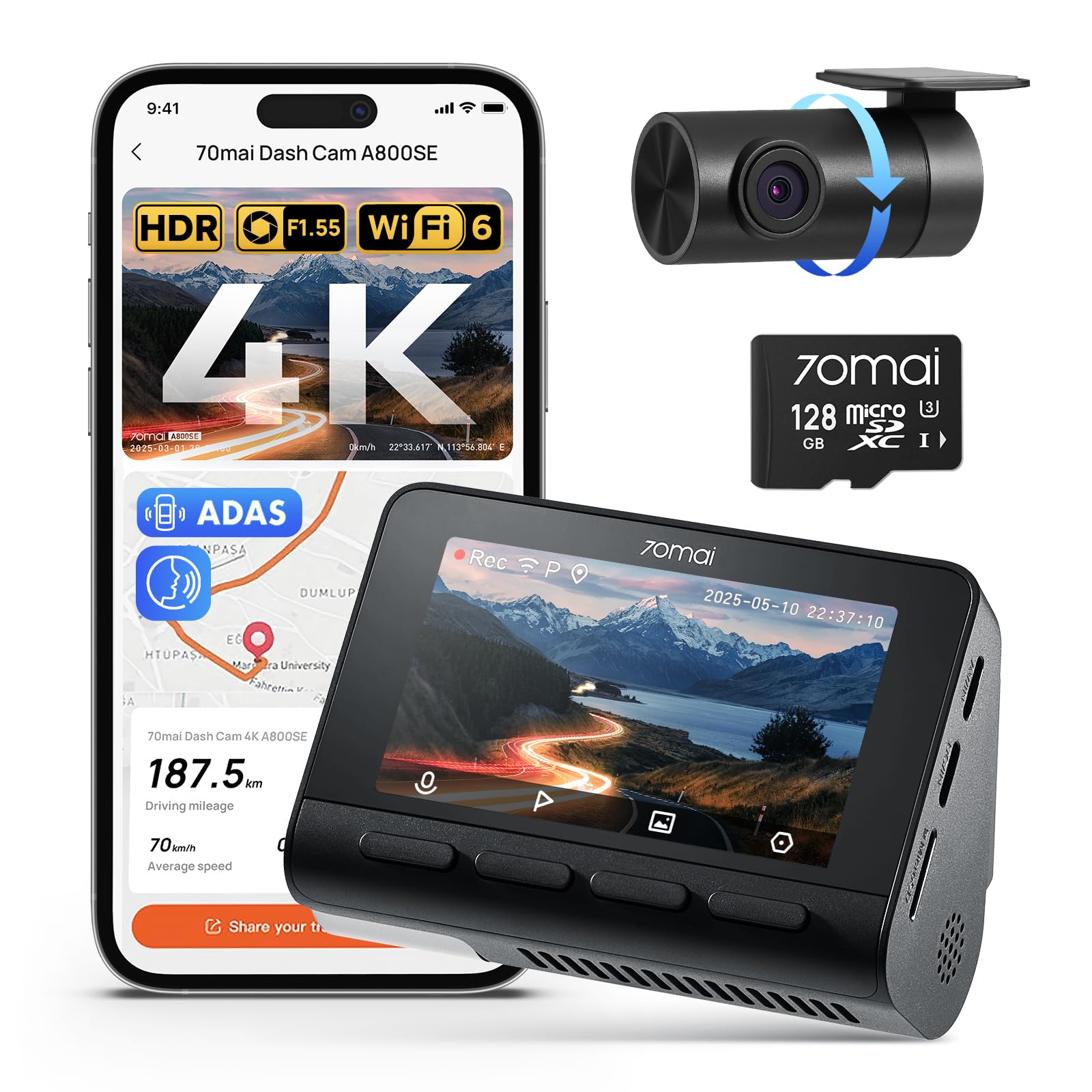
Who Should Buy Which Camera?
Start with how you drive, not with a spec list. A camera that works well for short city trips may fall short on long highway days, while a camera built for all day work may be more complex than a casual driver needs. The groups below cover the most common car video needs, so you can find the closest match and then compare features.
For Daily Commuters Who Want Incident Cover
Daily commuters usually need a camera that starts with the car, records in a loop, and saves a clip automatically when it senses a sudden stop or impact. A wide view of the road ahead, clear daytime and night time video, and simple controls matter more than creative video modes. Look for a secure windshield mount, a power cable that does not dangle into your view, and a memory card setup that overwrites old footage without constant attention.
For Family Road Trippers Who Record the Journey
Family road trippers often want a camera that can capture scenery, stops, and conversations without complex setup at every stop. Good stabilization, easy file transfer, and a battery or power option that lasts through long driving days matter more than the highest resolution alone. See our guide to the best cameras for video blogging if you plan to edit trip stories as well as record driving footage. A camera that is easy to move between a windshield mount and a hand held use can add flexibility on stops.
For Drivers Who Record for Work
Drivers who record for delivery, rideshare, or other driving work need reliable all day recording, clear audio controls, and storage that can handle many hours of footage. A second view of the cabin or the road behind can be useful, depending on the job, along with a mount that stays firm on rough roads and a power source that does not drain the car battery overnight. Check local rules on recording, consent, and placement before you use a cabin view, because rules vary by area and by use.
Key Features to Compare
Car video features should be judged by driving conditions, not by studio conditions. Bright sun, dark tunnels, rain on the windshield, vibration, and heat inside a parked car all affect results. The factors below help you compare cameras on the points that matter most on the road.
Low Light Performance
Low light performance matters for evening commutes, tunnels, parking garages, and rural roads with little street lighting. A larger sensor and a brighter lens usually produce clearer plates and road markings in dim light than a high megapixel count alone. Look for sample style guidance on night clarity, noise control, and headlight glare, rather than a single brightness number. A camera that handles glare well can be more useful at night than one that simply brightens the whole scene.
Sensor Size and Image Quality
Sensor size and image quality shape how much detail you can read in a clip, such as lane markings, signs, and nearby vehicles. A larger sensor often helps in dim light, while higher resolution can help when you crop a frame to read a detail. See our guide to the best cameras for video for a broader view of how resolution, frame rate, and sensor size work together. For most drivers, smooth motion and clear detail matter more than the highest resolution setting, especially when storage fills quickly.
Durability and Weather Sealing
Durability matters because a car camera faces heat, cold, vibration, and long hours in direct sun. A mount that locks firmly, a body that tolerates heat, and a cable that resists wear will usually outlast a camera with a fragile mount or a loose power connection. Weather sealing matters less for a camera kept inside the car, but it helps if you move the camera outside for trip photos or use it in a vehicle with open windows. Follow maker guidance on operating temperature and on safe placement that does not block your view.
Features That Matter for Car Videos
Car video use brings specific needs, including loop recording, automatic incident saving, parking mode, and a mount that holds a steady view of the road. Loop recording lets the camera reuse old space, while incident saving protects a clip from being overwritten after a sudden event.
Parking mode can record while the car is parked, but it needs a suitable power setup and may drain a battery if used without care. See our guide to the best car dashboard cameras when you compare mount styles, power options, and parking features. Always place the camera where it does not block your view and check local placement rules.
Autofocus and Stabilization
Autofocus and stabilization affect whether moving scenes stay sharp and watchable on bumpy roads. Fast autofocus helps when the scene changes quickly, such as entering a tunnel or passing a large truck, while stabilization reduces shake from rough pavement. For a fixed windshield camera, stabilization matters less than for a hand held camera, but it still helps on rough roads. Test how the camera handles vibration and quick light changes, because those are the moments when a clip is most likely to be needed.
Common Mistakes to Avoid When Buying Cameras
Small buying mistakes can lead to blurry clips, dead batteries, or a camera that falls off the windshield at the wrong moment. The list below covers the errors drivers make most often, so you can check them before you buy.
- Choosing by resolution alone, while ignoring low light clarity, stabilization, and mount quality.
- Buying a camera with a weak mount that slips on rough roads or in summer heat.
- Forgetting storage costs, including card size, card speed, and how often old footage is overwritten.
- Placing the camera where it blocks your view or violates local placement rules.
- Skipping power planning, so the camera stops recording on long trips or drains the car battery when parked.
Setup and Care Tips
Good setup makes a bigger difference than a small spec upgrade. Mount the camera high enough for a clear road view but low enough to stay out of your direct line of sight, and route the cable along trim so it does not hang loose. See our guide to the best car cameras for more context on mount types and everyday placement.
Clean the lens and the inside of the windshield often, because dust and film blur video more than most drivers expect. Carry a spare memory card on long trips, store clips you may need, and follow maker guidance on electrical safety and on battery care in heat.
Frequently Asked Questions
What features matter most in cameras for car videos?
The features that matter most in cameras for car videos are a secure mount, clear low light video, loop recording with incident saving, and reliable power. These features decide whether a clip is usable when you need it, which matters more than creative modes or the highest resolution. Storage size and card speed also matter, because a full or slow card can stop recording at the wrong time. Choose these core features first, then add extras such as a second view or parking mode only if your driving needs them.
How much should I spend on my first one?
You should spend based on how often you drive and how much you need from night video and parking features, rather than on a fixed price. Many drivers find a useful range at about $80 to $250 for a solid single view camera with loop recording and decent night clarity. Higher spending often buys better low light results, a stronger mount, or a second view, while lower spending may mean weaker night video or a fragile mount. Set a total budget that includes a memory card and a mount, so those essentials do not become surprise costs.
What specs matter most for beginners?
The specs that matter most for beginners are sensor size, lens brightness, frame rate, stabilization, and card support, rather than the highest megapixel count. A brighter lens and a larger sensor help at night, while a steady frame rate keeps motion smooth and readable. Check the maximum card size the camera supports and whether it needs a high speed card for its top video setting. Simple menus and automatic incident saving also help, because they reduce the chance of a setup error on a busy driving day.
Is a smartphone enough instead?
A smartphone can be enough for short, occasional clips, but it is often less reliable than a dedicated camera for daily driving use. A phone may overheat in sun, run out of battery, or stop recording when a call or alert interrupts the app. A dedicated camera starts with the car, records in a loop, and saves incident clips without using your phone for navigation or calls. If you use a phone mount, make sure it does not block your view and that power and storage can handle a full trip.
Which is better for low light?
A larger sensor with a brighter lens is usually better for low light, because it gathers more light and keeps noise lower in dark scenes. Stabilization and glare control also help, by keeping plates and signs readable when headlights and street lights create bright spots. For night driving, favor low light clarity and a steady mount over the highest resolution, because a sharp but dim clip is often less useful than a clear, well exposed clip. Clean glass and correct exposure settings also make a visible difference at night.
Final Thoughts
The right car video camera is the one that fits your driving pattern, stays secure on the road, and records clearly when light changes quickly. Commuters should favor automatic loop recording and a firm mount, road trippers should favor stabilization and easy file transfer, and work drivers should favor all day reliability and suitable storage. Review the product table above once more, check local placement and recording rules, and choose the best cameras for car videos type that you can set up once and trust every day.
Prices and availability can change, so check the product page before ordering. Use these points each time you weigh best cameras for car videos for your own situation.