Best Camera Straps for Heavy Cameras: 2026 Checklist for Safer Carry
Disclosure: We may earn a commission when you buy through links on this page, at no extra cost to you. As an Amazon Associate I earn from qualifying purchases. Learn more

Compare the best camera straps for heavy cameras by load rating, padding, anchors and carry style, with a buyer checklist for long days on foot.
A heavy camera changes what a strap must do. A body with a grip and a long lens can pull on your neck, swing against your hip, and strain its mounting points. The best camera straps for heavy cameras spread that load, hold the rig securely, and still let you raise the camera fast. Use the comparison table below to check each strap against the load you actually carry.
Start by weighing your heaviest setup, including the lens, grip, flash, and batteries you use on a real job. That total, not the body alone, should drive every choice in this guide.


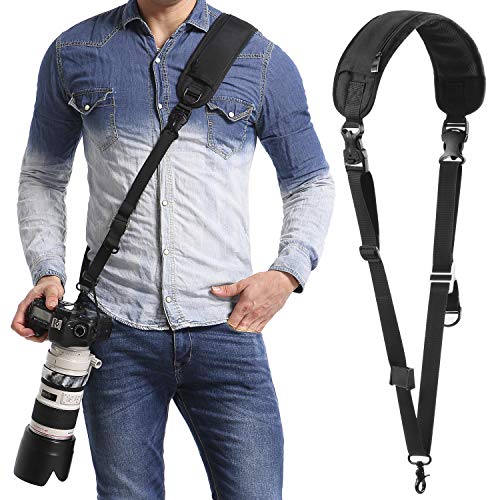


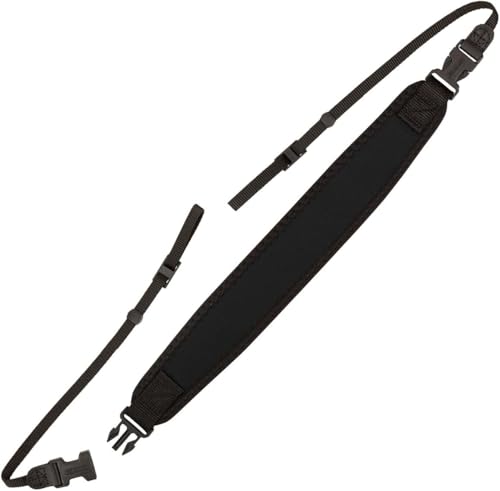

Who Should Buy a Strap Built for a Heavy Camera?
Heavy rigs punish light straps in different ways. Match your usual day to one of these groups first.
Wedding and Event Photographers Carrying Two Bodies
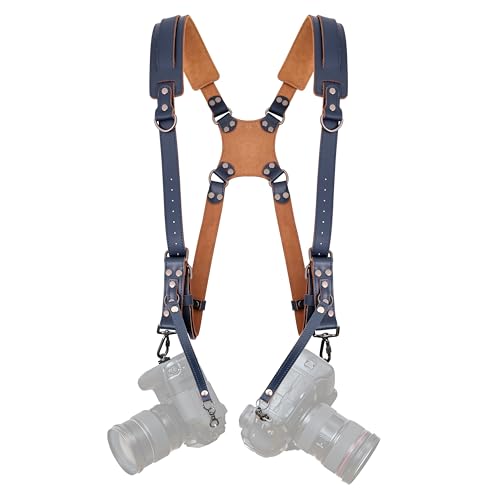
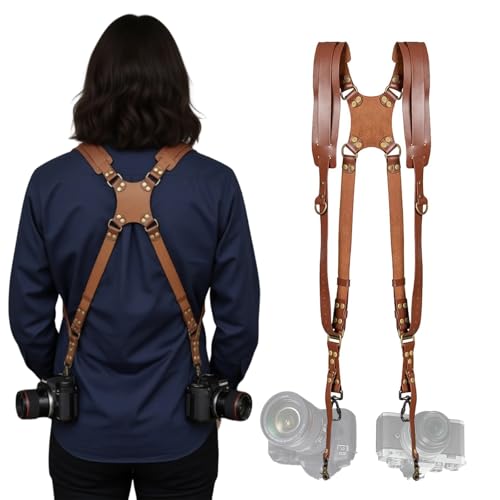
You move for hours, often with one camera in hand and a second at your side. A dual harness keeps the weight of two rigs on both shoulders instead of one neck, and keeps each body clear of the other as you walk. Choose connectors you can work one handed.
Wildlife and Sports Shooters With Long Lenses
Your lens, not your camera body, creates most of the weight and most of the swing. You need a sling or harness that anchors low, holds the rig close to your hip, and stops it from rotating as you walk.
Travel and Hiking Photographers Walking All Day
You carry one rig over distance, often with a pack on your back. A shoulder sling that works with a pack strap, adjusts fast, and keeps the camera from bouncing matters more than a formal neck strap. Hardware you can operate with gloves on also matters once cold or rain joins the walk.
Key Features to Compare
When you compare best camera straps for heavy cameras, work through these factors in order. A strap that scores well on comfort but poorly on anchors is not a safe choice for an expensive rig.
Load Rating and Anchor Points
The load rating tells you the weight the strap and its connectors are built to hold, and you want a clear margin above your heaviest rig. Check where the strap anchors, too. Lug mounts on the camera sides spread force across the body, while a single mount in the tripod socket concentrates it in one point. A lens foot connection can balance a long lens rig closer to its center.
Padding Width and Shoulder Shape
Padding helps only if it is wide enough to spread pressure across your shoulder. Look for a padded section about 2 to 3 inches wide that follows the curve of your shoulder and stays in place as you move. Neoprene adds cushion but can bounce under a heavy load, while padded webbing feels firmer and more stable. In hot weather, a breathable top surface also stops the pad from feeling clammy against your neck and shoulder by midday.
Connector Hardware and Backup Tethers
Metal hardware, locking gates, and stitched or welded joints all deserve a close look before you trust them with a costly rig. Add a short backup tether to a second point on the camera, so a single failed connector cannot drop the body. A wrist loop can serve as that last line of hold, and you can see our guide to the best wrist straps for cameras for options that pair well with a main strap.
Carry Style, Adjustment and Swing Control
A neck strap centers the load but loads a small area, a shoulder sling moves the load to one shoulder and lets the camera rest at your hip, and a harness spreads weight across both shoulders and your back. Quick length adjustment matters when you change coats or add a pack. Swing control matters just as much. A stabilizer strap or a second contact point keeps a heavy rig from swinging forward when you bend, climb steps, or lean over a barrier.
Tripod Compatibility and Strap Materials
If your strap uses the tripod socket, check whether you can still mount a plate without removing the strap each time. Some connectors pass through a plate or share a mount built for that purpose, which saves time at a busy venue. If you are setting up that workflow, see our guide to the best tripods for heavy cameras for support that matches the same rig. For materials, nylon webbing resists rain and dries fast, leather looks formal but needs more care, and neoprene cushions well but can stretch under constant heavy load.
Strap Types and a Quick Buyer Checklist
Neck straps suit short sessions, but they are rarely the best answer once a grip and a telephoto lens stay on the camera all day. Shoulder slings are the most common upgrade, because they move the load and let the camera slide up the strap to your eye. Harnesses cost more, yet they win for two bodies or very long lenses. If you are still weighing rig size, see our guide to the best digital cameras.
Best Camera Strap for Heavy Cameras and Hiking
For trails, the best camera strap for heavy cameras and hiking is usually a sling or harness that locks the camera against your side and works with a pack. Prioritize fast length changes for layers, hardware you can open with gloves, and a stabilizer that stops bounce on uneven ground.
Use this checklist before you order. If you answer no to any of the first four questions, keep looking, because you are choosing the best strap for heavy cameras for a rig you cannot afford to drop.
- Is the rated load at least twice the weight of my heaviest camera and lens setup?
- Does the padded section sit wide and flat on my shoulder without folding at the edges?
- Can I lock or back up every connector between the strap and the camera?
- Can I still use my tripod plate with the strap attached to the camera?
- Does the camera rest still at my side when I bend, turn, and climb steps?
- Can I adjust the length quickly while wearing the coat or pack I shoot in?
- Does the material suit my weather, rain, heat, or formal indoor work?
Common Mistakes to Avoid
Most dropped cameras and sore shoulders trace back to a short list of avoidable errors.
- Trusting a fashion strap with no stated load rating risks a dropped rig the first time a connector is stressed.
- Hanging a heavy lens setup from the neck alone leaves you with neck pain that ends a shoot early.
- Skipping a backup tether means one worn connector can send the camera straight to the ground.
- Letting a loose sling swing freely lets the lens strike doors, rails, and your own hip all day.
- Ignoring the tripod socket layout forces you to remove the strap at the exact moment you need speed.
Care and Maintenance for Heavy Camera Straps
Inspect stitching, webbing edges, and connector gates before any important job, and retire a strap with frayed fibers, cracked hardware, or a gate that no longer closes fully.
Clean webbing and neoprene with mild soap and water, rinse well, and dry the strap flat away from direct heat. Condition leather only with products made for leather, and keep it dry between uses. Store the strap loose rather than folded tightly, and keep spare connectors and a spare tether in your bag.
FAQ
How much safety margin should a strap for a heavy camera have above the rig weight?
A strap for a heavy camera should be rated for at least twice the weight of your full setup. That margin covers the extra force created when a rig swings, stops suddenly, or catches as you turn. Weigh the camera with its heaviest lens and grip fitted, not the body alone.
Should a heavy camera hang from a neck strap or a shoulder sling?
A shoulder sling is the better default for a heavy camera that stays on you for hours. It moves the load off the small muscles of the neck and lets the rig rest at your hip, ready to slide up for a shot. A neck strap still suits short, formal segments where the camera comes off often.
How can I test a new strap for a heavy camera before a paid shoot?
Test a new strap for a heavy camera at home over a bed or sofa before any paid work. Fit your heaviest lens, walk, bend, climb stairs, and raise the camera fifty times while watching for slip, twist, or loosening at each connector. This rehearsal reveals sizing and hardware problems while a mistake still costs you nothing.
Can a strap for a heavy camera work with a battery grip fitted?
Yes, a strap for a heavy camera can work with a battery grip fitted, but the grip changes both weight and balance. The rig will hang lower and may tilt more at your side, so you may need a longer strap setting and a stabilizer. Confirm the added height still lets the camera clear your hip when you sit.
When should I replace a strap that carries a heavy camera?
Replace a strap that carries a heavy camera as soon as you see frayed webbing, loose stitching, faded and stiff fibers, or hardware that feels gritty or loose. Do not wait for a full failure, because heavy rigs stress worn parts far faster than light ones. Keep a simple note of when each strap entered service, so replacement stays a planned purchase rather than a rushed one before a big job.
Final Thoughts
Put anchors and load rating first, then choose padding and carry style for the way you actually work. Use the product table above to compare ratings, padding, and hardware side by side.
When you judge best camera straps for heavy cameras by the weight of your real setup, the secure choice becomes clear. Pick the strap you would trust over hard ground, fit a backup tether, and carry your rig with confidence all day.