
Best Calving Cameras in 2026: Everything to Know Before Your First Purchase
Disclosure: We may earn a commission when you buy through links on this page, at no extra cost to you. As an Amazon Associate I earn from qualifying purchases. Learn more

Shopping for a calving camera for the first time? Learn night vision, coverage, connectivity and setup basics to choose with confidence for your barn.
Calving often starts at the hour you least want to walk to the barn. The best calving cameras let you watch a cow from your phone, spot early labor signs, and decide when a trip outside is truly needed. This guide starts with the basics and moves step by step to choosing, so you can use the comparison table below with confidence.
You do not need photography knowledge to buy well here. You need a clear view of the pen at night, a connection that reaches the barn, and alerts you can trust. The sections below turn each need into a simple check.
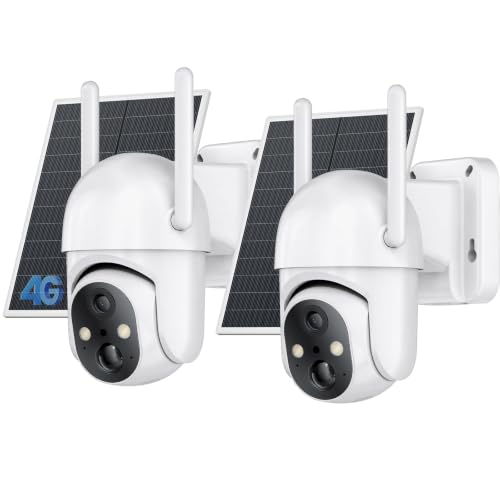


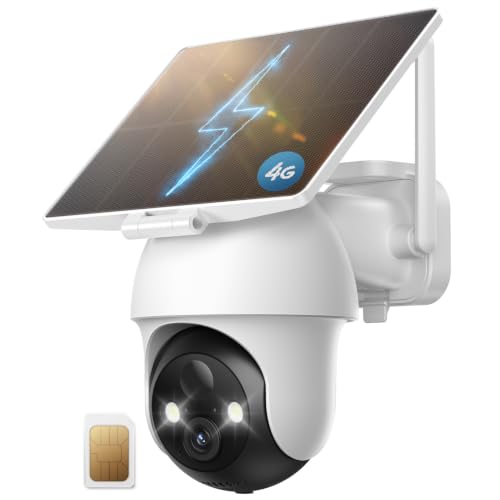
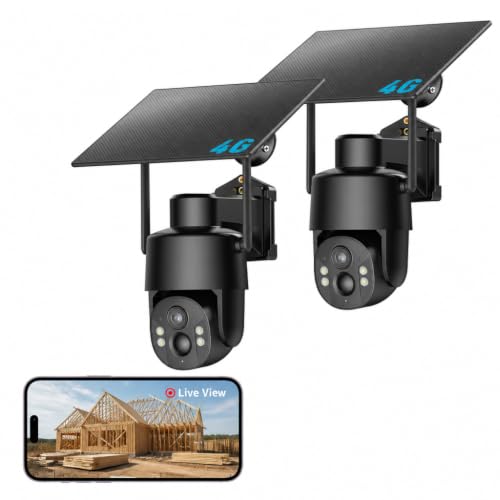


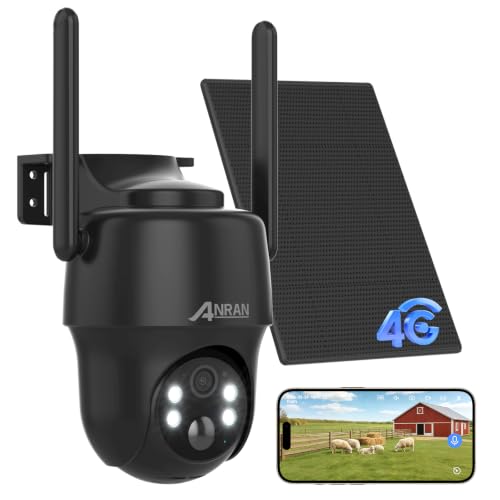

Who Should Buy a Calving Camera Setup?
Almost any herd can gain from remote watching, but the right setup depends on how many cows calve at once and how far the barn sits from your house.
Small Herds Calving in One Main Pen
You calve a handful of cows in one pen close to the house. One fixed camera with a wide view and strong night vision will usually cover your needs. Spend on clear night images and a simple app rather than extra movement controls, and setup stays simple all season.
Farms With Several Pens Calving at Once
You may have two or more cows close to labor on the same night in different pens. Look for a system that supports more than one camera in one app, so you can scan each pen in seconds. Turning cameras help in large pens, while fixed views suit smaller ones.
Families Who Live Away From the Barn
Your house may sit a long drive from the calving shed, or night checks may fall to whoever is awake. Remote viewing with motion alerts matters most for you, along with a connection that works at that distance. Choose a setup that lets several people view the feed.
Calving Cameras 101: The Basics
A calving camera is a weather resistant camera mounted above a calving pen. It sends live video over WiFi, a wired cable, or a cellular signal to an app on your phone. You watch for pacing, a raised tail, discharge, and the water bag, then go to the barn when signs call for hands on help.
That job differs from taking photos. That is why the best calving cameras are judged by night clarity, coverage, and signal strength. If camera terms feel new, see our guide to the best digital cameras for general background.
Key Features to Compare
Work through these factors in order. A camera that fails on night vision or connectivity will frustrate you no matter how sharp its daytime picture looks.
Night Vision and Infrared Range
Most calves arrive in the dark, so night vision is the first feature to judge. Infrared lights let the camera show a black and white image in a dark pen without a bright lamp that disturbs resting cows. Check the stated night range against your pen size and allow margin, since straw and distance soften the picture. Choose strong infrared over color night modes that depend on extra light.
Field of View, Pan, Tilt and Zoom
Field of view tells you how much of the pen one camera can see at once. A wide view of about 100 to 130 degrees can cover a single pen from a corner mount. Cameras that pan and tilt let you turn toward a restless cow, and a modest zoom helps you check details such as a presenting calf. Choose movement for large or divided pens, and a fixed wide view for one small pen.
Connectivity That Reaches Your Barn
Your connection decides whether the feed works at all. WiFi suits barns near the house, so test the signal at the mounting point before you buy. A wired cable gives a steady feed where network access exists, while a cellular camera with a data plan suits remote sheds with no WiFi. Match the connection to your buildings first, because the clearest camera is useless when its signal drops during labor.
Video Clarity and Detail at a Distance
Resolution matters only insofar as it lets you read the scene. You need enough detail to tell a tail raise from a stretch, spot the water bag, and read an ear tag near the camera. Higher resolution uses more data and storage, which matters on a cellular plan. Judge sample night footage where you can, since a sharp daytime rating can hide a grainy night image.
Motion Alerts and Remote Viewing
Alerts turn a camera from a screen you must watch into a tool that taps your shoulder. Motion detection can send a phone alert when a cow grows restless or stands and lies down often, which often signals early labor. Look for adjustable sensitivity, since bedding movement can trigger false alerts all night. The app should open the live feed in a few taps and allow shared viewing.
Weather Resistance, Power and Recording
Barns bring dust, moisture, cold, and ammonia, so choose a camera built for barn use with a sealed housing. Mains power suits pens near an outlet and avoids battery changes mid season, while battery or solar power helps in sheds without wiring if you plan charging around due dates. Local storage on a memory card avoids monthly fees, while cloud storage keeps clips safe if the camera is damaged.
Types of Calving Cameras and Where Each Fits
Fixed cameras point at one pen simply and reliably, suiting most small herds. Turning cameras cover a larger area from one mount and suit long sheds, though they look one way at a time. Multi camera systems cost more but show each pen at once. If you need coverage planned around an entire building, see our guide to the best calving barn cameras for whole barn layouts.
Think about the busiest night of your season, not the average night. A setup that handles three cows calving at once, in pens you actually use, is the right size.
Installing Your First Camera in the Calving Barn
Mount the camera high in a corner, angled down so the whole pen stays in frame and cows cannot rub it. Run power out of reach of animals, then view the feed while someone stands in each corner to confirm coverage. Test the night view after dark before the first due date.
Set alert sensitivity on a quiet night first, then adjust it once cows move in. If apps are new to you, see our guide to the best starter cameras for help with common settings. Share the app login with family who help with night checks.
Common Mistakes to Avoid
First time buyers tend to repeat the same few errors, and each one shows up at the worst moment.
- Mounting the camera too low lets cows rub it and leaves blind corners where a cow can calve unseen.
- Buying a WiFi camera without testing the signal in the barn leaves you with a feed that freezes during labor.
- Choosing weak night vision means the births you most need to see are the ones you cannot make out.
- Setting alerts at full sensitivity floods your phone all night and trains you to ignore real warnings.
- Waiting until the first cow is due to install the system leaves no time to fix coverage or signal problems.
Care and Maintenance for Calving Cameras
Wipe the lens with a soft, dry cloth every few days during calving season, since dust and flies quickly dull the picture. Check the mount after any pen work and confirm the view still covers the whole pen, since a small knock can shift the angle. Keep cables away from gates and animal reach.
Between seasons, charge and store battery models, update the software, and clear old clips. Test the full system, including night view and alerts, a few weeks before the next group is due.
FAQ
How much should first time buyers spend on calving cameras?
First time buyers should expect to spend about $100 to $300 for a single dependable calving camera, with multi camera or cellular setups costing more. Cellular models add a monthly data cost, so count a full season before you compare prices. Extra spent on night vision usually returns more value than extra zoom.
What calving camera specs matter most for beginners?
Night vision range, field of view, and a connection that reaches your barn matter most for beginners. Start with those three, in that order, and let pen size settle the rest. A useful extra check is app quality, since a confusing app slows you down at night more than a modest spec ever will.
Which calving camera features matter most for night births?
Infrared range that reaches beyond your farthest pen corner matters most for night births. Color night viewing can help you judge discharge, but only where a soft light already runs in the barn. A small dim lamp can add color clues without waking the herd. Without that light, strong infrared remains the safer choice.
Is a smartphone alone enough to watch a calving cow?
No, a smartphone alone is not enough, because it can only record where you leave it and its battery fades within hours. A phone propped up for one watch also gives a narrow view. A mounted camera watches all night, sends alerts, and frees your phone for calls when you need help.
How many calving cameras does one calving pen need?
One calving pen usually needs one camera when the view covers every corner without posts blocking the scene. Check the live feed for hidden spots behind feeders or gates where a cow could lie down. If a blind corner matters, a second fixed camera aimed there is more reliable than hoping a turning camera points the right way.
Final Thoughts
Start with your pen, your distance from the barn, and your busiest week, then match night vision, coverage, and connection to those facts. Use the product table above to compare models against that list, and install early enough to test after dark.
Chosen that way, best calving cameras become a calm extra set of eyes rather than another chore. You will check cows more often, disturb them less, and arrive at the moments that truly need you.


