Best Caddie Shoes 2026: A Practical Buying Guide
Disclosure: We may earn a commission when you buy through links on this page, at no extra cost to you. As an Amazon Associate I earn from qualifying purchases. Learn more

Learn how to choose caddie shoes by course grip, walking comfort, water resistance, and durability for long days carrying bags across varied terrain.
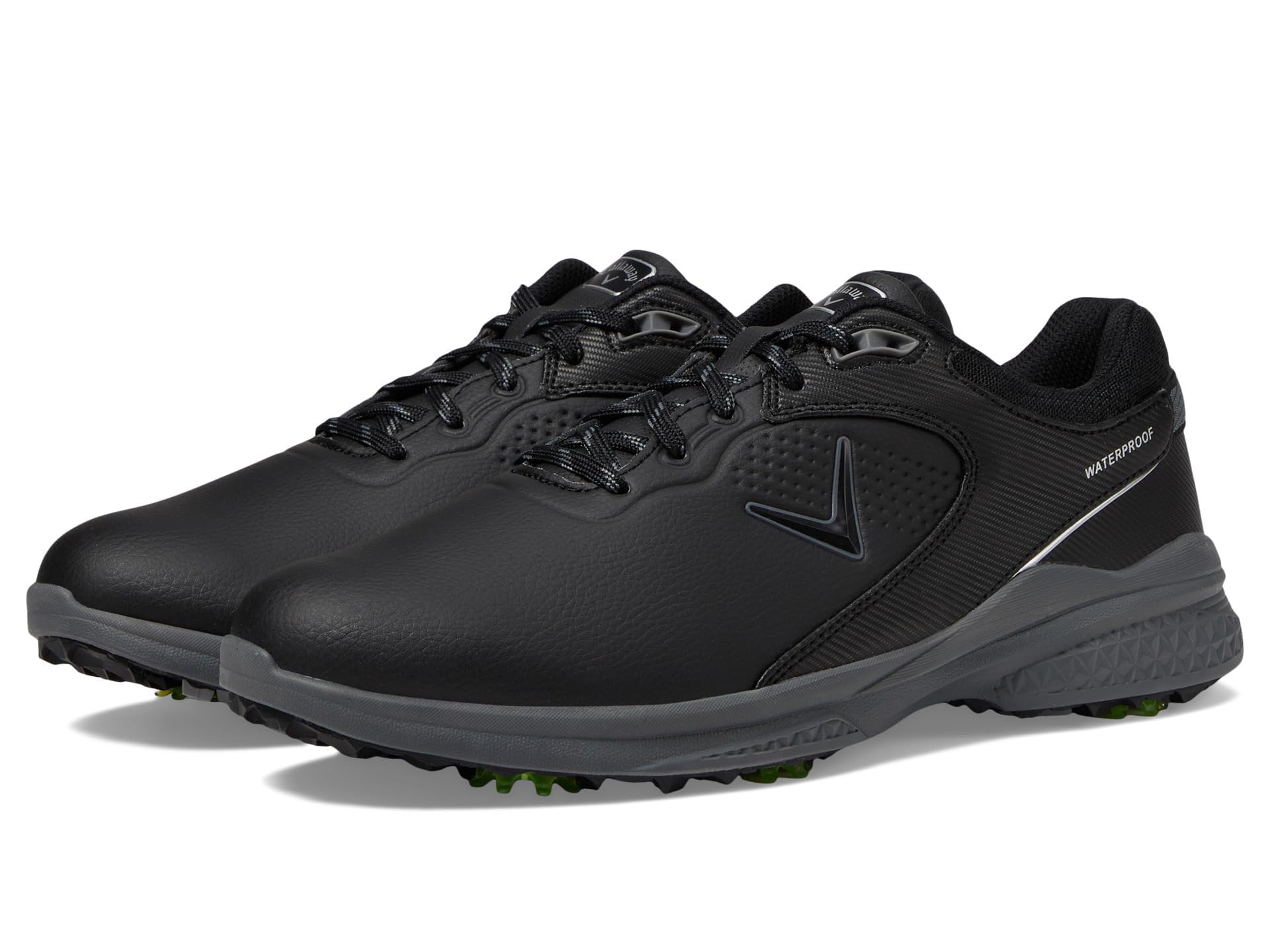
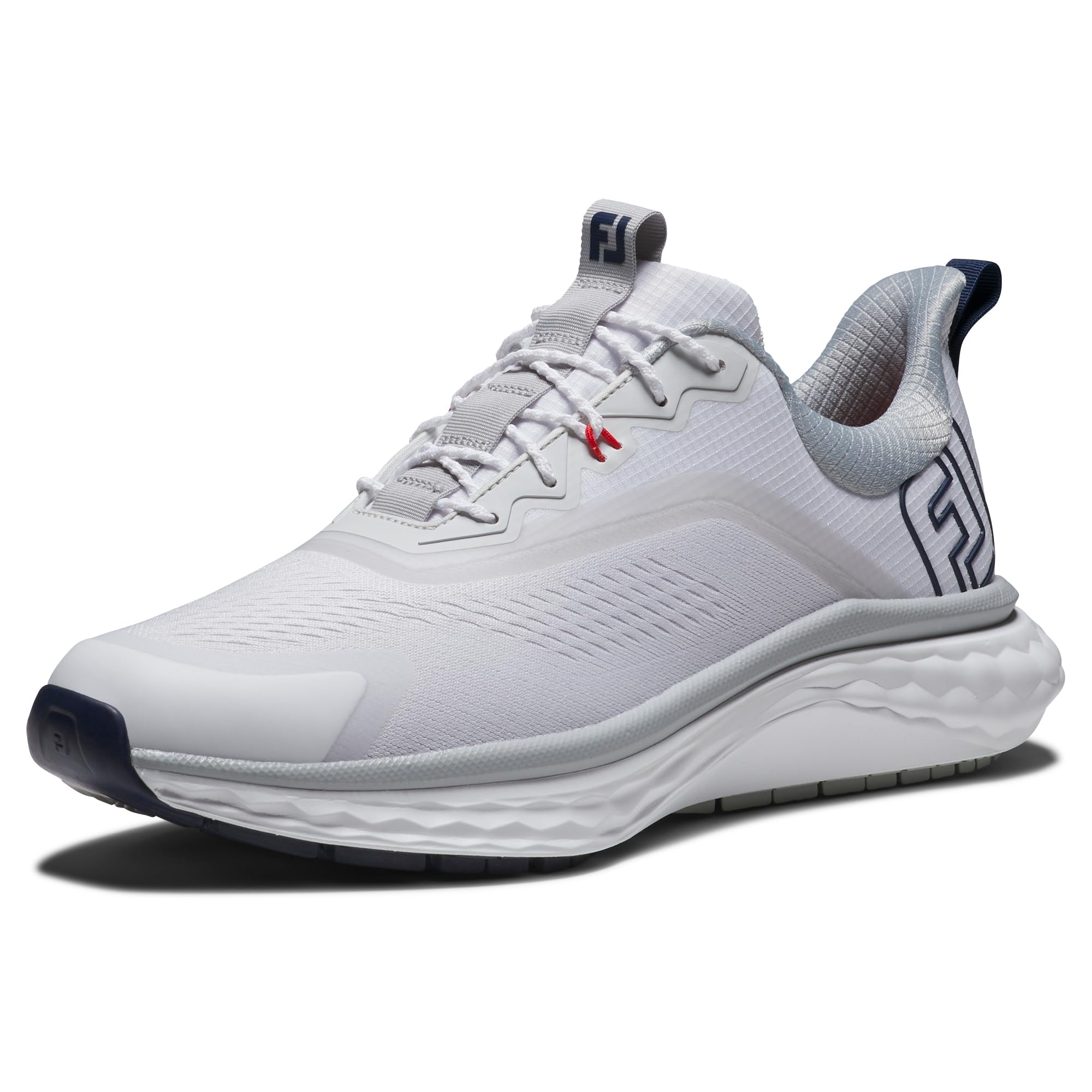
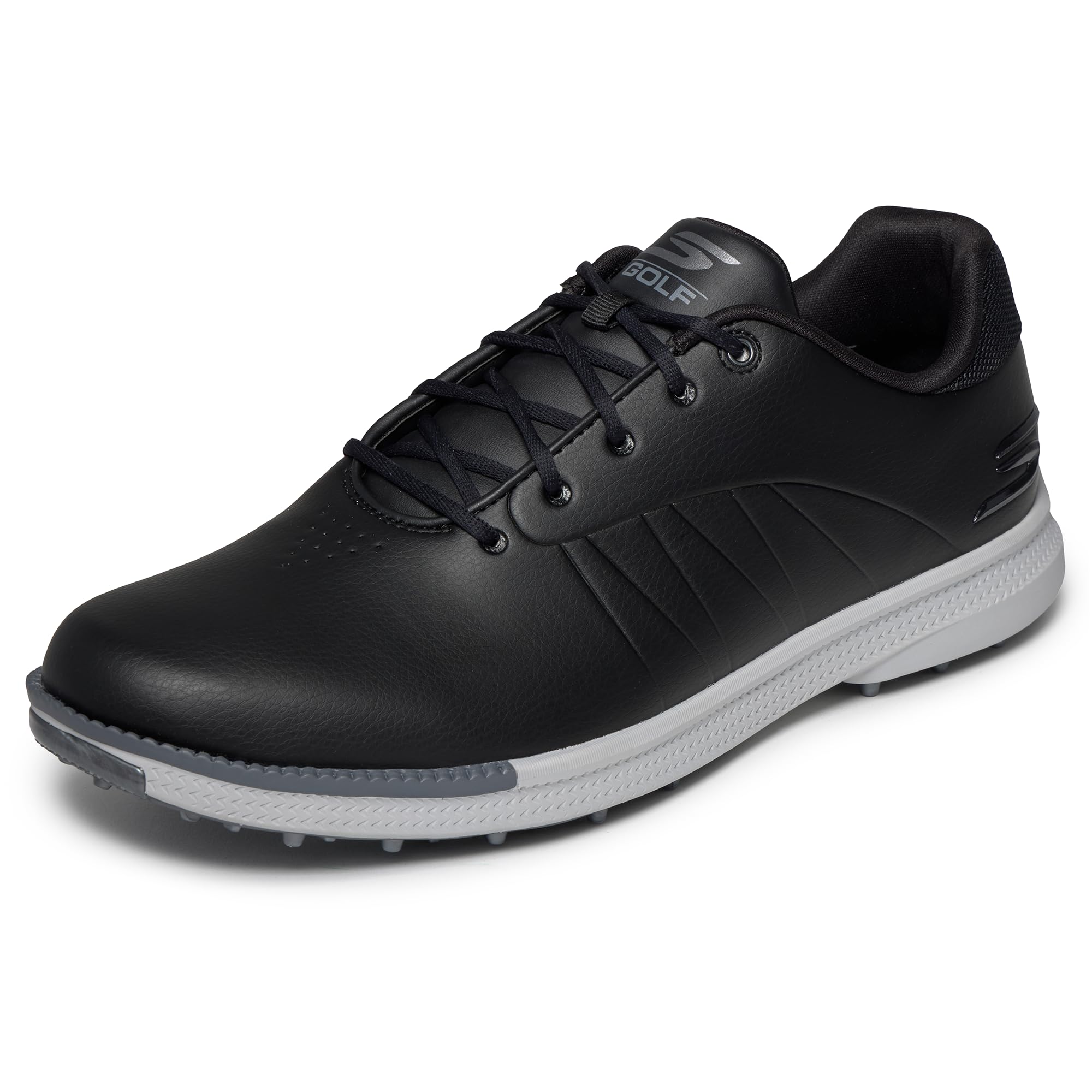
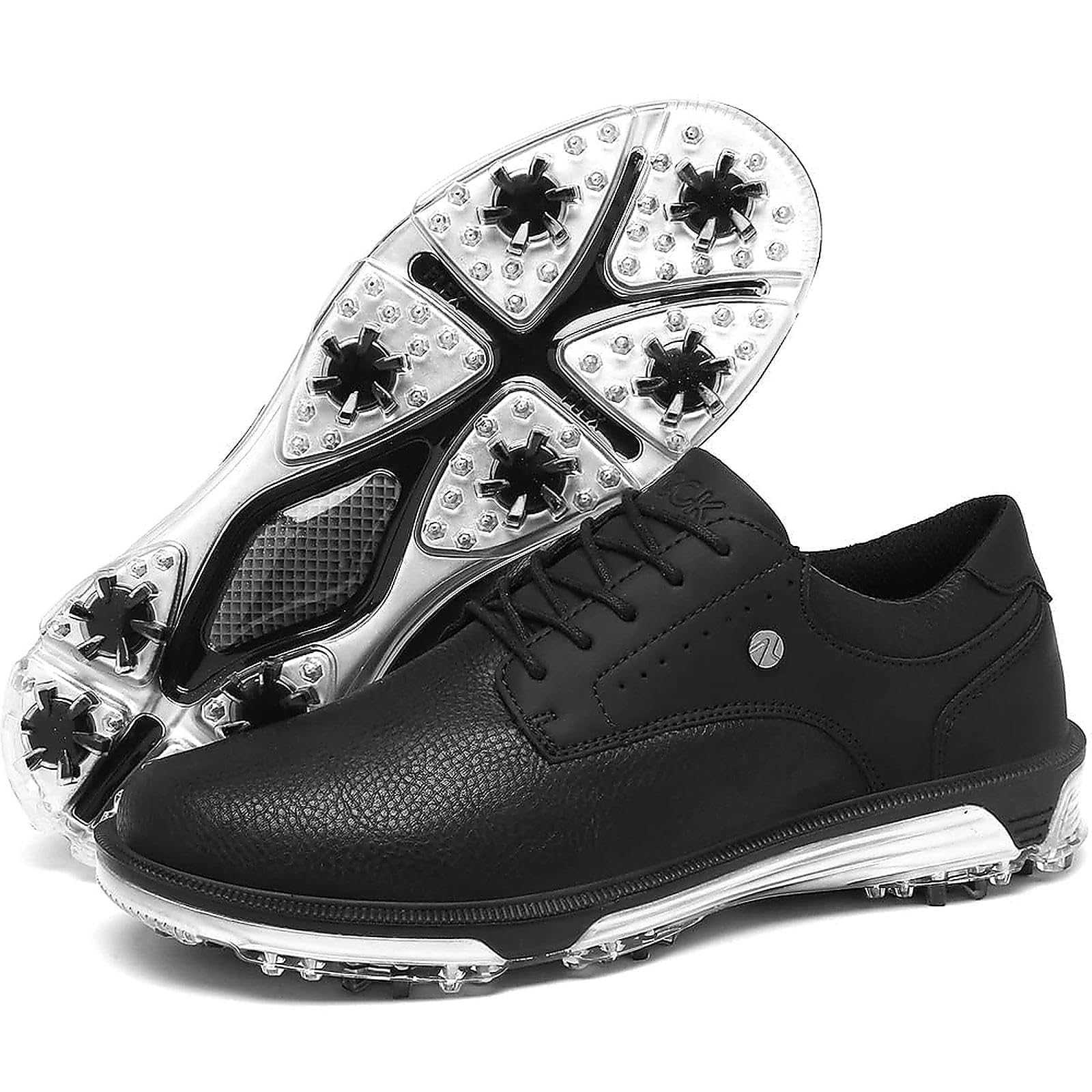
Choosing best caddie shoes is about surviving a full round on foot, often over 18 holes of hills, wet grass, and uneven ground while carrying or pushing a heavy bag. The comparison table below helps you weigh grip, cushioning, and water resistance, so your feet stay comfortable from the first tee to the final green.
A caddie walks far more than a casual golfer, so comfort and traction matter more than style alone. Think about your typical course, your weather, and how many rounds you work each week, because those facts decide whether you need waterproofing, extra cushioning, or a lighter shoe.





Grip and Traction for Course Terrain
Traction decides safety and confidence on slopes, wet fairways, and dew covered greens in the morning, so look for outsoles with well spaced lugs that shed mud rather than clogging. Spiked and spikeless designs both work, with spikes gripping soft ground better and spikeless soles feeling more natural on paths and clubhouse floors. Choose based on your course surfaces, since a shoe that grips grass beautifully may slip on paved paths if lugs are too aggressive.
Also consider how traction changes as the shoe wears, because lugs flatten and grip fades over a season of heavy use. Rotate pairs when possible, clean soles after rounds, and replace shoes when grip feels uncertain on slopes rather than waiting for a slip. Good traction is a safety feature for a caddie, not merely a performance detail.
Walking Comfort Over 18 Holes
Walking comfort depends on cushioning, arch support, weight, and fit, since a caddie covers many miles with a bag adding load to every step. Look for cushioning that stays supportive after hours rather than feeling soft for ten minutes and flat thereafter, and check whether insoles are removable if you use orthotics. A lighter shoe reduces fatigue, but it should not sacrifice support, especially if you carry a bag rather than using a trolley.
Fit should be snug at heel and midfoot with room for toes, and you should try shoes with the socks you wear on course. Break shoes in with shorter walks before a full working day, and watch for hot spots during the first rounds, since blisters early in a round ruin the rest of the day. If pain persists, talk with a footwear fitter or your clinician, because foot pain that repeats deserves attention.
Water Resistance and Weather Handling
Morning dew, rain showers, and wet rough make water resistance essential for caddies in many climates, so check whether shoes are waterproof, water resistant, or merely water repellent. Waterproof membranes keep feet dry in sustained wet conditions, while water resistant treatments handle dew and light rain but fail in heavy downpours. Match protection to your climate, since a fully waterproof shoe can feel warm in hot, dry regions.
Care extends water protection, because cleaning mud, reproofing treatments, and drying shoes naturally away from direct heat preserve membranes and leather. Avoid wearing the same pair daily without drying time, since damp shoes break down faster and invite odour and blisters. A second pair, even a budget pair, often pays for itself in comfort and shoe life.
Durability, Support, and Bag Carrying
Durability matters when shoes face daily course use, with uppers, stitching, and soles all tested by mud, hills, and long hours. Look for reinforced toe areas, solid heel counters, and stitching that survives repeated flexing, rather than glued details that peel after a wet month. A shoe built for occasional golf may look similar but wear out far sooner under caddie workloads.
Support also matters when carrying a bag, since extra load increases stress on ankles and arches, so a stable midsole and a secure lacing system help. If you use a push trolley, weight matters less, but grip and comfort remain central. Test shoes with a loaded bag on a practice walk when possible, because shop comfort alone does not predict course comfort.
Style, Clubhouse Rules, and Practical Details
Clubhouse rules and dress codes vary, so check whether spiked shoes are allowed indoors and whether your shoes suit the clubhouse after a round. Many caddies keep a second pair or change shoes after work, which also lets course shoes dry properly. Colour choice is practical too, since darker shoes hide mud and grass stains better than white pairs, which need more cleaning to look presentable.
Practical details include easy cleaning, lace durability, and whether shoes pack well for travel between courses. Quick wipe uppers suit muddy days, while leather uppers need more care but age well with attention. Choose details that fit your routine, because a shoe that is hard to clean will look tired long before it wears out.
Mistakes to Avoid When Buying
A common mistake is buying golf shoes made for occasional play and expecting them to survive daily caddie work, which leads to early sole wear and lost support. Another mistake is prioritising waterproofing above fit, since a dry but painful shoe still ruins a round. Finally, do not skip breaking in new shoes, because a full working day is the worst time to discover a fit problem.
Also avoid ignoring socks, since good golf socks with cushioning and moisture control improve any shoe noticeably. Replace insoles when they flatten, clean shoes after wet rounds, and keep a note of models that worked, so reordering is easy. Small habits extend shoe life and protect your feet across a season.
A Final Check Before You Order
Before a full working week, test new caddie shoes on a practice round with a loaded bag, including hills, wet grass, and clubhouse floors, and note grip, cushioning, and any hot spots early. A practice round reveals course specific problems that shop walking cannot, especially traction on slopes and comfort after several miles with load. Adjust lacing, socks, or insoles based on that trial before committing to a busy schedule.
Also build a drying and cleaning routine between rounds, since caddie shoes face mud, dew, and sweat daily and deteriorate fast without care. Remove insoles to dry, brush off mud after each round, and rotate pairs when possible so leather and membranes recover. This routine extends shoe life and reduces blister risk, which matters more across a season than any single feature.
Finally, keep a simple log of models, sizes, and wear patterns, since caddie shoes wear in predictable places that reveal fit and gait issues. A log makes reordering easy and helps a fitter suggest better widths or support when problems repeat. Over a season, that record turns shoe buying from guesswork into a reliable routine.
Frequently Asked Questions
Should caddies choose spiked or spikeless shoes?
Spiked shoes grip soft and wet ground better, which helps on hilly or dew covered courses, while spikeless shoes feel more natural on paths and clubhouse floors. Choose spikes for soft terrain and frequent wet mornings, and spikeless for firmer courses and mixed surfaces. Some caddies keep both types and choose by course and weather on the day.
How important is waterproofing for caddie shoes?
Waterproofing is very important in wet climates and for morning rounds, because dew and rain soak through untreated shoes quickly and wet feet blister more easily. Waterproof membranes suit sustained wet work, while water resistant treatments suit light dew and occasional showers. In hot dry climates, breathability may matter more than full waterproofing.
How do I break in caddie shoes safely?
Break in caddie shoes with short walks and then a nine hole round before a full working day, wearing your usual course socks. Watch for hot spots and stop to adjust lacing or socks early, since small rubs become blisters over 18 holes. If pain persists beyond a few short wears, the fit is likely wrong, and you should seek a different size or width.
How long should caddie shoes last?
Caddie shoes last a season or less under daily use, depending on course terrain, weather, and rotation, while occasional golf shoes last far longer. Grip loss, flattened cushioning, and leaking membranes are signs to replace them, even if uppers still look fine. Rotating two pairs and cleaning after rounds extends life, but heavy daily work wears any shoe faster.
What socks work best with caddie shoes?
Golf socks with cushioning at heel and forefoot, moisture control, and a snug fit without bunching work best, because they reduce friction over long walks. Avoid cotton socks that stay damp, since wet socks increase blister risk. Try socks with your shoes before a full round, because sock thickness changes fit noticeably.
Final Thoughts
When grip, walking comfort, water resistance, and durability are weighed together, best caddie shoes become a work tool choice rather than a fashion choice, and the product table above helps you compare the practical options. Choose the pair that keeps you steady and comfortable on your hardest course, not only your easiest one.
If foot pain, swelling, or blisters keep returning despite good fit and socks, talk with your clinician or a foot specialist. Healthy feet are essential for caddie work, and early attention prevents small problems from becoming season ending ones.