Best Bush Beans for Raised Beds in 2026: Which Type Is Right for You?
Disclosure: We may earn a commission when you buy through links on this page, at no extra cost to you. As an Amazon Associate I earn from qualifying purchases. Learn more

Compare bush bean types side by side in this buying guide, and choose the best bush beans for raised beds for your space, soil, and growing season.
Seed racks and catalogs list dozens of bush bean varieties, and the packets all promise heavy harvests. The real differences sit in pod style, days to harvest, disease resistance, and whether the seed is organic, heirloom, or hybrid. This guide compares the types clearly, so you can choose the best bush beans for raised beds for your bed size, your climate, and the way your household actually eats beans.
Bush beans suit raised beds especially well. They grow compact, need no trellis, and finish their harvest in a fairly short window, which frees the bed for a follow on crop. Use the comparison table below alongside the type breakdown here, and pay most attention to harvest timing and spacing, because those two factors decide how much food a small bed can produce.

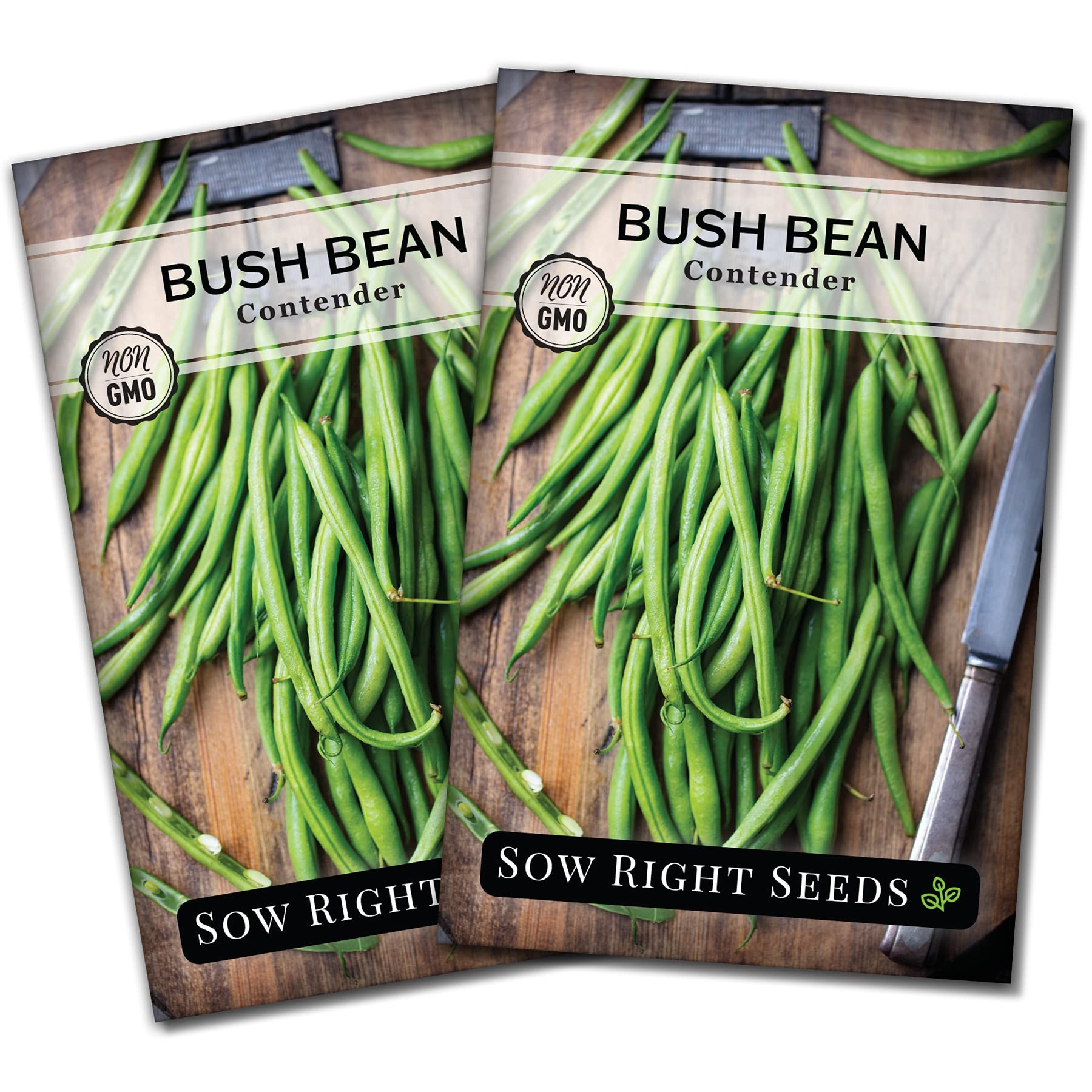



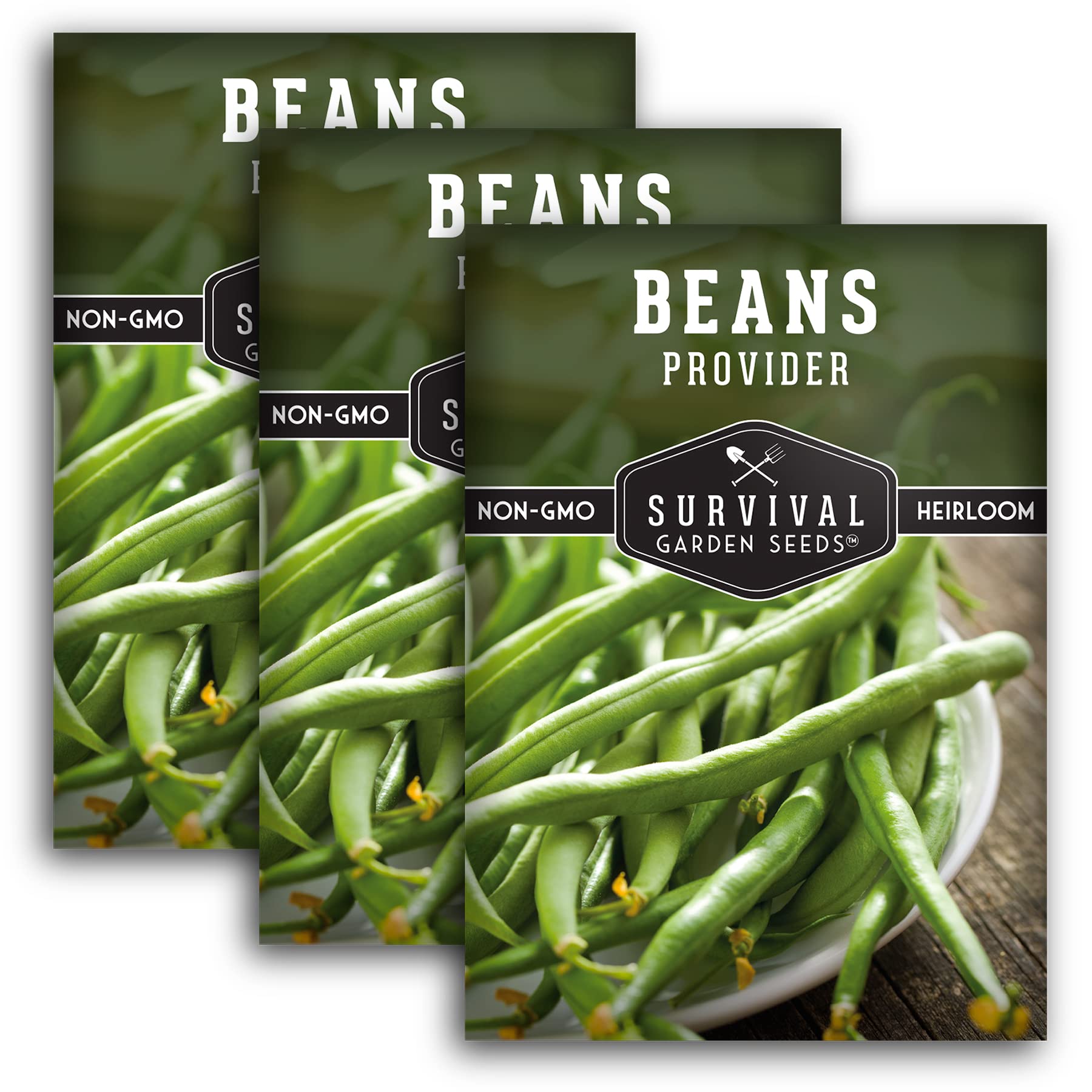
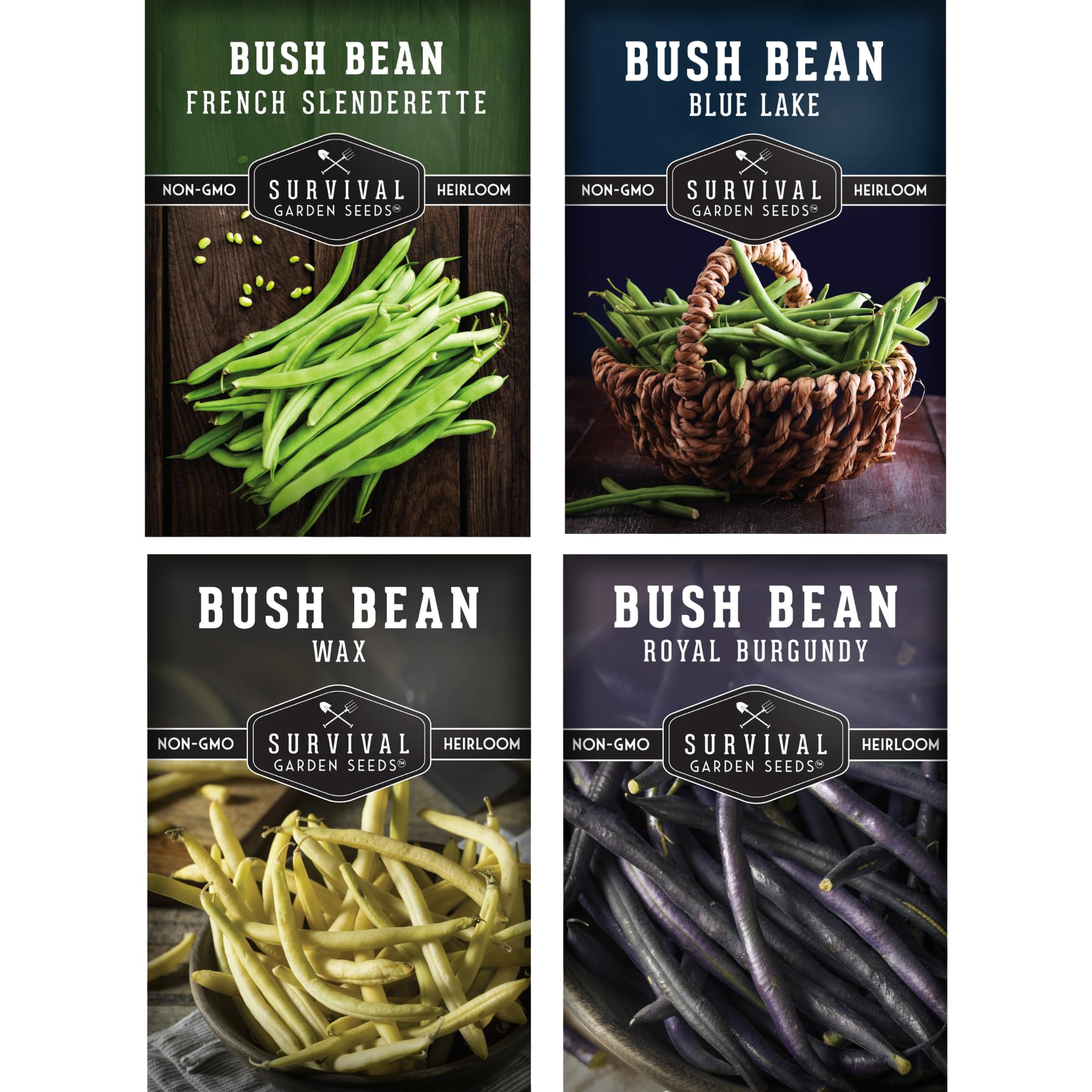
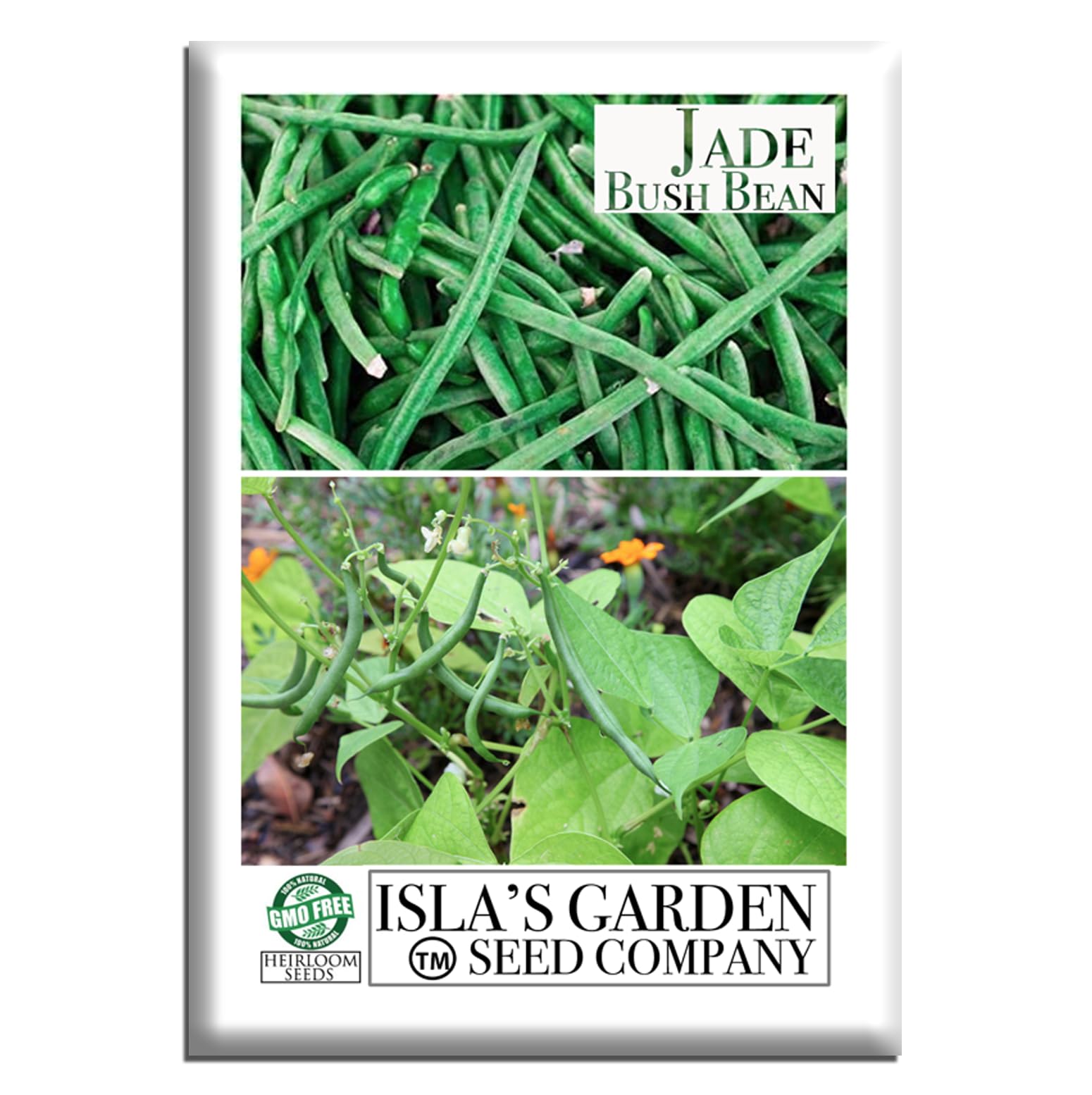
Types of Bush Beans Compared
Think of the main types this way. Organic and eco friendly options focus on how the seed was grown and saved. Standard options focus on yield, uniformity, and disease resistance. Compact and space saving options focus on fitting more plants into small beds and containers. These groups overlap, since an organic variety can also be compact, but the grouping helps you decide which trait matters most before you spend money on seed.
Organic and Eco Friendly Options
Organic bean seed comes from plants grown without synthetic pesticides or fertilizers, and much of it is also open pollinated, which means you can save seed that grows true to type next season. Heirloom varieties sit in this camp and often bring richer flavor and interesting colors, from purple pods to yellow wax beans. The trade offs are real. Some heirlooms carry less resistance to common bean diseases, and germination rates can vary more between packets. Choose this type if seed saving, flavor, and chemical free growing rank highest for you, and accept a little more variability in the harvest.
Standard Options
Standard options include modern hybrid and widely grown conventional varieties bred for strong germination, even pod size, and resistance to problems such as bean mosaic virus and anthracnose. Pods tend to mature in a concentrated flush, which suits gardeners who freeze or can the harvest in a few big sessions. The limits are that hybrid seed does not grow true when saved, and flavor, while good, is usually bred for shipping and storage rather than the table. Choose standard types when reliability and total yield per bed matter most, especially in humid regions where disease pressure runs high.
Lightweight and Expandable Options
This group covers compact and dwarf varieties bred for small spaces, plus succession friendly types that let you expand the harvest by sowing a short row every two weeks. Compact plants may stand only about 12 to 16 inches tall, fit tighter spacing, and work in beds as narrow as a single row along a border. Filet style beans, picked thin and young, also belong here because frequent picking keeps small plantings productive. The trade off is a smaller yield per plant, so plan more plants. Choose this type for small beds, mixed plantings, and steady fresh eating rather than one big preserving harvest.
Organic and Eco Friendly Options vs Standard Options: Which Should You Choose?
On flavor, organic heirlooms usually win, with more varied taste and texture. On reliability, standard hybrids win, since bred resistance and strong germination forgive rough weather and beginner timing. On cost, both sit close, with seed packets commonly around $3 to $6, though organic seed sometimes costs a little more per seed. On seed saving, only open pollinated organic types qualify, because hybrid plants produce mixed offspring.
Your garden decides the tie. In a raised bed with fresh, well drained soil and good air flow, disease pressure stays lower, so heirlooms perform beautifully. In a humid climate or a bed where beans grew recently, hybrid resistance earns its keep. Many gardeners split the difference and plant one row of each, which also spreads the harvest, since varieties mature at slightly different times. If you are planning the wider bed at the same time, our guide to the best beans for raised beds compares bush and pole types together.
How to Choose the Right Bush Bean
Ease of Use and Storage
Bush beans are among the easiest vegetables to grow, since they need no support and germinate fast in warm soil, usually within about a week. Seed size matters for handling. Larger seeded varieties are easy for children and gardeners with limited grip to place one by one. Store leftover seed in a sealed jar in a cool, dry spot, and it stays viable for about two to three years. Write the variety and year on the packet, because old seed wastes bed space when germination drops and gaps appear in the row.
Match the Product to Your Garden Size and Layout
Plan spacing before you buy, because packet counts differ widely. Standard bush beans want about 3 to 4 inches between plants in rows about 18 inches apart, while compact types can sit a little closer. A four by eight foot bed can hold roughly two to three rows with room to reach the center. If your goal is freezing, plant more of fewer varieties so the harvest lands together. For fresh eating, smaller blocks of several varieties suit better. Gardeners laying out a whole bed can cross check with our overview of the best plants for raised beds for companion spacing ideas.
Material and Build Quality
For seed, build quality means germination rate, seed plumpness, and honest labeling of the variety and test date. Plump, unbroken seed sprouts evenly, while shriveled or split seed often fails. Reputable sellers print a germination percentage and a packed for year on the packet, and those two details tell you more than any photo of a harvest basket. Soil is the other material in this purchase. Raised beds need a loose, well drained mix, and our guide to the best dirt for raised beds explains what a good blend contains and why drainage decides root health.
Features That Matter for Raised Beds
Raised beds warm earlier in spring and drain faster than ground soil, and both facts shape variety choice. Fast drainage means beans rarely sit in soggy soil, which lowers root rot risk, but it also means you must water more often during pod fill. Compact root systems suit the limited soil depth of shallow beds, so check that your variety thrives in about 8 to 12 inches of soil. Concentrated harvest types free the bed sooner for a late summer planting, a real advantage when bed space is your scarcest resource. Raised bed gardeners planning the full layout may also find our notes on the best for raised beds useful for matching crops to bed depth.
Performance Specs (Length, Coverage, Drainage, NPK)
Read four numbers on any packet. Days to harvest, usually about 50 to 60 days for bush beans, tells you how many sowings fit your season. Plant height and spread tell you the coverage each plant needs. Pod length, often about 5 to 6 inches at picking size, hints at use, with filet types picked at about 4 inches. Soil fertility needs are modest, because beans fix nitrogen with root bacteria, so a light compost dressing beats heavy fertilizer. Too much nitrogen grows lush leaves and few pods, which is the most common feeding mistake with this crop.
Setup and Care Tips
Sow seed directly in the bed after the last frost, when soil feels warm, about 1 inch deep, since beans dislike transplanting. Water early in the morning so foliage dries during the day, which lowers disease risk. Keep moisture even while pods fill, because dry spells followed by heavy watering can make pods tough and stringy. Mulch once plants are up to hold moisture and keep soil off low pods.
A practical know how point is to pick every two to three days once pods start, because regular picking signals the plant to keep flowering, while pods left to swell with seed slow production. Refresh raised bed soil with compost each season, rotate beans to a different bed each year, and pull spent plants at the roots once the harvest ends so the nitrogen rich roots return to the soil as they break down. More seasonal planning ideas sit in our guide to the best veg for raised beds.
FAQs
What features matter most in bush beans for raised beds?
Days to harvest, disease resistance, and plant size matter most. A variety that matures in about 50 to 55 days lets you fit succession sowings into one season, and resistance protects closely spaced bed plantings where air flow is limited. Compact growth keeps plants from shading neighbors. Flavor and pod style come next, and they are personal, so grow at least one row of a new variety each year to learn your own taste.
How much bean seed do I need for my garden?
A standard packet of about 50 to 100 seeds plants roughly 12 to 25 feet of row, depending on spacing. For fresh eating, about 10 to 15 plants per person, sown in two or three small batches across spring, keeps pods coming without a glut. For freezing, double that in a single sowing. Count your row length first, then buy, because leftover seed loses germination each year even in good storage.
What's the difference between garden soil and potting mix?
Garden soil is mineral based, heavier, and meant for ground beds or for blending into existing soil. Potting mix is soil free, built from peat or coir, bark, and perlite, and it drains freely in containers. Raised beds do best with a blend made for the purpose, roughly combining topsoil, compost, and an aeration material. Pure potting mix in a large bed dries too fast and costs far more than a raised bed blend.
Is organic bean seed worth it?
It is worth it if you plan to save seed, avoid synthetic inputs, or chase heirloom flavor, since open pollinated organic varieties deliver all three. It matters less if your priority is a single reliable harvest in a tough climate, where a resistant hybrid may serve you better. The price gap per packet is small, so the choice is mostly about goals rather than budget, and many beds happily hold both kinds.
How long do bush bean plants produce?
Most bush bean plants produce over about two to three weeks once picking starts, then slow as the main flush passes. Succession sowing every two weeks stretches fresh harvests across the whole warm season. Heat waves can pause flowering for a few days, and production usually resumes when nights cool. Pull plants once picking drops to a few pods per visit, and replant the space with a fast crop.
Our Verdict
Decide by harvest style first. Choose standard hybrids for one big preserving crop, organic heirlooms for flavor and seed saving, and compact types for small beds and steady fresh picking. Then check days to harvest against your season and order enough seed for succession sowings. Compare the options in the product table above, and the best bush beans for raised beds for your kitchen and your climate will be a straightforward final choice.