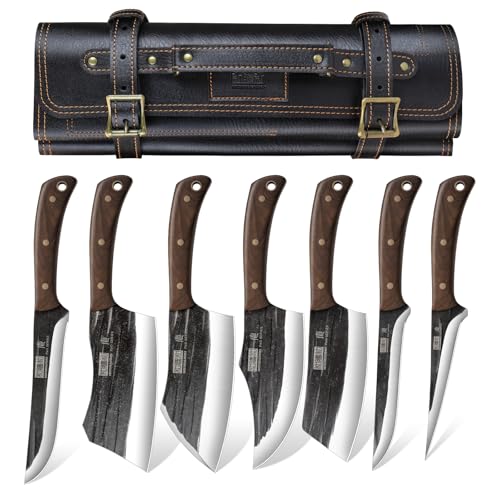
Best Butcher Blocks for 2026: A Buyer Checklist Guide
Disclosure: We may earn a commission when you buy through links on this page, at no extra cost to you. As an Amazon Associate I earn from qualifying purchases. Learn more

A checklist for choosing the best butcher blocks: wood, thickness, size, maintenance, and spending levels for home cooks.
A good butcher block should feel steady under the knife, protect your blade edge, and stand up to daily prep without warping or splitting. This guide explains what to check before you buy, from wood type and thickness to size, care, and price. The comparison table below gives a quick view of the main types, and the sections that follow help you match those types to your kitchen.
When you shop for best butcher blocks, start with how you cook. A home cook who chops vegetables and trims chicken a few nights a week has different needs from someone who breaks down large cuts, kneads dough, or preps for a crowd. Size, weight, and upkeep matter just as much as looks, and a board that is too small or too hard to care for will end up unused.

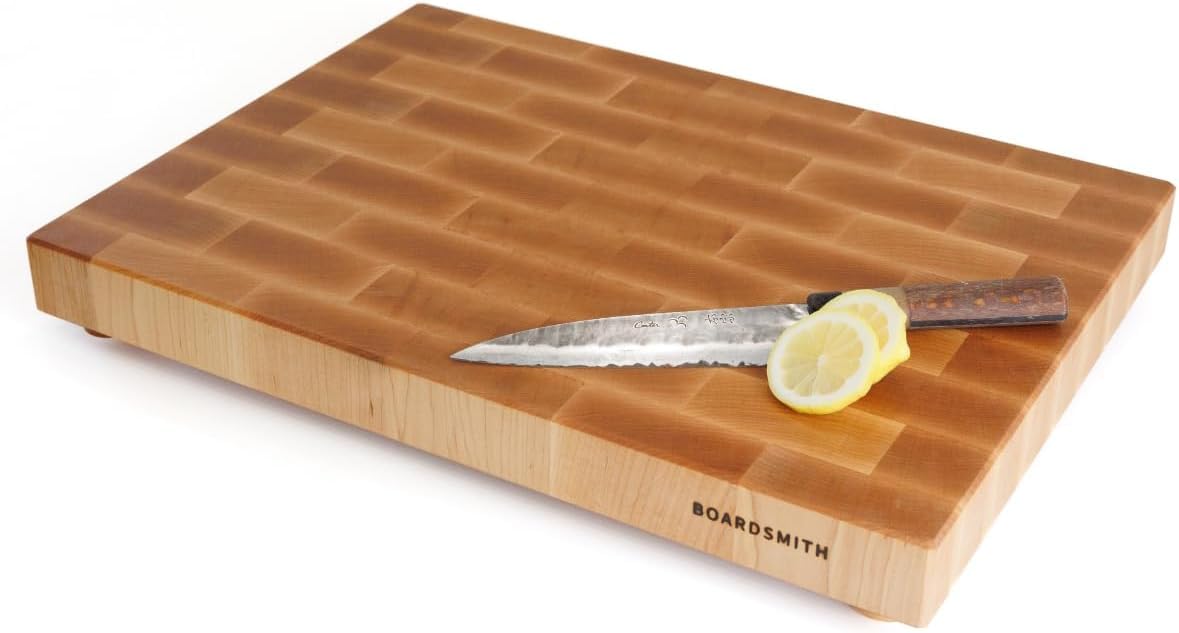


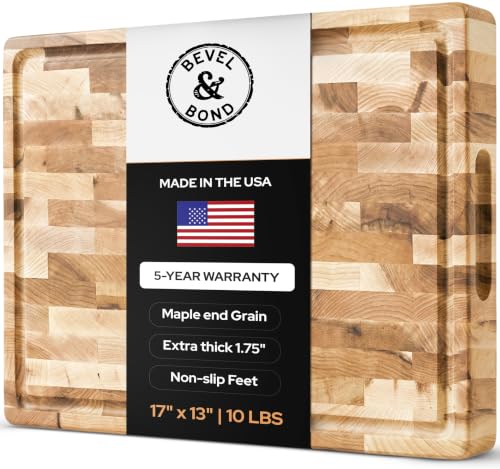
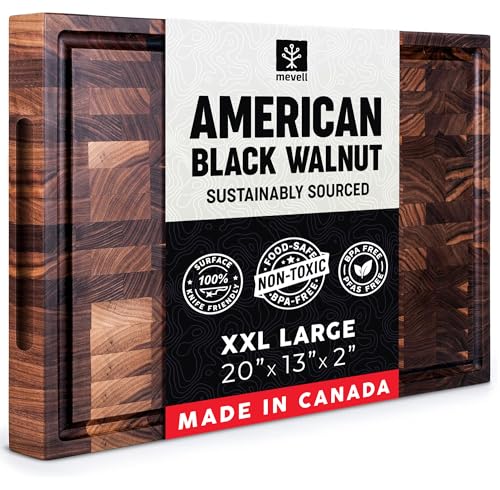
Who Should Buy Which Butcher Block
Everyday Home Cooks
Everyday cooks need a board large enough for a cutting task plus room to move chopped food aside. A mid size board, about 18 by 12 inches, works well for most counters and sinks. Choose a surface that is kind to knife edges and easy to clean after raw meat or juicy produce. A board with a juice groove can help with melons and roasts, but a flat board is easier to flip and use on both sides.
Serious Cooks and Frequent Preppers
Serious cooks often benefit from a thicker, heavier block that stays put during long prep sessions. Thickness of about 2 inches or more adds stability and gives you material to sand and refresh over time. A larger surface, about 24 by 18 inches, makes it easier to work with large cuts and big batches. Just check that you can lift it, store it, and clean it without strain.
Small Kitchens and Light Prep
Small kitchens call for a board that fits the counter and the sink. A thinner board, about 1 inch thick, is lighter and easier to store upright or in a cabinet. Look for a size that leaves room for a knife, a bowl, and your hands. If counter space is very tight, a board that fits over the sink can add work space, but only if it sits securely and does not rock.
A Buyer Checklist for Butcher Blocks
Intended Use and Who It Is For
Match the board to your main tasks. Vegetable prep and bread work suit a wide, flat surface. Raw meat prep calls for a surface you can clean well and keep separate from produce boards when needed.
Heavy chopping and bone work need a thick, dense block that absorbs impact. If you plan to use the board as a serving piece too, looks and edge finish matter more.
Build Quality and Materials
Wood choice shapes hardness, weight, and care. Maple is a common choice for its balance of hardness and knife friendliness. Walnut is darker and often chosen for looks, while cherry sits in between in tone.
End grain construction, where the wood fibers face up, tends to show fewer knife marks and can be kinder to edges. Edge grain and face grain boards are often lighter and less costly, but they may show cuts sooner.
Bamboo is hard and light, yet its hardness can be tougher on fine knife edges, so check maker guidance before pairing it with a delicate blade. Composite boards made from wood fiber and resin are dense and low upkeep, but they feel different under a knife and cannot always be sanded the same way as solid wood. Whatever material you choose, check that joints are tight, corners are smooth, and the finish is food safe.
Size, Weight, and Fit for Your Space
Measure your counter, sink, and storage spot before you order. A board should sit flat with no overhang that could tip it during use. Weight is a trade off: a heavy block stays put, but a very heavy block is hard to move for cleaning.
If you plan to lift the board often, handles or hand holds help, and a board under about 20 pounds is easier for most people to manage. Think about where it will dry, since a board stored flat on a damp surface can trap moisture.
Maintenance and Long Term Costs
Wood boards need regular oiling to limit drying, cracking, and staining. Maker guidance usually calls for food grade mineral oil, applied when the surface looks dry or pale. Some boards also benefit from a board butter made with oil and wax, which adds a light seal.
Budget for oil, a scraper, and time for upkeep. Boards that can be sanded smooth again often last longer, which can make a higher upfront price worth it over years of use.
Key Performance Specs
Thickness, density, and surface finish are the specs that matter most. Thicker boards resist warping and offer more life for sanding. Density affects how the board handles knife impact and moisture.
A smooth, even finish without rough patches helps food slide and makes cleaning easier. Check the stated dimensions carefully, since some boards are listed by overall size while others list only the cutting surface. For a look at cutting tools that pair with a heavy board, see our guide to best butcher knife sets in the section on knife care.
Price Versus Value
Spending levels reflect size, thickness, wood type, and construction. Small, thin boards often cost about $30 to $80. Mid size boards in common woods often cost about $80 to $200.
Large, thick end grain blocks often cost about $200 to $500 or more. A higher price does not always mean a better fit for your kitchen, so weigh size and care needs before paying for extra thickness or a rare wood. For a broader view of block styles, see our guide to best wooden block sets alongside this checklist.
Safety and Certifications
Food safety starts with a food safe finish and a surface you can clean well. Avoid boards with deep cracks, loose joints, or a finish that flakes, since those spots can hold moisture and food residue. Follow maker guidance for cleaning, oiling, and drying.
Use separate boards for raw meat and ready to eat food when you can, and wash hands, knives, and surfaces after handling raw meat. If a board warps badly or develops a deep split, retire it or have it resurfaced if the maker says that is safe.
Spending Levels Instead of Product Picks
At a lower spending level, look for a solid, flat board in a common wood with a size that fits your counter. You may give up extra thickness and a fancy edge, but you can still get a steady surface for daily prep. At a middle spending level, you can often find thicker boards, better joinery, and larger sizes that suit frequent cooking.
At a higher spending level, expect thick end grain construction, premium woods, and careful finishing, plus a board that can be sanded and refreshed for many years. Choose the level that matches how often you cook and how much upkeep you will actually do.
Quick Buyer Checklist
- Does the board fit your counter, sink, and storage spot with room to work?
- Is the thickness enough for your chopping style and for future sanding?
- Does the wood suit your knives and your willingness to oil it?
- Are joints tight, corners smooth, and the finish food safe?
- Can you lift, clean, and dry the board without strain?
- Do you have a plan for raw meat separation and regular oiling?
- Does the price match the size and construction, not just the looks?
- Does maker guidance cover cleaning, oiling, and resurfacing?
Red Flags to Watch For
Watch for vague specs, such as a listing that does not state wood type, thickness, or dimensions. Be wary of boards with uneven surfaces, gaps at joints, or a strong chemical smell that does not fade. Very low prices for a large, thick block can signal thin veneer over a weaker core or poor joinery.
Short or missing care guidance is also a warning, since wood boards need clear oiling and cleaning steps. If a seller promises that a board will never stain, crack, or need care, treat that claim with doubt, since all wood needs some upkeep.
Tips to Get the Most From Your Butcher Block
Read the maker manual before first use, and oil a new board as directed before heavy prep. Clean the board after each use with hot soapy water, rinse well, and dry it upright so air reaches both sides. Inspect it regularly for cracks, rough spots, and loose joints, and sand small rough areas smooth when maker guidance allows.
Store the board in a dry place away from direct heat and standing water. For a wider look at block options for the kitchen, see our guide to best block sets in the section on storage and care.
Frequently Asked Questions
Are expensive butcher blocks worth it?
An expensive butcher block is worth it when the extra cost buys thickness, sound construction, and a wood you like enough to maintain. A thick end grain block can be sanded and refreshed, which extends its useful life well beyond a thin board. A lower priced board can still serve daily prep well if it is flat, well joined, and sized for your counter. Pay for size and build first, and treat rare wood or decorative edges as a bonus rather than a need.
What features matter most when buying butcher blocks?
Size, thickness, wood type, and construction matter most, followed by weight and care needs. A board must fit your space, stay steady, and suit your knives. End grain construction often shows fewer marks, while edge grain boards cost less and weigh less.
Check that joints are tight and the finish is food safe. A juice groove, handles, or feet can help, but they should not outweigh a flat, stable cutting surface.
How much should I spend on a butcher block?
Most home cooks can find a good board for about $80 to $200, which covers many mid size boards in maple or similar woods. Small boards for light prep often cost about $30 to $80. Large, thick end grain blocks often cost about $200 to $500 or more.
Set your budget after you measure your space and decide how often you cook. A board you can lift, clean, and oil regularly will serve you better than a larger board you avoid using.
How do I maintain a butcher block?
Clean the board after each use with hot soapy water, rinse it, and dry it upright. Oil it with food grade mineral oil when the surface looks dry, following maker guidance for amount and drying time. A board butter with oil and wax can add a light seal between oilings.
Scrape off stuck food with a bench scraper rather than soaking the board. Never put a wood board in a dishwasher, and keep it away from standing water and direct heat.
How long does a butcher block last?
A well cared for butcher block can last for many years, and thick blocks can last for decades with sanding and reoiling. Life depends on wood type, thickness, use, and care. Boards used daily for heavy chopping wear faster than boards used for light vegetable prep.
Deep cracks, severe warping, or loose joints are signs that a board needs resurfacing or replacement. Regular oiling, prompt cleaning, and dry storage do more for life span than any single wood choice.
Final Thoughts
Choose size and thickness first, then wood and construction that fit your knives and your care routine. A steady, flat board you can clean and oil with ease will beat a beautiful board that is too heavy or too large for your kitchen. Use the checklist above, compare the product table above, and pick a spending level that matches how you cook. With the right fit, best butcher blocks can become a daily tool you reach for with confidence.