
Best Burglary Safes Made Simple: A Clear Buying Guide for 2026
Disclosure: We may earn a commission when you buy through links on this page, at no extra cost to you. As an Amazon Associate I earn from qualifying purchases. Learn more
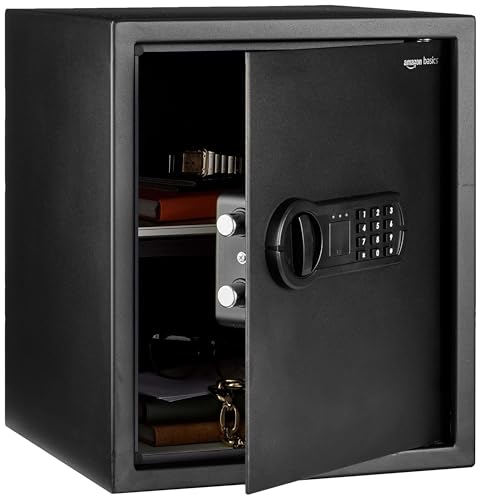
Learn how to choose burglary safes with confidence: lock types, steel build, ratings, size, anchoring, and the mistakes first time buyers should avoid.
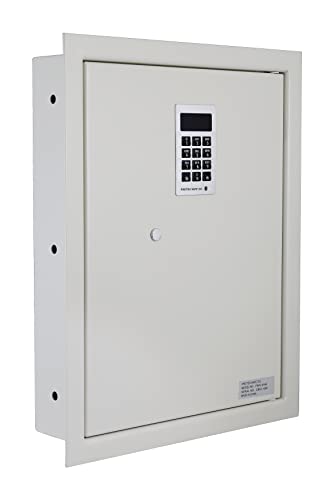
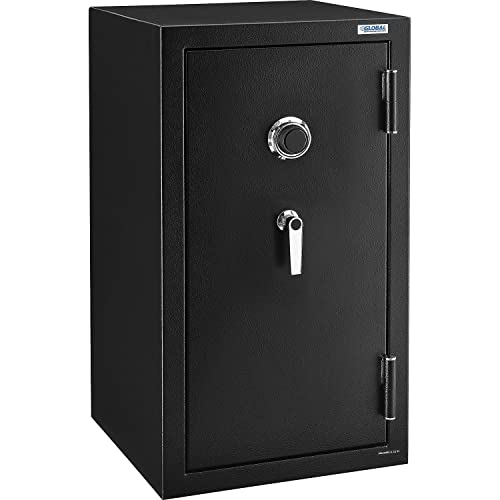
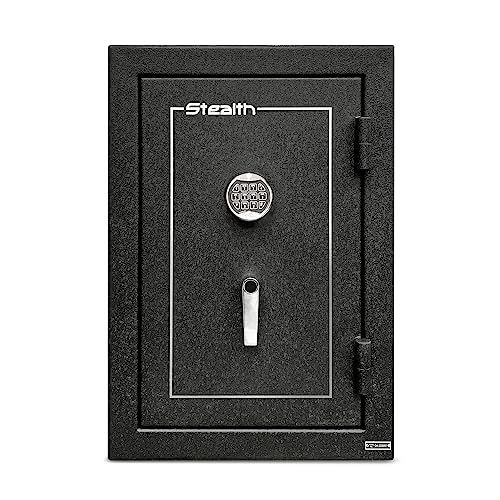
Shopping for best burglary safes can feel confusing at first, because sellers use ratings, lock names, and steel terms that are rarely explained in plain language. This guide starts with the basics and walks you through each choice in order, so you can compare options without getting lost in jargon. The comparison table below gives you a quick overview before you read the details.
A good safe is not simply the heaviest box you can find. It should fit what you plan to store, suit the place where you will install it, and use a lock you can operate reliably every day. Take your time, measure your space, and list the items you want to protect before you narrow the field.



Burglary Safes 101: The Basics
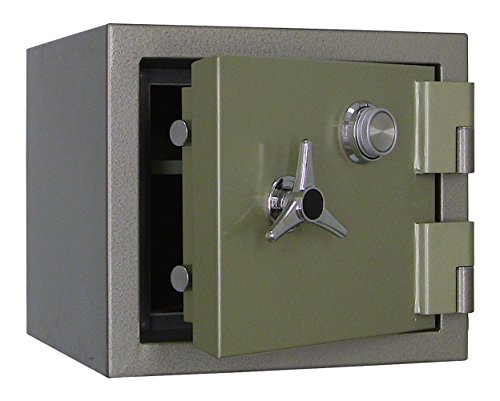
A burglary safe is a lockable steel container designed to slow down forced entry and to keep valuables out of sight. It is not a guarantee against theft, and no safe can promise that outcome. The value of a safe lies in buying time, adding a barrier, and making a quick grab much harder.
Most home safes combine a steel body, a reinforced door, locking bolts, and a lock. Thicker steel and more bolts usually resist prying better, but weight, size, and installation also matter. A light safe that is not anchored can simply be carried away. Think of the safe, its lock, and its anchoring as one system rather than three separate purchases.
Before you shop, decide what you will store. Documents, cash, jewelry, watches, and small electronics all have different size and layout needs. A safe that fits your largest item with room to spare is easier to use than one that forces you to stack things awkwardly. Also check local rules and your building rules if you live in a rented home, since anchoring may need permission.
Key Specs Explained in Plain English
Spec sheets are easier to read once you know what each term really means for daily use. The sections below explain the main factors in simple language and suggest what to look for.
Lock Types
The main lock choices are a key lock, a mechanical dial combination lock, and an electronic keypad lock. Key locks are simple and need no battery, but you must keep the key secure and separate from the safe. Dial locks avoid batteries and electronics, yet they take a little practice and are slower to open.
Electronic locks open quickly and let you change the code, but they need batteries and a backup plan if the battery runs out. For a related comparison, see our guide to the best combination safe options and how dial locks suit different households.
Steel Thickness and Build
Steel thickness is often given as a gauge number, and a lower gauge number means thicker steel. A thicker body and door resist prying and drilling better than a thin shell, but thickness alone does not tell the whole story. Look at how the door closes, how many locking bolts engage, and whether the hinges are protected.
A well built door with solid bolts and a tight fit is more useful than a thick panel joined to a weak frame. Also check the weight, since a heavier safe is harder to move, but it may need help to install.
Burglary Ratings
Some safes carry a burglary rating from an independent testing body, while others carry only a maker claim. A rating describes a level of resistance under controlled testing, not a promise that the safe cannot be opened. If a rating is listed, check which body issued it and what it covers, since different ratings use different tests.
When no rating is given, judge the safe by its steel, bolts, lock, and construction instead of by marketing words alone. Keep the maker documentation so you can compare claims on equal terms.
Size and Interior Layout
Measure the largest item you plan to store, then add room for the items you may add later. Interior shelves, small trays, and door pockets help you organize small valuables so you do not have to dig through a pile each time. If you store watches, a watch sized layout or a small inner case can keep them from scratching each other, and our guide to the best safe for watches explains layout choices in more detail.
For laptops, check both the width and the depth of the interior, since a safe that looks roomy may still be too shallow, as covered in our guide to the best safe for laptops. Leave a little spare space for documents in sleeves or envelopes.
Anchoring and Placement
Anchoring is one of the most important steps, because an unanchored safe can be removed whole. Many safes include bolt holes in the base or back, and the maker guidance will state which fasteners suit your floor or wall type. Choose a place that is discreet, dry, and easy for you to reach, but not so visible that it draws attention.
Avoid damp corners, since moisture can harm documents and electronics over time. If you are unsure about drilling into concrete or a structural wall, ask a qualified installer for advice before you start.
Fire Protection and Lifespan
Burglary protection and fire protection are different features, and a safe may offer one, both, or neither. A fire rating describes how long the safe is rated to protect contents at a stated temperature, not a promise that nothing will ever be damaged. If fire protection matters to you, compare the rating, the rated temperature, and the interior size together.
Over time, check the lock, hinges, and bolts, keep the interior dry, and replace batteries in electronic locks on a regular schedule. Follow the maker guidance on service and on what to do if the lock ever feels stiff or unreliable.
Rookie Mistakes to Avoid
- Buying on weight alone, without checking the lock, bolts, and anchoring, which together decide how hard the safe is to open or remove.
- Choosing a safe that barely fits your current items, leaving no room for documents or valuables you may add later.
- Leaving the safe unanchored in an obvious spot, which defeats much of the protection you paid for.
- Picking a lock you find awkward to use, since a lock you avoid using leads to valuables being left outside the safe.
- Ignoring moisture, since a damp location can damage papers and electronics even when the safe itself stays closed.
Getting Started: Setup and First Use
Start by reading the maker manual in full before you install anything. Place the safe, mark the anchor points, and confirm that the door opens fully without hitting nearby furniture. Anchor the safe with the fasteners the maker recommends for your surface, then test the lock several times with the door open before you close it with valuables inside.
Set a code you can remember without writing it on or near the safe, and store any backup key in a separate secure place. Test electronic locks monthly and replace batteries before they run low, so you are never locked out by a dead battery. Keep a simple list of what is inside, stored elsewhere, so you can check contents and insurance records without opening the safe each time.
Burglary Safes: Your Questions Answered
What size burglary safe should a first time buyer choose?
Choose a safe that fits your largest item plus about a third more space for future additions. Measure the item, including any case or sleeve, and compare it with the interior dimensions rather than the exterior size. A slightly larger safe is usually easier to live with, since cramped interiors lead to stacked items and scratched valuables. Check the door swing and the room around the safe too, so daily use stays simple.
Which lock type is easiest for everyday use?
An electronic keypad lock is usually the fastest for daily use, since you enter a code and open the door in seconds. A mechanical dial lock needs no battery and can last for decades, but it is slower and takes practice to operate smoothly. A key lock is simple, yet it depends on keeping the key safe and available. Choose the lock you will actually use every day, since the best lock is the one that keeps valuables inside the safe.
Should I bolt a burglary safe to the floor?
Yes, anchoring is strongly recommended for most home safes, because it stops the safe from being carried away whole. Use the anchor holes and fasteners the maker specifies for your floor or wall material, and follow the manual step by step. If your floor is rented, weak, or unsuitable, ask the maker or a qualified installer about the safest option for your home. A safe that cannot be anchored may still help, but it offers less protection than an anchored one.
Does a burglary safe also protect against fire?
Not always, since burglary protection and fire protection are rated separately and a safe may offer only one of them. Check the spec sheet for a fire rating, including the rated time and temperature, rather than assuming fire protection from the word safe alone. If you store paper documents, consider a safe with a stated fire rating or keep copies in a second location. Remember that a fire rating describes test performance, not a guarantee of survival in every fire.
How long should a burglary safe last?
A well built safe can last for many years when it is installed correctly and maintained as the maker directs. Check hinges, bolts, and seals from time to time, keep the interior dry, and service the lock if it becomes stiff or unreliable. Electronic locks need fresh batteries on a regular schedule, and any damage from a break in attempt should be inspected by a professional. Replace the safe if the lock, door, or body is damaged beyond reliable repair.
Wrapping Up
For most first time buyers, the smartest choice balances three things: a lock you can use every day, a body and door strong enough to slow forced entry, and solid anchoring in a discreet, dry spot. Size matters too, since a safe that fits your items with room to spare is far easier to use than one you must wrestle with. Compare ratings carefully, read the maker guidance, and do not rely on any single claim alone.
When you are ready, revisit the product table above and shortlist the best burglary safes that match your storage needs, your space, and your budget. No safe can guarantee security, but a well chosen and well anchored safe is a practical step toward protecting what matters most to you.


