Best Adult Bunk Beds: Capacity, Clearance and Layout Guide
Disclosure: We may earn a commission when you buy through links on this page, at no extra cost to you. As an Amazon Associate I earn from qualifying purchases. Learn more

The best adult bunk bed has a high per bunk weight rating, real sitting clearance and a stiff frame. Compare layouts, materials and budget.
Most bunk beds are built for children, and an adult who climbs into one quickly feels the difference. The frame flexes, the ladder rungs dig into bare feet, and there is barely enough room to sit up in bed. Choosing the best adult bunk bed means looking past color and style and checking the numbers that matter for a grown body: weight capacity, sleep surface length, sitting clearance, and frame stiffness.
This guide compares the main adult bunk setups by ergonomics, build quality, and size so you can match a frame to your room and your sleepers. Use the comparison table below for a quick scan, then read on for the sizing details that decide whether a bunk still feels solid years from now.

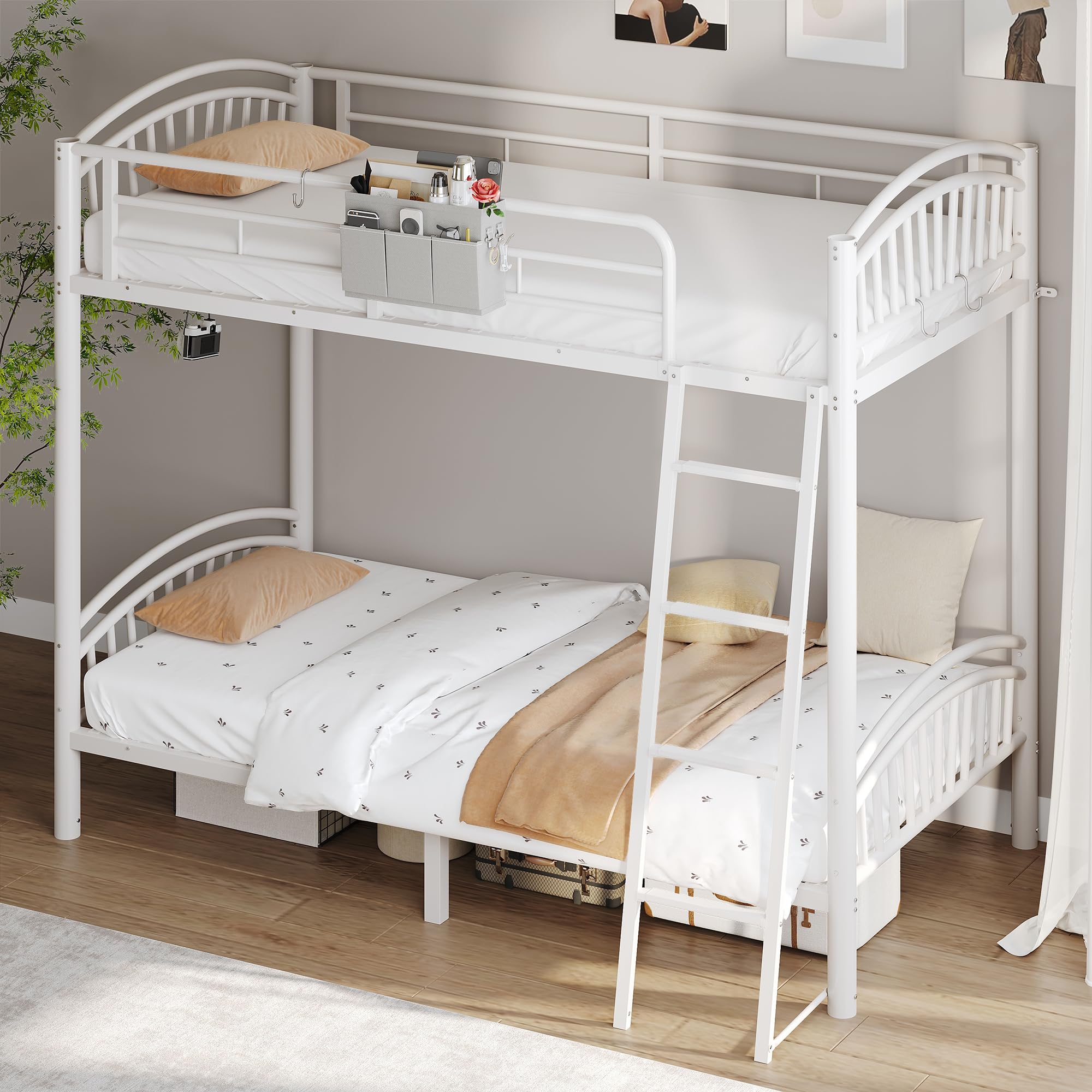

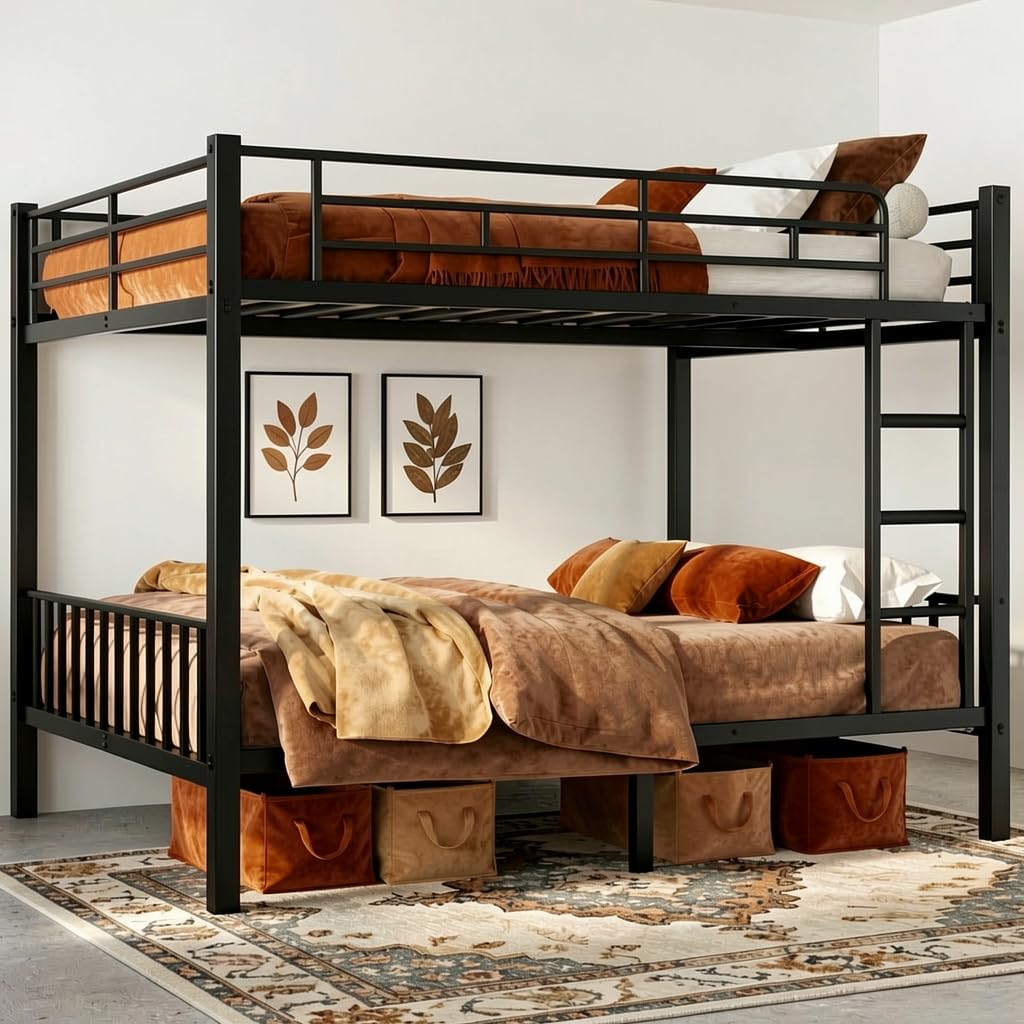
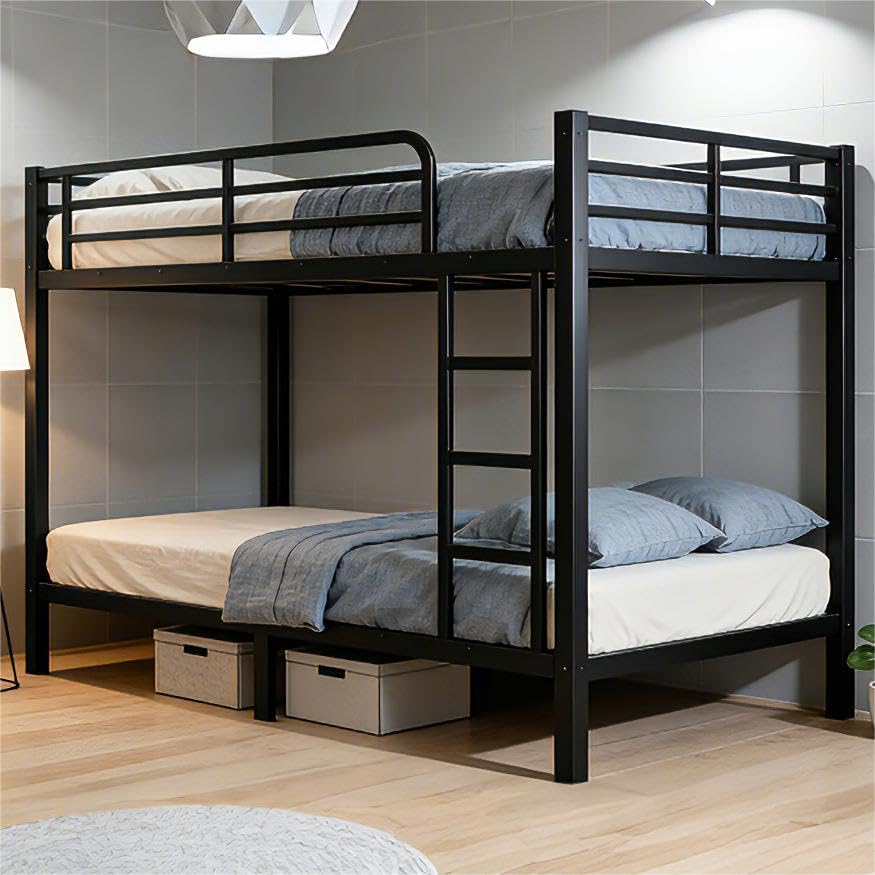
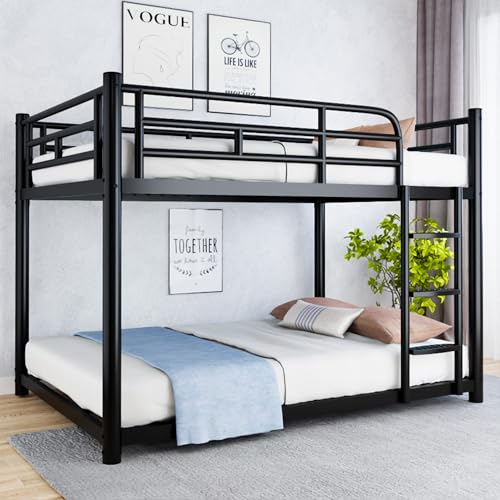


Adult Bunk Bed Types at a Glance
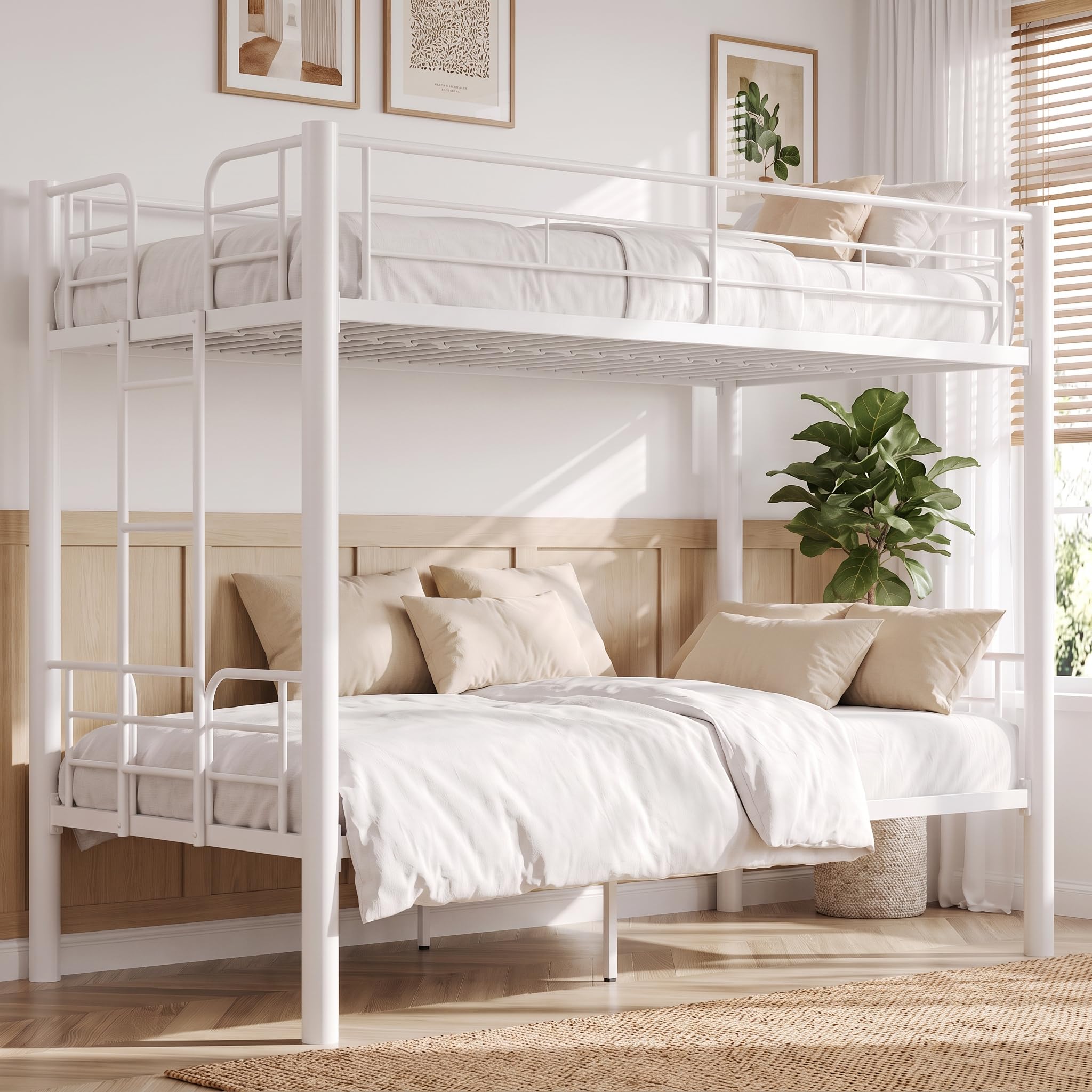
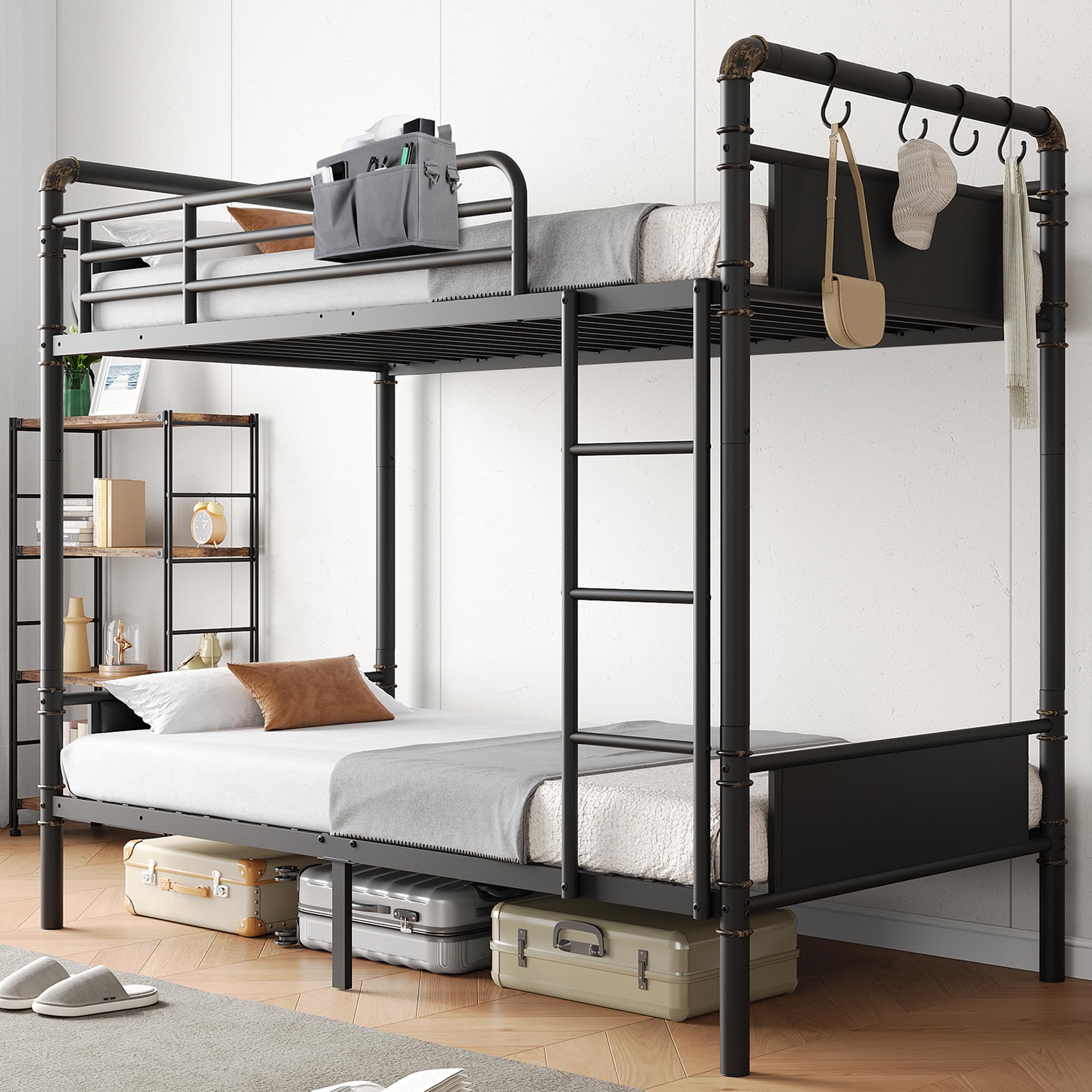
Adult bunks fall into three broad setups, and each one suits a different room and sleeper mix. A twin over twin stacks two narrow beds and fits the smallest footprint. A twin over full puts a wider bed below, which works well for a couple, a parent near a child, or a restless sleeper who needs elbow room. A loft raises one bed and frees the floor underneath for a desk or seating, while a triple stacks three levels for maximum sleeping capacity in one footprint.
Before you fall for a layout, measure your ceiling. You want about 30 to 36 inches between the top of the upper mattress and the ceiling, so the top sleeper can sit up without ducking. Our overview of the best bunk bed designs for mixed age households can help if children will share the room part of the time.
Three Setups Worth Comparing
Twin over twin for tight rooms and guest spaces
The classic stack is the easiest fit for a spare room, a rental, or a cabin. Both bunks take standard twin mattresses at 38 by 75 inches, so bedding is cheap and easy to replace. For adults, look for a twin XL length of 80 inches if sleepers are tall, because standard twin length leaves little margin for anyone near six feet tall. A steel frame with wide ladder rungs feels kindest on feet during night climbs, and end ladders save wall space compared with angled ladders.
Twin over full and full over full for broader sleepers
A wider lower bunk changes the feel of the whole bed. The full mattress at 54 by 75 inches gives one adult real room to turn, and it doubles as a couch depth seat during the day. If both levels will hold adults, compare the best full over full bunk bed layouts, since the upper sleeper gets the same turning room. Shoppers who want width only downstairs can start with the best twin over full bunk bed format, which keeps the top bunk lighter and easier to dress with fresh sheets.
Triple and loft setups for maximum capacity
When floor space is scarce and guests are frequent, stacking a third level or lifting the bed can be the practical answer. The best triple bunk bed frames suit vacation homes and large shared rooms, though the upper bunks demand careful ladder planning. A loft works better for a single adult in a studio, because the space below can hold a desk or a small sofa. In both layouts, ceiling height and guardrail coverage matter more than decorative details.
How to Compare Adult Bunk Beds Fairly
A fair comparison starts with the same five checks for every frame: weight capacity per bunk, sitting clearance on both levels, frame material and joint style, ladder comfort, and the warranty terms behind the structure. Manufacturer spec sheets give you the ratings, while verified buyer reviews reveal whether a frame creaks or loosens after months of use. Treat any capacity figure that lacks a clear per bunk or total label with caution, and note whether the rating includes the mattress weight.
How to Choose the Right Bunk Bed
Size and form factor
Start with the sleep surface each person actually needs. Twin suits most single sleepers, twin XL adds length for tall adults, and full width helps anyone who sleeps diagonally or shares the lower bunk with a small child at story time. L shaped layouts separate the bunks at a corner, which lowers the top bed a little, but they claim more floor area. Queen bunks exist for couples, yet they need a large room and a frame rated well above standard loads.
Type and frame layout
Metal frames are lighter, easier to move, and often cheaper, though tube joints can develop a squeak if bolts loosen. Wood frames feel warmer and can be very rigid, especially with thick posts, but they weigh more and cost more to ship. A trundle adds a third sleep surface that rolls away by day, which suits occasional guests better than daily use. Staircase models replace the ladder with steps that hold storage drawers, and the steps feel safer for sleepy climbers, yet the staircase extends the total length of the bed.
Features worth paying for
Spend first on structure: more slats, a center support rail, and thicker posts pay you back every night in quiet sleep. Flat ladder rungs or steps are the next worthwhile upgrade, because narrow round rungs press into adult feet. A trundle earns its cost only if guests come often enough to justify the bedding you must store. Built in drawers help in rooms without a dresser, though they add weight and assembly time. Skip decorative slides and novelty shapes on an adult frame, since they consume budget that the structure needs more.
Body size and weight capacity
Capacity is the defining adult requirement. Many frames built for children are rated near 165 to 200 pounds per bunk, which a grown sleeper plus a mattress can exceed. For adult use, look for at least 250 pounds per bunk, and treat 400 pounds or more per level as the comfort zone for heavier sleepers or couples below. Capacity is a static rating, while real use adds movement, so a margin above your body weight protects the frame joints and keeps the bed quiet.
Comfort and access details
Adult bunks offer limited adjustability, so judge the fixed dimensions carefully. Sitting clearance is the big one: measure from the top of the lower mattress to the underside of the upper bunk, and aim for about 30 inches or more so you can read in bed without stooping. Check whether the ladder can mount on either end, because room layout may force one side against a wall. Guardrails should rise at least 5 inches above the top of your mattress, so pick mattress thickness with the rail in mind.
Materials and durability
Solid pine and hardwoods resist flex and can be tightened for years, while engineered wood panels vary widely in strength, so post thickness matters more than the wood name alone. For steel, heavier gauge tubing and welded joints at stress points outlast thin tubes held only by small bolts. Slat spacing also decides mattress life: gaps wider than about 3 inches let a foam mattress sag between supports. A finish that wipes clean and resists chipping will keep the bed looking decent in a busy guest room.
Assembly and warranty
Plan on two adults and a free afternoon for assembly, with a rubber mallet and a power driver on low torque to speed the work. Our walkthrough of how to assemble a bunk bed shows the order of steps that keeps a tall frame stable while you build. On warranty, read what is actually covered: a long frame warranty means little if hardware and slats are excluded, and a clear replacement parts policy matters more than a headline number of years.
How much should you spend?
Frames under $200 deserve a close look, since many are built for children with low capacity ratings that rule them out for adult sleepers. Between about $300 and $500 you will find sturdy steel bunks and basic solid wood frames with honest adult ratings. From about $500 to $1000, expect thicker posts, staircases, and stronger warranties. Spending above that range usually buys furniture grade wood rather than extra safety. Our bunk bed buying guide maps these price bands to materials in more detail.
Adult Bunk Beds Compared With Standard Bunk Beds: Pros and Cons
A standard bunk bed is designed around a child: lighter frame, shorter sleep surface, and a ladder sized for small feet. An adult model keeps the same space saving idea but rebuilds every dimension around a heavier and taller sleeper. The trade is real, because adult frames cost more and weigh more.
- Pro: Higher capacity ratings give a solid feel and longer service life under daily use.
- Pro: Longer and wider sleep surfaces fit tall sleepers without feet pressing the end rail.
- Pro: Greater sitting clearance on both levels makes reading and laptop use in bed practical.
- Con: Heavier frames are hard to reposition, so measure the room and doorways with care.
- Con: Adult rated models cost notably more than standard frames of similar appearance.
- Con: The top bunk requires climbing, which rules it out for anyone with limited mobility.
Safety rules apply to both kinds. Follow the maker guidance on minimum age for the top bunk, keep guardrails on both sides of the upper bed, and place the frame away from ceiling fans. Adults with balance problems or medication that causes dizziness should take the lower bunk or choose a standard bed instead.
FAQ
What is the best adult bunk bed for most households?
For most households it is a twin over full frame in steel or solid wood, rated at 250 pounds or more per bunk, with a flat rung ladder. That layout gives one adult a wide lower bed for daily use and keeps the upper bunk simple for guests. Add a twin XL top if tall sleepers visit often. The deciding factor is rarely style; it is whether the capacity and sitting clearance fit the tallest person who will sleep there.
Are adult bunk beds worth it for a guest room?
Yes, when guests arrive in pairs or groups and the room is too small for two separate beds. A bunk sleeps two people on the footprint of one bed and leaves floor space for luggage and a chair. The value drops if guests are mostly older relatives who cannot climb safely, because the top bunk will sit empty. In that case a single bed plus a floor mattress for overflow nights may serve you better.
How long does an adult bunk bed last?
A well built adult frame can serve for a decade or more, and the first signs of age are usually loose joints. Retighten every bolt about twice a year, because climbing and turning gradually work hardware loose. Replace slats at the first crack and retire the frame if a post splits or a weld breaks. Mattresses will wear out sooner than the frame, so budget for replacements on a normal mattress schedule.
How do you clean an adult bunk bed?
Vacuum the slats and the gap behind the posts monthly, since tall frames collect dust in hard to reach spots. Wipe steel with a damp cloth and dry it fully, and clean wood with a mild soap solution without soaking the joints. Wash ladder rungs and guardrails more often, because hands grip them daily. A small step stool makes the top rails reachable without leaning across the mattress.
What makes an adult bunk bed brand reliable?
Reliability shows up in paperwork as much as in timber or steel. Look for published capacity ratings per bunk, clear compliance with current bunk bed safety standards, and a warranty that names the frame and hardware separately. Brands that sell replacement slats and bolts years after purchase are easier to own. Consistent buyer reports about quiet joints and complete hardware are a practical signal that quality control is taken seriously.
Final Thoughts
An adult bunk earns its place when it sleeps grown people safely on a small footprint. Measure your ceiling, confirm the capacity per bunk, and choose the layout that fits your sleepers, whether that is a compact twin stack or a wide full over full. Before you order, scan the product table above once more and picture the tallest sleeper sitting up in the top bunk. Pick the best adult bunk bed for your room on those numbers, and it will stay solid and quiet for years.