Best Bunk Beds With Desk (2026): Layouts, Strength and Fit
Disclosure: We may earn a commission when you buy through links on this page, at no extra cost to you. As an Amazon Associate I earn from qualifying purchases. Learn more

Loft, end desk or L shape? Compare desk size and weight limits to find the best bunk bed with desk.
A bunk bed earns its floor space twice when the frame also gives a child a real place to study. The best bunk bed with desk pairs safe sleeping up top and below with a work surface that holds books, a lamp, and a laptop without crowding the room. The product table above lists the frames we compared, and this guide walks you through sizes, desk layouts, and weight limits so you can match the frame to your room and your sleeper.
Start with two measurements before you look at styles. Note the ceiling height and the clear floor area, then check our guide to the best bunk bed for a wider look at frames without a desk.

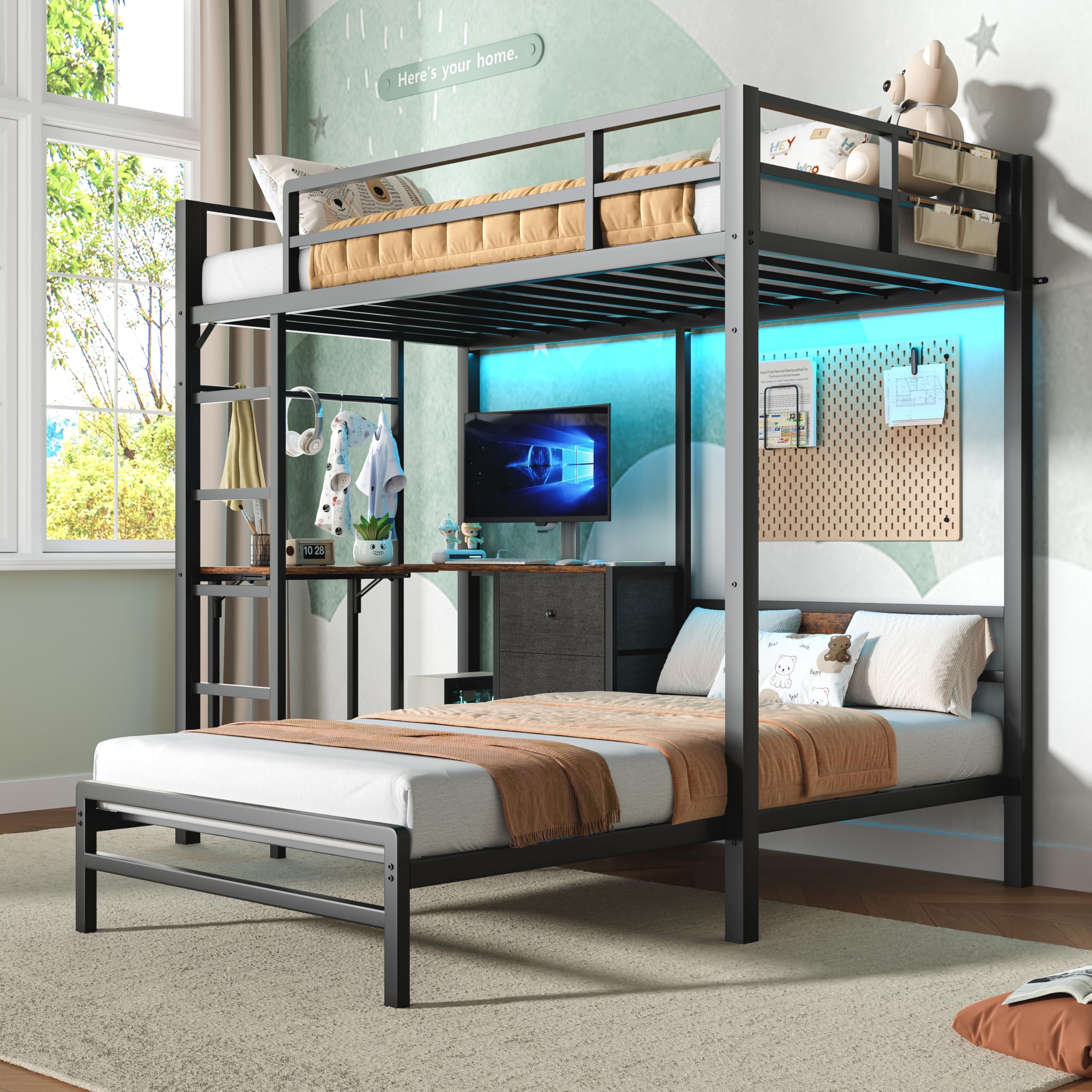
Who Should Buy a Bunk Bed With a Desk?
Two children sharing one room and one study spot
Siblings who share a room often fight over the kitchen table at homework time, and a desk built into the frame gives one child a settled place to work while the other reads in bed. Look for a desk wide enough for an open textbook beside a notebook, and a lower bunk where a seated child can still sit up straight.
One child in a small room with no space for a separate desk
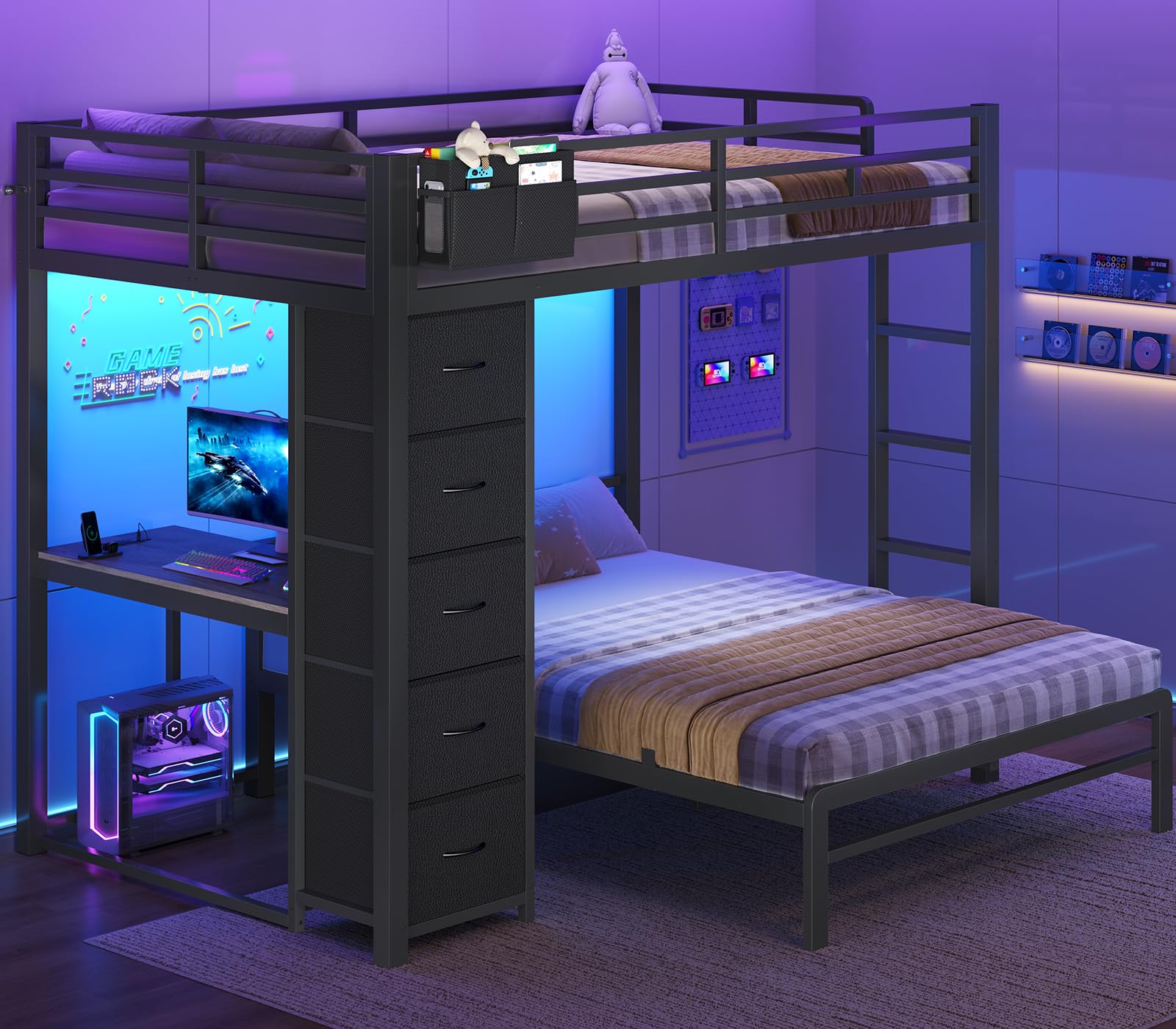
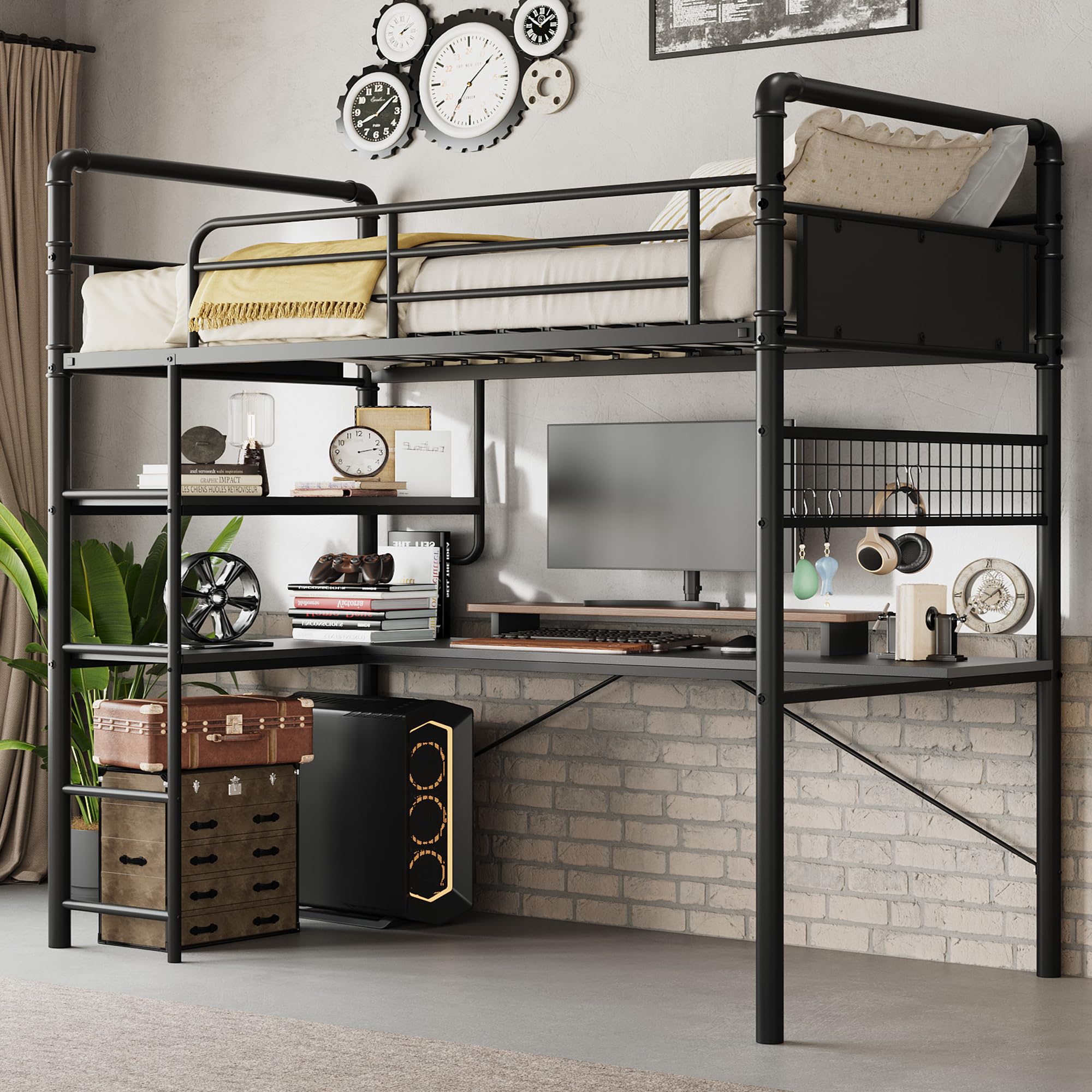
A loft style frame lifts the bed and frees the floor below for a full desk, a chair, and shelves, all inside the footprint of a single bed. This layout suits an only child or a teen who sleeps alone but needs a study corner. Measure the space under the raised bed at its lowest point, since a taller teen needs clear headroom while seated.
Older teens and adult sleepers who need stronger frames
Heavier sleepers and college age students need a higher weight rating, thicker posts, and a desk that does not flex under a monitor and books. If that sounds like your household, compare the options in our guide to the best adult bunk bed before you settle on a youth frame. Choose a ladder with wide flat steps, because narrow rungs grow uncomfortable on bare feet.
Main Types to Compare
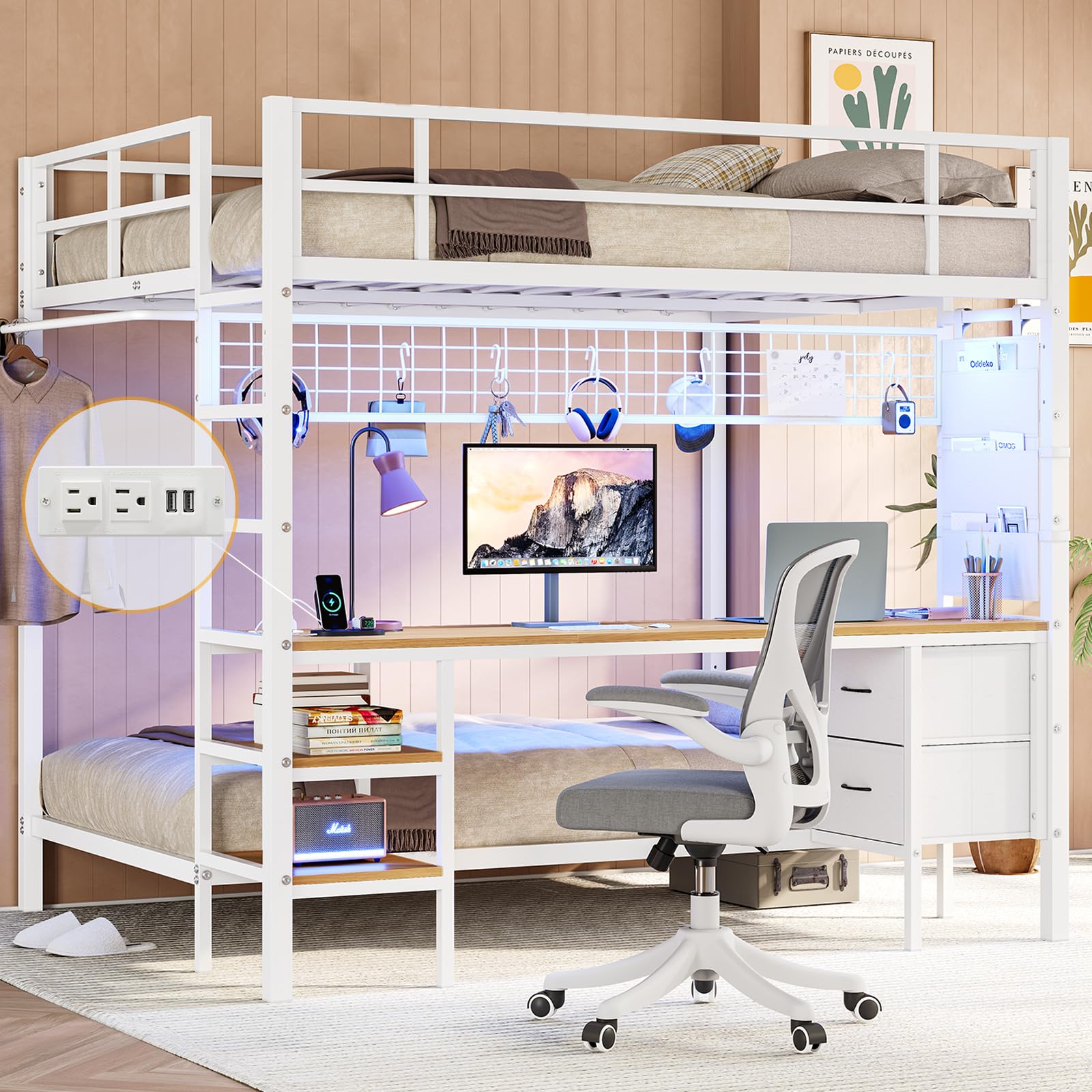
The first type is the loft bed, with one raised bed and an open area below that holds the desk. It sleeps one person and gives the largest work surface, so it fits a single child who studies a lot. The desk can run the full length of the frame.
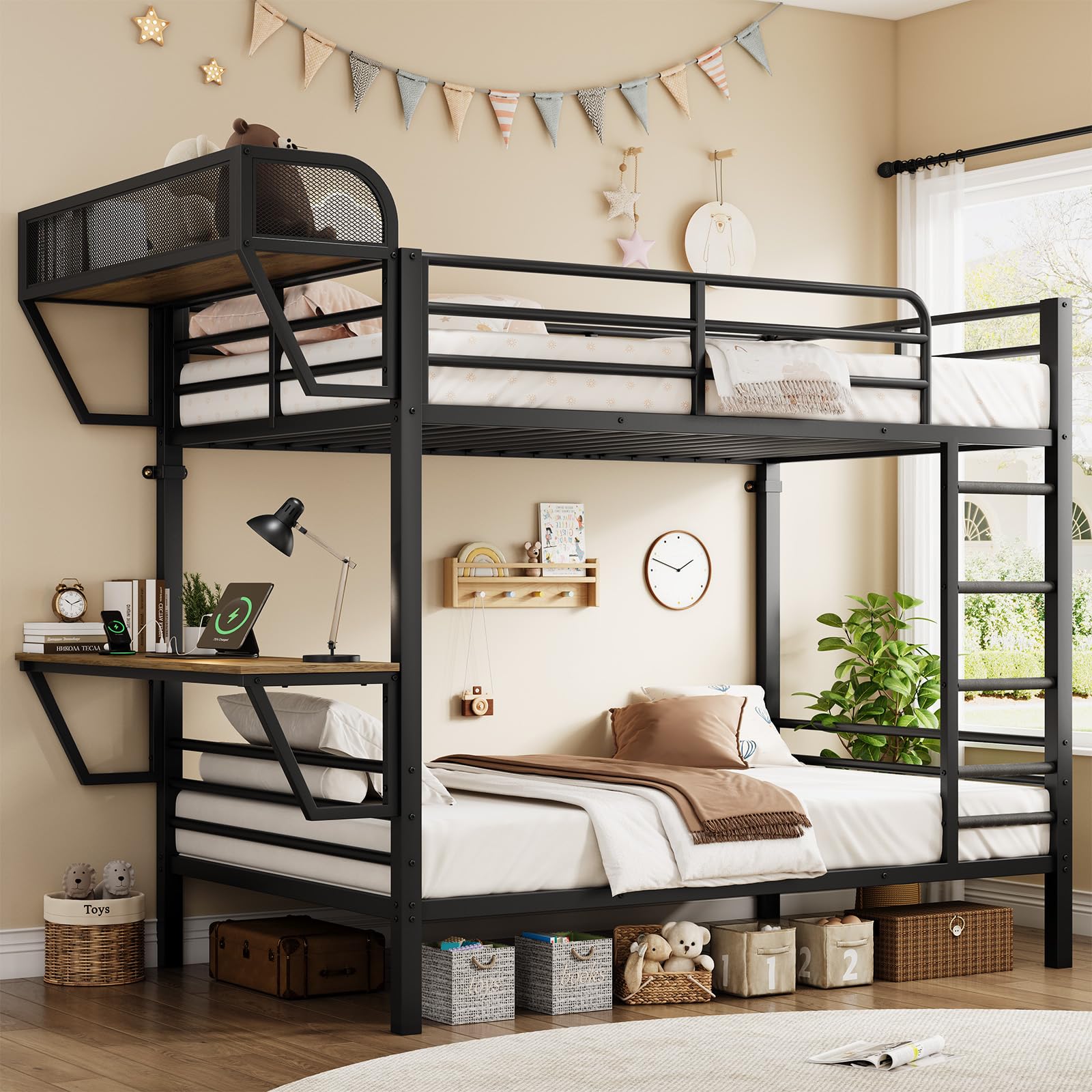
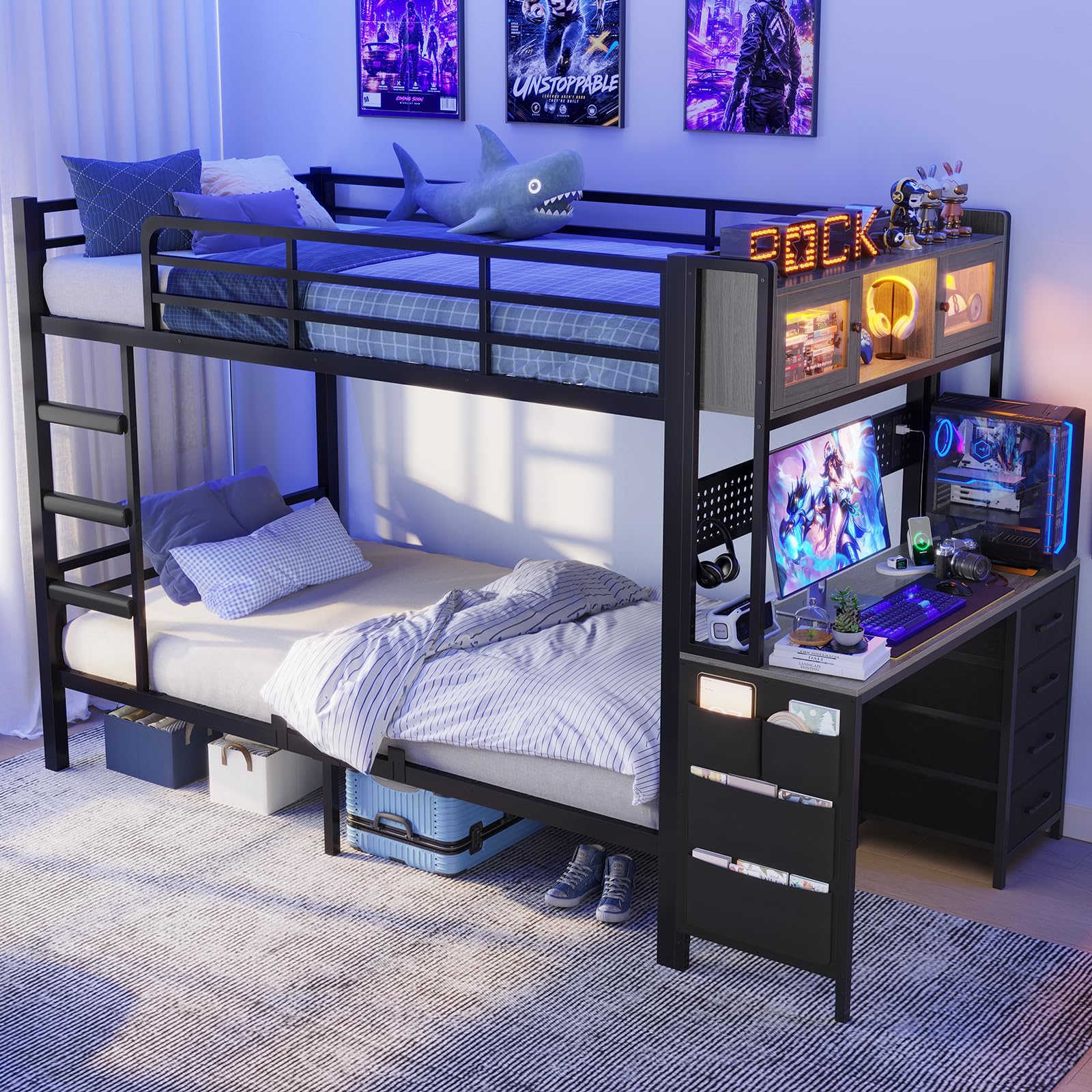
The second type keeps two bunks and adds a desk at one end or along the side under the top bunk. Two sleepers share the room, but the desk is usually smaller, sometimes just wide enough for one chair and a laptop. This layout works when homework happens in short sessions rather than long projects.
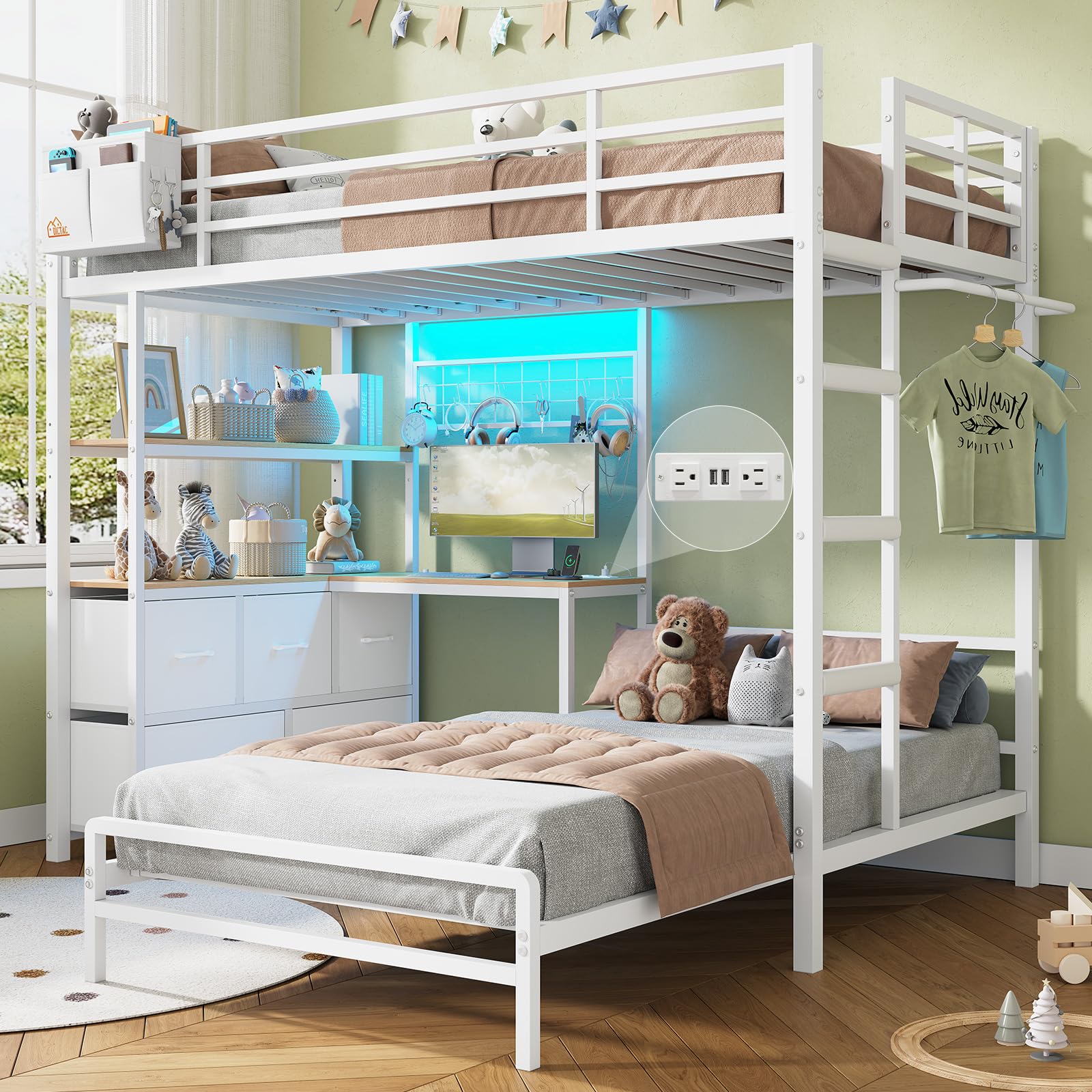
The third type is the L shaped frame, where the lower bed sits at a right angle to the top bed. The corner beside the lower bed leaves room for a desk with better leg space and natural light. It needs more floor area than a straight frame, so it suits wider rooms.
How We Chose the Types and Criteria in This Guide
We ranked the factors that change daily use the most. Ergonomics and desk adjustability came first, then build quality and materials, then size and weight capacity, assembly, and warranty cover. The notes below draw on maker specifications and on safety guidance from the Consumer Product Safety Commission. Use the same order of priorities when you compare listings.
How to Choose the Right Bunk Bed
Size and Form Factor
Twin over twin is the most common layout and fits most children, while a wider lower bed gives a growing teen more room to stretch. If a parent sometimes lies down beside a young child at story time, see our guide to the best twin over full bunk bed for that roomier pairing. Where two older teens share, our guide to the best full over full bunk bed covers frames that give both levels the same generous width.
Desk Layout and Ergonomics
A desk under a top bunk needs enough vertical clearance for a seated child, a lamp, and an open laptop screen. Check the depth as well as the width, because a shallow surface pushes books into the lap and leaves elbows unsupported. Look for a rounded front edge and a cable opening at the back.
Materials and Build Quality
Solid wood posts feel sturdy and can be sanded if they pick up dents, though they weigh more and cost more than most metal frames. Steel tube frames are lighter and often cheaper, but thin tubes can flex and squeak at the joints. Whichever material you pick, look for thick guardrails on both sides of the top bunk and slats spaced close enough that the mattress cannot sag between them.
Body Size and Weight Capacity
Every level has its own weight limit, and the limit covers the sleeper plus the mattress, not the sleeper alone. Add the mattress weight to your child's expected weight over the next few years, since kids grow faster than most parents plan for. Leave a clear margin below the stated limit. The desk has a limit too, so check it before placing a heavy monitor on a thin surface.
Adjustability and Storage Features
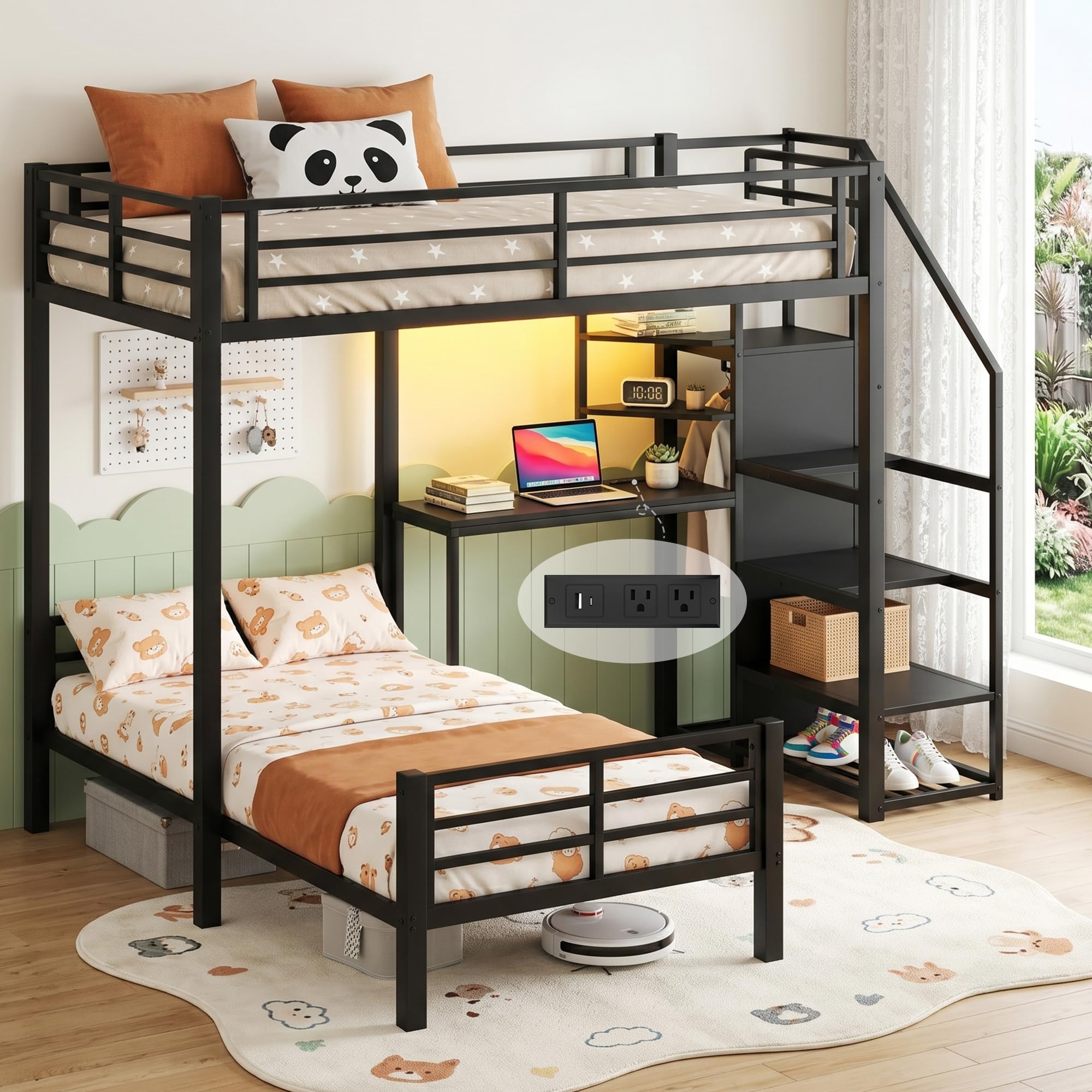
Some frames let you move the desk to either end, raise a shelf, or swap the ladder side, which helps when the room layout changes. Drawers under the lower bunk and shelves above the desk add storage without another piece of furniture. Stairs with built in drawers cost more than a ladder but give younger children a safer climb. Skip features you will not use, because every extra panel adds weight and assembly time.
Assembly and Warranty
These frames arrive in heavy flat boxes and usually take two adults several hours to build, so plan the work before the old bed leaves the room. Our walkthrough of how to assemble a bunk bed explains the order of steps and the tools most kits need. Check that the warranty covers joints and welds as well as finish, and keep the hardware list for spare parts later.
How Much Should You Spend?
Basic metal loft frames often sell for about $200 to $400, and at that level you get a plain desk and a ladder with round rungs. Mid range wood frames at about $400 to $800 usually add thicker posts, a wider desk, and drawers or shelves. Sturdier frames with stairs and higher weight limits can run about $800 to $1,200. Spend first on frame strength and desk size, and treat extra decor details as the last reason to pay more.
Do You Really Need a Bunk Bed With a Desk?
You need one when the room must hold two beds, or one raised bed, plus a study surface, and the floor cannot fit a separate desk. A combined frame also keeps homework gear in one zone, which helps a child settle into a routine. The trade off is flexibility. A separate desk can move to a window, grow with your child, and stay behind when the bunk is outgrown, while a built in desk is fixed in size and place for the life of the frame.
Think about how the desk will be used in three or four years, not just this school term. A small child needs room for crayons and picture books, but a teen needs space for a laptop, a lamp, and several textbooks at once. If the desk already looks tight for that load, choose a loft frame with a full length desk instead.
Common Mistakes to Avoid
- Measuring only the floor and forgetting ceiling height, so the top sleeper cannot sit up without ducking.
- Choosing a mattress so thick that it rises above the guardrail and removes the protection the rail is meant to give.
- Putting the desk under the bunk in a dark corner with no outlet nearby for a lamp or a laptop charger.
- Ignoring the weight limit of each level and letting an older teen sleep on a frame built for small children.
- Letting a child under six sleep on the top bunk, which safety guidance warns against because falls cause serious harm.
- Tightening bolts once at assembly and never again, so joints loosen over time and the frame starts to sway.
How to Make Your Bunk Bed Last Longer
Check every bolt and screw about twice a year and tighten any that have worked loose, since a frame that moves at the joints wears its own hardware. Keep the desk surface clear of spilled drinks and wipe it with a damp cloth, because standing moisture can swell a wood finish and stain books left overnight. Vacuum dust from the slats and the corners under the lower bunk when you change the bedding.
Rotate each mattress on the schedule its maker suggests and keep the top mattress at the thickness the frame manual allows. Inspect guardrails, ladder steps, and desk supports for cracks after any hard knock or house move. Stop using the top bunk and contact the maker or a qualified repair service if a rail bends, a weld cracks, or the frame sways after tightening.
FAQ
What is the best bunk bed with desk for a small room?
A loft style frame is usually the best fit, because it stacks the bed and the desk in the footprint of one twin bed. Choose a desk that runs the full length under the bed rather than a short side unit, since that length gives room for a chair to slide in fully. Also check that the ladder sits inside the frame footprint, because a ladder that leans outward steals the walkway space you were trying to save.
Is a bunk bed with desk worth it?
It is worth it when the desk will be used most days and the room has no other place for one. The value drops if your child prefers to study at a family table, because then the desk becomes a shelf and you paid for a feature nobody uses. One useful test is to mark the desk size on the floor with tape for a week and see whether your child can picture homework fitting inside that space.
How long does a bunk bed with desk last?
A well built frame often serves for about 8 to 12 years, and the desk surface usually shows wear before the frame does. Homework habits matter here, because daily use with chairs scraping the legs and drinks on the surface ages the finish faster than weekend use. A frame with replaceable desk panels or a finish you can touch up will look good for more of those years than one with a thin printed coating.
Can adults sleep in a bunk bed with desk?
Yes, if the frame is rated for adult weight on the level being used and the ladder or stairs feel steady underfoot. Adults should also check the sitting height on the lower bunk, since many youth frames leave too little room to sit up and read. The desk height matters as well, because an adult knee needs more clearance under the surface than a child's knee.
How do you clean a bunk bed with desk?
Start at the top bunk and work down, wiping rails and posts with a damp cloth so dust does not fall onto clean bedding below. Clear the desk fully before you wipe it, and use a small brush to lift crumbs and pencil shavings from the corners where the desk meets the frame. Wash removable desk mats and chair pads on their label schedule, because these soft pieces collect most of the daily grime.
Final Thoughts
Pick the layout first, loft for one sleeper who studies a lot or two bunks with an end desk for siblings, then check desk depth, weight limits, and ceiling height in that order. The product table above pulls those points together so you can compare types side by side. When you want a broader view of sizes and safety rules, read our bunk bed buying guide before you order. Chosen with care, the best bunk bed with desk gives your child a safe bed and a study spot that feels like their own.