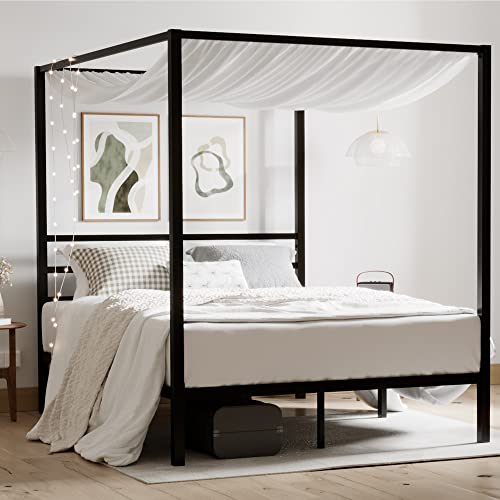
Best Bunk Beds for Teens (2026): Length, Strength and Layouts
Disclosure: We may earn a commission when you buy through links on this page, at no extra cost to you. As an Amazon Associate I earn from qualifying purchases. Learn more

Teens need more length, strength and headroom. Compare layouts to find the best bunk bed for teens.
A bunk bed that worked fine at age eight can feel cramped and wobbly at fifteen. Teens are taller, heavier, and pickier about how their room looks, so choosing the best bunk bed for teens means checking length, weight capacity, and headroom far more carefully than you would for a child. This guide compares the main layouts and build types by comfort, strength, and fit, and the product table above lists the frames we compared.
Below you will find how the common configurations stack up, the features that matter for a growing teenager, and the mistakes that lead to a bed being outgrown quickly.
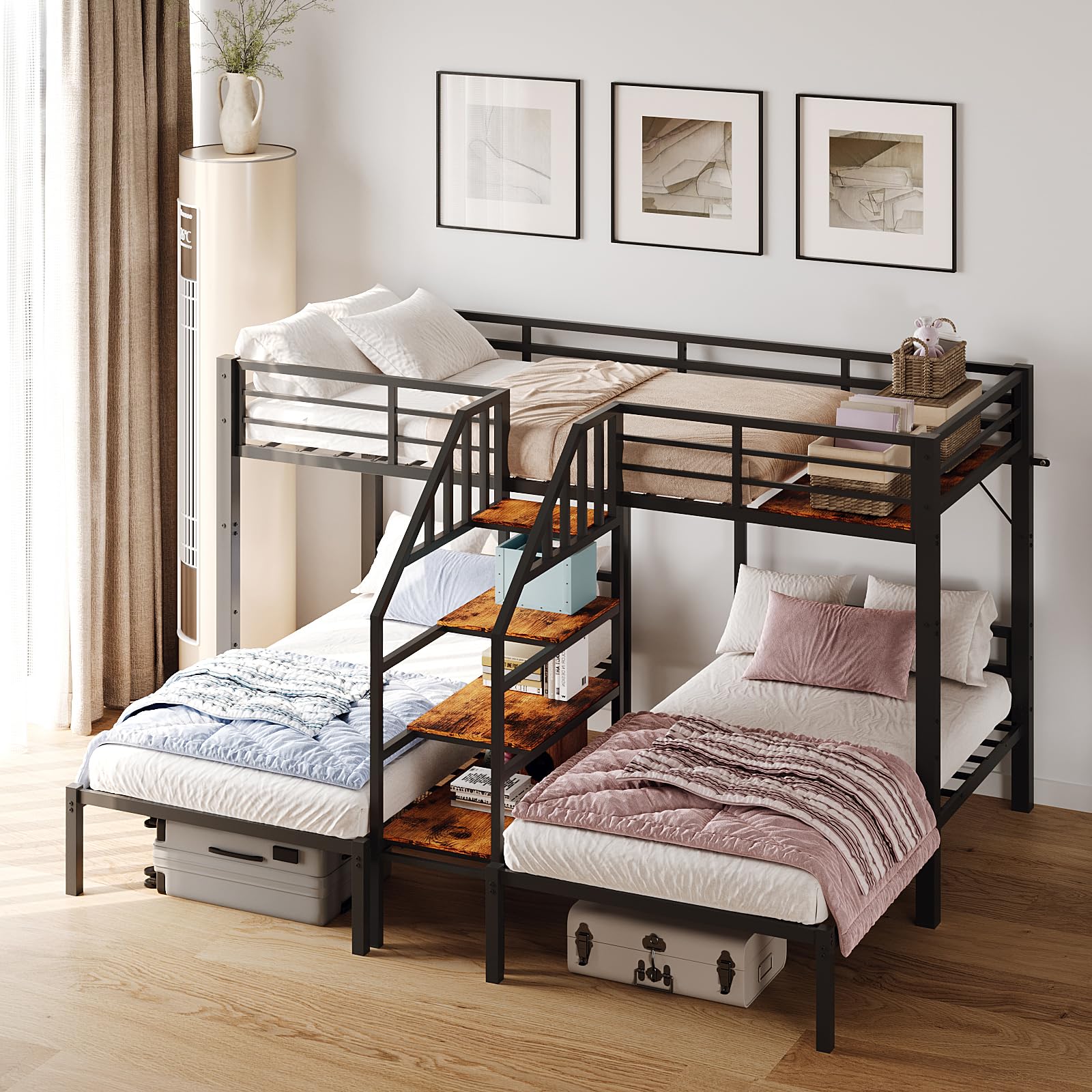
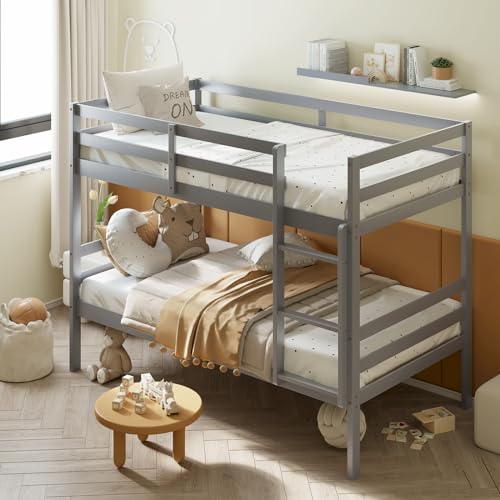
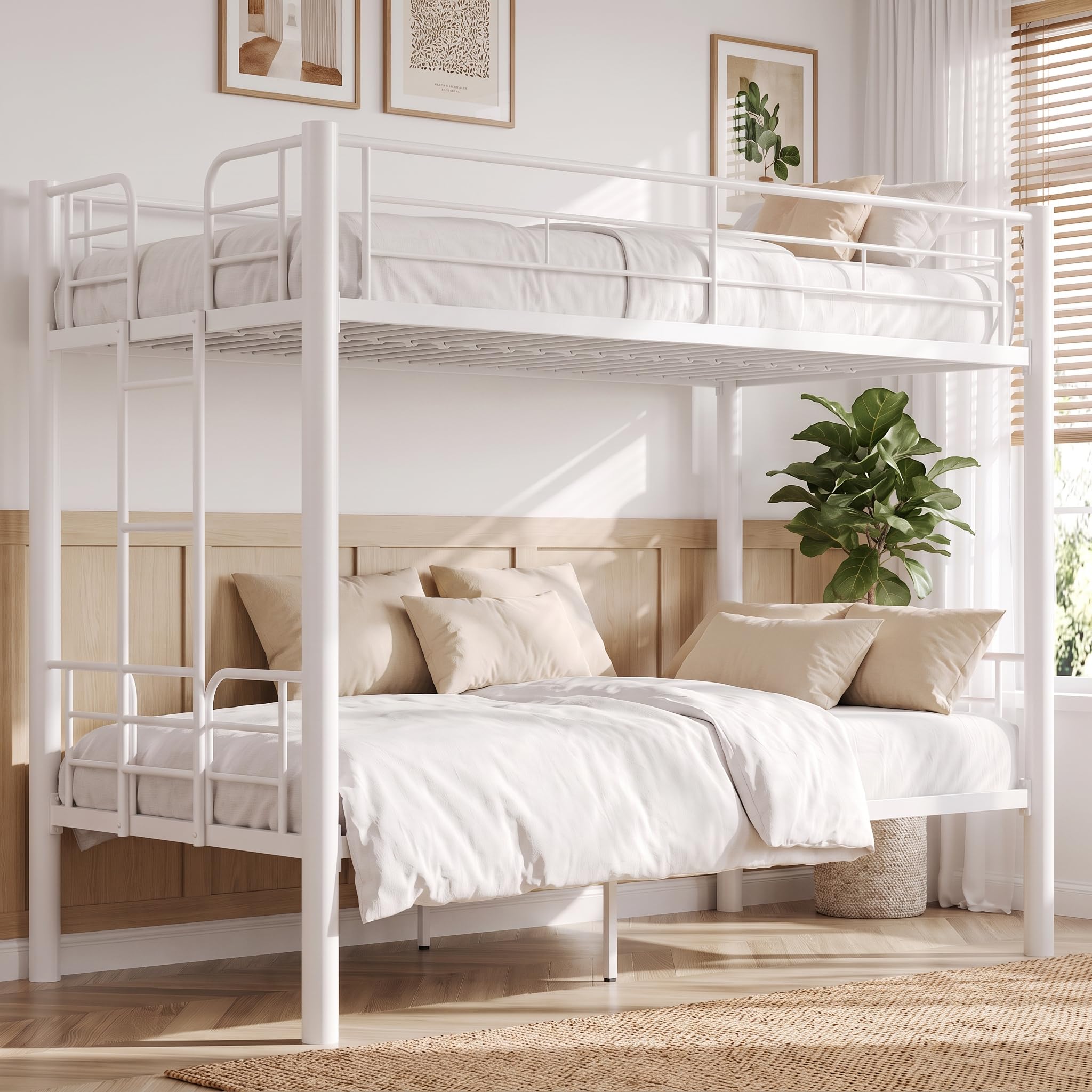
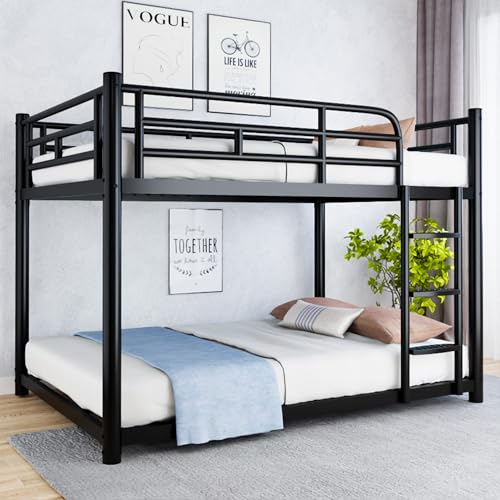
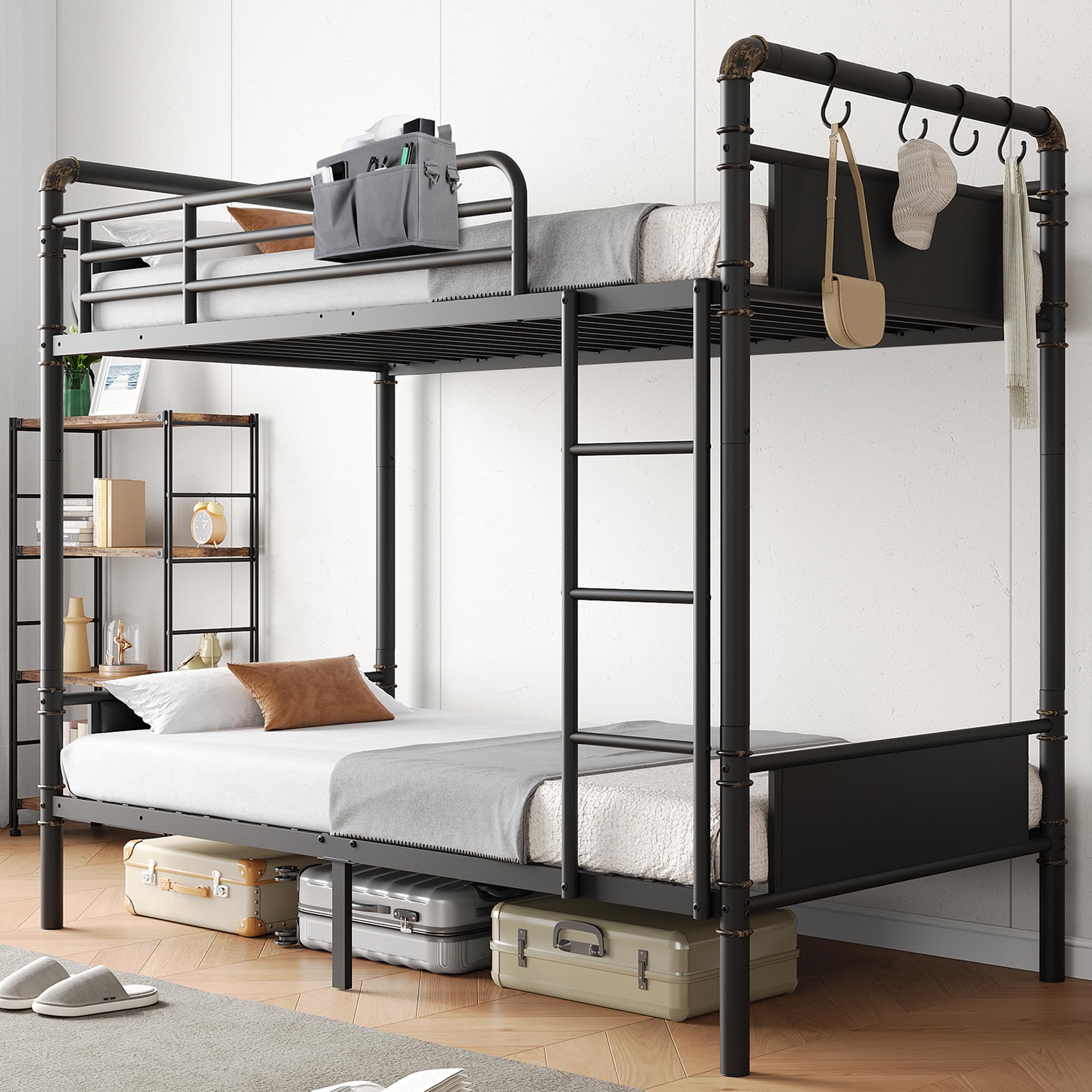
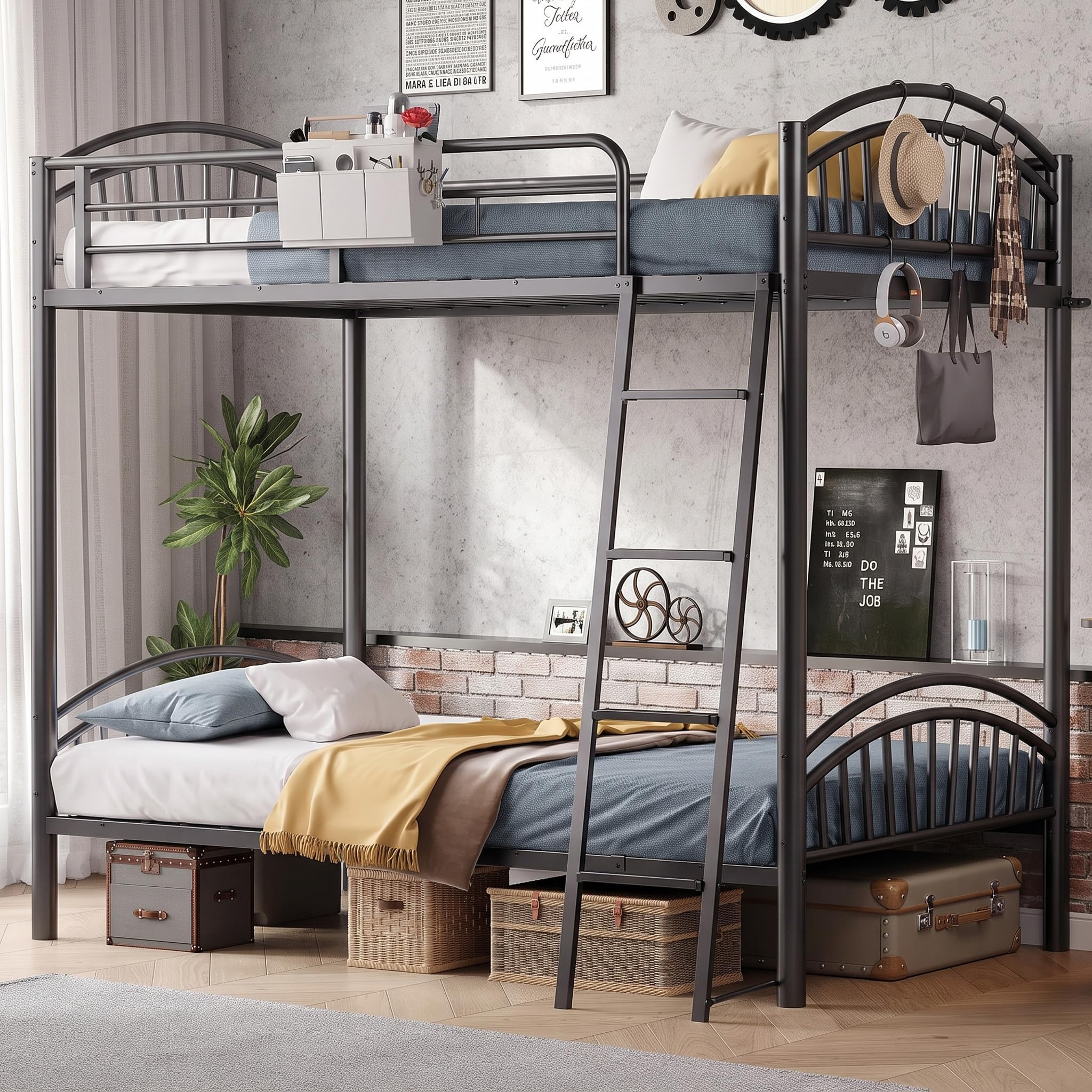
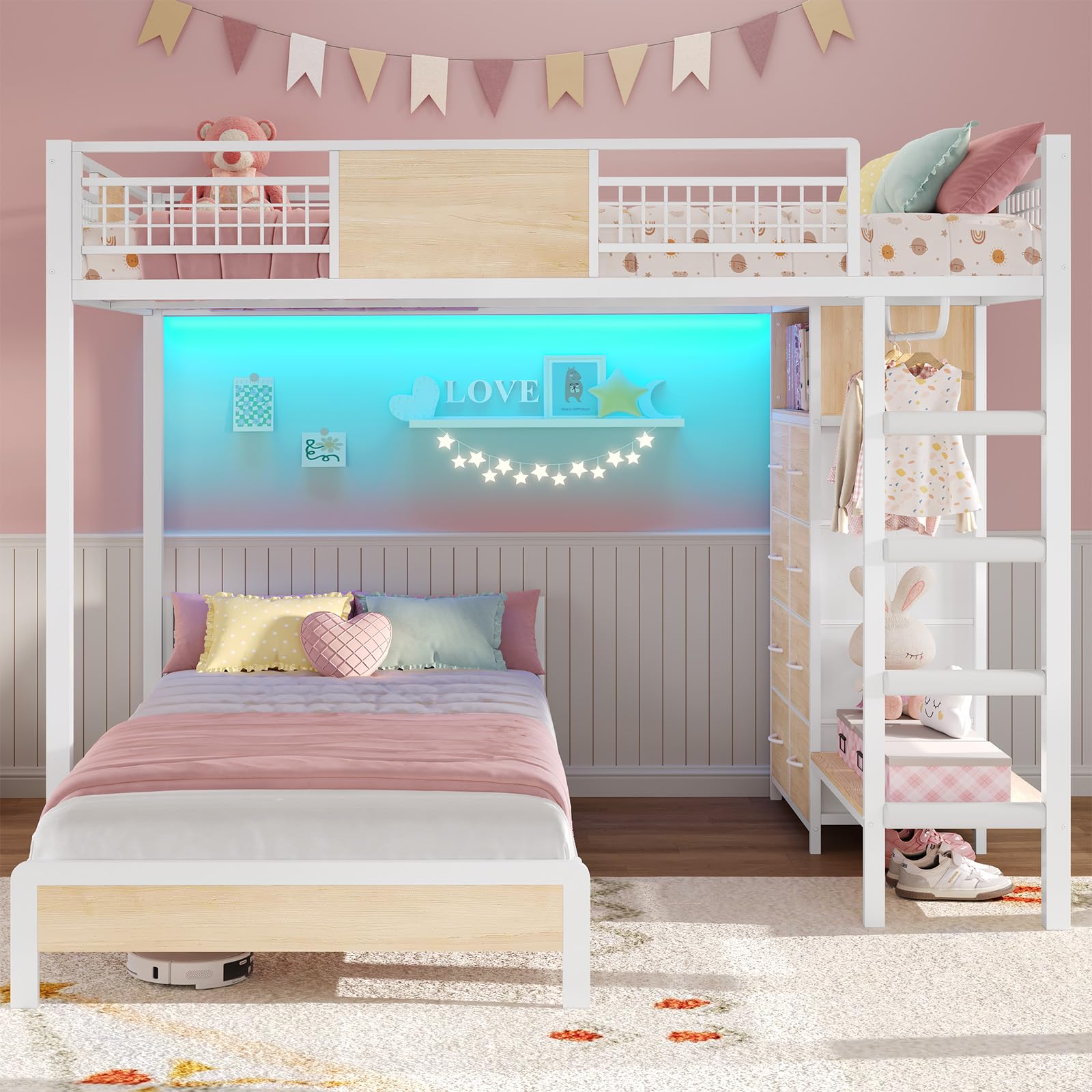

Bunk Bed Types Compared for Teen Rooms
Instead of naming individual models, compare the three layout families most families choose between, since the layout decides how much growing room your teen gets.
Standard stacked bunks
A classic stacked frame puts one bed directly over the other and takes up the floor space of a single bed. Choose it when two siblings share a small room and floor space is the whole point. The trade off is headroom: the lower sleeper gets whatever space remains between the bunks, so check the sit up clearance before you buy, especially if your teen reads in bed.
Wider lower bunk layouts
Putting a full size mattress below a twin top bunk gives the lower sleeper much more room to stretch out, and it works well when an older teen takes the bottom and a younger sibling sleeps up top. Our guide to the best twin over full bunk bed layouts covers this option in depth. If both sleepers are teens, a best full over full bunk bed frame gives each of them full width, though it needs a noticeably bigger room.
Loft beds for one teen
A loft raises a single bed and frees the space underneath for a desk, a dresser, or a small seating area. For a teen who sleeps alone but studies in the same room, this is often the smartest use of a small footprint. The space below only works if the ceiling is high enough, so measure the gap between the mattress top and the ceiling and aim for at least 30 inches of sitting room.
How to Judge a Bunk Bed for Teens
Five criteria separate a bed a teen can use for years from one replaced quickly: fit for a growing body, build quality and materials, rated size and weight capacity, ease of assembly, and warranty coverage. Judge every frame against the manufacturer specifications rather than photos alone, since a bed that looks sturdy in a picture can still carry a low weight rating. Our broader best bunk bed guide shows how these criteria apply across all age groups.
How to Choose the Right Bunk Bed for Teens
Size and form factor
Start with length, because that is where teens outgrow beds first. A standard twin mattress is about 38 inches wide and 75 inches long, which can feel short for a teen who is already close to six feet tall. Twin XL frames stretch that length to about 80 inches, and full size bunks add width at about 54 inches across. L shaped frames place the lower bed at a right angle, which opens up the middle of the room and makes the lower bunk feel less enclosed, while triple sleepers stack three levels and suit sleepovers or three siblings in one room.
Frame type and material
Solid wood frames feel warm and substantial, and they can often be separated into two standalone beds later, which adds years of use after bunk sleeping ends. Metal frames usually cost less and have a slimmer profile that suits a more grown up room, but joints on cheaper metal frames can loosen and start to squeak over time. Loft and trundle versions add function: a trundle slides out for guests without taking permanent floor space, and a convertible frame that splits into two beds protects your money if your teen later wants a standard bed.
Features worth paying for
Stairs cost more than a ladder but are easier on bare feet at night and often hide drawers inside each step, which adds storage without another furniture piece. Flat, wide ladder rungs matter more than most buyers expect, since narrow round rungs dig into the feet of a heavier teen. A built in desk under a loft turns dead space into homework space, and guardrails on both sides of the top bunk, not just the wall side, are worth insisting on. A slide, by contrast, is a feature aimed at young children and adds cost a teen will never use.
Body size and weight capacity
Check the rated capacity for each bunk separately, because the top bunk often carries a lower limit than the frame as a whole. Many teen ready frames rate each bunk at about 250 to 400 pounds, which covers the sleeper, the mattress, and bedding with room to spare. Also measure the distance between the bunks: about 30 inches or more between the top of the lower mattress and the underside of the upper frame lets a teen sit up in the bottom bed without ducking. Finally, confirm the guardrail rises at least 5 inches above the top of the mattress, since a thicker mattress quietly eats into that safety margin.
Materials and durability
Kiln dried hardwood and thick gauge steel hold up best under daily use by near adult sized sleepers. Look at the slat system too: closely spaced slats or a solid support panel spread weight evenly and stop the mattress from sagging between supports, while thin slats spaced far apart are a common weak point on budget frames. Hardware quality shows in the bolts and connecting pins, and a frame that relies on many small screws in soft wood will loosen faster than one with through bolts and metal inserts.
Assembly and warranty
Expect assembly to take two adults a few hours, and plan to keep the hardware sorted before you start. If you want a walkthrough of the general process, our notes on how to assemble a bunk bed explain the order of steps most frames follow. Warranty length is a useful durability signal: frames backed for several years against defects in materials and workmanship are a safer bet for a bed that must survive the rest of the teen years than frames with only a short coverage window.
How much should you spend?
Basic metal frames often fall around $200 to $300, and they suit a short term need if you accept slimmer materials and lower weight ratings. The middle ground of about $300 to $600 is where sturdy wood frames, stairs, and higher capacities appear, and it fits most families best. Spending about $600 to $1,000 buys heavier timber, convertible designs, and longer warranties. Our bunk bed buying guide maps these price bands to construction quality in more detail.
What Matters Most in a Bunk Bed for Teens
The modifier here is the whole point: a teen is not a big child, and the best bunk bed for teens is the one sized and styled for someone close to adult height and weight. Compared with a standard bed and a separate desk, a loft or bunk setup wins on floor space, but only if the sleeper still fits comfortably in three or four years. If your teen is already tall or still growing fast, frames marketed as a best adult bunk bed option, with higher capacities and longer sleeping surfaces, are often the more honest comparison than frames designed for children.
- Length of at least 75 inches, or 80 inches for taller teens
- Per bunk weight rating that covers an adult sized sleeper plus bedding
- Enough headroom to sit up in both bunks
- A look your teen will still accept at eighteen
Common Mistakes to Avoid
- Buying a standard twin length frame for a tall teen, which leaves feet hanging off the end within a growth spurt or two.
- Reading only the total frame weight limit and missing a much lower limit on the top bunk.
- Adding a thick mattress on the top bunk so the guardrail ends up nearly level with the sleeping surface.
- Forgetting to measure ceiling height, which leaves the top sleeper too close to the ceiling or a ceiling fan.
- Choosing a style aimed at young children, so the bed gets rejected for its looks long before it wears out.
- Skipping the bolt check after the first weeks of use, when new frames settle and joints can work loose.
How to Make Your Bunk Bed Last Longer
Retighten every bolt and connector about a month after assembly, then check them again every few months, since daily climbing works hardware loose over time. Keep the frame away from direct heat sources that dry out wood joints, and vacuum dust from slats and under the lower bunk so grit does not grind into the finish. Rotate both mattresses on the schedule the mattress maker suggests, and inspect guardrails, ladder rungs, and slats for cracks whenever you change the bedding. If the frame starts to sway, stop using the top bunk until you fix the loose joint.
FAQ
What is the best bunk bed for teens?
The right answer depends on the sleeper more than on any single frame. A tall teen sharing with a sibling does best with a longer or wider lower bunk, while a solo teen in a small room usually gets more from a loft with desk space below. Match the frame to your teen measured height, the room ceiling height, and the per bunk weight rating, and the layout choice becomes straightforward.
What should I look for in a bunk bed for teens?
Beyond the sizing points covered above, pay attention to how the ladder is angled. A ladder that leans slightly outward at the base is easier to climb in the dark than one mounted flat against the frame, and hooks or cutouts that keep it firmly attached stop it shifting under a heavier climber. Also check that the finish is smooth on every edge your teen will grab, since rough welds or splintered wood get daily contact on the climb up.
How long does a bunk bed last?
A well built wood or steel frame commonly serves through the whole teen stretch and beyond, often a decade or more, while thin budget frames may loosen within a few years of daily use. Lifespan depends less on age than on joint condition: a frame that stays tight and silent after its bolts are checked is still sound, while one that creaks and sways under normal movement is telling you its joints are worn.
Is a bunk bed worth it for a teenager?
It is worth it when floor space is the real problem, because stacking sleep space frees room for study and storage that two separate beds would consume. It is harder to justify if your teen dislikes heights, moves a lot in their sleep, or will leave for college within a year, when a standard bed may be the better spend.
How do you clean a bunk bed?
Strip both bunks and wipe the frame with a cloth dampened with mild soapy water, then dry it fully so metal parts do not rust and wood does not stay damp. Work from the top bunk down so dust falls to areas you have not cleaned yet. For hard to reach corners behind the guardrails, a vacuum crevice tool does the job quickly, and a quick wipe of the ladder rungs removes the grime that builds up from hands and feet.
What is the most reliable bunk bed brand for teens?
No single brand is right for every room, and reliability shows up in construction details rather than in a name. Frames with consistent buyer feedback about tight joints, clear instructions, and responsive part support tend to hold up best in practice. Before ordering, check whether the maker sells spare hardware and replacement rails, a practical sign the company supports its frames long term.
Final Thoughts
Measure your teen, measure the room, and let length, capacity, and headroom decide the layout before style enters the picture. The best bunk bed for teens is the one that still fits after the next growth spurt and feels sturdy years from now. Use the product table above to compare layouts side by side, then order the frame matching your measurements.