Best Bunion Corrector Sandals: Budget, Midrange, and Premium Tiers for 2026
Disclosure: We may earn a commission when you buy through links on this page, at no extra cost to you. As an Amazon Associate I earn from qualifying purchases. Learn more

Compare the best bunion corrector sandals by budget tier, toe box room, strap adjustment, arch support and cushioning in this clear buying guide.
Prices for sandals that promise bunion relief stretch from bargain bin levels to premium orthopedic territory, and the gap is not always explained by comfort. Some costly pairs add fashion branding, while some modest pairs get the toe box and straps exactly right. This guide shows where money truly helps when you shop for best bunion corrector sandals, and where it does not.
You will see what each budget tier usually delivers, which features deserve your dollars, and which extras you can skip with confidence. Start with the comparison table below, then use the tier notes to judge whether a price is fair. Sandals can ease pressure, but they cannot straighten a bunion or replace medical care.
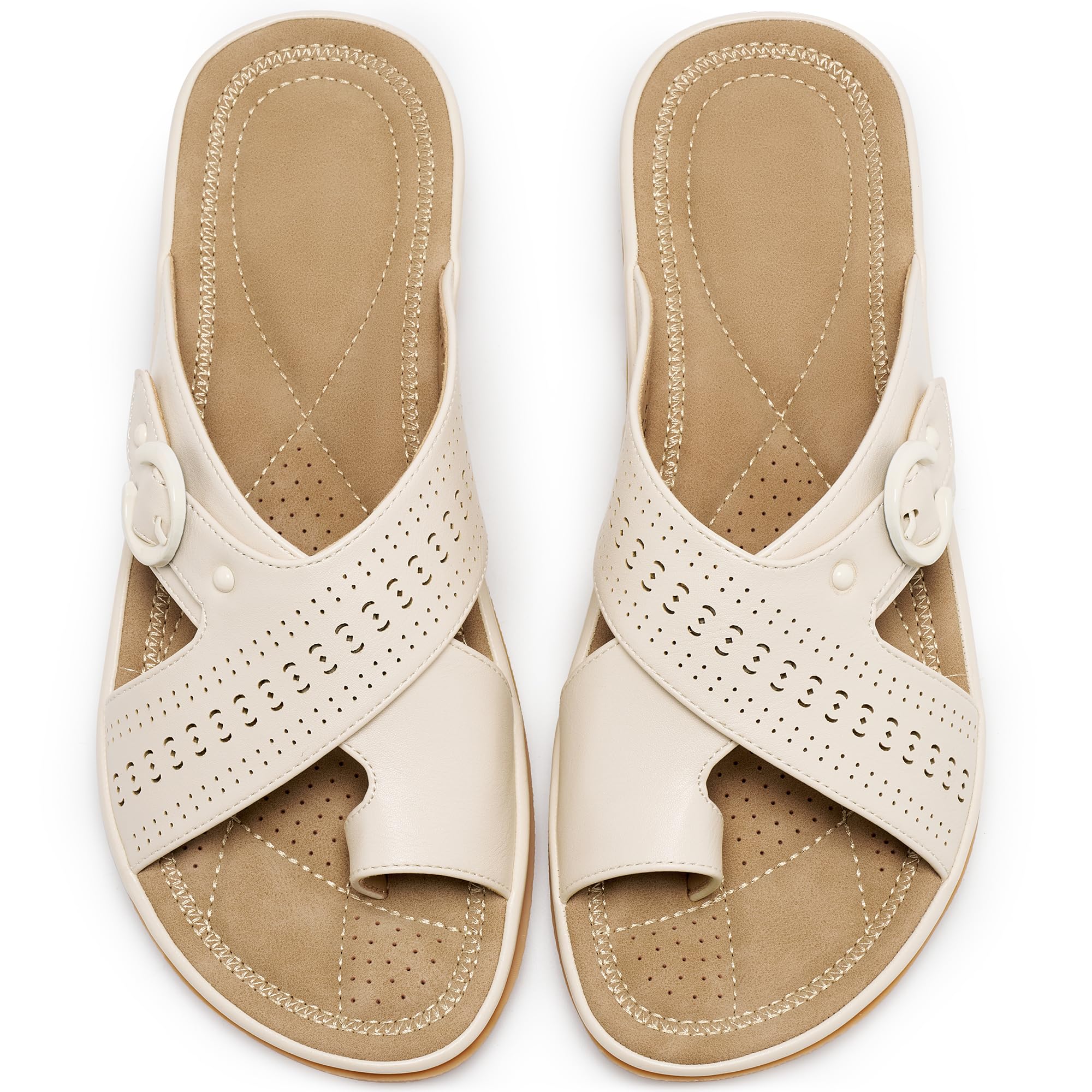

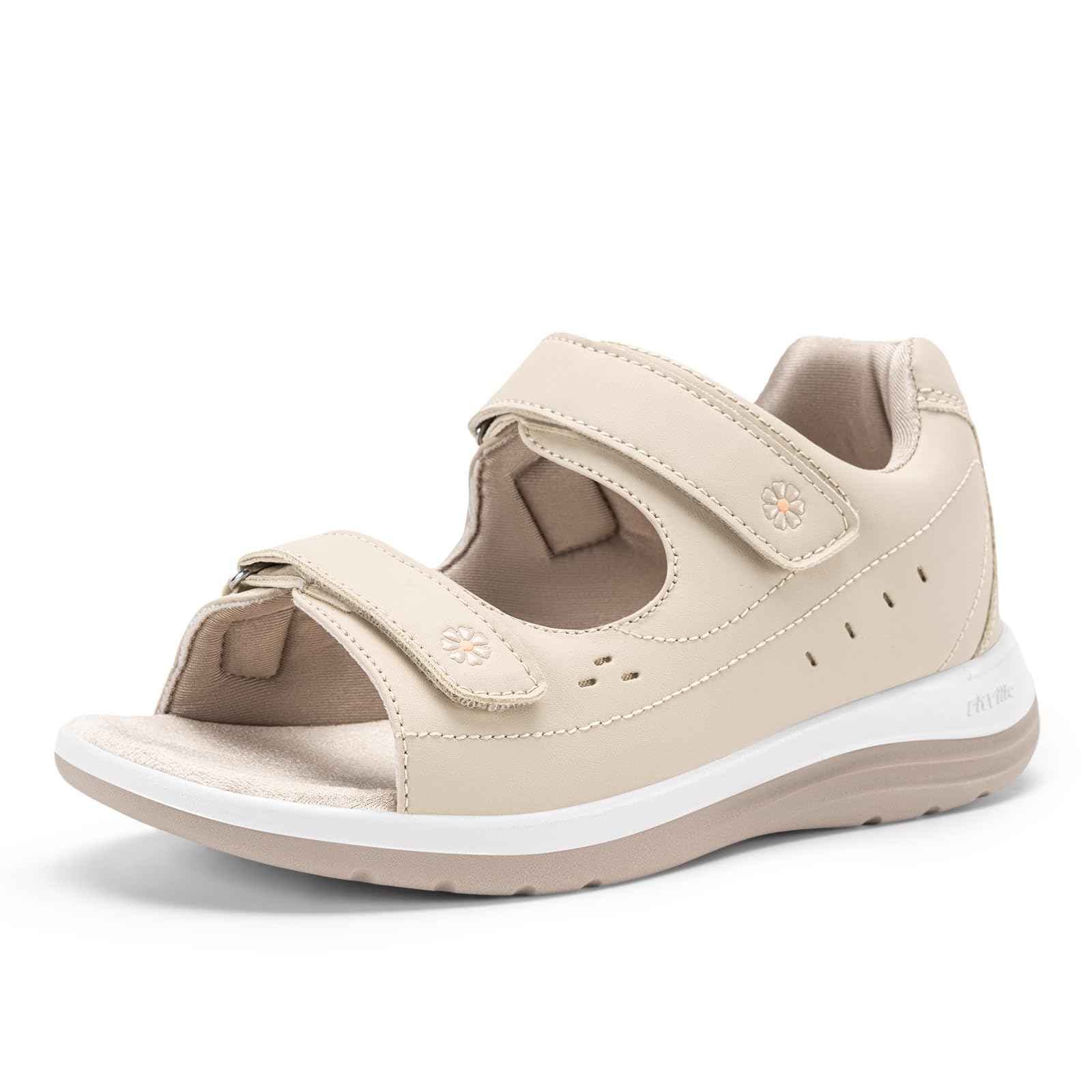

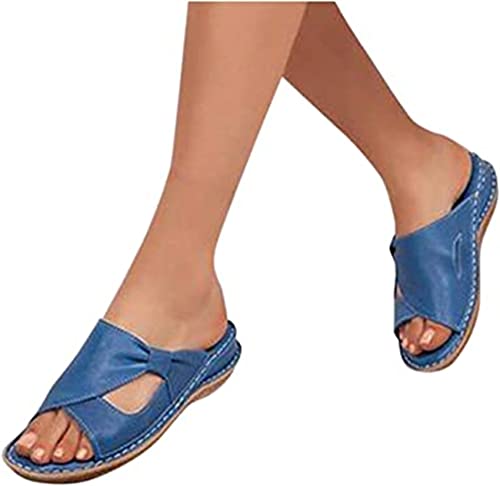
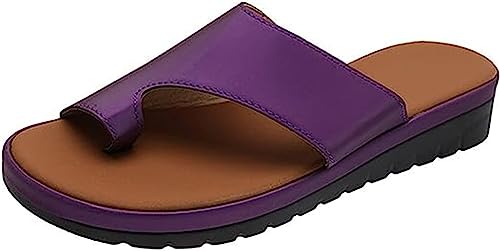
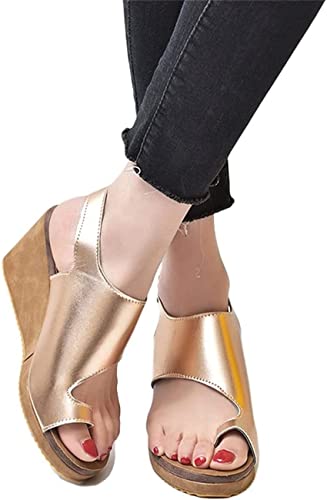
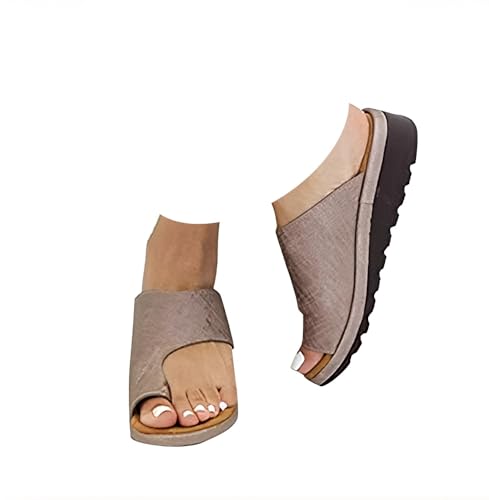


Three Budget Tiers Explained
Think of the tiers below as feature bundles rather than product names. Use the product table above to place a pair in its tier, then check that the fit details match what that money should buy.
The Budget Tier: Under About $40
Budget pairs around $25 to $40 usually offer a wide toe box, soft straps, and basic foam cushioning. That mix can relieve daily pressure for mild bunions and short outings. Expect simpler materials, glued construction, and less precise sizing, so check return terms carefully. This tier suits a first trial pair or a backup for home use, but heavy daily walking will expose its limits within a season or two.
The Midrange Tier: About $40 to $90
Midrange pairs add shaped footbeds, firmer arch support, and straps you can adjust at several points, which lets you ease pressure exactly over the bunion. Materials improve as well, with stitched straps and denser soles that hold shape through a full summer. For most buyers this is the sweet spot, because fit control matters more than luxury touches. Look for a heel cup and a sole that bends at the toes, not under the arch. If long walks are your goal, our guide to the best walking sandals for bunions compares support for distance in detail.
The Premium Tier: About $90 and Up
Premium pairs above about $90 should deliver excellent leather or technical uppers, deep heel cups, and footbeds that keep their shape for years. Some include removable footbeds that accept custom orthotics, a real advantage if a clinician has prescribed inserts for you. Fashion improves too, with cleaner lines that work beyond casual settings. Pay this much only when the fit is proven, because a costly pair that rubs the bunion is still a poor buy. For polished options, see our guide to the best dressy sandals for bunions.
What Your Money Gets You at Each Price Tier
Beyond the headline features, construction details explain most of the price ladder. Here is how materials and build quality usually change as you move up.
Budget Tier: What to Expect
At budget level, footbeds are usually flat foam that feels soft at first and compresses within months. Outsoles tend to be thin with shallow tread, so wet pavement grip is modest at best. Straps may stretch, and adjustment range is often limited to one or two points. None of this makes a budget pair useless, but it does mean you should treat it as a trial or a light duty option.
Midrange Tier: The Sweet Spot for Most Buyers
Midrange construction brings molded footbeds that cradle the heel and support the arch without custom inserts. Outsoles gain real tread depth and firmer rubber, which steadies longer walks. Strap linings get softer where they cross the bunion, reducing friction that causes hot spots. This is also where half sizes and wide widths appear more often, and honest sizing is worth more than any decorative detail.
Premium Tier: When Spending More Pays Off
Premium construction shows in small places: sealed strap edges, dense footbed foams, and outsoles that stay grippy after a year of wear. Quality control improves too, so left and right pairs match in strap placement and footbed shape. Replacement footbeds and repair friendly designs extend useful life well past cheaper pairs. The payoff is real only if you wear sandals daily, because occasional users rarely wear out midrange quality. If coverage matters, our guide to the best sandals to cover bunions shows discreet strap layouts.
Features Worth Paying For (and Ones to Skip)
Some upgrades change daily comfort in ways you can feel, while others only decorate a listing. Judge each feature below by your own feet and routine.
Warning signs matter more than comfort scores. Stop wearing a pair and see a doctor or podiatrist promptly if you notice numbness, skin breakdown, sharp joint pain, swelling that does not settle, or any sore that heals slowly, especially if you live with diabetes or poor circulation.
Durability and Expected Lifespan
A pair worn daily should last at least one full warm season, and midrange or premium pairs often last two to three seasons. Stitched strap anchors and dense outsoles are the best lifespan signals you can check in photos. Foam that you can dent deeply with a thumb in the store will likely flatten fast. Rotating pairs extends life more than any single material upgrade.
Outsole Traction and Terrain
Deep grooves and firm rubber help on wet tile, boat ramps, and gravel, while smooth fashion soles suit only dry flat ground. A slight heel bevel reduces tripping on uneven pavement. If you walk on slick surfaces often, traction deserves budget priority over decorative straps. Shallow tread that looks worn when new is a warning sign, because grip only declines from there.
Break In Period and Comfort Out of the Box
A good pair should feel kind on day one, with no strap edge digging over the bunion. Leather straps soften over one to two weeks, while padded synthetic straps change little. Mild awareness of a new footbed shape is normal, but sharp pressure is not. Wear new pairs indoors first so you can return them if the bunion area complains, and stop and reassess if redness or swelling appears.
Fit, Sizing, and Toe Box
Measure both feet in the afternoon and size for the larger foot, because bunions often differ by side. The toe box must clear the bunion without pressing, while the midfoot strap holds you secure so toes do not grip. Adjustable straps over the forefoot are worth paying for, since bunion width changes across the day. Our guide to the best women's sandals for bunions covers width choices in more depth.
Long Term Costs to Factor In
The purchase price is only part of what a pair costs you over its life. Replacement straps are rarely sold, so a broken strap usually means a whole new pair, which favors durable construction. Conditioner for leather, replacement footbeds on premium models, and a second rotation pair all add modest costs. Warranty length also matters, because a brand that covers strap failure for a year lowers your real cost. Divide total cost by expected seasons of wear, and midrange pairs often win that honest math.
Frequently Asked Questions
Are expensive bunion corrector sandals worth it?
They are worth it only when the price buys fit control, durable construction, and footbeds that hold their shape. A premium pair worn daily for three seasons can cost less per wear than yearly bargain replacements. Try midrange first if your bunion is mild, and step up only if pressure points remain. Cost never fixes a wrong size, so fit checks come before budget upgrades.
Can I wear bunion corrector sandals all day?
You can wear them all day once your feet have adapted and the straps cause no rubbing. Build up wear time over a week, and check the skin over your bunion at midday during the first days. A thin sock layer can protect tender skin on long outings. If pain builds through the day, shorten wear and consider a clinician visit rather than pushing through.
How often should I replace my bunion corrector sandals?
Replace them when the footbed stays flat after a rest day, straps stretch beyond adjustment, or tread smooths out. For daily wear that is often every one to two years, while occasional pairs last longer. A change in bunion soreness can be an early signal that support has faded. Keep older pairs for short home use only if they still feel stable and kind.
How long is the break in period for bunion corrector sandals?
Most pairs settle within one to two weeks of regular short wears. Leather straps soften and footbeds mold slightly, while firm support shapes may feel present for the first few days. Start indoors, then add short walks, and protect the bunion with a soft pad if an edge feels firm. Pain that sharpens instead of easing means the fit is wrong, not that you need more patience.
How should bunion corrector sandals fit?
They should fit with the heel cupped, the midfoot secure, and clear space around the bunion with no strap pressing the joint. Your toes should lie flat without gripping, and the forefoot strap should adjust without pulling the foot sideways. Walk on a hard floor at home to test, because carpet hides pressure points. When in doubt between sizes, the size with cleaner heel hold usually wins.
Do I need waterproof bunion corrector sandals?
You need water ready sandals only if your routine includes rain, pools, or beach days. Waterproof straps dry fast and resist odor, but leather pairs offer a softer touch for sensitive bunion skin when kept dry. A standard pair plus a cheap water pair for wet days often beats one costly all conditions pair. Whatever you choose, dry sandals fully between wears to protect skin and materials.
The Bottom Line
Spend first on toe box room, adjustable straps, and a footbed that holds its shape, because those three points decide bunion comfort every day. Use the tiers above and the product table above to match price to proof, not promises. Talk with your clinician about your personal needs before relying on any sandal for ongoing foot pain. Chosen carefully, best bunion corrector sandals can make warm weather walking feel easy again. Start in the midrange if you are unsure, and let fit, not branding, make the final call.