Best Bumper Plate Sets 2026: A Clear Buying Guide
Disclosure: We may earn a commission when you buy through links on this page, at no extra cost to you. As an Amazon Associate I earn from qualifying purchases. Learn more

Bumper plate sets differ by rubber type, bounce, and hub fit, so this guide explains what to check for home gyms and serious lifting training alike.
Choosing best bumper plate sets means balancing rubber quality, bounce, and bar fit against your budget and your training style. Bumper plates let you drop loaded barbells safely, which matters for Olympic lifting, CrossFit style training, and home gyms with neighbours below.
This guide explains plate types, durometer ratings, and hub designs in plain language. The comparison table below sets out the main bumper plate styles side by side, so you can compare training, competition, and budget options before you buy.
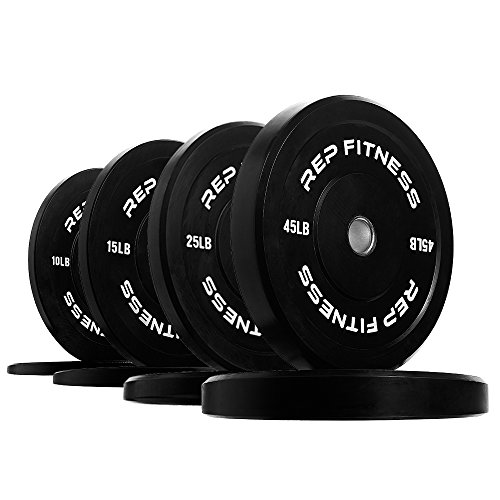
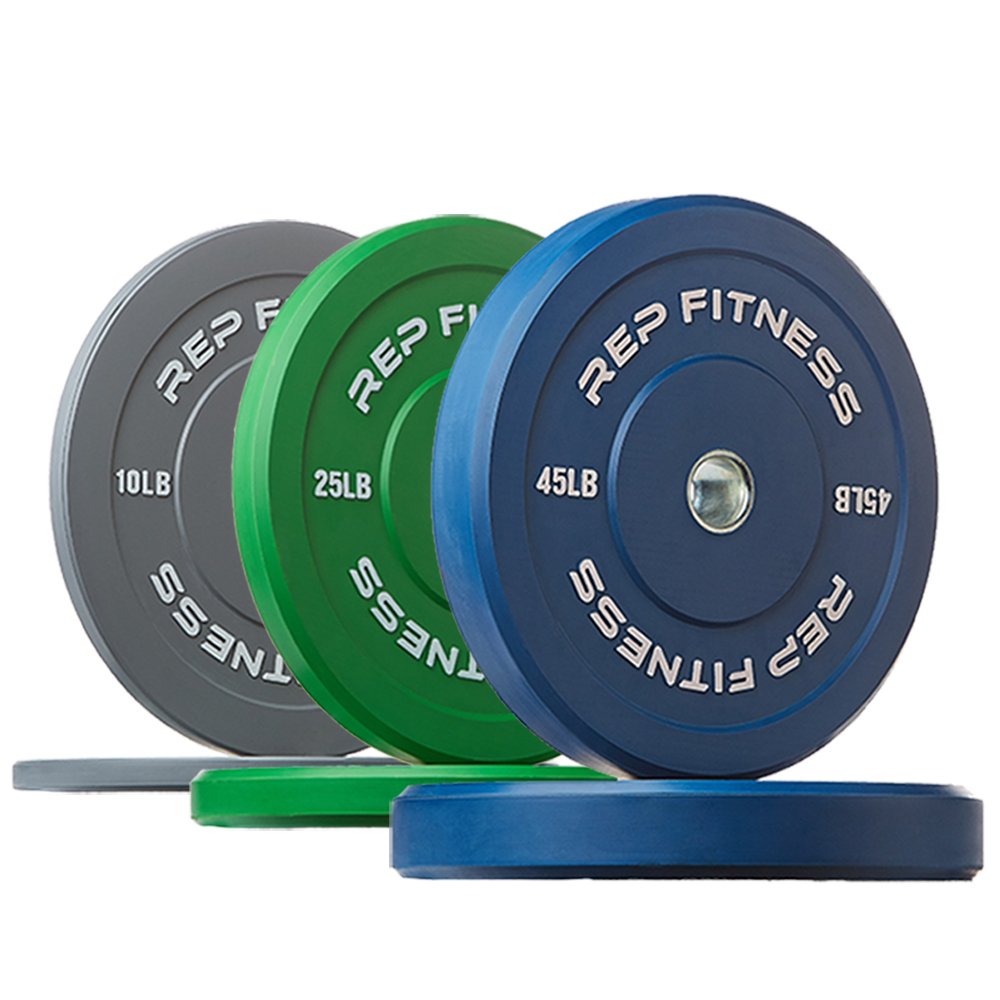
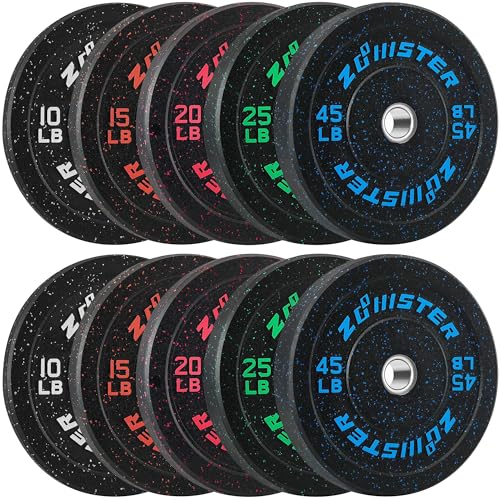


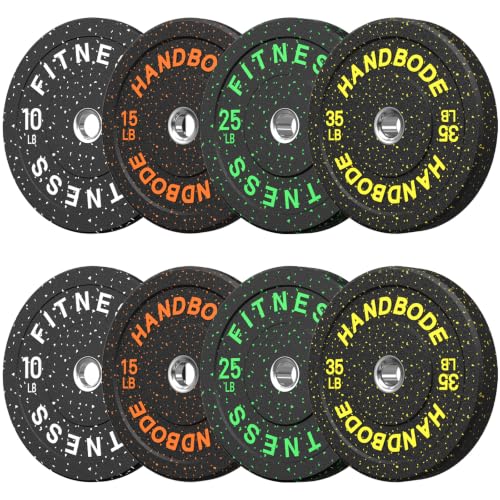
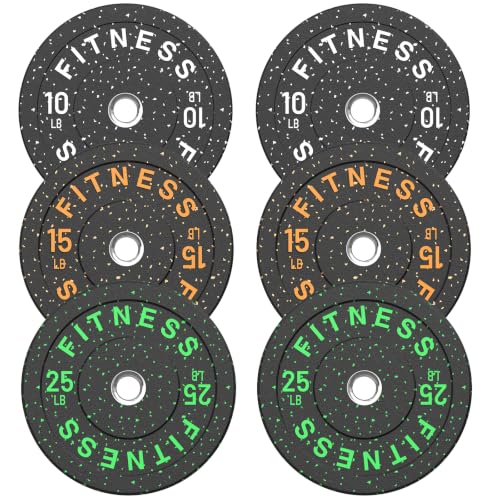
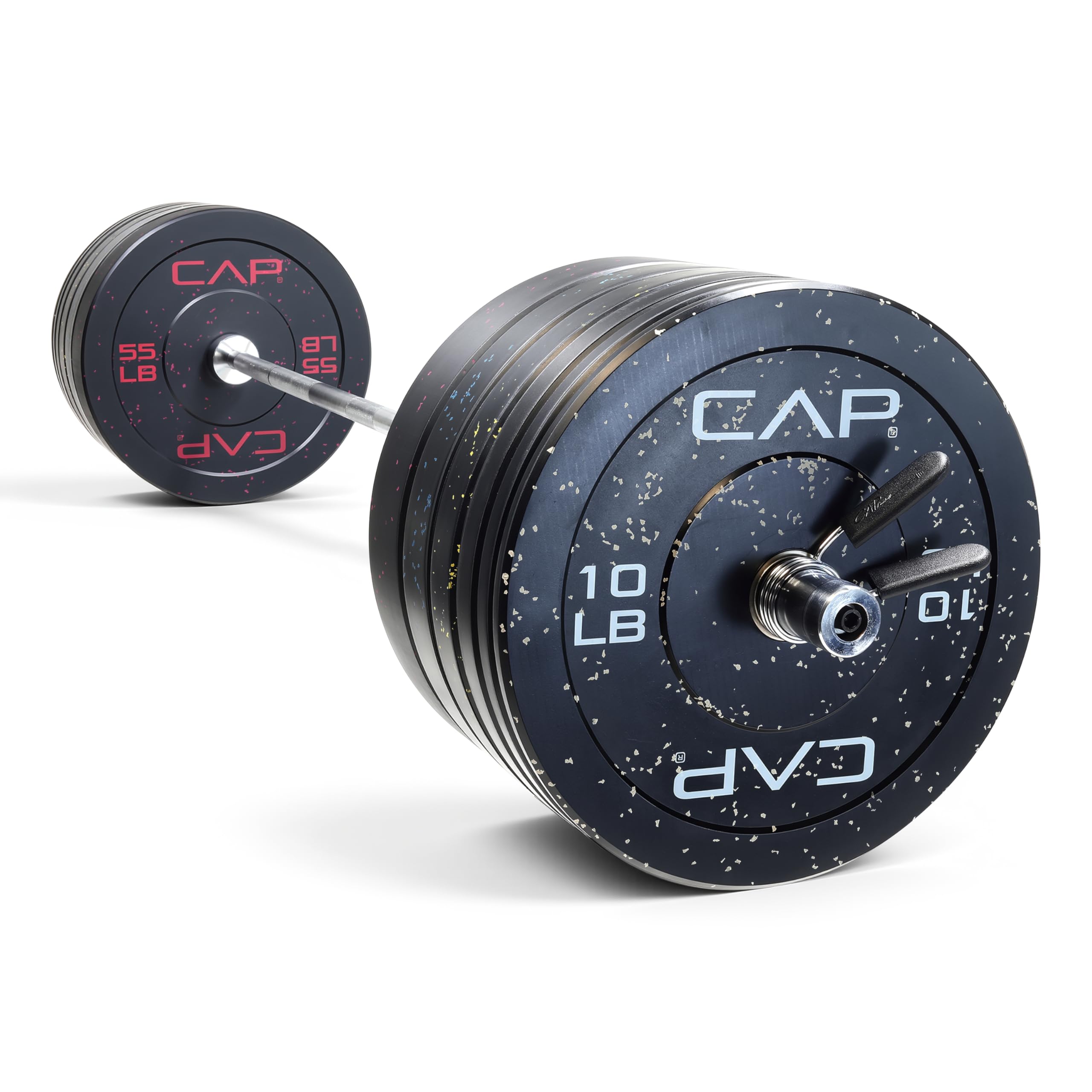
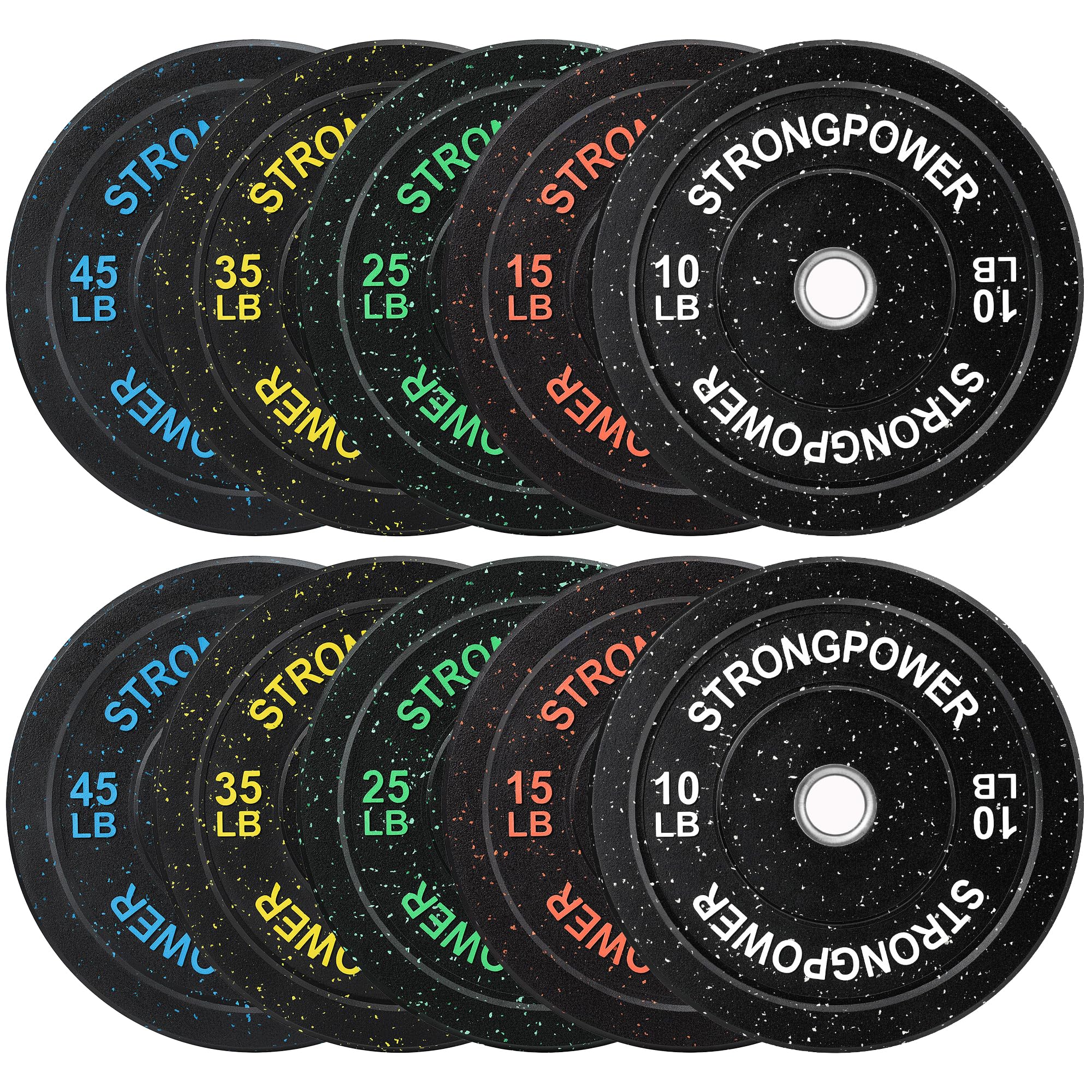
Bumper Plate Types Explained
Training bumpers use virgin or recycled rubber in standard thicknesses and offer a good balance of durability and price. Competition bumpers use tighter tolerances, thinner profiles, and brighter colours, with strict weight accuracy for sanctioned lifting. Economy bumpers cost least but may vary more in weight and bounce, and they often use lower grade rubber.
Crumb rubber bumpers, made from recycled tyre material, offer a textured look and low bounce at a lower price. They can shed small crumbs initially and may carry a stronger rubber smell. Virgin rubber bumpers smell less, bounce more predictably, and usually last longer under heavy dropping.
Key Features Worth Comparing
Rubber Quality and Durometer
Durometer measures rubber hardness, with higher numbers meaning firmer rubber and lower bounce. Training plates often sit in a mid range that balances shock absorption and bounce control. Very soft plates absorb drops well but may feel unstable, while very hard plates bounce more and transmit shock to floors.
Weight Accuracy and Tolerance
Competition plates hold tighter weight tolerances, often within a small fraction of stated weight. Training plates allow slightly wider variation, which rarely matters for general training. Economy plates may vary more, so serious lifters should weigh plates or buy from makers that publish tolerances honestly.
Hub and Bar Fit
The centre hub must fit your barbell sleeve snugly without wobbling or sticking. Steel inserts last longer than plain rubber holes, which can stretch over time. Check the hub diameter against your bar, since Olympic bars and standard bars differ. A loose hub rattles and wears faster.
Bounce and Floor Protection
Bounce affects safety and neighbour relations, especially in home gyms. Low bounce plates stay put after drops, while high bounce plates can rebound unpredictably. Always use a lifting platform or thick mats, since even the best plates need floor protection under heavy drops.
Who Should Buy Which Style
For Home Gym Beginners
Mid grade training bumpers suit beginners best, offering durability and predictable bounce without competition prices. Start with a basic weight set that covers your current lifts plus room to grow. Add plates gradually as strength increases, rather than buying a huge set upfront.
For Olympic Lifters
Olympic lifters benefit from competition style plates with tight tolerances and low, predictable bounce. Thinner profiles allow more weight on the bar, which matters as lifts progress. Steel hubs and virgin rubber justify their premium for frequent dropping.
For General Fitness Training
General trainers who mix lifting with conditioning need versatile plates that handle drops, cleans, and floor work. Training bumpers with moderate bounce and solid hubs cover this range well. Prioritise durability and floor protection over strict weight accuracy.
Mistakes to Avoid
A frequent mistake is buying the cheapest plates without checking bounce and hub fit. Plates that bounce wildly or wobble on the bar create safety risks and frustration. The product table above shows the main styles, and spending slightly more on training grade plates usually pays off quickly.
Another mistake is skipping floor protection. Bumper plates protect bars and plates, but concrete and wood floors still need platforms or mats under heavy drops. Budget for a platform alongside plates, especially in garages or upstairs rooms.
Care and Safety
Store plates upright on a rack or flat in stacks, away from direct sunlight and extreme heat that degrade rubber. Wipe plates after sweaty sessions, and inspect hubs and edges for cracks or separation. Retire plates with damaged hubs or deep cuts, since they can fail under load.
Always use collars to secure plates, check bar sleeves before lifting, and clear the drop zone around you. If you feel joint pain or strain that persists after training, seek advice from a clinician before continuing. Good plates support training, but technique and recovery matter just as much.
If you are still narrowing down the choice, related guides can help you compare nearby options. Readers often compare this guide with best plate sets and best weight plate sets before settling on a final option, since each one covers a slightly different use case. The comparison table above can help you line up the main features side by side before you decide.
Planning a Home Gym Plate Collection
Building a plate collection gradually beats buying everything at once, since your strength and training style evolve. Start with pairs that cover your current lifts plus one step heavier, then add plates as you progress. This staged approach spreads cost and avoids owning weights you rarely use.
Consider plate diameter consistency when expanding, since mixed diameters can make bar loading uneven and change deadlift starting height. Training bumpers share standard diameters across weights, which keeps bar height consistent. Check diameter specs before mixing brands or types in one collection.
Finally, plan storage alongside plates. A sturdy rack keeps plates organised, protects floors, and makes loading faster during workouts. Vertical storage suits small spaces, while horizontal racks suit larger gyms. Good storage also makes it easier to spot missing plates before a workout begins.
Collars deserve as much attention as plates, since loose collars let plates shift and rattle during lifts. Spring collars suit quick changes, while screw lock collars hold more securely under heavy drops. Competition collars add weight and precision for serious lifters. Whatever style you choose, check collars before every session, since a worn collar that slips mid lift creates a genuine safety hazard.
Chalk improves grip during heavy lifts and reduces bar slip, but it also creates dust that settles on plates and floors. Use chalk sparingly, brush plates occasionally, and keep the lifting area ventilated. Liquid chalk offers similar grip with less mess, which suits home gyms where dust control matters.
Plate storage racks come in vertical and horizontal styles, each suiting different spaces and budgets. Vertical racks save floor space but require lifting plates higher, while horizontal racks suit heavier collections and garage gyms. Choose a rack rated well above your total plate weight, since safety margins matter when hundreds of pounds rest on steel supports.
Inspect plate edges monthly for chips or cuts, since damaged rubber can worsen under repeated drops. Early retirement of a damaged plate costs far less than floor repairs or a failed lift, so replace suspect plates promptly.
Frequently Asked Questions
What is the difference between bumper plates and iron plates?
Bumper plates are rubber coated and designed to be dropped safely, while iron plates are thinner, denser, and not meant for dropping. Bumpers protect bars, floors, and plates during Olympic lifts, but they take up more bar space. Iron plates suit powerlifting where bar space matters and drops are rare. Choose bumpers if you drop weights regularly.
How much bounce should bumper plates have?
Low to moderate bounce is safest, since plates stay near the drop point instead of rebounding unpredictably. Competition plates tend to bounce less and more predictably than economy plates. Bounce also depends on drop height, plate weight, and floor type. Always lift on a platform or mats, and clear the area around you before dropping.
Can I mix bumper plate brands?
You can, but mixing brands can cause uneven bar loading if plate thicknesses or diameters differ. Thicker plates from one brand may leave less bar space than thinner plates from another. Weight tolerances also vary by brand, which matters for precise training. For consistency, build your main set from one brand and add matching plates over time.
Do bumper plates damage floors?
Bumper plates reduce floor damage compared with iron plates, but heavy drops still need protection. Use a lifting platform or thick rubber mats, especially on wood or tiled floors. Concrete garage floors handle drops better, but still benefit from mats that absorb shock and noise. Never drop maximal loads directly onto unprotected floors.
How do I clean bumper plates?
Wipe plates with a damp cloth and mild soap, then dry them fully before storage. Avoid harsh solvents that degrade rubber, and keep plates out of direct sunlight for long periods. Inspect hubs and edges regularly for cracks, and store plates upright or stacked flat. Good care extends plate life significantly.
Final Thoughts
Choosing best bumper plate sets is about rubber quality, bounce control, and hub fit that matches your bar and your training. Training grade plates hit the sweet spot for most lifters, while competition plates reward serious Olympic training.
Compare the styles in the table above, budget for floor protection, and buy a set that grows with your strength. That approach keeps your lifting safe, quiet, and enjoyable for years.