
Best Bump Keys for 2026: Legal Use and Lock Protection
Disclosure: We may earn a commission when you buy through links on this page, at no extra cost to you. As an Amazon Associate I earn from qualifying purchases. Learn more
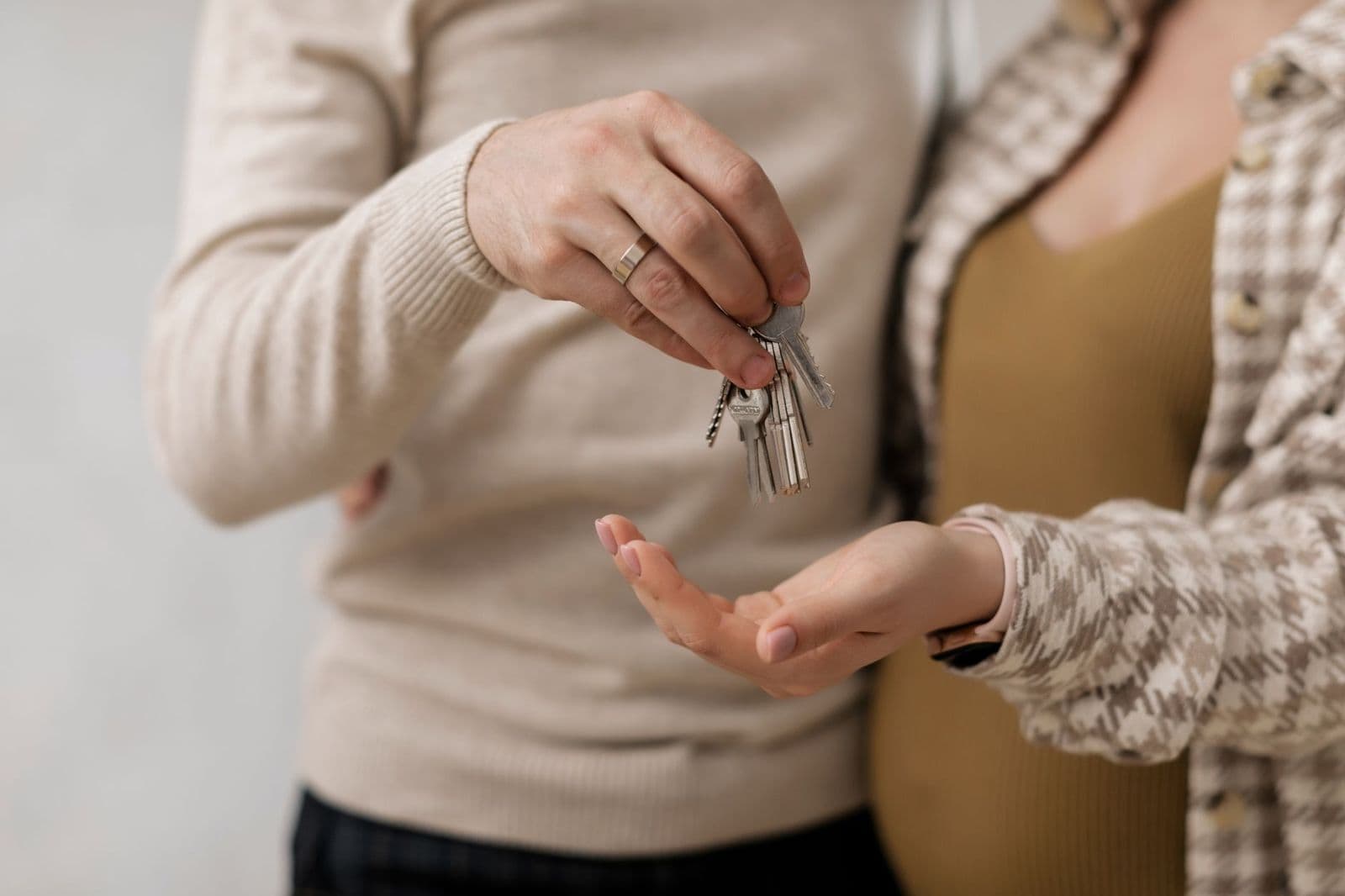
What the best bump keys are, who uses them lawfully, and how to protect your own locks.
A bump key is a specially cut key used by trained locksmiths to open certain pin tumbler locks without the original key. Searches for the best bump keys usually come from three groups: locksmiths who need professional tools, homeowners who read a news story and want to know whether their own door is at risk, and curious readers. This guide explains what the tool is, where the law draws lines, and how to make your own locks harder to open this way.
It is not a shopping list. Bump keys are specialist locksmith equipment, rules about owning and carrying them differ from place to place, and the most useful advice for most readers is about protecting the locks they already have.
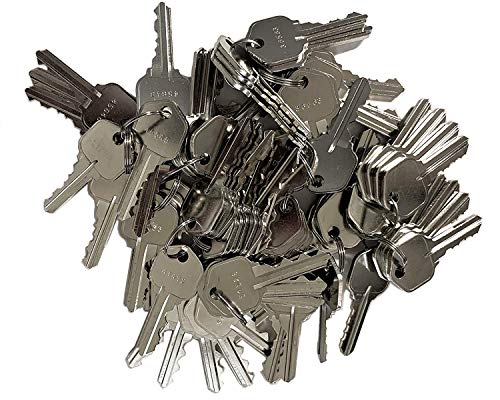
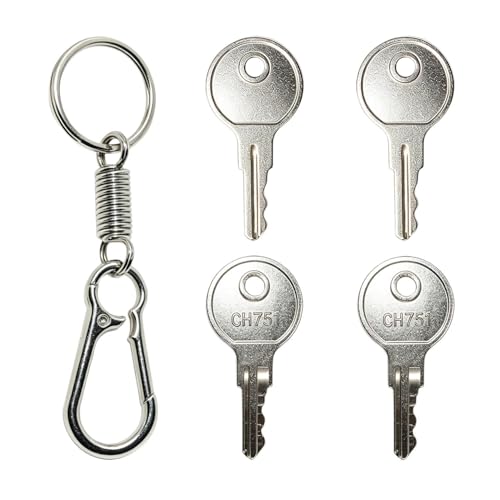
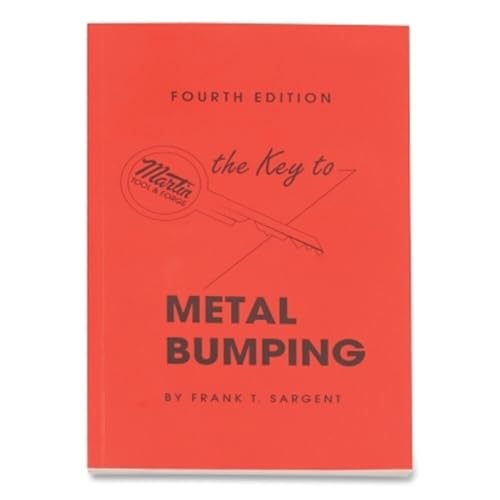

What a Bump Key Actually Is
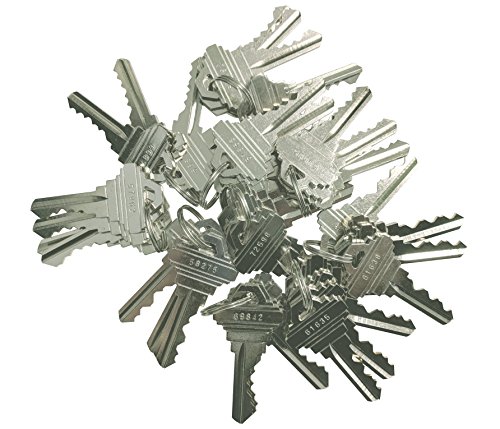
A standard key lifts a row of small spring loaded pins inside the lock to exactly the right height. A bump key is cut to the deepest setting at every position, so it fits the keyway of a whole family of locks. When it is struck lightly while turning pressure is applied, the pins jump for a moment and the cylinder can turn. The idea has been known to locksmiths for decades, and it works only on locks without extra protection.
Because a bump key must match a keyway, one key serves one lock family. A key for one brand and profile will not enter another brand's lock at all. That is why professional sets are sold by keyway and why anyone claiming a single key opens everything is exaggerating.
Who Uses the Best Bump Keys Legitimately
Licensed Locksmiths
Locksmiths use bump keys for lockouts when the owner has proof of residence, for rekeying jobs and for security assessments. A working locksmith carries a set that covers the common keyways in their area and keeps records of the jobs they do.
Property Managers and Facilities Staff
Some building managers use the tool under a written policy for lockouts in buildings they control. Most prefer to call a licensed professional so there is a clear record and no liability question.
Security Researchers and Trainers
Locksport groups and security trainers demonstrate the method on locks they own so that people understand the weakness. The lesson they usually teach is the one this guide ends on: buy better locks.
Legal Points to Understand
Laws about lock opening tools vary by country, state and city. In many places it is legal to own the tool but illegal to carry it with the intent to commit a crime, and using it on a lock you do not own or have permission to open is unlawful everywhere. Some regions restrict possession by people who are not licensed locksmiths. Check your local rules before buying or carrying any lock opening tool, and never use one on a door that is not yours. If you are unsure, ask a licensed locksmith or your local authority.
Why Homeowners Should Care
Most burglaries involve a broken window, a kicked door or an unlocked entry, not a bump key. Still, a cheap standard cylinder can be opened this way, so it is worth knowing whether your locks have defenses. Signs of a basic lock include a very low price, no mention of security pins and no markings on the cylinder. The fix is usually simple and does not require replacing the whole door.
How to Make Locks Harder to Bump
Choose Bump Resistant Cylinders
Look for cylinders sold as bump resistant, with security pins, a sidebar or a restricted keyway. These add moving parts that stop the pin jump from working. A locksmith can swap a cylinder in minutes without changing the door hardware.
Upgrade the Deadbolt
A solid deadbolt with a hardened bolt, a reinforced strike plate and long screws that reach the frame stops most forced entry. For a front door, a grade 1 or grade 2 deadbolt is a sensible target. Pair it with a reinforced strike plate, because the frame is often the weak point.
Add Layers
Security works best in layers: good locks, a solid door and frame, lighting, and visible deterrents. Smart locks that use a keypad or app remove the keyway altogether, though they still need strong hardware and good password habits.
Control Your Keys
Keep a record of who holds keys, rekey when you move into a new home, and avoid hiding a spare under the mat. A high security key that cannot be copied freely adds another barrier.
Choosing a Locksmith Safely
If you need help with a lockout or want to upgrade your cylinders, choose a licensed local locksmith with a real address, clear pricing and identification. Ask for a quote before work starts, be cautious of very low advertised prices followed by large extras, and expect to show proof that you live at the property. A reputable professional will always check this first.
Common Mistakes to Avoid
- Believing that a heavy looking lock is automatically secure. Weight and look say little about the cylinder inside.
- Replacing a lock without upgrading the strike plate and screws, which leaves the door easy to kick in.
- Buying lock opening tools without checking local law first.
- Leaving spare keys in obvious hiding places.
- Hiring an unlicensed locksmith found through an unclear advert.
A Simple Home Check
Walk around your home and look at each exterior door. Note the lock brand and any markings, check that the deadbolt extends at least one inch into the frame, and test that the door fits tightly with no gap. Look at the hinges and strike plate screws as well. If any part feels loose, fix it first, because it is a more common point of entry than any key trick. If you rent, ask the landlord about rekeying between tenants.
Frequently Asked Questions
Are bump keys legal to own?
It depends on where you live. In many places ownership is legal but carrying one with criminal intent is not, and some regions limit them to licensed locksmiths. Check local rules.
Do bump keys work on every lock?
No. They work only on certain pin tumbler locks and only when the key matches the keyway. Locks with security pins, sidebars or restricted keyways resist them.
How can I tell whether my lock is bump resistant?
Look for wording on the packaging or cylinder, such as bump resistant or security pins. If you cannot tell, a licensed locksmith can inspect the cylinder and advise.
Is a smart lock safer than a key lock?
A good smart lock removes the keyway, so this method does not apply, but it still needs strong hardware, firm mounting and sound password habits. Compare the lock body and the door as a whole.
Should I call a locksmith or try to fix a lock myself?
For cylinder changes and rekeying, a licensed locksmith is quick and keeps the warranty intact. Simple jobs such as tightening screws or replacing a strike plate are fine to do yourself.
Final Thoughts
The best bump keys belong in the hands of licensed professionals who use them lawfully, and for everyone else the better question is how to protect the door in front of you. Check your local law, upgrade to bump resistant cylinders, reinforce the strike plate and frame, and use a licensed locksmith for any work you are unsure about.


