Best Bulbs for Window Boxes: A First Time Buyer's Guide for 2026
Disclosure: We may earn a commission when you buy through links on this page, at no extra cost to you. As an Amazon Associate I earn from qualifying purchases. Learn more
A friendly first guide to the best bulbs for window boxes, covering bulb size, depth, spacing, sun, watering, and mistakes new growers can avoid.
A window box is often the first garden a new grower ever plants, and bulbs are a kind way to start because much of the work is done for you. The flower, the leaves, and a store of food are already packed inside each bulb. Your job is to give the best bulbs for window boxes the right depth, the right spacing, and steady care in a very shallow strip of soil.
This guide starts with the basics, explains each term in plain English, and ends with the mistakes that trip up most first time growers. Use the comparison table below to compare bulb types and pack sizes, then read on before you order.
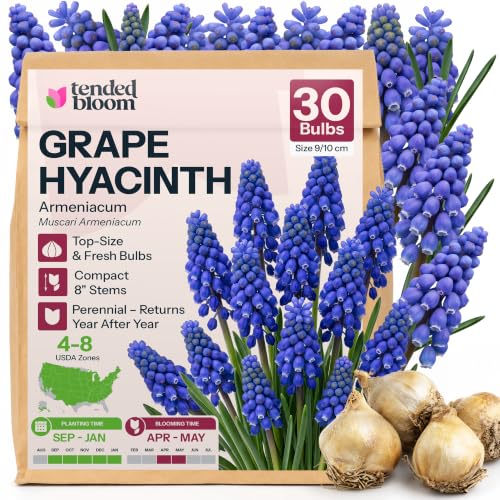
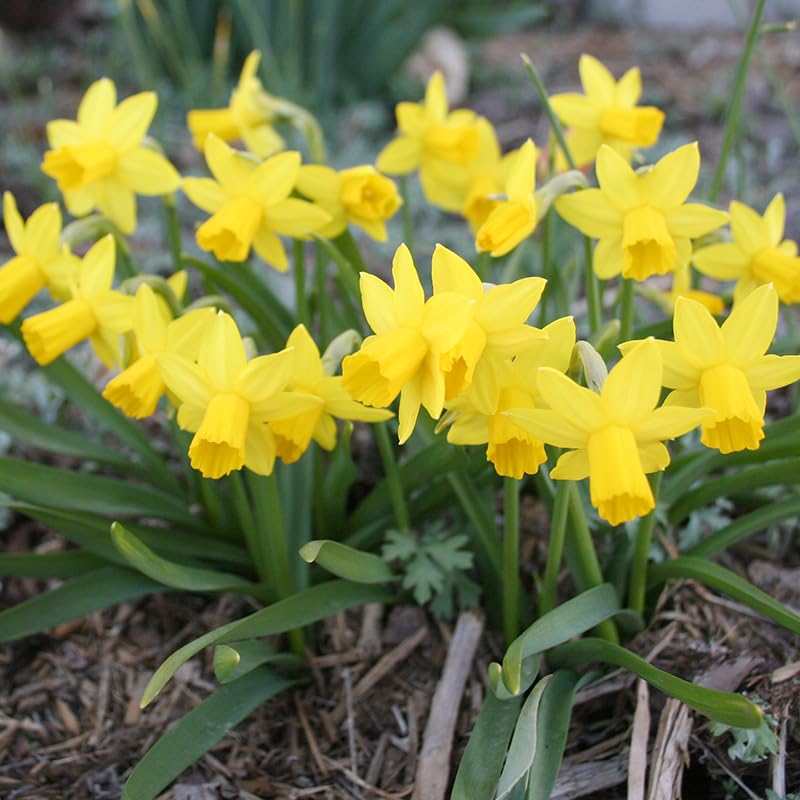
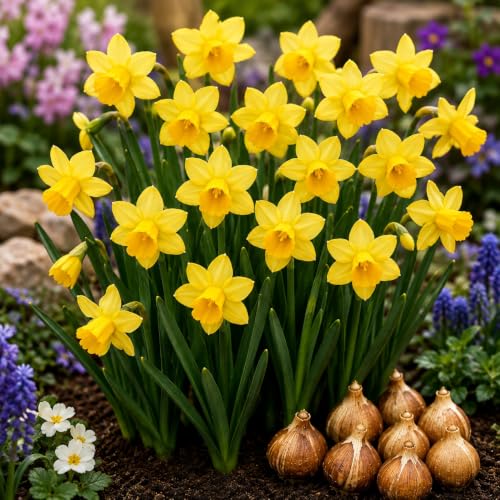

Bulbs 101: The Basics
A bulb is a storage organ. Inside its layers or scales sits a tiny flower bud surrounded by food the plant made the previous season. When cool soil, moisture, and then spring warmth arrive in the right order, the bud pushes up using that stored food. That is why a bulb can flower in a window box with almost no feeding in its first season.
A few terms will help you shop. Hardy bulbs, such as daffodils and crocuses, survive winter cold and need a chill period to bloom. Tender bulbs, such as caladiums and tuberous begonias, dislike cold and are planted after frost for summer color. Bulb size or grade tells you how much food is stored: bigger bulbs of the same type give bigger, more reliable flowers. Bloom time labels, early, mid, or late, tell you when to expect flowers.
Key Specs Explained in Plain English
Features That Matter for Window Boxes
A window box is usually only about 6 to 8 inches deep, and that single fact rules out many bulbs. You need types whose planting depth fits: small bulbs such as crocus, snowdrop, and grape hyacinth need about 3 inches of soil above them, while standard tulips and daffodils need about 5 to 6 inches. Compact varieties bred for containers solve this neatly. Also favor short to mid height flowers, since tall stems in a high box lean, flop, and dry out fast in wind.
Intended Use and Who It Is For
Decide what your box is for before you shop. A spring display box pairs early crocuses with later miniature daffodils for about six weeks of color. A summer box uses tender bulbs and tubers for shade or sun, depending on the window direction. A four season cook may use a spring bulb layer under summer annuals. First time buyers with one sunny window should start with a spring box, because hardy bulbs are the most forgiving and need the least day to day attention.
Safety and Certifications
Treat bulbs as plant material, not food. Daffodil bulbs look like onions and are toxic when eaten, so store them away from the kitchen and out of reach of children and pets, and label every bag. Wear gloves if your skin is sensitive, because hyacinth bulbs can itch. When you buy soil and compost for the box, look for recognized organic listing such as OMRI if you plant herbs in the same window. Keep loose bulbs off counters where food is prepared.
Price vs Value
Bulb prices are mostly about grade and rarity. Small standard bulbs often cost under $1 each in a bag of 20 or more, which makes a full box possible for around $15 to $30. Top grade or unusual varieties can run around $2 to $4 each. For a window box, value comes from density: a box planted closely looks rich even with common bulbs. Spend first on enough bulbs to fill the box, then on larger grades for the few bulbs placed at the front where flowers show most.
Warranty and Customer Support
Bulbs rarely carry a true warranty, but good sellers state a clear policy for bulbs that arrive moldy, shriveled, or mislabeled, and many will replace stock that fails to sprout when planted correctly and reported in season. Read the policy before you order in bulk. Keep your order details and a photo of any damaged bulbs on arrival, since support teams usually ask for one. A seller who ships at the correct planting time for your zone is itself a sign of good support.
Ease of Use and Setup
Bulbs are among the easiest plants to set up, and window boxes make them easier because you plant at a comfortable height. You need potting mix, a trowel, and a watering can. The routine is simple: fill, place, cover, water. Pre chilled bulbs are the easiest option in warm zones because the seller has already given them their cold period. If a listing offers a planting guide with depths for each type in the bag, that is a genuine help for a first timer.
Rookie Mistakes to Avoid
- Planting too shallow. A bulb set near the surface flops and may fail to bloom. Follow the depth on the label, measured from the base of the bulb.
- Buying one small bag for a big box. Sparse planting is the top reason first boxes look disappointing. Plant bulbs close, almost shoulder to shoulder, in a box.
- Forgetting drainage. A box without holes holds water against the bulbs and rots them. Check the holes before you fill the box, not after.
- Cutting leaves off after bloom. Leaves rebuild the bulb for next year. Leave them until they yellow, and hide them with summer plants instead.
- Planting tender bulbs too early. Summer bulbs planted into cold soil sit and rot. Wait until nights stay mild in your area.
Getting Started: Setup and First Use
Start by reading any planting notes that came with your bulbs before you open the soil bag, because depths differ by type. Set the empty box in place and confirm it is level and firmly fixed, since a planted and watered box is heavy. Fill it with fresh potting mix to about 1 inch below the rim, then arrange the bulbs on the surface before you commit, pointed end up, so spacing is even.
Cover the bulbs with mix, water slowly until water runs from the drainage holes, and top up any spots that settle. In fall planted boxes, place the box where it will stay cold but sheltered for winter. Check moisture every week or two: the mix should stay lightly damp, never soggy and never bone dry. When shoots appear, move the box into its sunniest spot if it is not there already.
Choosing the container itself matters too. Our guide to the best window box planters explains sizes and mounting, and the best material for window boxes compares wood, metal, and plastic for heat and moisture. Timing help is in our guide to the best time to plant window boxes. If you later mix methods, the best seeds for window boxes pairs well with a bulb base layer, and trailing plants from the best vines for window boxes can soften the box edge in summer.
Frequently Asked Questions
What features matter most in bulbs for window boxes?
Planting depth and mature height matter most, because a box offers little soil and sits in wind. Pick bulbs that need no more depth than your box can give, with soil both below and above the bulb, and choose compact types under about 12 inches tall. After that, match bloom time to the season you want color, and confirm the bulb suits your winter cold if it will stay outside.
How much should I spend on bulbs for a window box?
Most first boxes cost around $15 to $40 in bulbs, depending on box length and bulb size. A 24 inch box needs roughly 15 to 25 small bulbs or 10 to 15 standard bulbs planted closely. Common types in larger bags give the fullest look per dollar. Save premium varieties for a few front row bulbs rather than filling the whole box with them.
Are expensive bulbs worth it?
Expensive bulbs are worth it when the extra money buys a larger grade or a form you cannot get in standard bags, such as double flowers for a box you see up close every day. They are not worth it when the same type and grade sell for less in a plain bag. In a window box, planting density changes the display more than rarity does, so buy enough bulbs first.
How long does a bulb last?
A hardy bulb can last for years, flowering each spring as long as its leaves are left to feed it and the box does not freeze and thaw wildly. Daffodils and crocuses are the longest lived in boxes. Tulips often give their best show in year one and fade after that. Tender summer bulbs last season after season if you lift them before frost and store them cool and dry indoors.
How do I maintain bulbs in a window box?
Water when the top inch of mix feels dry, feed lightly with a balanced plant food when shoots emerge, and remove spent flowers while keeping the leaves. After foliage yellows, you can lift and store the bulbs or leave hardy types in place and plant summer flowers above them. Refresh the top layer of mix each year, and fully replace it every two or three years to keep drainage sharp.
The Bottom Line
Match bulb depth to your shallow box, plant closely for a full display, and protect the planted box from wild winter swings. The product table above lists current options to compare by type, grade, and count. Chosen with those three checks in mind, the best bulbs for window boxes turn a first planting project into weeks of color with very little daily work, and they teach you the basics you will use in every planter after this one.