Best Bulbs for Planters of 2026: Complete Buying Guide
Disclosure: We may earn a commission when you buy through links on this page, at no extra cost to you. As an Amazon Associate I earn from qualifying purchases. Learn more

Learn how to choose the best bulbs for planters with guidance on bulb size, chill needs, planting depth, spacing, drainage, and seasonal care.
Planters give you flowers where a garden bed cannot go, on a patio, a balcony, a porch step, or beside a front door. The challenge is that a container holds far less soil than the ground, so it heats up, cools down, and dries out much faster. Choosing the best bulbs for planters means matching each bulb to that smaller, more changeable space.
This guide walks you through bulb size and grade, chill needs, planting depth, and spacing, plus how to layer bulbs for a longer show. Use the comparison table below to compare pack sizes and bulb types side by side, then read on for the details that decide whether your display thrives or fades early.
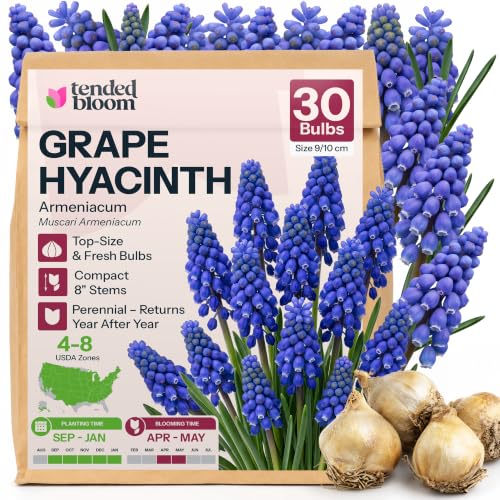
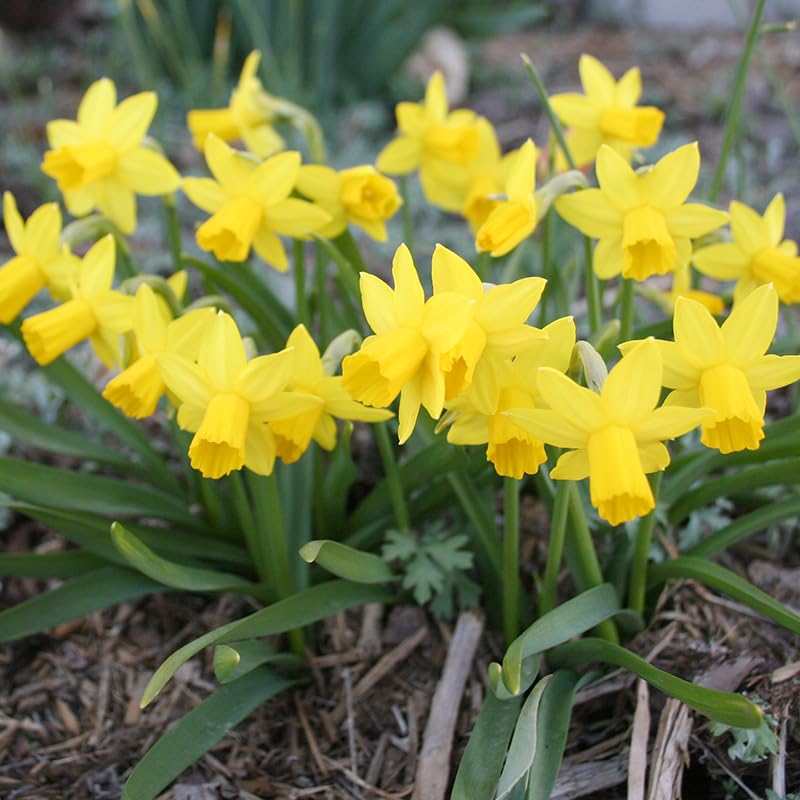
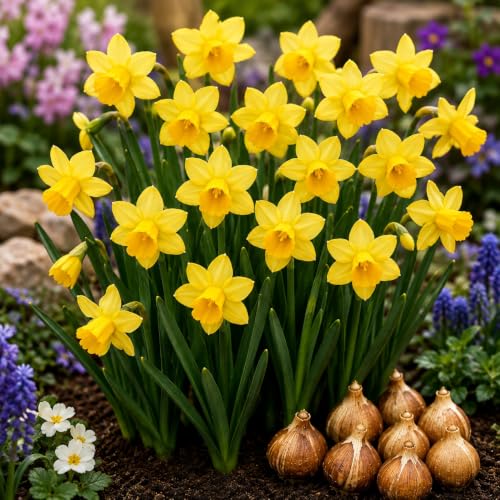


Three Approaches at a Glance
Instead of chasing a single winner, it helps to think in three broad approaches. Each one suits a different budget, space, and level of patience, and each can fill a planter beautifully when the planting is done well.
Best Overall
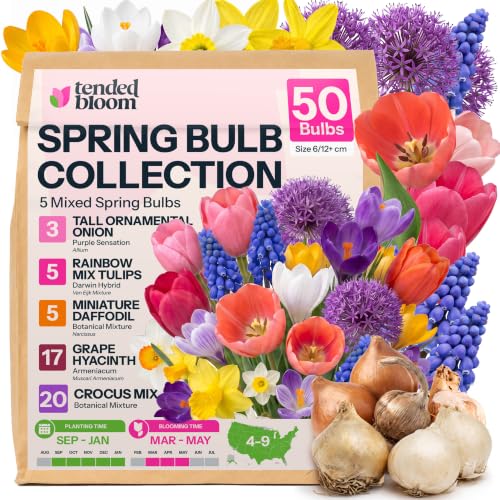
A balanced mixed collection of spring bulbs is the most forgiving place to start. Combine a mid season tulip type, a daffodil type, and a smaller accent bulb such as grape hyacinth in one large planter. The mix spreads bloom over several weeks, so one cold snap or one rainy week does not end the whole display. Expect to pay around $20 to $40 for a generous mixed bag. The main limit is that mixed bags rarely let you control exact colors, so choose a stated color theme if your scheme matters.
Best Value
Value comes from buying larger counts of one or two reliable bulb types rather than many small packs. Daffodils and crocuses are usually inexpensive, return for several years, and resist most garden pests. A bag of 25 to 50 bulbs often costs around $15 to $30 and can fill three or four medium planters. Spacing them a little wider in the container stretches the bag further without hurting the display much. The trade off is a shorter list of colors and flower shapes than a curated mix provides.
Best Premium Pick
Premium spending buys top size bulbs, meaning the largest grade in the crop, and larger grades store more energy for bigger flowers and stronger stems. It also buys rarer forms, such as double flowers, fringed petals, or unusual colors that standard mixes leave out. Plan on around $30 to $60 for a modest count. Premium bulbs reward good care, so pair them with fresh potting mix and steady watering. In a small planter that sits at eye level, the difference in flower size is easy to see and often worth the extra cost.
How to Choose Bulbs for Planters: Buying Guide
Features That Matter for Planters
Container bulbs need three things ground planted bulbs can take for granted: enough soil depth, steady moisture, and protection from sharp temperature swings. Look at the mature height on the label and favor compact or mid height types for shallow planters, since tall stems flop in wind and dry soil. Check the stated bloom time so you can combine early, mid, and late types. Also check hardiness against your zone, because a bulb that survives winter in the ground may freeze solid in an exposed pot.
Pack information matters more than marketing words. A good listing states the bulb size or circumference, the count per bag, the planting depth, and the recommended spacing. Compare the cost per bulb before you decide.
Match the Product to Your Garden Size and Layout
Start by measuring your planters, not by counting your wishes. A planter about 12 inches wide comfortably holds about 7 to 10 tulip bulbs or 12 to 15 crocus bulbs, because bulbs in containers can sit closer than in beds as long as they do not touch. One large planter with a dense planting almost always looks better than three small planters with thin, scattered planting. Group bulbs in odd numbered clusters for a natural look.
Layout also decides sun and shelter. Most spring bulbs want at least six hours of sun once leaves emerge, and a planter on wheels or in a light material can move to follow that sun. Keep heavy planters where they will stay all season, near a water source, because a fully planted and watered large container is surprisingly heavy. If your space is a windy balcony, favor shorter types and deeper planters that anchor well.
Bulb Quality and Grade
A healthy bulb feels firm and heavy for its size, with a dry papery skin and no soft spots, mold, or sour smell. Squeeze gently before planting and set aside anything that gives way, since rot spreads quickly in the close quarters of a planter. Larger grades of the same type flower more reliably in the first year. Smaller grades may need a season of leaf growth before they bloom well, which is fine in a bed but disappointing in a display pot.
For summer bulbs such as lilies, look for plump pieces with visible growth eyes and no shriveling. Buy from sellers who store stock cool and dry and ship at the right planting time for your zone.
Ease of Use and Storage
Unplanted bulbs need a cool, dark, airy place, around 50 to 60 degrees, until planting day. A mesh bag or an open paper bag works well because air flow prevents mold. Label each bag with the type, color, and planter it belongs to, since bare bulbs of different types look confusingly alike in fall. Keep bulbs away from ripening fruit, which gives off gas that can damage the embryo inside the bulb.
Planting is easier with a simple routine. Set bulbs at the right depth with the pointed end up, cover, and water once to settle the mix. For layered planting, place the largest and latest bulbs deepest, then plant earlier, smaller bulbs above them.
Safety for People, Pets, and Water
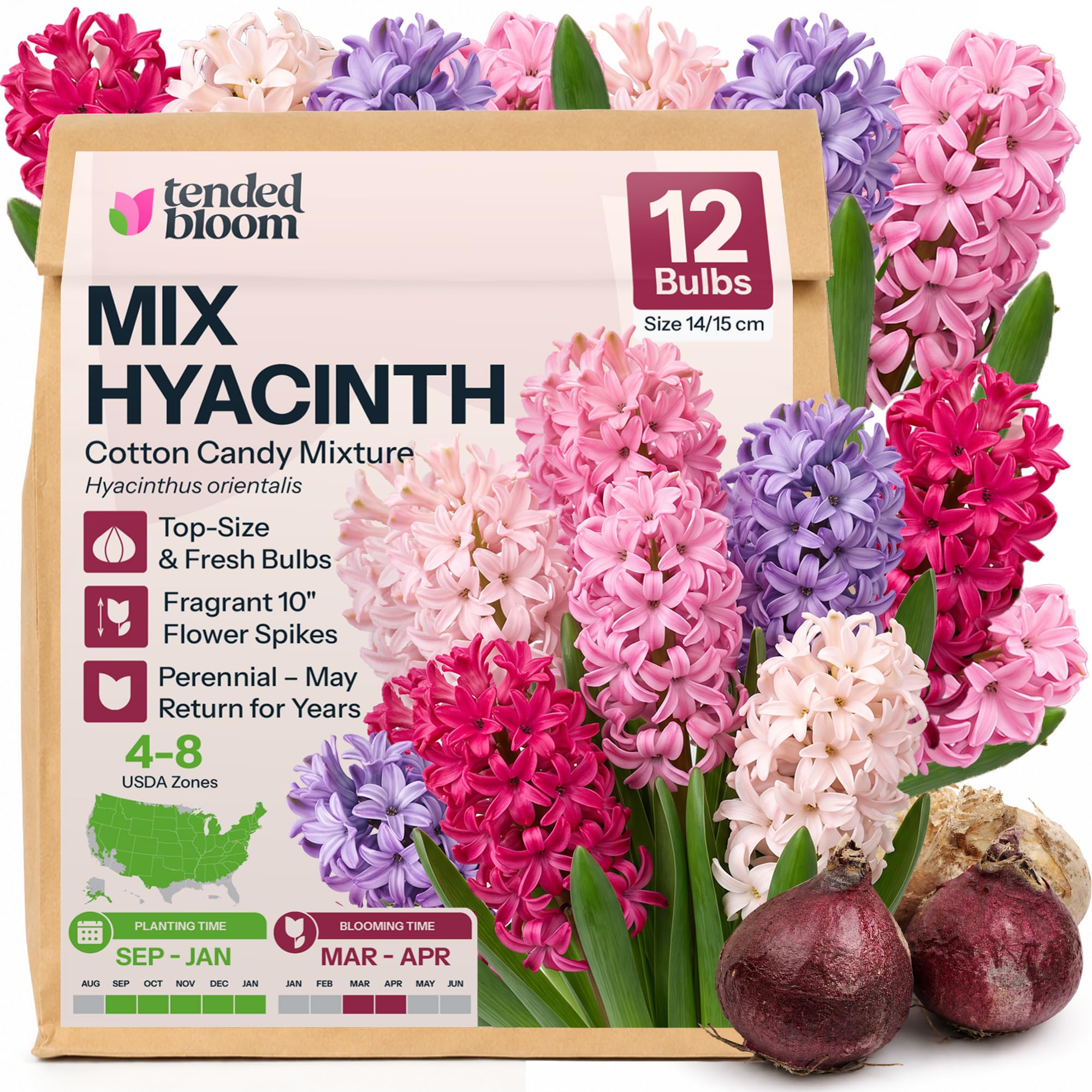
Many common bulbs, including daffodils, hyacinths, and tulips, are toxic when eaten, and daffodil bulbs are the most common cause of accidental poisoning because they resemble onions. Store bulbs where children and pets cannot reach them, and never store them near food bulbs in a kitchen. Wear gloves when handling large numbers, since hyacinth bulbs in particular can irritate skin. Wash your hands after planting.
Choose potting mix and compost from reputable sources, and look for organic options with recognized listing such as OMRI when you grow edibles nearby. Keep fertilizer and bulb food labeled and sealed. When you water planters on a deck above a garden or a water feature, moderate fertilizer use protects runoff quality. Healthy soil biology in the planter also reduces the need for chemical fixes later.
Durability and Weather Resistance
Winter is the main threat to bulbs in planters. Soil in a pot can freeze and thaw repeatedly, and that cycle damages bulbs more than steady cold does. In cold zones, move planters against a sheltered wall, cluster them together, or set them in an unheated garage once the soil has chilled. Spring bulbs need a cold period of roughly 10 to 16 weeks, depending on type, so do not bring them into a warm room.
Tender summer bulbs such as dahlias and cannas must be lifted in fall in cold zones and stored in a cool room. Whatever the season, drainage holes are essential, since a bulb sitting in standing water will rot in any climate.
Types of Bulbs
Standard Options
Standard spring bulbs include tulips, daffodils, hyacinths, and crocuses sold in common grades at garden centers each fall. They are affordable, widely available, and well documented, so planting advice is easy to find. Daffodils and crocuses return for years in planters with basic care. Tulips often flower best in their first year and may fade after that in containers, so many gardeners treat planter tulips as a one season display and replant fresh bulbs each fall.
Organic and Eco Friendly Options
Organically grown bulbs come from fields managed without synthetic sprays, and they suit gardeners who plant near herbs, pollinator flowers, or play areas. They cost more and the range of colors is smaller, but quality is comparable when the grade is the same. Pair them with peat free potting mix and compost for a fully low input planter. If you want flowers that support early bees, choose single flowered types, since very double forms offer bees little accessible nectar or pollen.
Compact Options for Small Planters
Small bulbs such as crocus, snowdrop, grape hyacinth, and miniature daffodils fit shallow window planters and small pots where large bulbs would crowd. They need only about 3 to 4 inches of soil above them, multiply gently over time, and flower early when little else is in bloom. Their short stems resist wind on balconies. The limit is scale: in a very large planter, small flowers can look lost unless you plant them in generous drifts of 15 or more.
Premium and Large Flowering Options
Premium options include top grade lilies, large alliums, and specialty tulips with double, fringed, or parrot forms. These bulbs make a statement in an entryway planter and hold up well as cut flowers if you plant extra. They need deeper planters, richer mix, and more consistent watering than standard types. Because each bulb costs more, protect the investment: plant at the full recommended depth, feed lightly in spring, and let the foliage die back naturally so the bulb rebuilds strength.
Tips to Get the Most From Your Bulbs
- Water in the morning. Watering early lets foliage dry during the day, which lowers disease pressure, and it fills the planter before afternoon heat pulls moisture away.
- Refresh the mix each season. Tip out old potting mix, add fresh mix with a handful of compost, and check that drainage holes are clear before you plant a new round of bulbs.
- Test soil pH every couple of years. Most bulbs grow well in mix that is slightly acidic to neutral, and a simple home test tells you whether lime or sulfur is worth adding.
- Feed at the right moment. A balanced bulb food worked into the surface when shoots first appear supports flowers; feeding after bloom mainly helps the leaves rebuild the bulb.
- Deadhead spent flowers. Snip faded blooms so the plant puts energy into the bulb instead of seed, but leave all foliage until it yellows on its own.
- Rotate planters into sun. Turning a planter a quarter turn each week keeps stems growing upright instead of leaning hard toward the light.
Planter choice shapes results as much as bulb choice does. If you are also shopping for containers, our guide to the best looking planters covers materials and shapes that suit bulb displays. For shallow rooted companions, see the best planters for succulents, and for long lived partners that share a pot with bulbs, read about the best perennials for planters. Bulbs can even sit beneath other feature plants, a trick explained alongside the best planters for orchids for layered indoor displays.
Frequently Asked Questions
What features matter most in bulbs for planters?
Bulb grade, mature height, and chill needs matter most. A large, firm bulb of a compact type will outperform a small bulb of a tall type in almost any container. Check that your planter gives the bulb its full planting depth plus room below for roots, and confirm the bulb suits your winter temperatures before you buy in quantity.
How much do I need for my garden?
Count planters first, then work backward. A 12 inch planter needs about 7 to 10 large bulbs or 15 to 20 small bulbs for a full look. Buy about ten percent extra to replace any bulbs that feel soft at planting time. One focused bag for each planter looks better than spreading a small bag thinly across every container you own.
Is organic worth it?
Organic bulbs are worth it when planters sit near edibles, pets, or heavy pollinator activity, and when you prefer low input gardening. Flower quality depends more on bulb grade and freshness than on growing method, so an organic bulb of a small grade will not beat a standard top grade bulb. Spend on grade first, then on organic production if the budget allows both.
What is the difference between garden soil and potting mix?
Garden soil is dug earth, and in a planter it compacts, drains poorly, and can carry weed seed and disease. Potting mix is a blended, mostly soilless medium built to hold air and water in balance inside a container. Always fill planters with potting mix, never with soil dug from a bed. You can refresh used mix with compost, but start bulbs in fresh mix for the healthiest result.
How long do bulbs last in planters?
Most hardy bulbs last several years in a planter if you let the foliage die back, feed lightly in spring, and protect the pot from repeated freezing and thawing. Daffodils and crocuses often persist the longest. Tulips commonly decline after one or two seasons in containers. Tender summer bulbs last indefinitely in warm zones, or year to year in cold zones when you lift and store them each fall.
Our Verdict
Choose firm, large grade bulbs, match them to your planter depth and your winter cold, and plant densely enough for a full display. The product table above shows current pack options worth comparing on count, grade, and price per bulb. For most patios, the best bulbs for planters are the ones whose bloom time, height, and chill needs fit your space, planted fresh each fall in clean mix with sharp drainage.