Best Bulb Planters: Types, Features, and Buying Guide for 2026
Disclosure: We may earn a commission when you buy through links on this page, at no extra cost to you. As an Amazon Associate I earn from qualifying purchases. Learn more

Depth marks, blade strength, handle comfort, and bed size decide which best bulb planters suit your garden.
Planting a few dozen daffodils with a trowel is fine, but planting a few hundred is a sore-back chore. A bulb planter is a hand tool that removes a neat plug of soil at the right depth, so each bulb goes in fast and evenly. The best bulb planters have a depth you can read, a comfortable handle, a blade that cuts through real garden soil, and a build that survives many seasons.
This guide compares the main tool types, explains the features that matter, and helps you match a planter to your soil, your bed size, and your back. Use the product table for current options and the sections below to narrow them down.




How a Bulb Planter Works
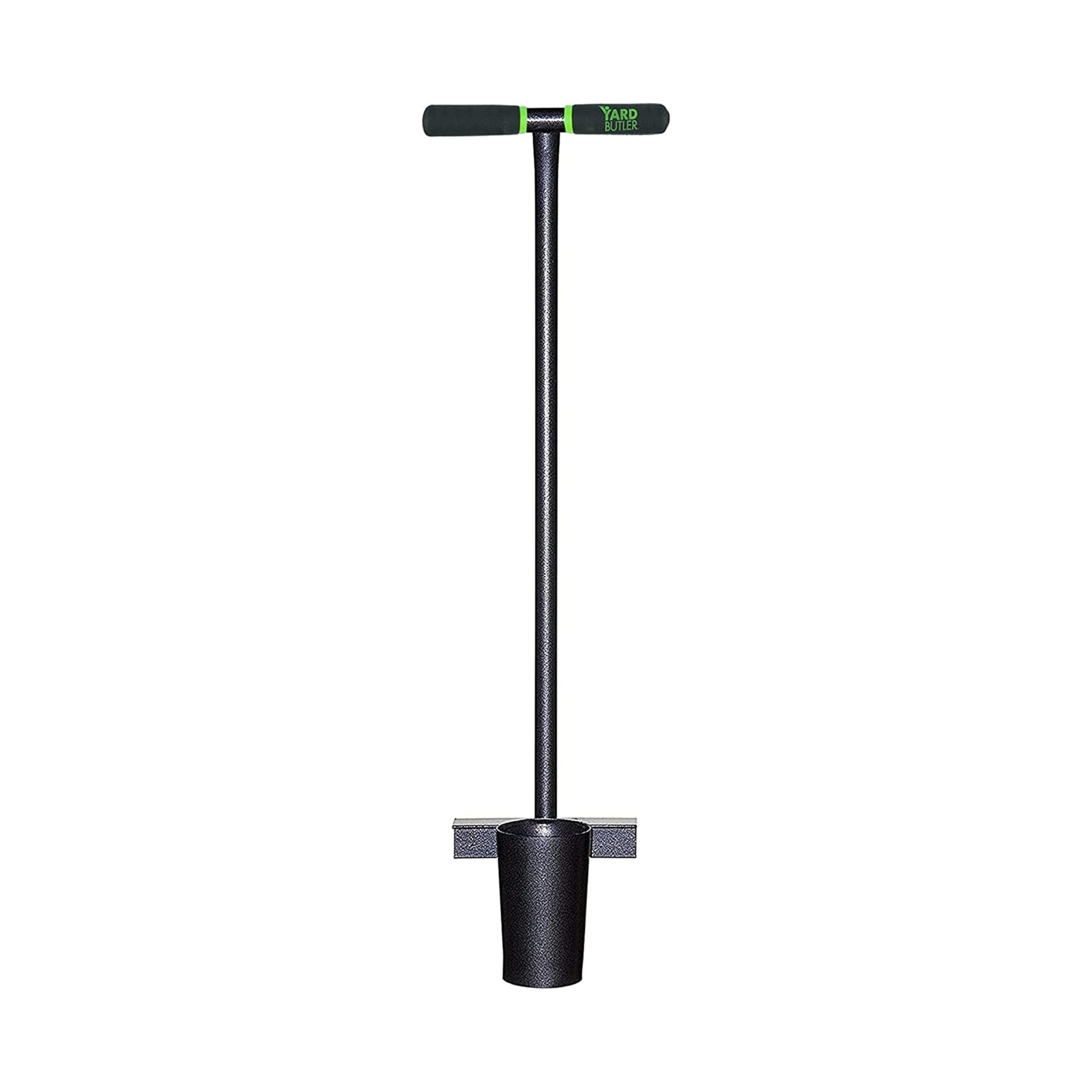
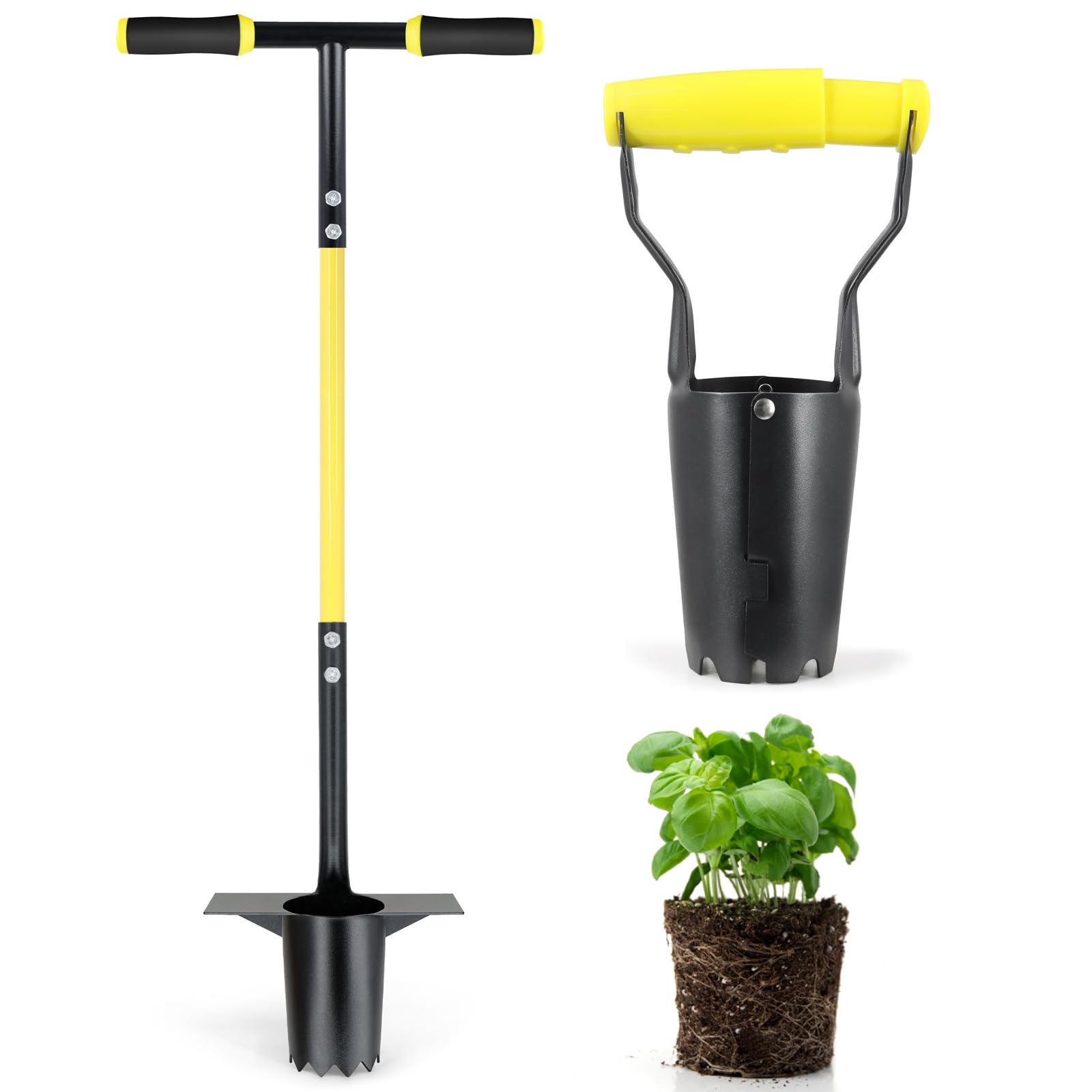
Most bulb planters are a hollow cylinder or a tapered cone on a handle. You push it into the ground, twist, pull out a plug of soil, drop a bulb into the hole, and return the soil. Because the hole has a set width and depth, bulbs end up at consistent heights, which helps them flower together. A planter also leaves less disturbance than a wide trench, which protects nearby roots.
Planting depth matters: most bulbs go in about two to three times their height, so a large tulip or daffodil needs roughly 6 to 8 inches of soil above the base, while small crocuses need about 3 to 4 inches. A planter with depth marks lets you hit the right number without a ruler.
Who Should Buy Which Type
Small Beds and Containers
A short hand planter gives precise control in tight spaces, around existing perennials, and in deep pots. It is also easy to store. The trade-off is that you bend or kneel for every hole.
Large Borders and Naturalized Drifts
If you plant hundreds of bulbs, choose a long-handled step-on planter. It lets you stand, press with your foot, and twist, which saves your back and knees.
Big Jobs and Hard Soil
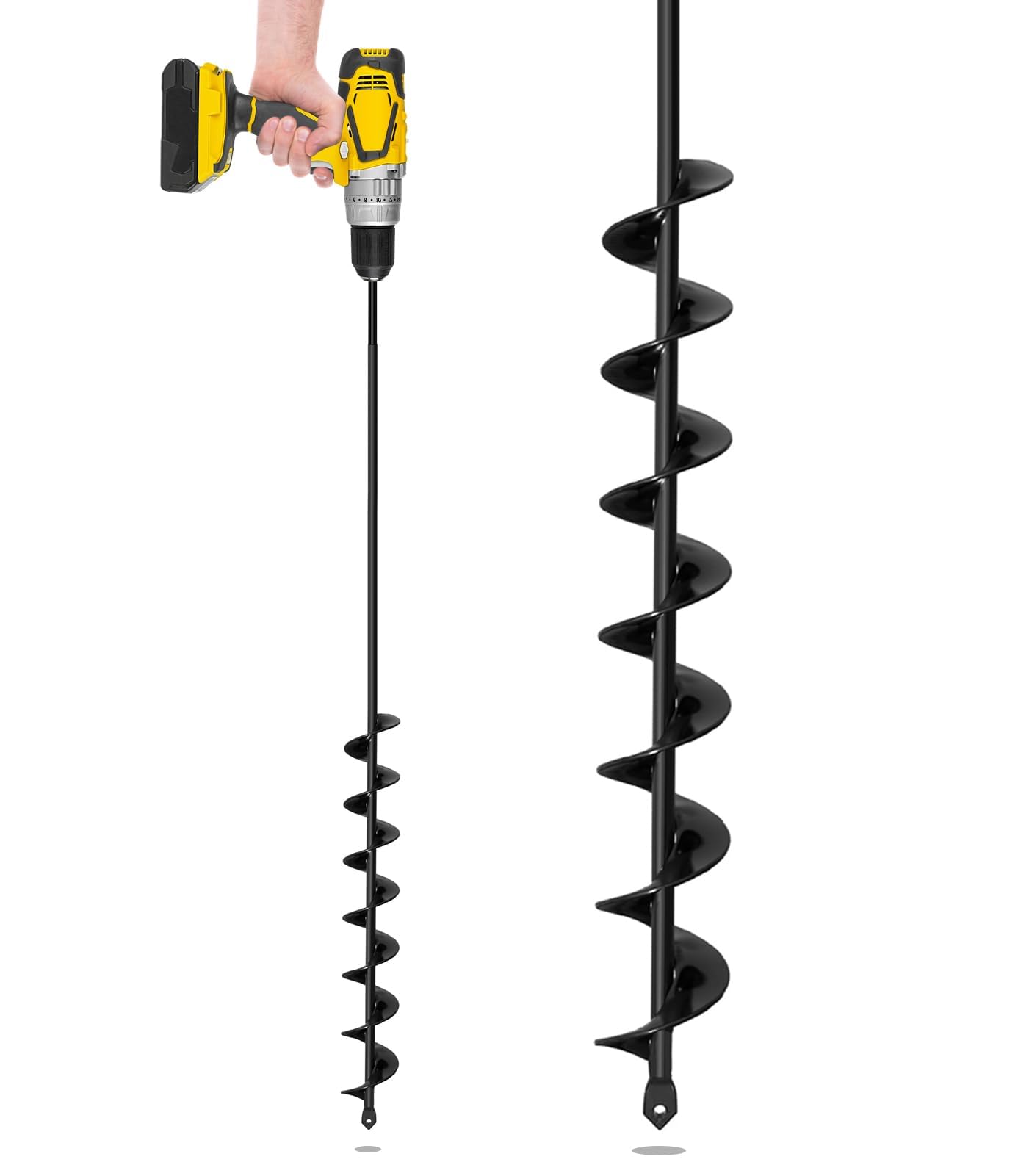
An auger bit that fits a power drill makes holes in seconds. It suits loose or medium soil and large plantings, but it needs a drill, and it can struggle in rocky or heavily compacted ground.
Gardeners With Limited Strength or Mobility
Lightweight tools with ergonomic or padded handles, a step plate, and a long shaft reduce strain. Look for a clear depth scale so you do not have to dig twice.
Key Features to Compare
Depth Marks and Control
Engraved or stamped depth markings in inches show how deep you have gone. Adjustable-depth designs are handy when you plant several bulb types in one session.
Blade Strength and Material
Stainless steel resists rust and keeps its edge, while carbon steel is strong but needs drying and oiling. Thick, welded construction outlasts thin stamped metal that bends in stony soil.
Handle Comfort
A wide D-shaped or T-shaped handle spreads pressure across your palm and allows a twisting motion. Padded or textured grips help with wet gloves. For step-on tools, a wide foot plate prevents painful pressure on your arch.
Soil Release
Some planters have a release lever or a hinged side that drops the plug cleanly. In sticky clay, a polished surface or a spring-loaded ejector keeps you from scraping out soil with your fingers.
Width and Bulb Size
A planter about 2 to 3 inches wide works for tulips, daffodils, and lilies, while smaller hand tools suit crocus and snowdrop. Check that the cylinder is wide enough for the bulbs you plant.
Hand, Long-Handled, or Auger
| Type | Best for | Watch for |
|---|---|---|
| Hand planter | Small beds, containers, precise spots | Bending and kneeling, slower on big jobs |
| Long-handled planter | Large beds and drifts | Heavier, harder to store |
| Auger bit for a drill | Many bulbs in loose soil | Needs a drill, struggles in rocky soil |
No single type wins for everyone. A small garden often needs only a hand planter, while a large yard or a plan to naturalize hundreds of bulbs justifies a long-handled tool or an auger.
Price and Value
Basic hand planters cost about $10 to $20, sturdy long-handled models about $25 to $50, and auger bits about $10 to $25 plus a drill you may already own. Spending a little more usually buys thicker steel, a better handle, and clear depth marks. A planter that lasts ten seasons is cheaper than three that bend in the first stony bed.
Spacing and Bulb Types
The planter makes one hole per bulb, so think about spacing before you start. Large bulbs such as tulips and daffodils need roughly 4 to 6 inches between holes, while small bulbs such as crocus and grape hyacinth can sit 2 to 3 inches apart. For a natural drift, toss the bulbs gently onto the bed and plant each one where it lands. In containers and tight borders, a narrower hand planter lets you place bulbs between existing roots without cutting them.
Planting Tips for Better Results
- Plant in autumn, once the soil has cooled, following the timing for your area.
- Set bulbs pointed end up and cover them with soil, firming gently.
- Mix a little bulb food or compost into the hole for stronger growth.
- Water once after planting to settle the soil.
- Plant in groups of odd numbers for a natural look rather than in straight rows.
Wear gloves when handling bulbs, because some, including daffodil and hyacinth bulbs, can irritate skin. Keep bulbs and bulb food away from children and pets, since many bulbs are toxic if eaten.
Care and Storage
Clean soil from the tool after each use, dry the metal parts, and store it indoors so edges stay sharp and handles do not crack. A light coat of oil on carbon steel prevents rust over winter. Check handle bolts and welds once a season, and sharpen the cutting edge with a file if it dulls.
Common Mistakes
- Planting every bulb at the same depth, although bulb size changes the depth that works best.
- Choosing a planter that is too narrow for large bulbs.
- Using a hand tool for hundreds of bulbs and tiring out within an hour.
- Leaving the tool wet, so it rusts before the next planting season.
Frequently Asked Questions
How deep should I plant bulbs?
As a rule of thumb, plant at two to three times the bulb's height. Large bulbs such as tulips and daffodils go in about 6 to 8 inches, while small bulbs such as crocus go in about 3 to 4 inches. Check the package for exact guidance.
Can I use a bulb planter in clay soil?
Yes, but pick a sturdy steel tool with a smooth surface, and water the bed the day before to soften the ground. A spring-loaded ejector helps release sticky plugs.
Is an auger worth it?
For large plantings in loose to medium soil, yes. For small beds or rocky ground, a manual planter is easier to control.
Do I need a long-handled planter?
If you plant more than a few dozen bulbs or have a bad back or knees, a long-handled model saves effort. For small jobs, a hand planter is enough.
How should I store a bulb planter?
Wipe it clean, dry it, and keep it indoors, away from damp. Oil carbon steel parts lightly.
Final Thoughts
Match the tool to your bed size and soil, look for clear depth marks and a comfortable handle, and choose strong steel that will not bend. Compare the options in the product table, and the best bulb planters for you will be the ones that make autumn planting quick and easy for years to come.