
Best Big and Tall Recliner: Types and Buying Tips (2026)
Disclosure: We may earn a commission when you buy through links on this page, at no extra cost to you. As an Amazon Associate I earn from qualifying purchases. Learn more

Seat depth, back height and rated capacity decide the fit. Compare manual, power and lift assist types to find the best big and tall recliner.
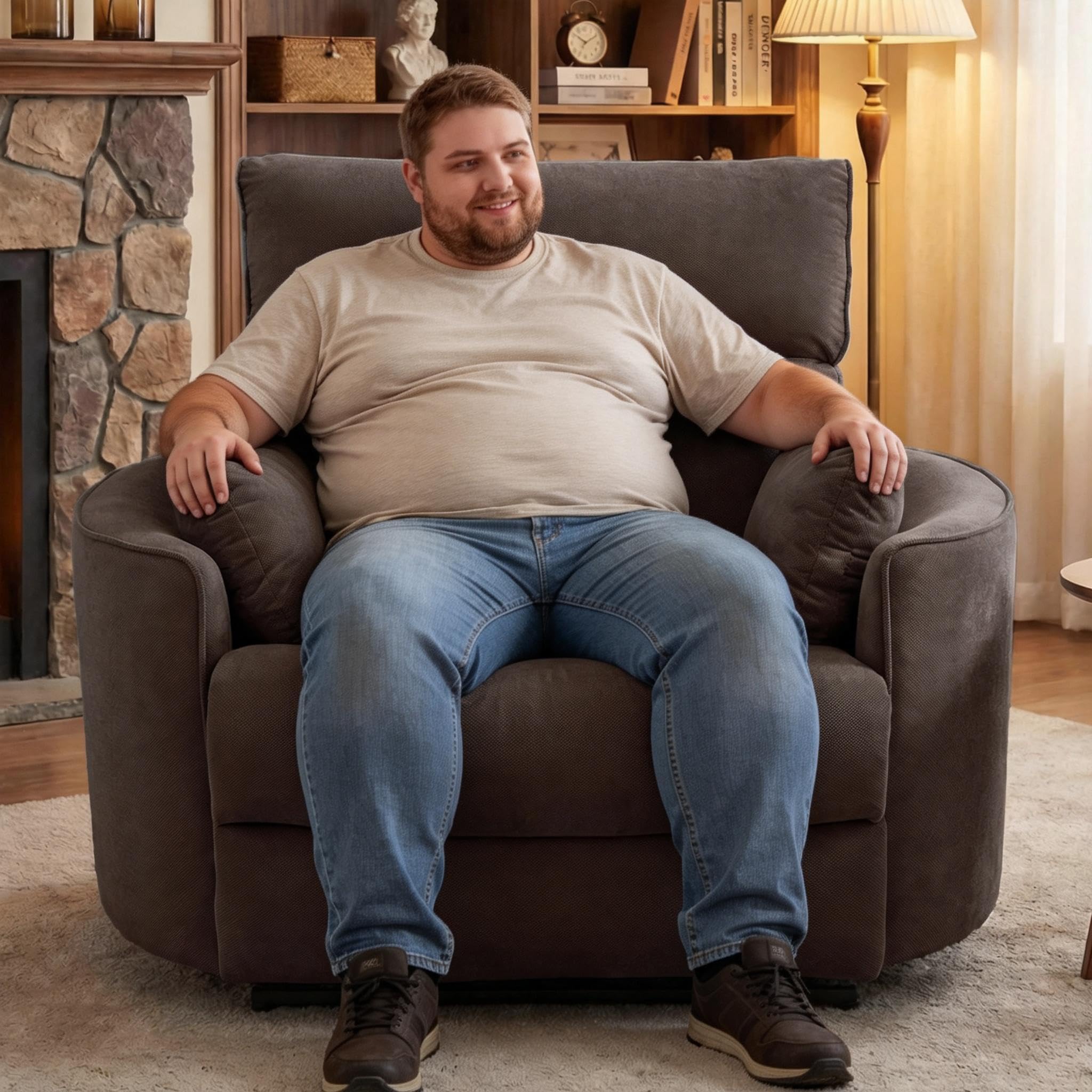
A standard recliner can feel wrong in several ways at once for a taller or larger person. Your knees bend past the edge of the footrest, your head rises above the backrest, and the seat feels narrow across the shoulders and hips. Finding the best big and tall recliner means matching seat height, seat depth, back height and rated capacity to your actual body, not just choosing the widest chair in the room. The comparison table below lines up the main types side by side so you can see those differences quickly.
This guide explains how manual, power and lift assist models differ, which measurements matter most, and which features are worth paying for. If you are also weighing standard sizes, our guide to the best recliner shows how regular models are sized, which helps you see where the larger category pulls ahead.





Types at a Glance
Big and tall recliners fall into three broad types, and each suits a different routine. Manual models use your body weight and a handle or gentle push to recline, and they still work during a power outage. Power models move at the press of a button and stop at almost any angle. Lift assist models tilt the seat forward as well as back, which helps you stand with less strain on your knees.
- Manual: simple mechanism, fewer parts, and a lower price for buyers who can recline and stand without help.
- Power: smooth and precise movement, often with separate control of the backrest and footrest.
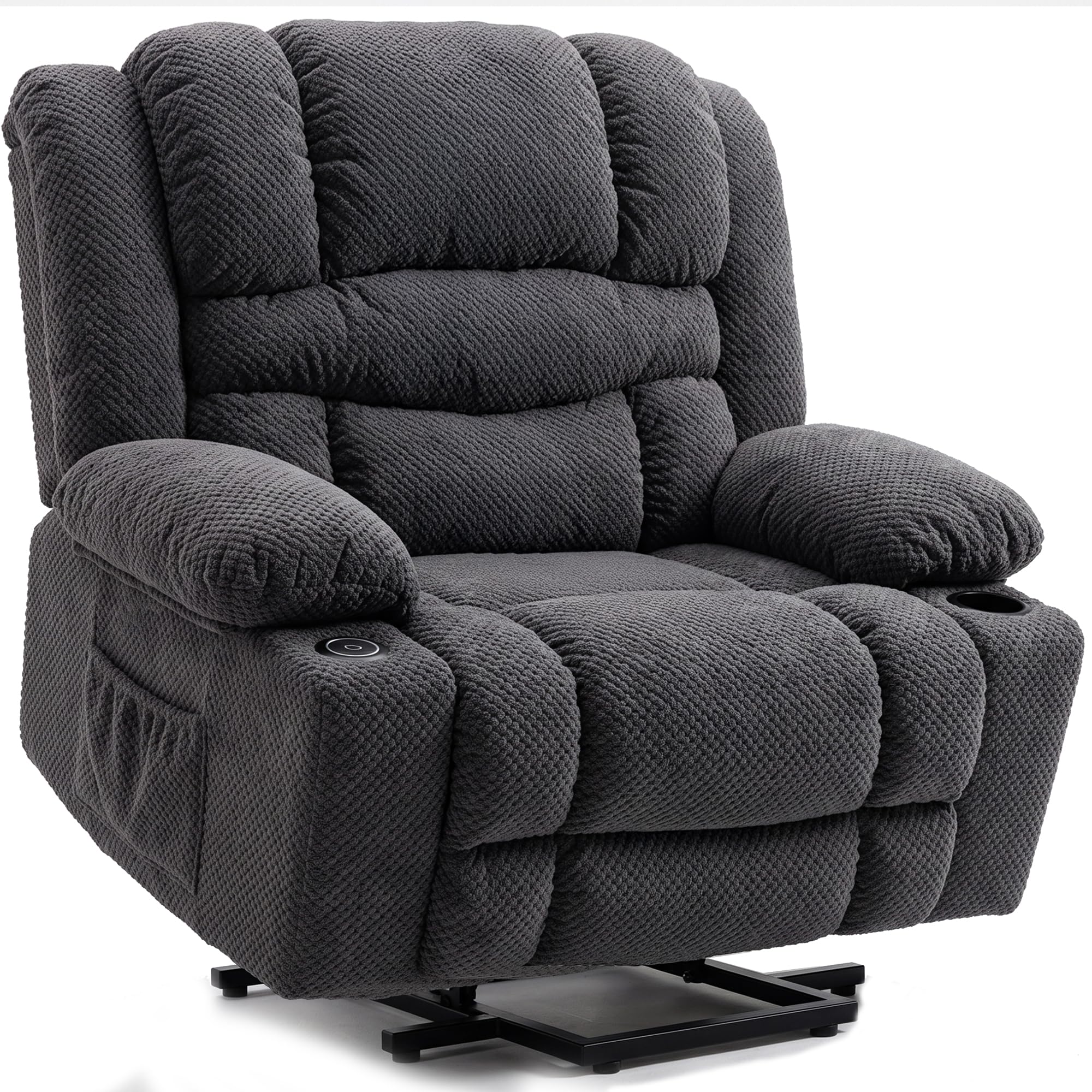
- Lift assist: a rising seat base that supports standing, paired with a taller and deeper frame.
Types Compared for Big and Tall Buyers
Manual Recliners for Straightforward Support
A manual big and tall model relies on a lever, a handle or pressure from your back to open the footrest and tilt the back. Because there is no motor, placement is flexible and you can put the chair anywhere without thinking about an outlet or a cord across the floor. The tradeoff is control. Most manual designs offer two or three set positions rather than a gradual range, and closing the footrest takes some leg strength. Choose this type if you want a tall back and a sturdy frame without paying for motors you may rarely use.
Power Recliners for Controlled Movement
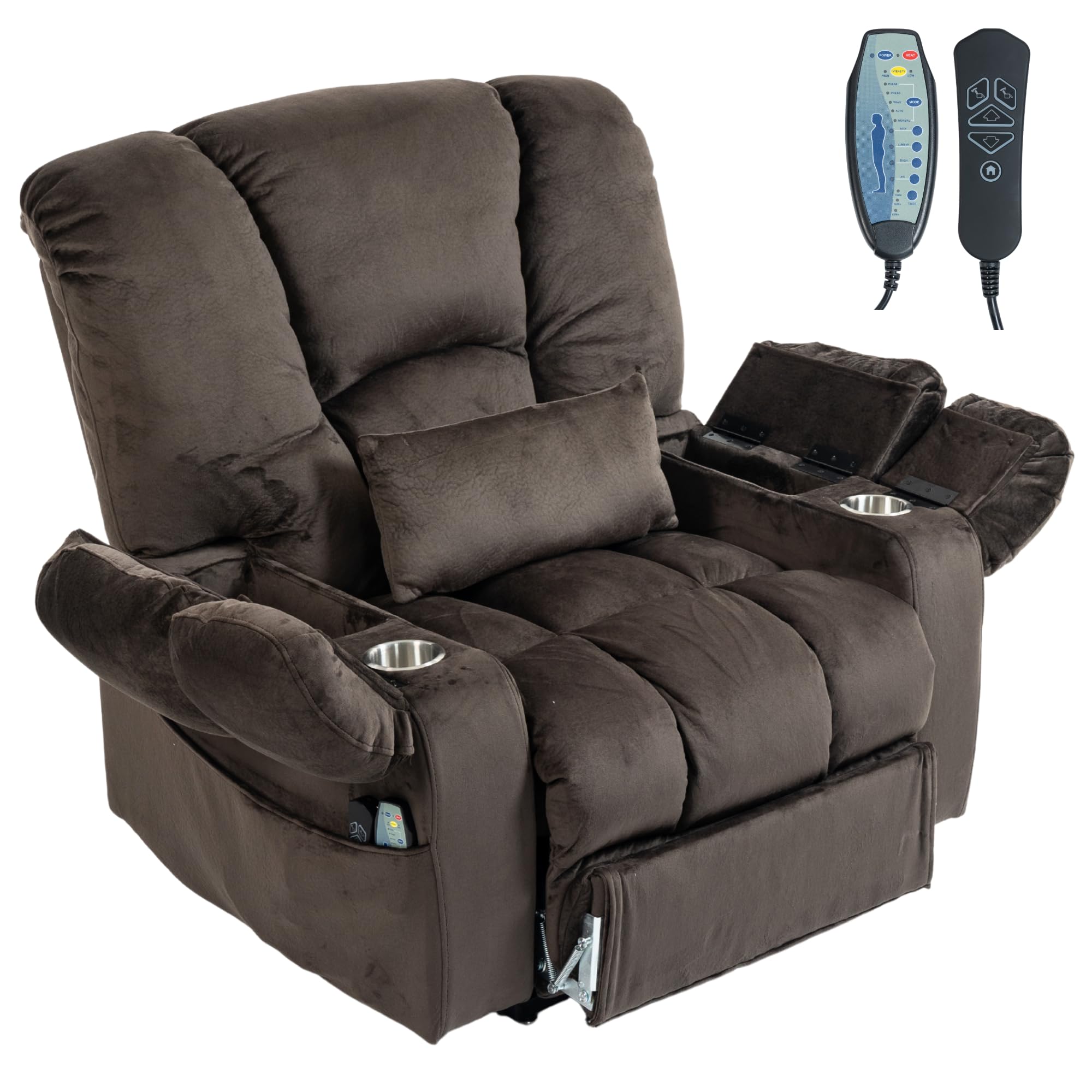
A power model uses one or two motors to move the backrest and footrest, and that control matters when a small change in angle eases pressure on your lower back or legs. Taller users often prefer dual motor designs because the footrest can rise without forcing the back to lean far back. Look for a simple hand control you can reach without twisting, a battery backup for outages, and a cord length that reaches your outlet without crossing a walkway. Power adds cost and weight, so confirm doorway widths before you order.
Lift Assist Recliners for Easier Standing
A lift assist chair does everything a power recliner does, then keeps tilting forward so the seat rises and tips slightly to guide you toward standing. For a tall person with sore knees or reduced leg strength, that rising motion can decide the purchase. Check that the lift still leaves your feet flat and stable at the top of its travel, rather than pushing you forward onto your toes. Because the mechanism carries your full weight through a wider range of motion, pay close attention to rated capacity and frame construction.
How We Chose the Criteria for This Guide
The best big and tall recliner for one household may be wrong for another, so this guide ranks criteria instead of assuming one shape fits everyone. We focused on published manufacturer dimensions and rated capacities, the range and independence of adjustment, frame and upholstery materials, and what assembly and warranty coverage actually include. We also weighed recurring themes in verified buyer feedback, such as seat cushions flattening early or footrests feeling short.
How to Choose the Right Recliner
Size and Form Factor
Start with three measurements of your own body: floor to knee height while seated, hip width, and the distance from your lower back to the back of your knee. A suitable seat height lets your feet rest flat with your knees near a right angle, and seat depth should support your thighs without pressing behind the knee. Back height needs to support your head when you lean back. If your room is tight, compare the full reclined length against your wall space, and see our guide to the best recliner for small spaces for layout ideas that leave clear walking paths.
Type
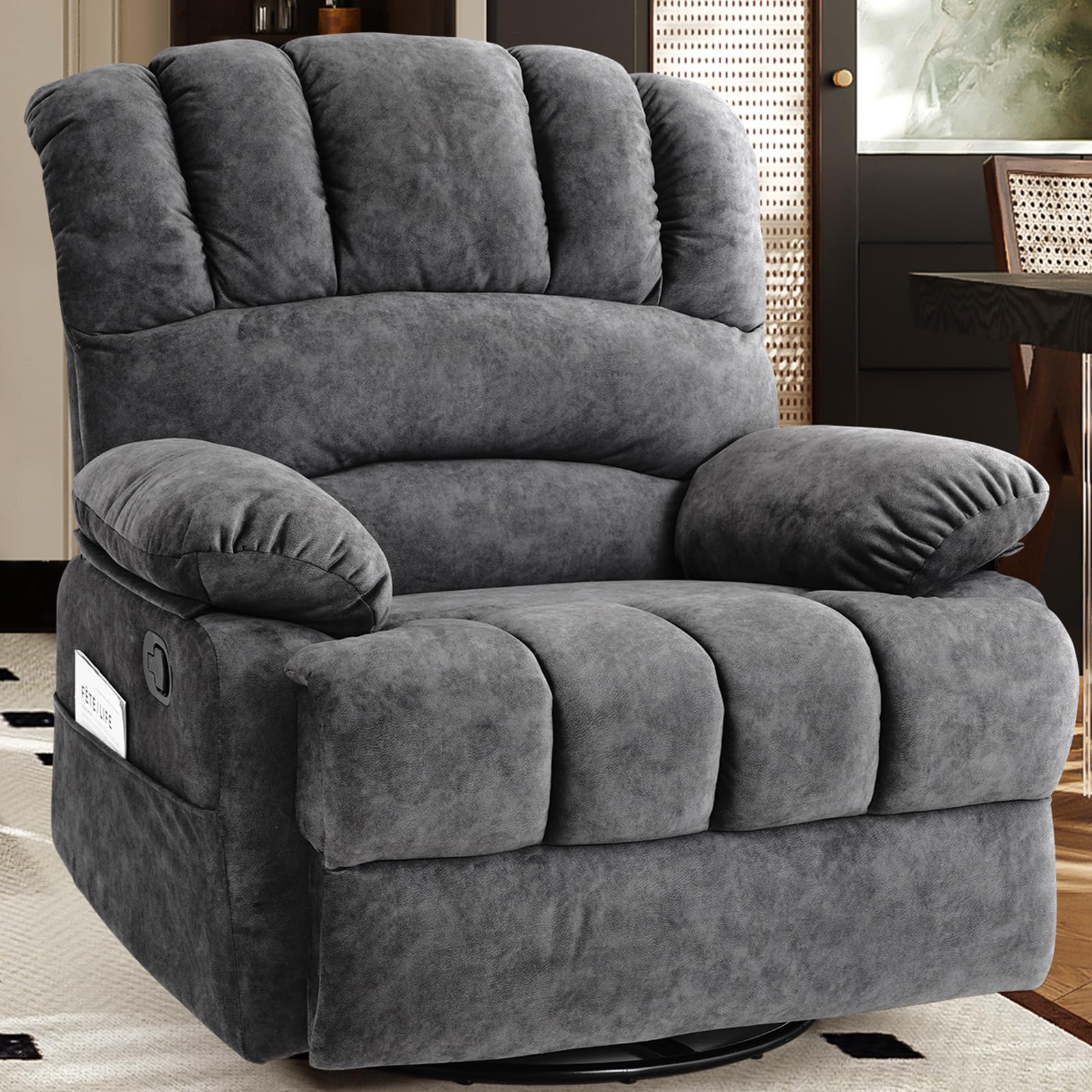
Beyond the three types above, you will see rocker, swivel and wall hugger variants in this size range. A rocker adds gentle motion but needs extra floor clearance, while a swivel base helps you turn toward conversation without dragging the chair. A wall hugger slides forward as it reclines, so it needs less space behind it, which suits smaller rooms. The core decision remains how the chair moves you, so read our explainer on power vs manual recliner before you settle on extras, and let your strength, budget and room shape rank the options.
Features Worth Paying For
Some extras solve real problems for larger users, while others mostly raise the price. A powered headrest helps tall readers and TV viewers keep neck support as the back tilts. Lumbar adjustment you can change while seated is more useful than fixed extra padding. Heat can feel soothing on a stiff back, and massage settings vary widely in strength, so treat them as a comfort bonus rather than therapy. Cup holders and USB ports add convenience, but never at the cost of a narrower seat or a lower rated capacity.
Body Size and Weight Capacity
Rated capacity is a ceiling, not a target, so leave a sensible margin between your weight and the stated limit to account for shifting, leaning and a child or pet climbing up beside you. Capacity alone does not guarantee comfort, because a chair can hold your weight yet still feel cramped across the arms or short in the leg rest. Check whether the maker states capacity for the whole chair or only for the lift mechanism on lift assist models, since those figures can differ.
Adjustability for Lumbar, Arms and Height
Good adjustability lets a chair fit your posture through a long evening rather than only in the first five minutes. Separate movement of the backrest and footrest helps you raise swollen legs without lying almost flat. Adjustable lumbar support matters if you sit with a persistent ache, and our guide to the best recliner for back pain explains positioning in more depth. Arm height also counts for taller users, because arms set too low pull your shoulders down, while arms set too high shrug them up. If back pain is severe, new or comes with numbness or weakness in a leg, talk with a clinician about your personal needs instead of relying on a chair to fix it.
Materials and Durability
A frame of solid hardwood or reinforced steel usually holds its shape longer than one built mainly from soft manufactured boards, especially under higher loads. Dense foam keeps its support better than very soft foam, which can feel plush in a showroom yet compress quickly at home. For upholstery, genuine leather breathes and ages well but costs more, fabric feels warm and grips clothing, and synthetic covers wipe clean with less fuss. Whichever cover you choose, follow the steps in our guide on how to clean a recliner so sweat and spills do not shorten the life of the padding beneath.
Assembly and Warranty
Most large recliners arrive in two or three pieces, usually a base and a back that slides onto brackets, so assembly is often tool free but still a two person job due to sheer weight. Measure your doorways, hall turns and stair width before delivery, and keep the packaging until you know the chair fits your body. For warranty, read what is covered separately for the frame, mechanism, motor and upholstery, because terms often differ by part. Note whether labor and return shipping are included.
How Much Should You Spend?
Simple manual models in this size often start at about $300 to $500, and they cover the basics of a taller back and a wider seat. Single motor power models commonly sit at about $500 to $1,000, adding smoother movement and sometimes a powered headrest. Dual motor and lift assist designs with stronger frames and better upholstery often run about $1,000 to $2,000. Spending more should buy measurable gains, such as higher capacity or independent adjustment, rather than decorative extras.
Is a Big and Tall Recliner the Right Size for You?
This size makes sense when standard chairs fail you in specific, repeatable ways. If your head tips past the top of a normal backrest, your feet hang well beyond the footrest, or your hips press hard against both arms at once, a larger frame addresses the cause rather than the symptom. People around six feet tall and above, and people with longer legs even at average height, often notice the difference first in seat depth and leg support.
It may be more than you need if a standard chair already lets your feet rest flat, supports your head and leaves a little room at each hip. A bigger chair also takes more floor space and can swamp a shorter partner who shares it. When two people of very different builds will use the same seat, favor the needs of the person who will use it daily for the longest stretches.
FAQ
What is the best big and tall recliner?
The right answer depends on which problem bothers you most, whether that is standing up, controlling your recline angle or simply fitting your frame. A useful extra check is to sit in a similar chair for a full twenty minutes, because pressure points at the hips and tailbone often appear only after the first few comfortable minutes pass. Shortlist by your measurements first, then choose the movement type.
What size recliner does a tall person need?
Beyond the seat measurements covered earlier, check the footrest length against your lower leg while wearing the shoes or thick socks you normally relax in, since footwear adds a little height and length. Also measure the chair back from the seat upward rather than trusting total chair height, because a tall base can inflate that number without giving your head any more support.
How long does a big and tall recliner last?
Lifespan depends on daily hours of use, how often the mechanism cycles and whether the weight on the seat stays well within the rating. One early warning sign is a new creak or sideways wobble in the frame, which is worth addressing before it strains the mechanism. Our article on how long does a recliner last covers replacement timing and the parts that usually wear first.
Is a big and tall recliner worth the extra cost?
For a chair you will use every evening, proper fit can be worth more than extra features, because a seat that is too small causes fidgeting and poor posture for hours each day. It is harder to justify if the chair is for occasional guests. Some retailers offer trial periods or generous returns, so check those terms and keep the packaging until you are sure the fit works at home.
How do you clean a big and tall recliner without damaging the cover?
Start by finding the cleaning code tag under the seat or on the underside of the footrest, since that code tells you whether water based cleaners, solvents or only vacuuming are safe for your cover. Test any cleaner on a hidden patch near the back base first and let it dry fully before judging the result. Work in small areas so the padding underneath never gets soaked through.
Final Thoughts
Measure your body first, decide how you want the chair to move, and only then compare upholstery and extras. Manual models keep things simple, power models give you precise control, and lift assist models help you stand with confidence. Whichever route you take, the best big and tall recliner is the one whose seat, back and footrest fit you at the end of a long day, not just in a quick showroom sit. Use the product table above to compare dimensions and capacities before ordering.


