Best Built Hot Tubs of 2026: Complete Buying Guide
Disclosure: We may earn a commission when you buy through links on this page, at no extra cost to you. As an Amazon Associate I earn from qualifying purchases. Learn more

Compare the best built hot tubs by shell strength, insulation, jets, warranty, and running costs, with clear criteria to help you choose a tub that lasts.
A hot tub lives outdoors through sun, frost, and daily water chemistry, so construction quality decides whether it serves for fifteen years or fails in five. Shell material, frame, insulation, and plumbing access matter more than jet counts on a spec sheet. This guide shows how to judge the best built hot tubs before you spend thousands. Start with the comparison table below, then work through the checks that follow.
The build criteria, price tier guidance, and safety points below apply to any model at any dealer, so your decision rests on structure and support, not on color or a showroom demo.


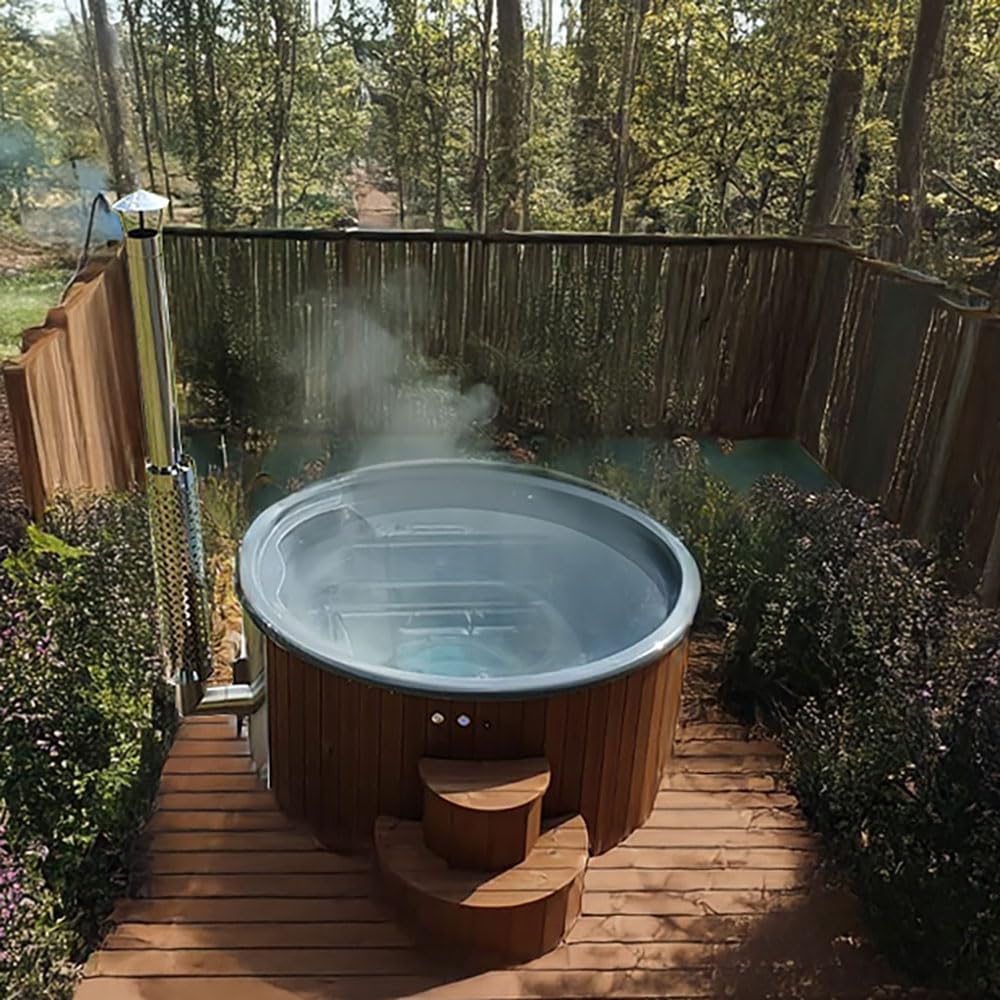
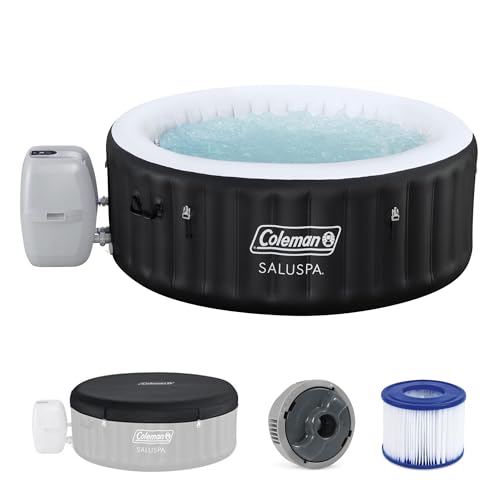

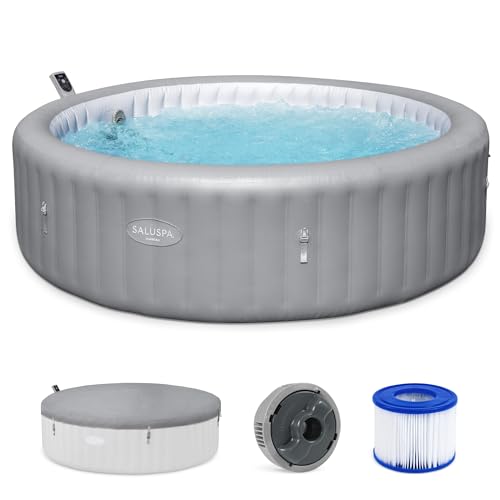

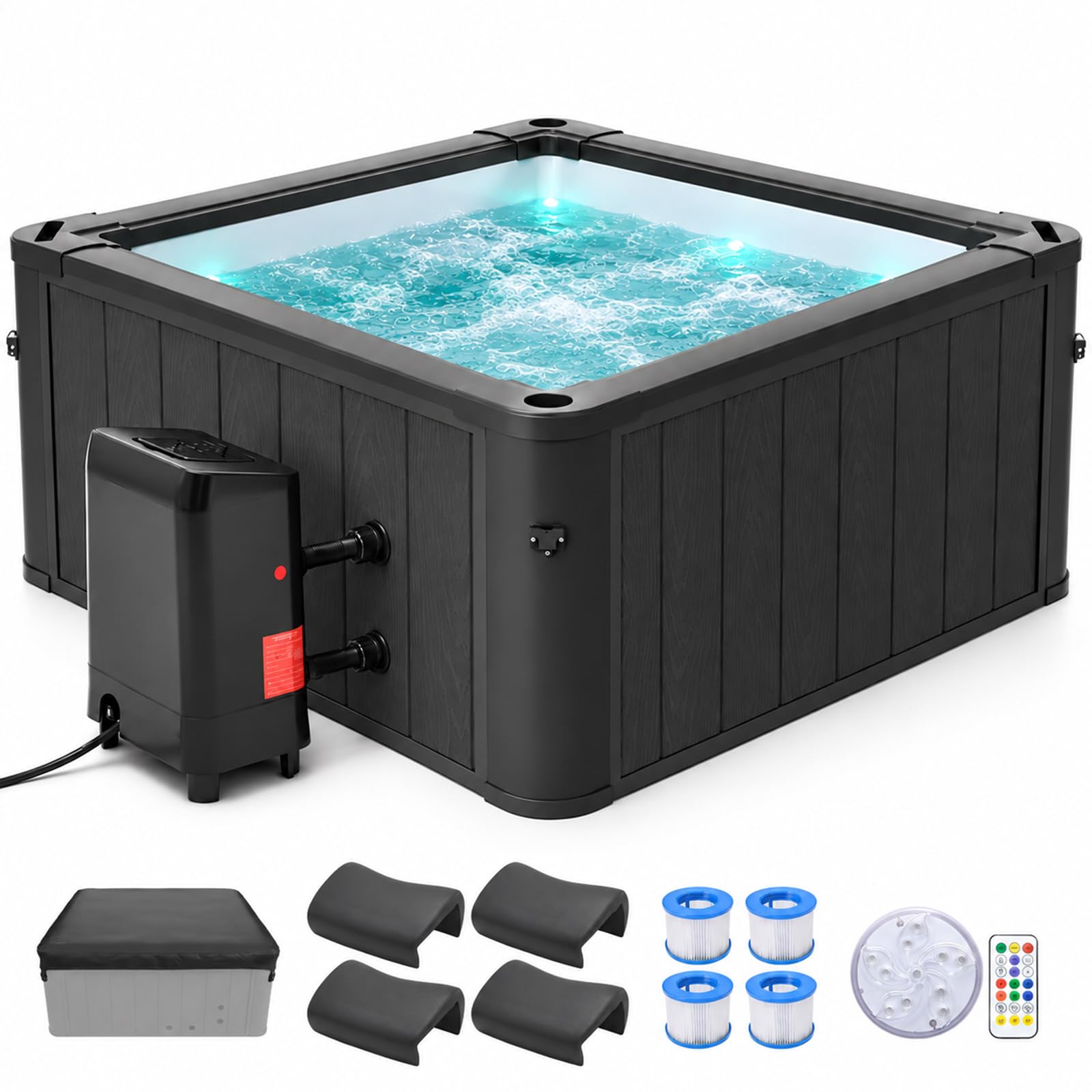
Three Buying Profiles at a Glance
The Balanced Choice
A balanced tub pairs a thick acrylic shell with full foam insulation, a sturdy frame, and two pumps at most. It seats four to six people in most layouts and keeps running costs moderate. Expect prices around $6,000 to $9,000 for this profile at many dealers, before delivery and electrical work.
The strength is ownership calm. Parts are common, service is easy to find, and the structure should last well over a decade with basic care. The limit is luxury. You give up the deepest seats, the most jets, and some smart features. For most homes, that trade is wise, because build and support outlast novelty.
The Value Choice
A value focused tub keeps the shell and insulation strong but trims extras such as waterfalls, lighting packages, and extra pumps. Smaller three to four person models in this profile often cost around $4,000 to $6,000. Rotationally molded tubs also appear here, with one piece shells that shrug off bumps and simple setups.
The trade off is feel and features. Seats may be shallower, jets fewer, and controls simpler. In return, you get a tub that is easier to move, cheaper to run, and less costly to repair. If you mainly soak with one or two people, value models deliver the core experience without paying for seats that stay empty.
The Premium Choice
A premium tub spends on the deepest insulation, the strongest shell backing, quiet pumps, and refined hydrotherapy seating. Prices often run around $10,000 to $15,000 or more. Warranties in this tier usually run longer on the shell and structure, which signals maker confidence in the build.
The payoff is comfort, quiet, and low heat loss over many winters. The risk is complexity. More pumps, lights, and electronics mean more parts that can fail, and repairs cost more. Buy premium when you will soak several times a week for years, and when a local dealer with strong service stands behind the sale.
How to Choose the Best Built Hot Tubs: Buying Guide
Intended Use and Who It Is For
Start with who will soak and how often. A couple soaking nightly needs two great seats more than six fair ones. A social family needs open seating, a cool down seat for kids, and controls that are simple for guests. Someone soaking for sore muscles should focus on jet placement at the back, legs, and feet, not raw jet count.
Think about access too. Older users and anyone with limited mobility should look for low step in height, interior grab points, and a sturdy cover lifter. If a user has a heart condition, is pregnant, or takes medicine that affects heat tolerance, talk with a doctor before using a hot tub at all, and follow their guidance on temperature and time.
Price vs Value
Budget options under around $5,000 cover basic soaking with simpler shells and partial insulation. Mid range options around $6,000 to $9,000 usually give the best value, with full insulation, solid frames, and proven parts. Premium options above around $10,000 must earn their price through structure, quiet running, and long warranties, not lights alone.
Budget for the full project, not just the tub. Delivery, a level base, electrical work by a licensed electrician, a cover lifter, and start up chemicals can add a fair amount to the total. A slightly cheaper tub with poor insulation can cost more over five winters than a better built tub, because heat loss shows up on every power bill.
Maintenance and Long Term Costs
Plan on weekly water checks, filter rinses about once a month, and a drain and refill about every three to four months for most homes. Filters, sanitizer, and test supplies form a steady small cost. Pumps, heaters, and control packs are the big repair items, so parts availability matters when you choose a maker.
Build quality lowers these costs in quiet ways. A well sealed cabinet keeps rodents and moisture away from equipment. Easy side panel access cuts service time when a technician visits. A strong cover, kept latched, holds heat in and keeps debris out. Ask the dealer what a typical ten year repair picture looks like for the line you are considering.
Ease of Use and Setup
Setup starts before delivery. You need a level, solid base that can carry the weight of the tub, water, and people, which can exceed 4,000 lb for a large model. Most full size tubs need a dedicated 240 volt circuit installed by a licensed electrician. Smaller 120 volt models use a standard outlet but heat more slowly and may not run jets and heat at once.
Daily use should be simple. Look for clear top side controls, a cover you can open alone with a lifter, and a filter you can reach without tools. A dry seat test in the showroom helps more than a wet demo for judging seat depth and legroom. Bring the main users, because seat fit varies a lot by height and build.
Warranty and Customer Support
Read the warranty by section, because terms differ for shell surface, shell structure, plumbing, equipment, and labor. Longer structure cover, often seven to ten years or more on strong models, signals a well built tub. Ask who performs service, how fast they respond in winter, and whether trip charges apply after the first year.
Register the product for warranty after delivery and keep the paperwork with your water care log. Local dealer quality is part of the product. A great tub sold by a dealer who closes in two years is a risk, while a solid dealer with in house technicians protects you for the life of the tub. Check how long the dealer has sold and serviced the same line.
Safety and Certifications
Safety starts with electrical work. A hot tub circuit needs ground fault protection and must meet local code, installed by a licensed electrician. Keep the cover locked when the tub is not in use, and always supervise children in and around the water. Children under five should not use a hot tub, and older children need short sessions at lower temperatures, following pediatric guidance.
Set water temperature at or below 104 degrees Fahrenheit, and lower for most daily soaks. Limit sessions to about 15 to 30 minutes, get out if you feel dizzy or unwell, and never soak after drinking alcohol. Never use the tub during a lightning storm. If you are pregnant or have a heart or blood pressure condition, talk with your doctor before soaking, and follow personal medical advice over any general guide.
Key Performance Specs
The specs that matter most are shell construction, insulation type, pump power matched to jet count, and heater size. Full foam insulation supports plumbing and holds heat better than partial foam or air gap designs in cold climates. Two pumps often serve many jets better than one large pump, with less noise and strain.
Check cabinet material for outdoor life. Synthetic cabinets resist rot and fading better than natural wood in wet climates. Look underneath if you can. Neat plumbing runs, secured lines, and a solid base pan suggest care in the build. For upkeep between soaks, our guide to the best hot tub vacuums covers tools that keep the floor of the tub clean without draining it.
Types of Built Hot Tubs
Premium Options
Premium tubs offer the strongest shells, full insulation, and the longest warranties. They suit frequent soakers in cold climates who value quiet and low running costs. The drawback is price and repair cost. Compare premium lines against our guide to the best ranked hot tubs to see how top rated models balance features with structure.
Budget Options
Budget tubs include basic hard shell models and quality inflatable options for seasonal use. They suit renters, mild climates, and first time owners testing the habit. Our guide to the best inexpensive hot tubs explains what you give up at low prices, mainly insulation, jet power, and lifespan, so you can decide with open eyes.
Mid Range Options
Mid range tubs are the default choice for most homes, with proven shells, full insulation on many models, and fair warranties. Brand focused shoppers can also review our guide to the best jacuzzi hot tubs for that maker general approach to seating and jets. For yard planning, our guide to the best outdoor hot tubs covers placement, privacy, and weather points in more depth.
How to Make Your Built Hot Tub Last Longer
- Read the manual before first use and follow the start up water balance steps in order.
- Clean and inspect regularly, including the cover, headrests, and cabinet vents.
- Keep the cover on and latched when the tub is idle to hold heat and block debris.
- Register the product for warranty and keep service records with your water log.
- Shower before soaking when you can, which keeps oils and lotions out of the water.
- Check the cover for waterlogging each season, since a heavy cover insulates poorly.
Water balance is the quiet lifespan factor. Balanced water protects the heater, pump seals, and shell surface, while neglected water attacks all three. A few minutes of testing each week is far cheaper than a heater replacement. In freezing weather, never let a filled tub sit without power for long, because freeze damage to plumbing is severe and often not covered.
FAQs
Are expensive built hot tubs worth it?
They are worth it when the price buys insulation, shell strength, and warranty length that lower your costs and stress for a decade or more. They are not worth it when the money mainly buys lights, speakers, and jet counts you will rarely use. Frequent soakers in cold climates gain the most. Occasional summer soakers usually gain more from a solid mid range tub.
How long does a built hot tub last?
A well built hard shell tub typically lasts about 15 to 20 years, with pumps, heaters, and covers replaced along the way. Covers usually last about four to six years. Lifespan depends most on water balance, cover care, and climate. Inflatables last far less, often about three to five years, which is fair at their price if you know it upfront.
How do I maintain a built hot tub?
Test the water two or three times a week, keep sanitizer and pH in the ranges your manual states, and rinse filters monthly. Drain and refill about every three to four months, sooner with heavy use. Wipe the waterline weekly to stop buildup. Keep a simple log of tests and chemical adds, because patterns in the log warn you before small issues turn into cloudy water.
What features matter most when buying built hot tubs?
Shell strength, full insulation, seat fit for your body, and dealer service matter most. Jet placement beats jet count for real comfort. Also check access panels and parts availability, because a tub you cannot service easily costs more at every repair. A wet or dry seat test with the actual users settles more questions than any brochure.
How much should I spend on a built hot tub?
Most homes land well around $6,000 to $9,000 for the tub itself, plus base, electrical, and delivery costs. Under around $5,000, accept simpler insulation and features. Above around $10,000, demand long structure warranties and a strong local service record. Leave room in the budget for a cover lifter and the first year of chemicals and filters, which new owners often forget.
Our Verdict
Buy structure first: a strong shell, full insulation, and a dealer who will service the tub for years. Fit the seats to your body, respect the safety rules, and plan the full project cost. Compare your shortlist in the product table above, and the best built hot tubs choice for your home will be the one that still feels solid, warm, and easy to own a decade from now. If a health condition affects whether soaking is safe for you, talk with your clinician about personal needs before you buy.