Best Build Swords and Sandals 2: How to Plan a Strong Gladiator
Disclosure: We may earn a commission when you buy through links on this page, at no extra cost to you. As an Amazon Associate I earn from qualifying purchases. Learn more
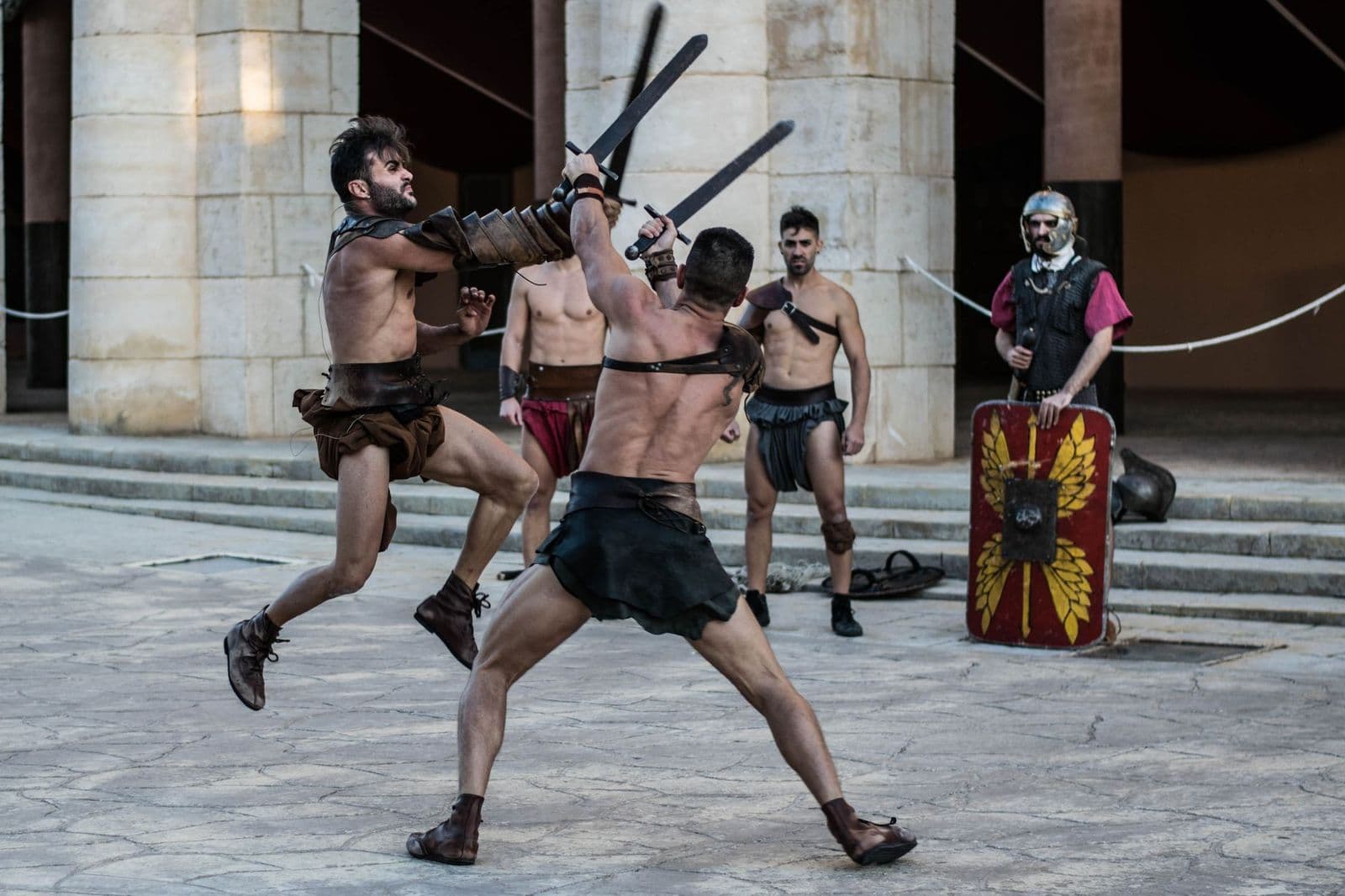
Heavy hitter, fast fighter, tank or balanced? Learn how to plan the best build swords and sandals 2 players enjoy.
Swords and Sandals 2 is a gladiator role playing game in which you create a fighter, win arena battles and spend your rewards on gear and character upgrades. Because every point you spend is permanent, the best build swords and sandals 2 players talk about is really a plan: decide how your gladiator fights, then put every upgrade toward that plan. This guide explains how to think about builds, how to avoid common mistakes and how to adjust as you progress.
It covers general build strategy rather than exact numbers, because stat names, costs and balance can differ between versions and releases. Always read the descriptions on your character screen and in the shop, and treat the advice below as a framework you can adapt.
How Builds Work in Swords and Sandals 2
A build is the combination of your character attributes, your weapon and shield choices, your armor and any special skills or items you unlock. Fights are decided by how well those parts work together: how hard you hit, how often you hit, how much damage you absorb and how long you can keep fighting before you run out of stamina or health.
Because experience points and gold are limited, every upgrade has an opportunity cost. Spreading points evenly across everything usually produces a fighter who is mediocre at all of it. A focused build, with a clear strength and just enough support elsewhere, tends to win more fights and progress faster.
Choosing Your Build Style
The Heavy Hitter
This build invests in raw damage and a weapon that hits hard. It ends fights quickly, which limits how much damage you take. The risk is that big weapons are often slower or heavier, so a missed attack or a dodged blow can leave you exposed. Heavy hitters need enough health and defense to survive a long exchange when the first strikes do not land.
The Fast Fighter
A fast build values speed and agility over raw power. You attack more often, dodge more blows and make use of lighter weapons. It suits players who like constant pressure and who watch their stamina closely. The weakness is damage per hit: against heavily armored opponents, light weapons may struggle, so you may need to switch tactics or equipment in later arenas.
The Defensive Tank
A defensive build leans on a good shield, solid armor and high health. It wins by outlasting opponents and punishing mistakes. Fights take longer, which can be a problem against enemies with strong ranged or special attacks, but a tank is forgiving to new players because it survives mistakes.
The Balanced Build
A balanced build spreads upgrades between offense and defense while keeping one clear specialty, such as a favorite weapon type. It is the safest choice for a first playthrough, because it lets you learn how fights work before committing to an extreme.
Principles for Spending Points and Gold
- Pick a weapon type early. Attributes that improve your chosen weapon are worth more than points spread across weapons you will not use.
- Protect your survivability. A glass cannon looks strong until one lucky hit ends the fight. Keep health and defense high enough to take a few blows.
- Watch stamina. If your attacks or blocks drain stamina, make sure you can keep fighting after the first few exchanges.
- Upgrade gear in steps. Buying the best affordable weapon and armor for your current arena beats saving for one expensive item while losing fights.
- Do not neglect shields and armor. Many players overspend on weapons and then struggle to survive.
Adapting Your Build as You Progress
Early opponents are forgiving, so most builds work. Later arenas bring tougher fighters with different styles, such as heavy armor, fast attacks or strong special moves. Notice what beats you: if you keep losing to fast attackers, consider more defense or speed; if opponents out-heal or out-wear you, consider more damage. If the game offers a way to respec or restart with lessons learned, use it to try a build style you skipped.
It also helps to read item descriptions carefully. Some weapons and armor have trade offs, such as extra damage with lower speed, or protection that increases weight. The right choice depends on your plan, not on the highest number in the shop.
Common Mistakes to Avoid
- Spreading upgrades evenly, which leaves you average at everything.
- Putting everything into damage and ignoring health and defense.
- Copying a build from a guide without checking that your version uses the same stats and costs.
- Spending all your gold on one item and falling behind on armor.
- Ignoring stamina management, so your character runs out of energy mid fight.
Matching a Build to Your Playing Style
Think about how you like to play before you commit. If you enjoy short, decisive fights and do not mind risk, a heavy hitter rewards good timing. If you prefer to stay calm and wear opponents down, a defensive build gives you more room for mistakes. Players who like variety often enjoy a fast fighter, because constant movement keeps every round active. There is no wrong answer, and enjoying the way your gladiator fights matters more than any theoretical ranking.
Tips for New Players
Start with a balanced build and one favorite weapon type. Fight in the early arenas to earn enough gold for a decent shield and armor before spending heavily on a top weapon. Save before big fights if the version allows it, and note how different opponents behave. If you find a build style you enjoy, commit to it for several arenas before judging it, since many builds feel weak until key upgrades arrive.
If you want more planning detail, our notes on best stats for swords and sandals 2 and the best swords and sandals 2 strategy look at attributes and fight tactics in more depth. Together with the build advice here, they help you decide where each upgrade point should go before you commit.
Keep your expectations realistic about guides. Community build lists are useful for ideas, but they are written for specific versions. If a recommended stat or item does not exist in your game, adapt the idea rather than the exact numbers.
FAQs
What is the best build in Swords and Sandals 2?
There is no single best build. A balanced build with one specialty is the safest start, while heavy hitter, fast fighter and tank builds each work well when you commit to them and cover their weaknesses.
Should I focus on attack or defense?
Both matter. A strong offense ends fights quickly, but defense keeps you alive when attacks miss. Most successful builds lean one way and keep the other at a respectable level.
Is it worth spreading points across all attributes?
Usually not. Even spreading tends to leave a fighter who is mediocre everywhere. Focus on the attributes that support your weapon and style.
How often should I change my equipment?
Upgrade when a new arena starts to feel difficult or when you can afford a clearly better weapon, shield or armor that fits your build. Avoid switching weapon types often, since your attributes are tuned to one style.
Do build guides from other versions still apply?
The general ideas do, but stat names, costs and balance may differ. Check the descriptions in your own game before copying a specific recommendation.
Can I change my build later?
That depends on the version you play. If a respec or restart option exists, you can try a different style. Otherwise, plan carefully and try your choices in early fights.
Final Thoughts
The best build swords and sandals 2 players enjoy is the one with a clear plan: pick a fighting style, back it with enough defense and stamina, and upgrade gear in sensible steps. Stay flexible as opponents change, read item descriptions and avoid spreading your points too thin. Do that, and your gladiator will have what it takes to work through each arena with confidence.