Best Bug Out Boots for 2026: A Buying Guide for Walking Out on Foot
Disclosure: We may earn a commission when you buy through links on this page, at no extra cost to you. As an Amazon Associate I earn from qualifying purchases. Learn more

Fit, traction, waterproofing and weight explained so you can choose the best bug out boots for walking out on foot with a loaded pack.
A bug out boot has one hard job. If a storm, fire or road closure forces you to leave on foot, it must carry you and a loaded pack across pavement, gravel and mud without tearing up your feet. The best bug out boots balance fit, traction and weight for that walk, and the comparison table below lets you check those points side by side.
Start with your likely route, not with a style you like. Count the miles to a safe place, the ground you would cross, and the season. Those answers shape every choice that follows, from toe box room to waterproofing.
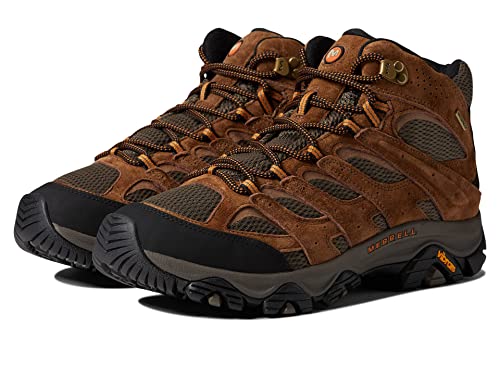
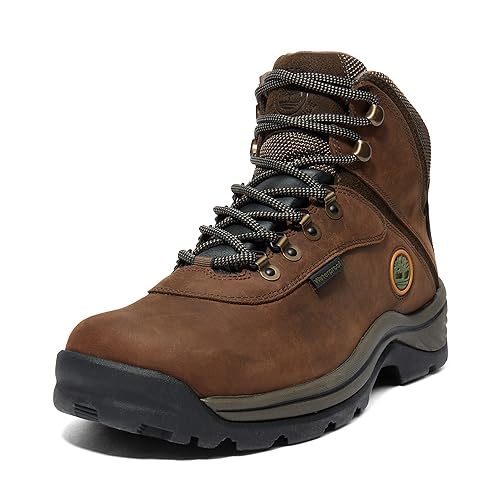
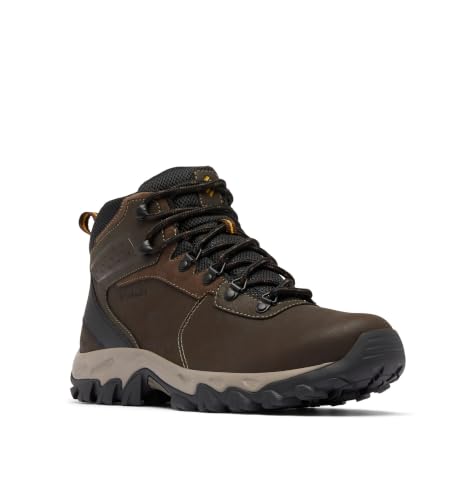


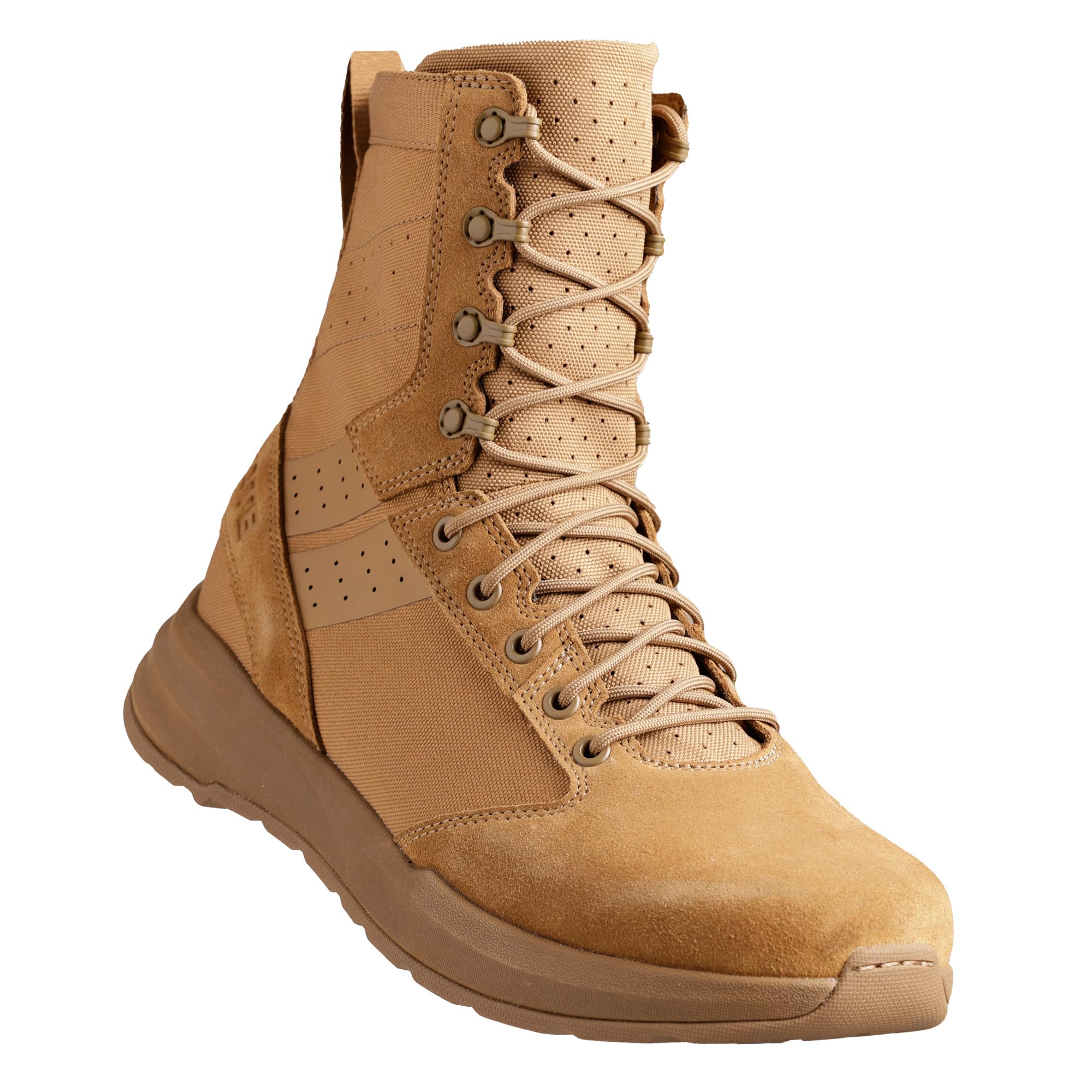

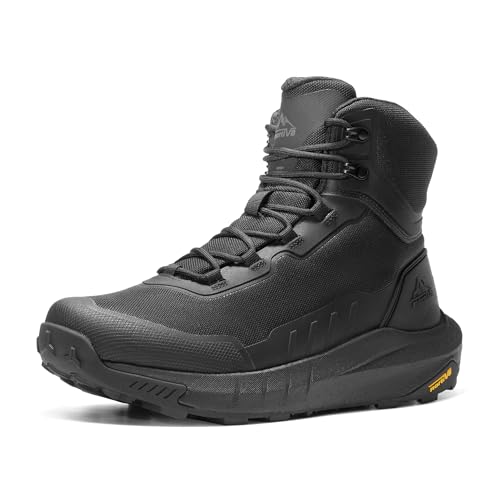

Who Should Buy Which Bug Out Boots?
Your distance, pack and local weather separate one good choice from another.
People Who Could Face a Long Walk Home
You commute far from home and could be walking if roads close or transit stops. Prioritize low weight, a cushioned sole and a fit that stays kind after many hours. A mid height shaft gives ankle cover without much bulk. Choose a pair you can wear on weekends, because a familiar boot is safer than a stored pair you have never walked in.
Rural Households Facing Flood, Fire or Storm Damage
Your route may leave the road entirely, crossing wet fields, ditches and fallen branches. Prioritize deep lugs, a protective toe and a shaft that keeps out grit and shallow water. Waterproof boots suit this group for most of the year. Accept extra weight, because grip matters more than speed when the ground is the obstacle.
Drivers and Apartment Dwellers Keeping a Compact Emergency Pair
You store a pair in a car or a small closet and need it ready without fuss. Choose a light mid height boot that takes little room. A synthetic upper suits you better than leather that demands regular conditioning. Keep socks with the boots, because the pair only works when both parts are packed together.
Key Features to Compare
Work through these factors in order when you compare the best bug out boots, because fit problems cannot be fixed by a tougher outsole. A boot that hurts in the shop will hurt far more at mile ten.
Fit, Sizing and Toe Box Room for Feet That Swell
Measure both feet late in the day, when they are largest, and size for the longer foot. Wear your walking socks and carry a loaded pack in the store, because weight spreads the foot and changes the fit. Leave about a thumb width ahead of your longest toe, and choose a wide toe box if you expect swelling. Your heel should stay seated on a downhill ramp. Seek medical care for numbness that does not fade after you loosen the laces, for sharp joint pain, or for a blister with spreading redness, and talk with your clinician about personal foot needs if you live with diabetes or poor circulation.
Outsole Traction and Stability on Mixed Ground
The outsole is your only contact with wet pavement, gravel and mud, so check lug depth before styling. Lugs of about 4 to 5 mm bite on soft ground, while a wider heel base helps on broken curbs. A stiff shank adds stability when a pack shifts your balance. If your route is mostly paved, choose shallower lugs, because deep lugs feel clumsy on concrete and wear faster there.
Cushioning, Arch Support and Heel to Toe Drop Under a Pack
Cushioning absorbs the repeated impact of loaded miles, and it matters more as pack weight rises. A heel to toe drop of about 8 to 12 mm suits most walkers, while a lower drop asks more of your calves. Match arch support to your foot type. Flat feet often feel steadier with firmer support, high arches need more padding, and a neutral fit suits feet in between.
Waterproofing and How Breathable a Boot Feels
A waterproof membrane keeps rain and shallow puddles out, which protects comfort on a wet route. The trade off is airflow. Waterproof boots feel warmer and dry slowly once water gets in over the top, so they suit cold and wet regions better than hot ones. In a dry climate, a breathable mesh upper sheds heat and dries fast. Decide by the water you will meet most often.
Boot Weight, Shaft Height and Durability of Materials
Weight on your feet costs energy on every step, so compare pairs rather than single boots. Many capable pairs weigh about 2 to 3 pounds, while rugged full height pairs can pass 3 pounds. A taller shaft guards ankles but feels hotter. Full grain leather and stitched soles last well and can be repaired, while synthetic uppers dry faster but wear sooner at flex points.
Types of Bug Out Boots Compared
Pick the type first, then compare fit and features inside that type.
Lightweight Mid Height Boots for Fast Road Miles
These boots use synthetic uppers, moderate lugs and flexible soles built for paved and graded routes. They suit commuters whose safe place is a long road walk away. They feel easy from the first wear and pack small in a car. Their limits show on steep mud and under very heavy loads. Expect to pay about $80 to $150 for a solid pair.
Waterproof Boots for Wet Ground and Cold Seasons
These boots add a sealed membrane, a taller padded shaft and deeper lugs for soaked ground. They suit rural routes, northern climates and anyone leaving during storm season. Warmth and dry feet are the gains, and extra weight and slower drying are the costs. Expect to pay about $120 to $220.
Rugged Full Height Boots for Rough Ground and Heavy Loads
These boots use thick leather or heavy synthetic uppers, stiff shanks and protective plates for debris, rock and brush. They suit heavy packs and off road routes. They take the longest to break in and feel hot in summer. For most urban routes they are more boot than the walk demands. Expect to pay about $150 to $250.
Common Mistakes to Avoid
- Buying boots in the morning without walking socks leaves no room when your feet swell, so toes bruise on downhill ground.
- Leaving a new pair unworn until an emergency guarantees you discover blisters and hot spots on the one walk that matters most.
- Choosing a waterproof pair for a hot and dry route traps sweat inside, so your feet stay damp without any rain at all.
- Fitting boots without your pack ignores how load spreads your feet, so a pair that felt right in the shop can feel a full size small.
- Storing boots in a hot car trunk for years weakens glues and foams, so soles can separate when you finally need the pair.
- Picking boots by looks alone often means shallow lugs on mud, so the first wet slope becomes a fall risk.
How to Make Your Bug Out Boots Last Longer
After a wet walk, brush off dirt, remove the insoles and let the boots air dry away from direct heat, because strong heat cracks leather and weakens glued soles. Stuff the toes with newspaper if the inside is soaked. Never store a pair that still feels damp, because trapped moisture grows odor and rots stitching.
Between outings, check laces for fraying, look for cracks at flex points and press the midsole for soft spots. Condition leather uppers when they look dry, and store boots upright in a cool dry place. Try a stored pair on every few months, because a fit check at home beats a surprise on the road.
FAQ
Can I wear bug out boots all day while carrying a pack?
Yes, you can wear bug out boots all day with a pack if the fit is right and you manage your feet during the walk. Stop every few hours and change into dry socks if your first pair feels damp, because a sock change resets comfort more than most gear swaps. Loosen laces at rest stops, then retighten before descents.
Are expensive bug out boots worth the extra cost?
Expensive bug out boots can be worth it when the extra money buys a repairable sole, tougher leather and wide sizes. A stitched sole can be replaced when the tread wears smooth, which spreads the cost over many years. If you walk mostly on pavement, a mid priced pair usually gives the same comfort for far less.
Do I need waterproof bug out boots in an emergency kit?
You need waterproof bug out boots in a kit only if your likely route involves rain, wet ground or shallow water crossings. Consider where the kit lives as well as where you would walk. A kit for a coastal home faces very different weather from one kept in a desert town. A non waterproof pair plus spare dry socks is a lighter answer for dry regions.
How long is the break in period for bug out boots?
The break in period for bug out boots runs from a few walks for light synthetic pairs to several weeks for stiff leather pairs. Build up gradually. Wear the boots at home first, then on a short walk, then on a longer walk with your pack. That staged plan also reveals which socks and lace tension work for you.
How often should I replace bug out boots kept in storage?
Replace bug out boots kept in storage when the soles crumble, the foam feels dead underfoot or the upper cracks, even if the pair was rarely worn. Foams and glues age with time and heat, so a boot can fail from storage alone. Inspect the pair twice a year and replace it at the first sign of the sole peeling from the upper.
The Bottom Line
Fit comes first, traction second and weight third, because a boot that fits and grips lets you keep walking when the route gets hard. Choose the type that matches your ground and season, and break the pair in before you need it. Use the product table above to compare weight, shaft height and price.
When you judge best bug out boots by those three points, the right pair is the one you forget about on your feet while everything else demands your attention.