
Best Bug Catcher: A Buying Guide to Catch-and-Release Tools
Disclosure: We may earn a commission when you buy through links on this page, at no extra cost to you. As an Amazon Associate we earn from qualifying purchases. Learn more
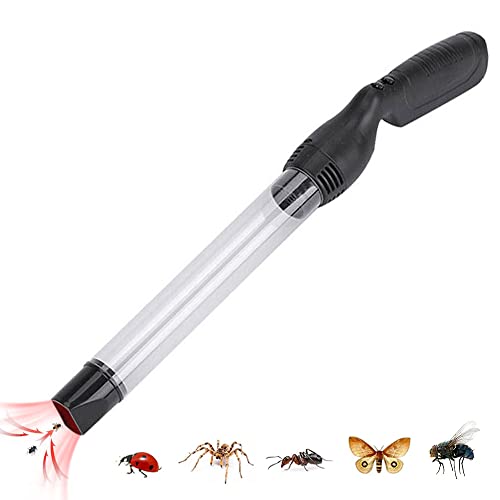
A spider drops onto the bathroom floor, or a moth gets trapped between the curtains and the window screen, and suddenly you need a plan that doesn't involve a shoe. That's the gap the best bug catcher fills: a tool built to grab a live bug and let it go outside instead of squashing it. This guide is about capture, not killing. Here, you'll learn how handheld catchers actually work, which type fits which bug, what separates a good one from a flimsy one, and how to pick a kit that will hold a kid's attention outside.



How These Tools Actually Catch a Bug (and Let It Go Unharmed)
Every catch-and-release tool solves the same problem in a different way: how do you close the gap between "bug is loose in the room" and "bug is safely contained" without touching it or hurting it. The mechanism you pick changes how close you have to get, how much noise is involved, and how gentle the capture actually is. This guide is strictly about live capture, not extermination, so if what you're actually facing is an active infestation you want gone for good, our guide to bug killers covers that different approach.
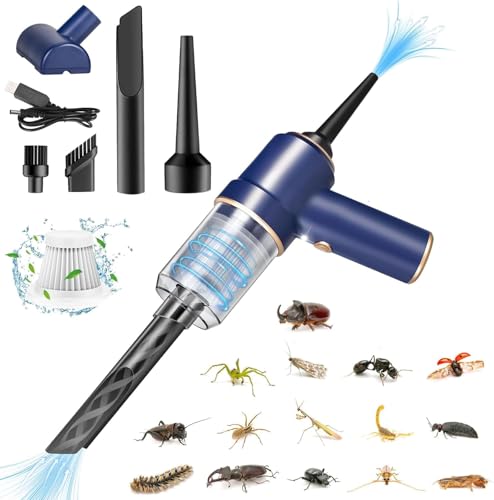
Handheld Bug Vacuums
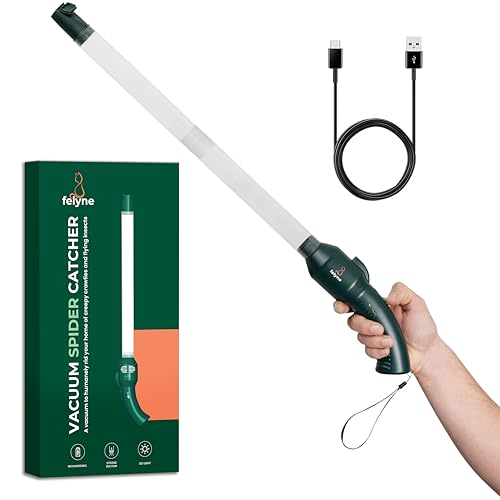
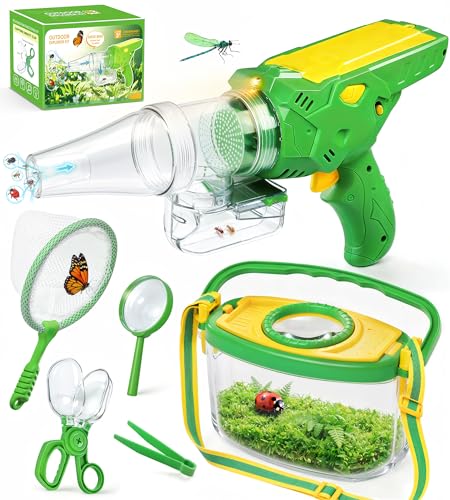
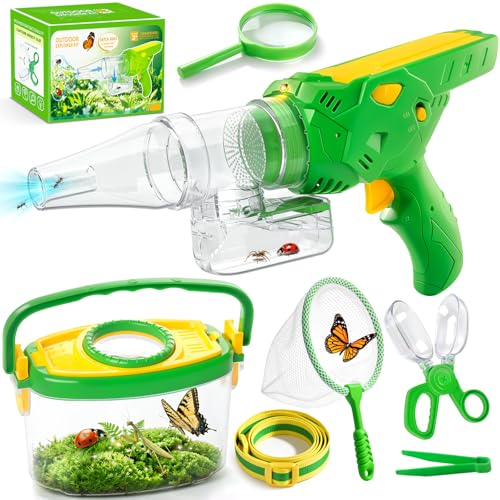
A bug vacuum uses a small motor and a narrow nozzle to draw air, and the insect riding on it, into a clear catch chamber. Because there's no direct contact, it's the go-to option for anyone who doesn't want to get near a spider, cricket, or stink bug. Suction strength varies a lot between models, so a unit built specifically for bugs tends to use gentler, adjustable suction rather than the raw power of a general-purpose handheld vacuum, which can be strong enough to injure a delicate insect.
Manual and Bristle-Slider Catchers
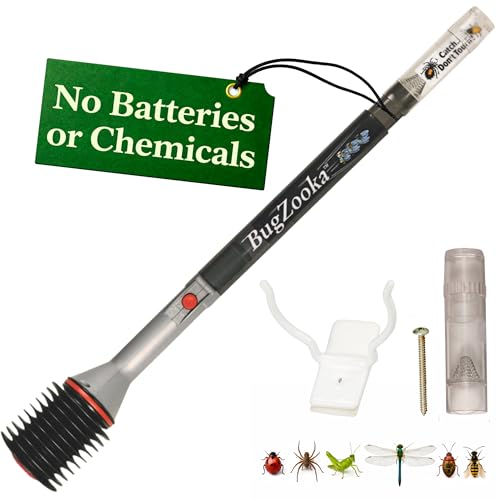
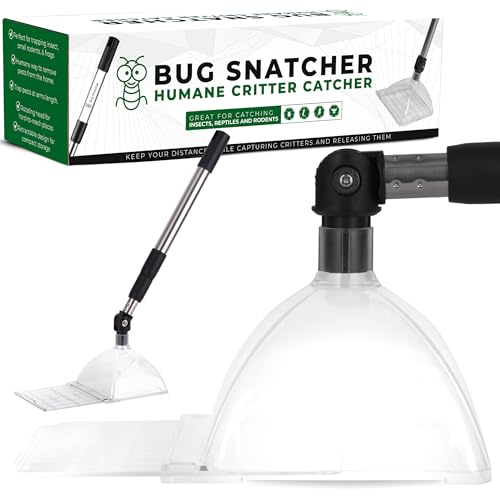
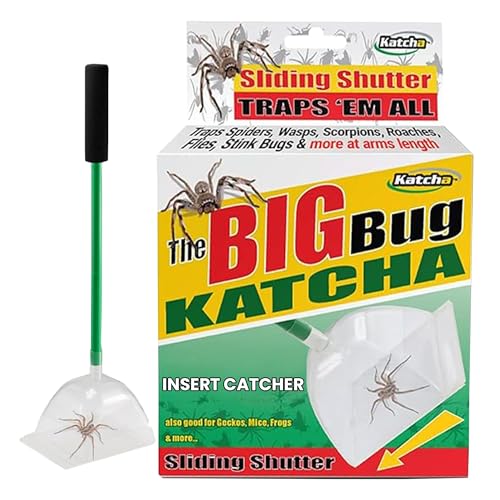
A manual spider catcher is a cup-and-lid tool, often with a long handle, where soft bristles gently sweep or trap the bug as you slide a mechanism closed underneath it. There's no motor and no batteries, which means no noise to startle a skittish bug mid-capture. Some versions add a hood or dome shape specifically so you can approach from above and trap a spider or wasp without getting within arm's reach.
Nets and Wands
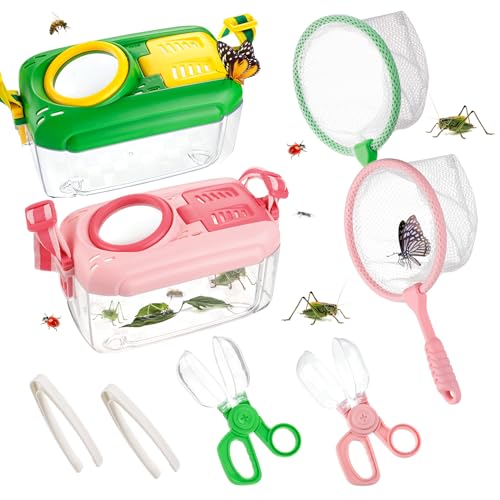
A traditional net on a pole is still the best option outdoors, especially for anything that flies. It's the only style built to close the distance on a moving target across open space rather than a fixed spot on a wall or floor. The tradeoff is technique: a rough grab can damage delicate wings, which is a common complaint with butterflies and dragonflies caught this way and then released unable to fly.
Picking the Right Catcher for the Bug You're Dealing With
The best bug catcher for a spider in the shower is rarely the best choice for a moth outside on the porch light. Matching the tool to the actual bug saves you from buying something that looks great in photos but fails the one time you actually need it.
Spiders, Crickets, and Other Indoor Bugs
The best bug catcher for anything crawling on a wall, floor, or ceiling corner is usually a bristle-slider catcher or a gentle-suction vacuum, since the bug isn't moving fast and you mainly need distance and containment. A catcher with a long handle adds reach for high corners without a step stool.
Butterflies, Dragonflies, and Other Delicate Fliers
For these fliers, the best bug catcher is a wide net and a light touch, not suction. Vacuum-style catchers can tear thin wings, so if the goal is a healthy release, a net paired with careful handling is the better match even though it takes more skill to use.
Fast or Odor-Releasing Pests
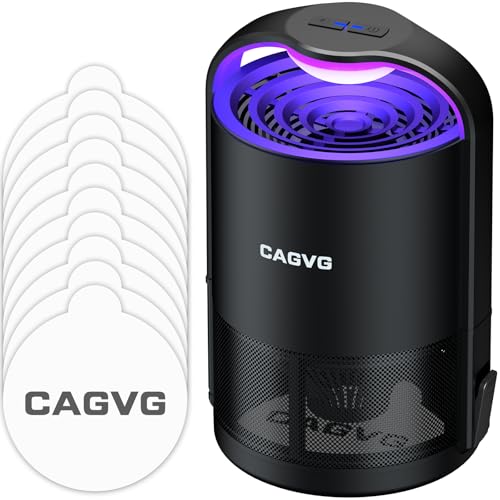
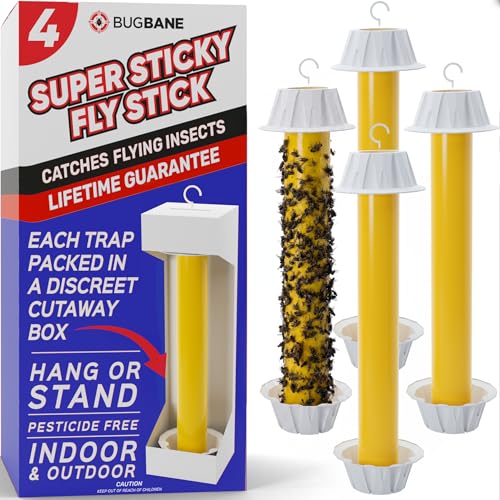
Stink bugs and similarly fast, defensive insects are a good match for a vacuum catcher precisely because it avoids the contact that triggers a smell response. If what you're actually facing is a recurring, larger-scale problem rather than the occasional stray bug, a stationary option like an insect trap left in place overnight may solve it faster than catching bugs one at a time.
What to Compare Before You Buy
Once you know which type fits your situation, a handful of practical details separate the best bug catcher for your household from one that ends up in a drawer.
Capture Distance
If the whole point is avoiding contact with spiders or wasps, check the handle length and the design of the opening. A short cup forces you close; a longer wand or extendable handle keeps several feet of space between you and the bug.
Suction Strength vs. Gentleness
Stronger suction catches fast insects more reliably, but too much power can injure something delicate. Look for adjustable suction settings if you plan to catch a mix of sturdy bugs like beetles and fragile ones like moths with the same tool.
Battery Life and Noise
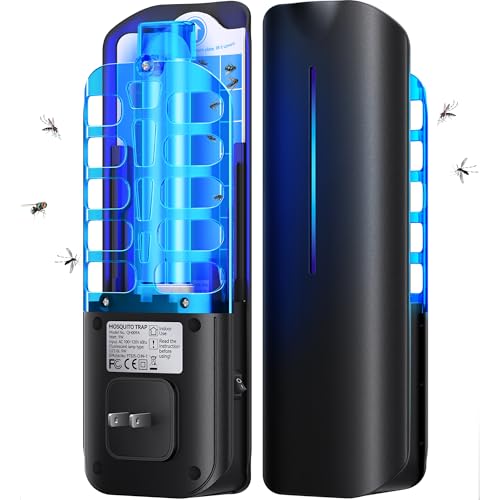
Cordless vacuum-style catchers rely on a rechargeable battery, and runtime varies widely between models. A quieter motor matters more than it sounds, since a loud catcher can startle the bug into darting away before you get close, undoing the whole point of the tool. This is a different problem than the electric buzz of a plug-in bug zapper, which is built to kill on contact rather than stay quiet.
Chamber Design and Cleaning
A clear catch chamber lets you see the bug before you release it, which matters if you want to identify what you just caught. Look for a chamber that opens easily for cleaning and a lid that seals well enough that nothing escapes on the walk outside.
Choosing a Bug Catching Kit for Kids
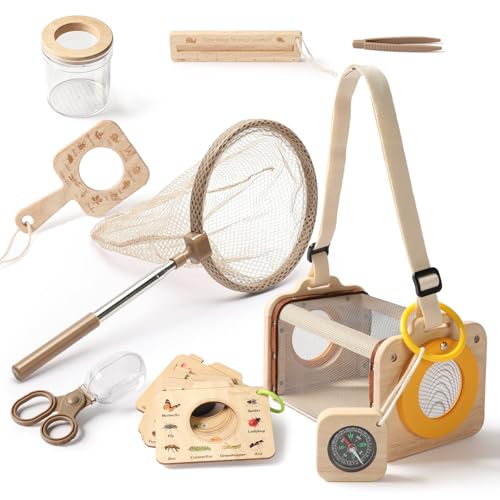
The best bug catcher for a kid outside is rarely the same tool an adult reaches for indoors. A bug catching kit solves a different problem: the goal usually isn't removing a bug from the house, it's giving a kid the tools to catch, observe, and release insects outside without hurting them or getting hurt.
Durability and Kid-Safe Materials
Small hands drop things, so look for sturdy plastic or wood construction without sharp edges or small parts that could break off. A kit that survives a season of actual outdoor use is worth more than one with extra accessories that fall apart after a few tries.
What a Good Kit Includes
A solid kit usually pairs a net for active chasing with a clear observation case or magnifier so a caught bug can be examined safely before it's released. Tweezers or soft tongs are useful for handling anything a kid shouldn't touch directly, and a carrying case keeps the pieces from getting lost between trips outside.
Frequently Asked Questions
Is a bug vacuum humane, or does it hurt the bug?
A properly designed bug vacuum uses gentle, often adjustable suction and a padded catch chamber, so most insects survive the trip unharmed and can be released right away. The risk of injury goes up with generic, high-power vacuums not designed for live capture.
What's the difference between a bug catcher and a bug zapper?
A catcher traps a bug alive so you can release it, while a zapper uses an electrified grid to kill insects on contact. The best bug catcher handles the occasional stray bug you don't want to kill, while a zapper is built for ongoing knockdown of flying insects over a yard or patio.
Do bug catching nets hurt butterflies?
They can, if the net is swung roughly or the butterfly is handled by its wings after capture. A soft mesh net and a gentle grip around the body, not the wings, gives the best chance of a healthy release.
Are bug catcher kits safe for young kids?
Most are, as long as the kit is sized appropriately and doesn't include small parts that pose a choking risk for younger children. Supervision is still a good idea, both for the child's safety and for handling anything that could bite or sting.
How do spider catchers work without touching the spider?
Bristle-slider catchers use a cup with soft bristles around the opening, so lowering it over the spider and sliding the base closed traps it without your hand ever getting near it. Some designs add a long handle for extra distance.
How long does a handheld bug vacuum battery last?
Runtime depends heavily on the model, but most rechargeable versions are built for short, frequent use rather than continuous operation, so a single charge typically covers plenty of individual catches before it needs topping off.
The Bottom Line
The right best bug catcher comes down to what you're actually trying to capture and how close you're willing to get. A gentle vacuum or bristle-slider tool handles the occasional spider or cricket indoors, a net still wins outdoors for anything that flies, and a well-built kids' kit turns the whole thing into an outdoor activity instead of a chore. Match the tool to the bug, and you can skip the shoe entirely.