Best Budget Treadmill Buying Guide for 2026
Disclosure: We may earn a commission when you buy through links on this page, at no extra cost to you. As an Amazon Associate I earn from qualifying purchases. Learn more

Size, motor power, weight capacity, incline, noise and storage explained so you can choose the best budget treadmill for your home.
Shopping on a tight budget does not mean settling for a machine that wobbles, stalls, or ends up folded away after a month. The right best budget treadmill balances a steady belt, a motor matched to your pace, and a frame that fits both your body and your room. This guide walks you through the specs that matter most, the tradeoffs to expect at lower prices, and the profiles worth prioritizing, and the comparison table below sums up the key differences at a glance.
A budget treadmill makes the most sense when you match it to one clear job, such as daily walking, steady jogging, or short runs several times a week. Problems start when a light walking model is asked to handle fast running, or when a large frame is squeezed into a small room.
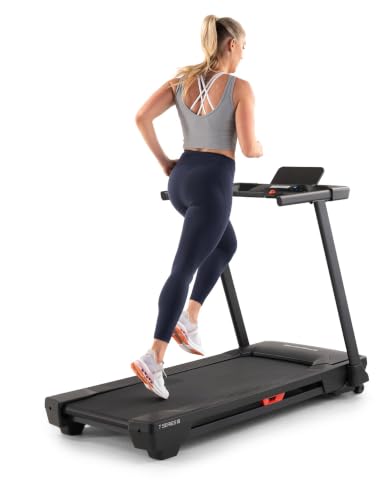
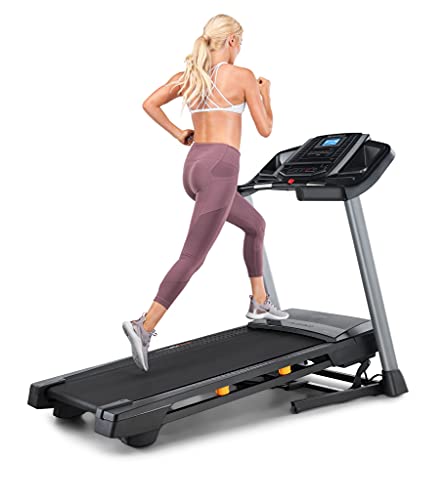
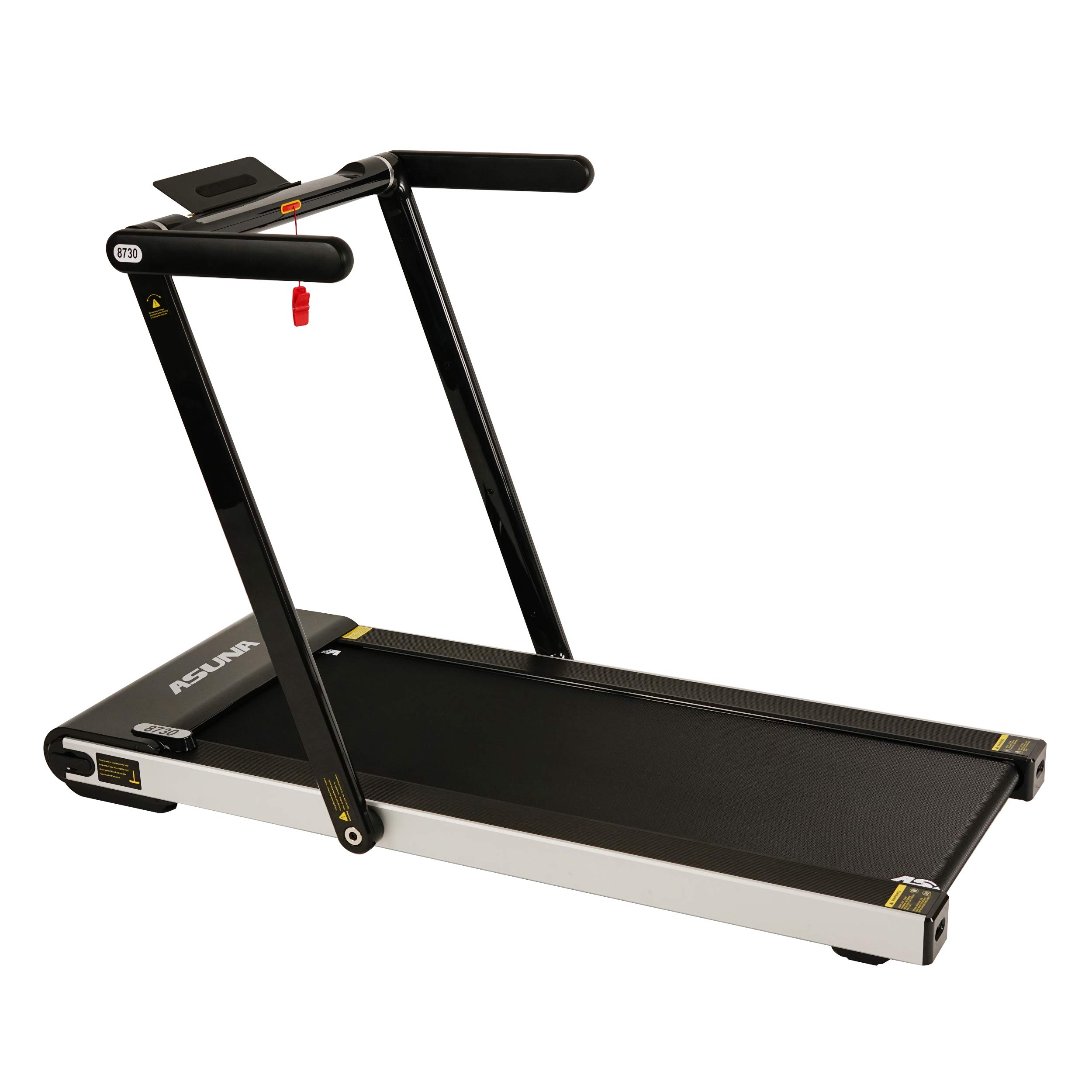


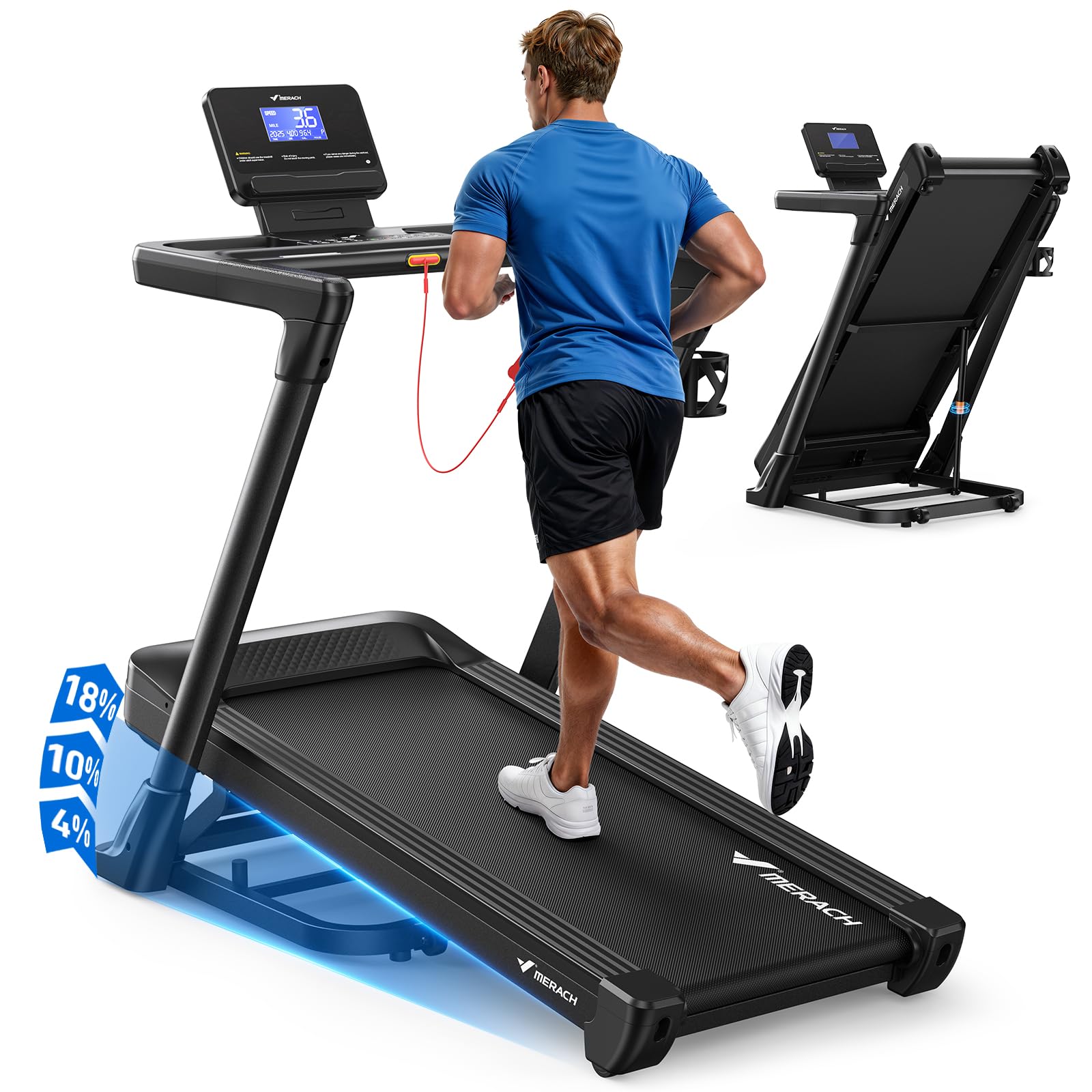
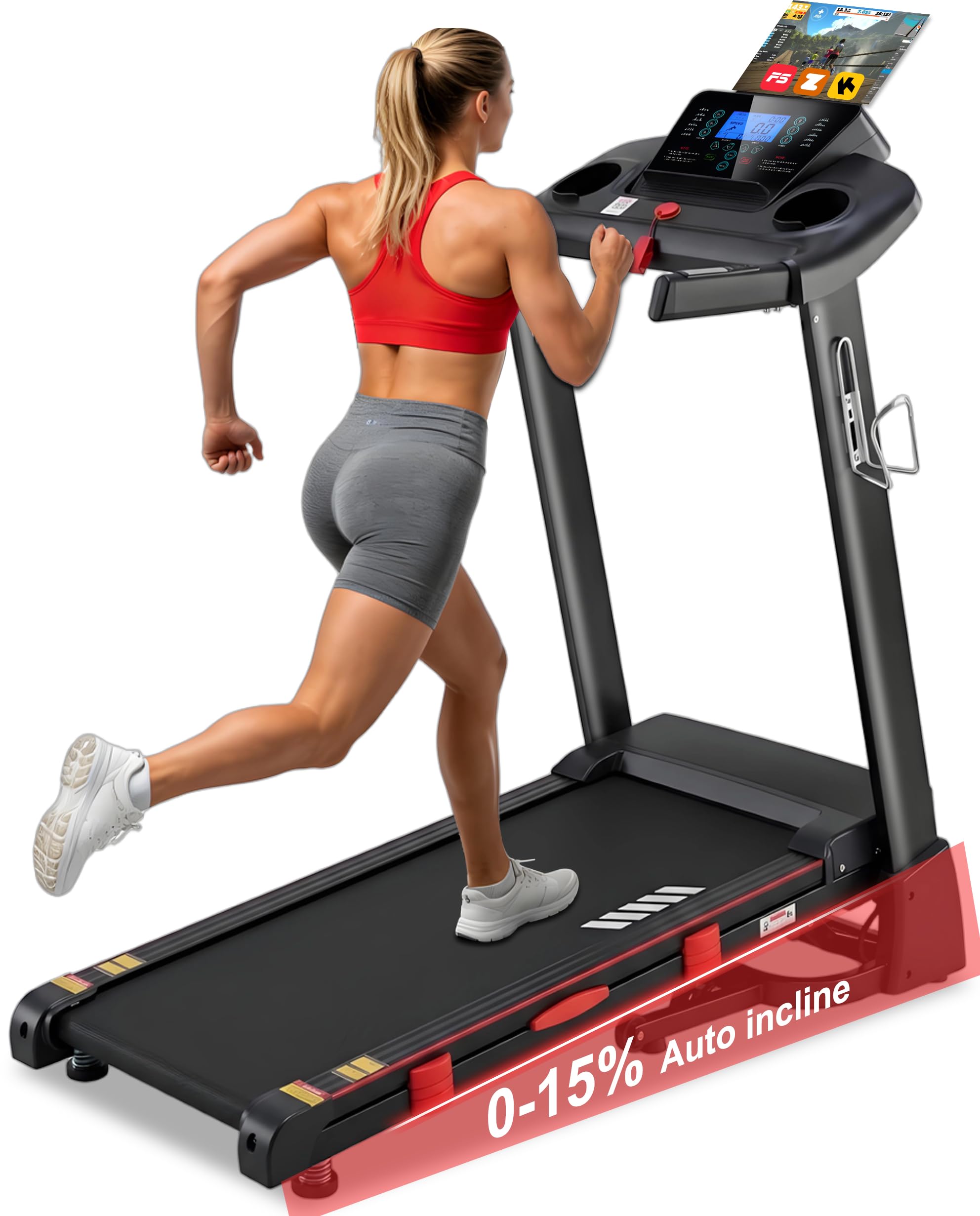
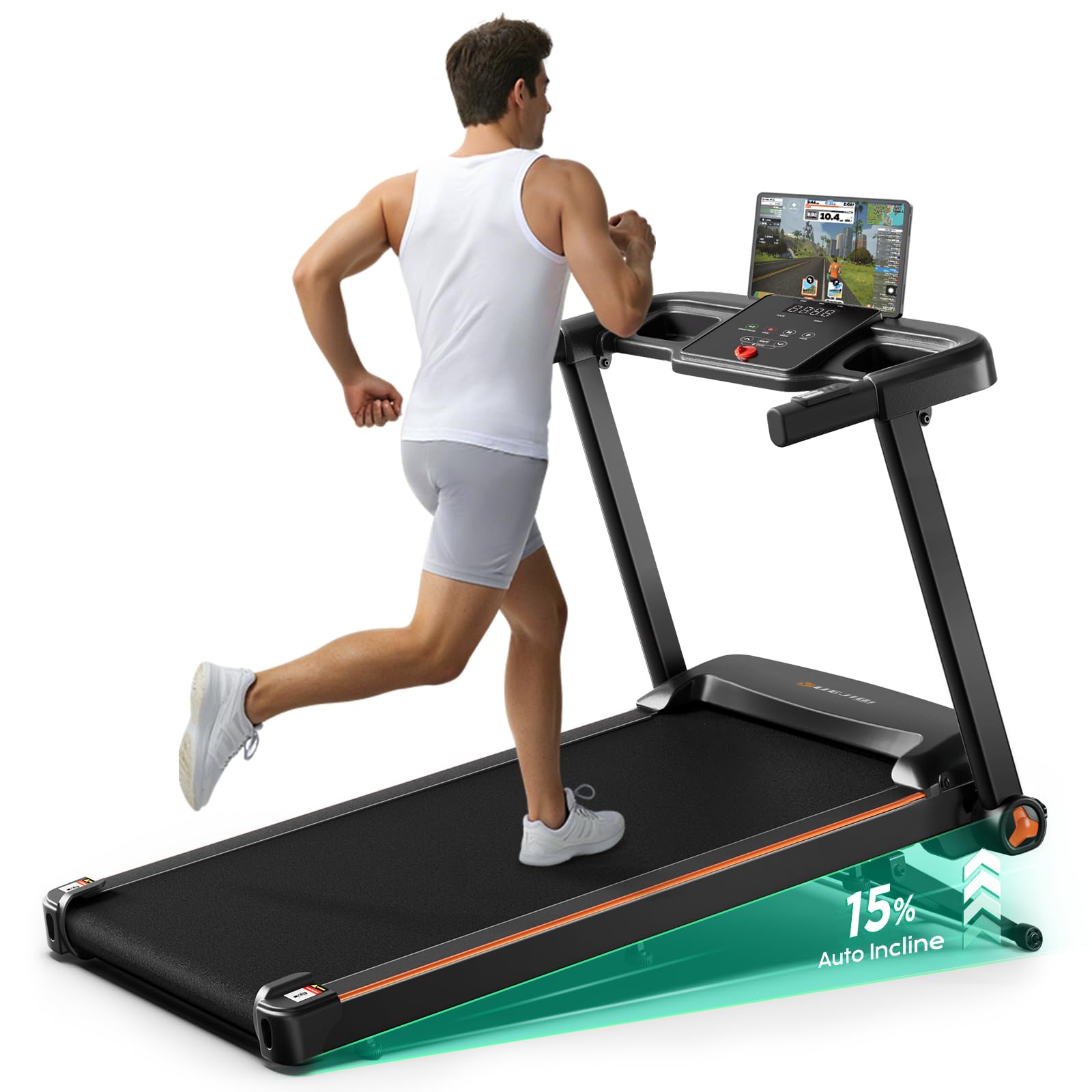

Three Buying Profiles and What to Prioritize
Most buyers fall into one of three groups, and each group should spend its money in a different place. Find the profile closest to your routine first, then use the feature sections later in this guide to check the details. A model that suits a daily walker can feel cramped and underpowered for a runner, even when both machines sit in the same price tier.
Walkers Who Want Daily Steps at Home
If your goal is steady walking while you watch television, take calls, or break up a long workday, prioritize a quiet motor, a belt that starts smoothly at low speeds, and controls you can reach without stopping. A top speed of about 6 to 8 miles per hour is plenty, and a modest incline adds variety without much cost. Readers focused on this routine may also want our guide to the best treadmill for walking. Look for a deck long enough for your full stride, because a short belt forces choppy, tiring steps.
Runners Training on a Tight Budget
Running places far more stress on a treadmill than walking, so runners should put motor strength, belt size, and frame stability first. Aim for a continuous duty motor rating that supports sustained speeds, a belt at least 20 inches wide and about 55 to 60 inches long, and a weight capacity with a clear margin above your body weight. If you plan regular tempo work or intervals, compare your shortlist with the guidance in our article on the best treadmill for running before you buy.
Apartment and Shared Space Buyers
When floor space and noise decide the purchase, a folding frame, transport wheels, and a compact footprint matter more than top speed. Measure the room where the machine will live, not just the corner where it will be stored, and check folded dimensions as well as unfolded ones. A quieter motor and a cushioned deck help in upstairs rooms, and a mat underneath reduces vibration through the floor.
How to Judge a Budget Treadmill
Five criteria separate a good value machine from a cheap one that disappoints: build quality and weight capacity, footprint and storage, motor and belt fit for your pace, useful features and programs, and noise in real home use. Warranty length matters too, because frame and motor coverage tells you how much confidence the maker has in the design. If your budget can stretch further, our broader guide to the best treadmill explains how higher price tiers change these same criteria.
Judge each model against your own routine rather than a headline specification. A high top speed means little if the belt is too short for your stride, and a large screen means little if the motor struggles at your pace. Write down your non negotiable points, such as a minimum belt size or a maximum folded length, and check every candidate against that list.
How to Choose the Right Treadmill
Size and Form Factor
Budget models come in several shapes, including compact frames for small rooms, folding designs that store against a wall, heavy duty frames for larger users, and slim under desk designs made for slow walking while you work. Measure your floor space, then add about 2 feet on each side and at least 6 feet behind the deck for safe mounting and dismounting. Check ceiling height too if you plan to use incline, since the raised deck lifts you higher with every step.
Type and Intended Use
Folding treadmills suit most home buyers because they balance running space with storage. Incline models add hill work, walking pads and under desk models trade speed for a very small footprint, and curved manual designs use your own stride to move the belt, which suits short hard efforts but not relaxed walking. Commercial style frames are larger and sturdier but rarely fit a true budget, while smart models add connected screens and classes at a higher ongoing cost. Ask whether you mainly need slow, frequent movement, or one machine that can also handle jogging and running.
Motor, Belt and Speed Range
Motor power is usually quoted in horsepower, and the continuous duty rating matters more than a peak figure, because it reflects what the motor can hold during a full workout. Walkers can do well with a lower rating, while regular runners should choose the strongest motor the budget allows. Belt size deserves equal attention: wider and longer belts feel safer at speed and suit taller users. Speed ranges often run from about 0.5 to 10 or 12 miles per hour. If the belt hesitates when your foot lands, the pairing is too weak for your use, whatever the headline numbers say.
Incline, Programs and Screens
Incline is the feature most worth paying for in this price range, because walking or running uphill raises effort without raising speed or impact. Manual incline offers a few fixed positions you set before you start, while powered incline adjusts during the workout. Readers who expect to use hills often should review our guide to the best incline treadmill for a deeper look at ranges and mechanics. Built in programs add variety, and Bluetooth links to training apps can do the same job as a large screen for far less money. Count any paid app subscription as part of the true cost before you commit.
Weight Capacity and Frame Strength
The stated weight capacity is a useful guide to overall frame strength, not just a limit for the person on the belt. Choose a model rated at least 30 to 50 pounds above the heaviest regular user, because running impact loads the frame well beyond static body weight. A steel frame, a deck that does not flex at your pace, and a stable handrail point to a machine that will feel solid for years. If several people will share the machine, base this decision on the largest and fastest user, not the average.
Noise and Floor Protection
Noise comes from the motor, the belt moving over the deck, and foot strike vibration passing into the floor. A cushioned deck softens impact and usually runs quieter, and a thick mat under the frame protects flooring and reduces sound in rooms below. Belt care matters as well, since a dry or poorly aligned belt gets louder over time. If you exercise early or late in a shared building, treat quiet operation as a core requirement, and place the machine on a level surface to avoid rocking.
How Much Should You Spend?
Price tiers follow a fairly clear pattern. Models at under $300 are light walking machines with small belts and basic motors. Stepping up to about $300 to $500 brings stronger frames, wider belts, and powered incline on some models, which covers most walkers and light joggers. At about $500 to $1000, regular jogging and occasional running become realistic, with better motors and longer warranties. Spending about $1000 to $1500 moves you toward durable running machines. Match the tier to your heaviest planned use, and keep a little money aside for a mat.
Budget Treadmills Compared With Other Treadmills
Compared with midrange and premium machines, a budget model gives up some motor strength, belt size, screen quality, and warranty length, and in return it costs far less and often takes up less room. For walking, steady jogging, and general fitness, that trade is usually a good one, because the health benefit comes from regular use rather than from advanced features. The product table above is a useful place to see how these tradeoffs line up across the models in this price range.
The limits show up when your training outgrows the machine. Frequent long runs, fast intervals, and heavier users shorten the comfortable life of a light frame and a small motor. Screens and program libraries are also simpler at this level, although a phone or tablet fills most of that gap. If you expect your pace or distance to grow quickly, buying one tier higher now can cost less than replacing a basic model within a couple of years.
Common Mistakes to Avoid
- Choosing by top speed alone, then finding the belt too short for a comfortable stride at that speed.
- Ignoring weight capacity, which leads to frame flex, extra noise, and faster wear during running.
- Forgetting to measure doorways and stairs, so the machine cannot reach the room where it will be used.
- Paying for a large screen and a subscription before checking whether the motor suits your pace.
- Placing the deck directly on hard flooring with no mat, which increases noise and can damage the floor.
- Skipping belt alignment and lubrication checks, which shortens belt and motor life.
Care and Maintenance Basics
Simple habits keep a budget machine running smoothly and protect the motor. Wipe sweat from the frame and console after each session, vacuum dust from around the motor cover regularly, and keep the belt aligned so it tracks in the center of the deck. Lubricate the belt as the manual specifies, and check deck and handrail bolts every few months. If you notice burning smells, repeated power cutouts, or a slipping belt, stop using the machine and contact a qualified technician.
Frequently Asked Questions
What is a budget treadmill?
A budget treadmill is a home treadmill sold at a lower price tier that focuses on core parts, such as the motor, belt, and frame, while keeping screens and extras simple. Most sit in the range of about $300 to $1000, although light walking models cost less. The term describes price and priorities, not a fixed specification, so two models at the same price can suit very different users. Checking belt size and weight capacity is the fastest way to tell which job a given model was built to do.
Are budget treadmills worth it?
Yes, budget treadmills are worth it when the model matches your pace, weight, and available space. Regular walking and steady jogging deliver most of the health benefit people want from home cardio, and a modest machine supports both well. The value drops when buyers expect daily fast running from a light frame, because wear and frustration follow. One point many guides skip is delivery and setup effort: these machines are heavy, so plan help for moving the box and clearing the room before it arrives.
How should a beginner use a treadmill safely?
A beginner should start on a flat setting at a comfortable walking pace, hold the handrails while learning the controls, and raise speed or incline in small steps over several sessions. Always attach the safety key so the belt stops quickly if you stumble. For a fuller walkthrough of settings and session structure, see our guide on how to use a treadmill. If you have a heart condition, joint problems, or balance concerns, talk with your doctor before starting a new treadmill routine.
How long should you walk on a treadmill to support weight loss?
Most adults see results from walking sessions of about 30 to 60 minutes on most days of the week, combined with eating habits that support a modest calorie deficit. Brisk pace and a gentle incline raise effort without the impact of running, which helps many people stay consistent. Consistency across weeks matters more than any single long session, and rest days protect joints while fitness builds. Speak with a doctor or registered dietitian for personal guidance if you have a medical condition or a large amount of weight to lose.
How much does a treadmill cost at different quality levels?
Treadmill prices rise mainly with motor strength, belt size, frame weight, and warranty length, rather than screen size alone. Light walking models start at under $300, solid home models cluster at about $500 to $1000, and durable running models often cost about $1000 to $2000 or more. Delivery, a floor mat, and any app subscription add to the first year cost. A longer motor warranty at the same price is often a better sign of value than a larger display.
Final Thoughts
The right choice starts with your routine: walkers should protect belt comfort and quiet operation, runners should protect motor strength and belt size, and apartment buyers should protect space and low noise. Use the product table above to compare those priorities side by side, and spend on the parts you will feel in every session rather than on extras you will open once. Chosen that way, a best budget treadmill is not a compromise at all, but a practical machine that earns its place in your home through daily use.