Best Budget Men's Sandals: A Buyer Checklist for 2026
Disclosure: We may earn a commission when you buy through links on this page, at no extra cost to you. As an Amazon Associate I earn from qualifying purchases. Learn more

Use this checklist to choose the best budget men's sandals with better fit, cushioning, traction, and durability for daily walks and warm weather wear.
Cheap sandals are easy to find, but a pair that still feels good after a full day of walking is harder to spot from photos alone. This checklist shows you how to judge fit, cushioning, traction, and strap quality before you spend, so the best budget men's sandals for your feet are the ones that match your stride, your terrain, and your daily mileage.
Work through the criteria in order and compare your shortlist with the comparison table below. Fit comes first, because no amount of cushioning can rescue a sandal that rubs or slides with every step.


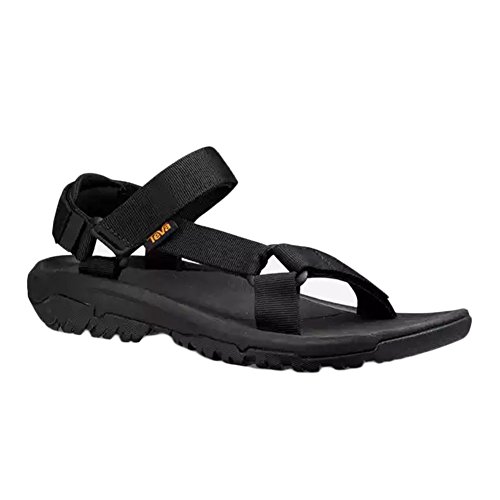


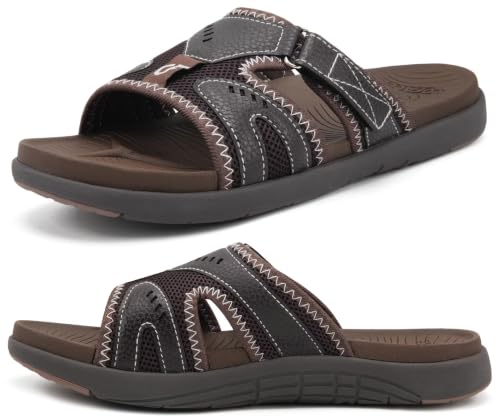


How to Evaluate Sandals
Score each pair against the points below. A strong budget sandal does not need premium leather or a famous outsole, but it should clear basic marks on fit, grip, and strap strength, since those are the areas where cheap pairs most often fail within a single season.
What You Can Realistically Get on a Budget
Most budget pairs cost around $25 to $60. At that level you can expect a molded footbed, adjustable straps on many styles, and a rubber outsole with decent grip for dry streets and light trails. What gets cut is premium leather, replaceable parts, and very long wear life under daily heavy use. Do not save money by accepting thin flat soles or fixed straps that cannot adjust, because both problems appear on the first long walk and never improve with time.
What Men Should Look For
Men often need a wider fit, longer sizes, and straps that clear a high instep without digging in. Check the size range carefully, since some budget brands stop at smaller lengths or run narrow through the midfoot. Weight matters on long days too. A lighter sandal tires your legs less, but paper thin soles trade that gain away in soreness. If you will wear the pair for work on hard floors, favor a thicker footbed and a closed strap layout that holds the foot steady for hours.
Fit, Sizing, and Toe Box
Measure your feet in the afternoon, when they are at their largest, and compare the length in inches or centimeters with the brand size chart rather than trusting your shoe size alone. Your toes should sit fully on the footbed with a small margin at the front, never hanging over the edge. A roomy toe box lets toes spread on descents and in heat, which reduces rubbing. If you fall between sizes, most walkers do better sizing up in open sandals, then using strap adjustment to remove slack.
Outsole Traction and Terrain
Look at lug depth and pattern, not just at the word rubber on the listing. Shallow, closely spaced lugs suit pavement and boardwalks, while deeper lugs grip dirt paths and wet grass better. Wet tile, boat decks, and smooth rock are the hardest surfaces, so a softer rubber compound with many small edges helps there. Flex the sandal in your hands if you can. A sole that bends only at the forefoot, not in the middle, protects your arch on uneven ground.
For comparison across price levels, see our guide to the best rated men's sandals and note how higher rated pairs describe their outsole patterns and lug depth.
Cushioning and Support
Cushioning should absorb impact without feeling unstable. A molded footbed with a raised arch and a cupped heel holds the foot in place and spreads load, while a flat slab of foam lets the foot slide and tires the arch. Heel to toe drop is small in most sandals, which many walkers find natural, but people with tight calves may need time to adapt. If you have ongoing foot, ankle, or knee pain, talk with a clinician or a qualified shoe fitter about your personal needs before relying on any sandal for all day wear.
Break In Period and Comfort Out of the Box
A good budget sandal should feel mostly comfortable on the first short walk. Strap edges may soften over a few outings, and a molded footbed will shape slightly to your foot, but sharp rubbing, hot spots, or heel slipping are warning signs, not stages to endure. Wear new pairs around the house first, then on a short errand, before a long day out. That order lets you spot problems while a return is still simple and your feet are still unblistered.
What Each Price Tier Usually Delivers
Rather than chasing named models, use price tiers to set expectations, then compare pairs in the product table above against the checklist you just read.
Balanced Tier for Daily Walking
Pairs around $45 to $60 usually offer the best mix for daily use. Expect adjustable straps at two or more points, a contoured footbed with real arch shape, and an outsole thick enough for several miles on pavement. This tier suits commuters, travelers, and dog walkers who are on their feet for hours. The main limit is material. Synthetic straps and foam footbeds wear faster than premium leather and cork, so plan on inspection each season and replacement sooner than a costly pair.
Value Tier for Occasional Wear
Pairs around $25 to $40 keep things simple. One or two strap adjustments, a lighter footbed, and a thinner sole can still work well for short errands, beach days, and garden use. This tier suits men who rotate footwear and save sandals for warm days rather than daily mileage. Check strap anchor points closely at this price, because stitching and glue joints there take the most stress. A clean, even anchor with no loose threads is a good early sign.
If your budget is the main driver, see our guide to the best budget sandals for how the wider budget category balances price against footbed quality.
Sturdy Tier for Heavy Use
Pairs around $60 to $85 push toward workhorse territory while staying below premium prices. Expect thicker outsoles, stronger strap webbing, and footbeds that hold their shape under heavier users and longer days. This tier suits larger men, men on their feet at outdoor jobs, and anyone who destroyed a cheap pair in one summer. You give up some lightness and softness, and the style choice narrows, but the gain in strap and sole life is exactly what heavy use demands.
Quick Buyer Checklist
Ask each question before you order, and be strict about the first three.
- Does the size chart length match your measured foot with a small margin at the toes?
- Can you adjust at least one strap, and preferably two, to stop heel slip?
- Does the footbed have a shaped arch and a cupped heel rather than a flat slab?
- Does the outsole lug pattern match your main terrain, wet or dry?
- Do strap edges feel smooth where they cross the top of your foot?
- Is the toe box wide enough for your toes to spread without rubbing the sides?
- Does the return policy let you try the pair indoors and exchange the size?
Red Flags to Watch For
Watch for flat foam soles with no arch shape, fixed straps with no adjustment, and strap anchors held by a single thin stitch or a small glue patch. Vague sizing with no length chart is another warning, because fit is the top reason sandals get returned. Be careful with review patterns that praise comfort in identical phrases while saying nothing about sizing, which often runs small on budget pairs. Finally, avoid soles that feel slick on a smooth shop floor. Grip rarely improves with wear, and a slippery new outsole tends to stay slippery.
Tips to Get the Most From Your Sandal
Air dry wet sandals away from direct heat, since heat warps foam footbeds and dries out strap material. Rinse off salt, sand, and mud after beach or trail use, because grit trapped under straps grinds at both the webbing and your skin. Rotate two pairs for daily wear if you can, giving each footbed a day to regain its shape and dry fully. Inspect strap anchors and outsole wear each month in heavy use, and retire a pair when the tread smooths out under the ball of the foot or the footbed cracks.
Men who walk long distances in sandals may also want our guide to the best men's walking sandals for the extra support features that matter beyond casual wear.
FAQs
What makes sandals for men different from other sandals?
Sandals for men usually run longer and wider, with larger strap spans and footbeds shaped for heavier average body weight. The difference is fit, not just color. Men with wide feet should check the width notes on each listing, because a standard budget last can feel narrow even in the right length. Trying a pair late in the day, when feet are slightly swollen, gives the most honest fit test.
How often should men replace budget sandals?
Replace budget sandals when the outsole tread wears smooth, the footbed stays compressed, or straps loosen and cannot be tightened back. For daily walkers that may be one to two seasons. A simple home check helps. Place the pair on a flat surface and look from behind. If one heel leans inward or outward far more than the other, the support has broken down unevenly.
Can men wear budget sandals all day?
Yes, many men can, if the pair has a shaped footbed, secure straps, and enough sole thickness for hard ground. Build up wearing time over several days rather than starting with a full day of sightseeing. Carry a backup pair of shoes on the first long outing if you can. Feet that are used to enclosed shoes often need time to adjust to open straps and more air flow.
How should budget men's sandals fit?
They should fit with your heel seated in the heel cup, toes fully on the footbed, and straps snug without pinching. You should be able to walk without gripping with your toes to keep the sandal on. That toe gripping habit is a quiet sign of a poor fit and leads to tired feet by evening. If you must grip, adjust the straps or change size before blaming your feet.
How long is the break in period for budget sandals?
Most budget sandals settle within about three to five short wears. Synthetic straps soften and foam footbeds mold slightly in that window. Pain is not part of a normal break in period. A strap that cuts the skin or a footbed edge that presses the arch on day one will rarely become comfortable, so use the return window instead of hoping for a change.
Do men need waterproof sandals on a budget?
Only if your use involves water often, such as boating, fishing, or beach walking. Synthetic straps and rubber soles handle water well and dry fast, while leather and foam footbeds soak and dry slowly. One point many buyers miss is grip after wetting. Some soles that feel fine dry become slick when wet, so if water use matters, favor deep lugs and check carefully on a wet smooth surface at home first.
For a lighter warm weather option in the same family, see our guide to the best men's slide sandals and compare how open slide straps differ in hold and fit.
Wrapping Up
Put fit first, support second, and traction third, and most budget mistakes disappear. Match the tier to your mileage, try new pairs at home while returns are easy, and compare the product table above one last time against the checklist. Chosen that way, best budget men's sandals can carry you through daily walks and warm weather in comfort without premium pricing.