Best Budget Hammock of 2026: Complete Buying Guide
Disclosure: We may earn a commission when you buy through links on this page, at no extra cost to you. As an Amazon Associate I earn from qualifying purchases. Learn more

Learn how to choose a budget hammock that fits your space, weight needs and setup style, with clear guidance on fabric, size, suspension and care.
A best budget hammock should let you relax without paying for features you will never use, and the comparison table below gives you a quick view of the main types before you read the detail. The trick is to match the fabric, size and suspension to the way you plan to hang it, because a hammock that suits a quiet backyard may feel cramped on a camping trip. Start with where you will hang it most often, then check weight, packed size and how much setup you are willing to do.
Budget does not have to mean flimsy, but it does mean trade offs. You may get a simpler suspension or fewer extras, and that is fine if those choices fit your use.




Who Should Buy Which Budget Hammock?
A low price only helps when the hammock still fits the job, so think about who will use it and whether it needs to travel.
For Backyard Relaxation
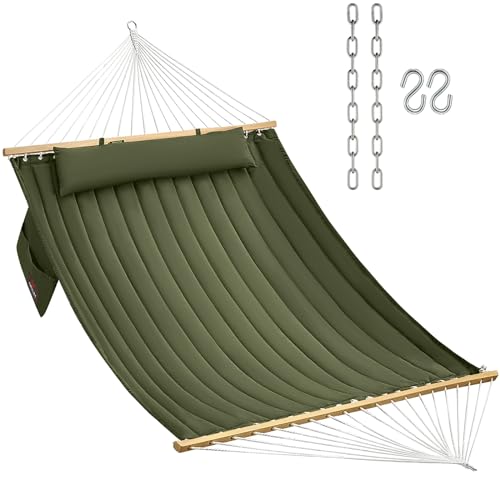
If the hammock will stay in one garden spot, comfort and size matter more than packed weight. A wider bed lets you lie at a slight diagonal, which feels flatter and easier on your shoulders.
For Campers on a Budget
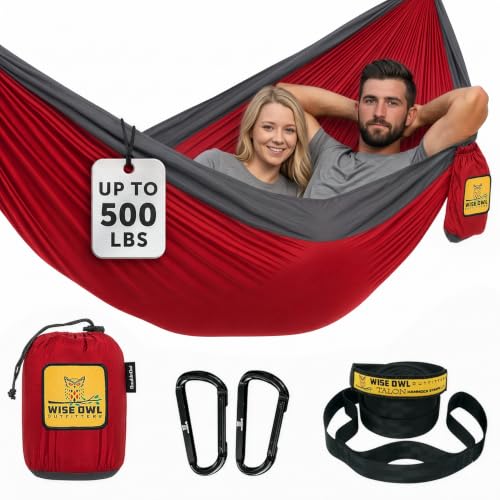
Campers need a lighter package that packs small and sets up fast. A compact hammock with tree friendly straps makes the biggest difference, while a rain cover or bug net can be added later. Check the total packed weight, not just the hammock alone.
For First Time Buyers
New buyers do best with a simple setup and clear weight guidance. Choose a forgiving size, straps that adjust without knots, and fabric that feels comfortable against skin. A first hammock does not need every accessory, and you can learn what you like before spending more on a second one.
What You Can Realistically Get on a Budget
At a lower price you can usually expect solid basic fabric, a usable suspension and a simple carry bag. You may not get premium hardware, an included rain cover or a bug net. Spend your money on size and suspension first, because those affect comfort and safety every time you hang it.
Spending Levels Without the Guesswork
A basic tier, about $20 to $40, suits occasional backyard use and short trips. A mid tier, about $40 to $80, often adds stronger fabric, better straps and a more comfortable width. Above that range you are usually paying for lighter materials or a complete kit, which matters most for frequent campers.
How to Choose a Budget Hammock: Buying Guide
Use the factors below as a checklist, and compare them in the order that matters for your main use. Size and suspension come first, then fabric and weather handling.
Size and Sleeping Position
Length and width decide whether you can lie flat enough to relax. A longer hammock suits taller users and a diagonal lie, while a wider bed gives more shoulder room. Measure your hanging distance before you buy, and leave room for sag, because a hammock pulled too tight feels hard and tips more easily.
Fabric and Weight Capacity
Most budget hammocks use woven nylon or polyester. Nylon often feels softer and packs smaller, while polyester tends to stretch less and hold its shape. Check the maker weight rating and keep a comfortable margin, especially if two people might share it.
Suspension and Setup
Suspension connects the hammock to trees, posts or a stand, and it affects both safety and ease of use. Wide tree straps protect bark and adjust quickly, while rope systems may need knots and more practice. Always follow the maker safety guidance, check the load rating, and keep children away from straps and hardware during setup.
Weight and Packed Size
Packed size matters most when you carry the hammock in a backpack, and less when it stays in a garden. A lighter hammock usually uses thinner fabric or simpler hardware, so balance weight against comfort. Check the packed dimensions as well as the weight.
Weather Handling
A hammock alone does not protect you from rain, wind or insects, so think about what your trips need. A separate tarp adds rain cover, while a bug net matters in warm seasons and near water. Some fabrics dry faster than others, which helps after damp nights.
Comfort and Fit
Comfort comes from length, width, fabric stretch and hang angle. A gentle sag, with the ends higher than the middle, usually feels better than a tight, flat pull. Try different lying angles at home, and adjust strap height until your back feels supported.
Types of Hammocks
Choose the type that fits your anchors and your trips, not the one with the longest feature list.
Gathered End Hammocks
Gathered end designs bunch the fabric at each end and suit most backyard and camping use. They pack small, hang with simple straps and feel comfortable for a diagonal lie. They suit solo users and anyone who wants a light, flexible option.
Spreader Bar Hammocks
Spreader bars hold the bed open and make getting in and out easier, which suits relaxed backyard use. They pack larger and can feel less stable if you shift suddenly, so they suit calm settings more than rough campsites.
Mayan and Net Hammocks
Open weave designs breathe well in warm weather and feel soft against skin, but they suit sheltered spots better than windy camps. Check the weight rating carefully, because weave density affects strength.
Common Mistakes to Avoid
- Buying too short a hammock, which forces a curved lie and sore shoulders.
- Ignoring the suspension, even though straps and anchors decide safety and ease of use.
- Hanging from weak or damaged anchors, which can fail without warning.
- Pulling the hammock drum tight, which makes it feel hard and unstable.
- Skipping a rain plan, then discovering that a hammock alone offers no shelter.
How to Make Your Hammock Last Longer
- Test the setup at home before a trip, so you learn the right hang angle and strap length.
- Dry the fabric fully before storage, because damp fabric can develop odour and weak spots.
- Store it loose in a dry place, away from sharp objects and direct sun.
- Inspect straps, stitching and hardware before each trip, and replace worn parts promptly.
- Follow Leave No Trace principles outdoors, and use wide straps that protect tree bark.
For related outdoor seating ideas, see our guide to the best backyard hammocks, which covers larger garden models in more detail.
Frequently Asked Questions
How do I choose the right size hammock?
Choose length first, then width, because length affects how flat you can lie. Taller users and anyone who likes a diagonal lie should look for a longer bed, while a wider bed adds shoulder room. Measure your hanging distance and leave room for sag, since a hammock needs slack to feel comfortable. If you plan to share it, check the maker weight rating and choose a double size with a comfortable margin.
What weight rating should a budget hammock have?
Pick a rating comfortably above the heaviest expected load, including any gear or a second person. A margin matters because dynamic movement adds force when you sit down or shift position. Check whether the rating covers the hammock alone or the full system, since straps and hardware have their own limits. When in doubt, choose the stronger option and follow the maker guidance for anchors and setup.
Can a budget hammock work for camping?
Yes, if you choose a light, compact model and add shelter for rain and insects when needed. A camping setup works best with tree friendly straps, a tarp for rain cover and a sleeping pad or underquilt for warmth in cool weather. Test the full setup at home first, so you know the packed size and the hang distance your site needs. Budget models suit fair weather trips best, while harsh conditions call for more specialised gear.
How do I hang a hammock safely?
Hang it from strong, healthy trees or a rated stand, and follow the maker guidance for distance and height. Use wide straps to protect bark, keep the hang angle gentle, and sit in the centre rather than on the edge. Check straps, knots and hardware before each use, and keep children away from the setup area while you adjust it. Take the hammock down in strong wind, and never hang it from dead or damaged trees.
How long does a budget hammock last?
Lifespan depends on fabric, use and care more than on price alone. A hammock used gently in a garden and stored dry can last several seasons, while one left outside in sun and rain will wear faster. Drying it before storage, avoiding sharp objects and inspecting stitching all extend its life. Replace it if the fabric thins, stitching frays or hardware shows cracks, even if it still looks usable at a glance.
The Bottom Line
Start with size, suspension and weight rating, then let your main use decide the rest. A roomy, well supported hammock with simple straps will serve most buyers better than a cheaper model with extras they never use. Compare the product table above, check the maker safety guidance, and choose the best budget hammock for the places you will actually hang it.